by Gianina CĂRBUNARIU
Artistic Direction: Gianina CĂRBUNARIU
Set Design: Adrian GANEA
Music: Oscar UNGVÁRI
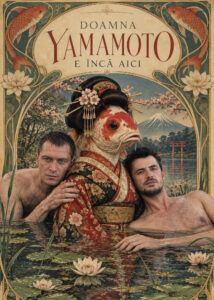
Poster graphics: Levente BENEDEK
Cast:: Iulia Colan (Sabina), George Albert Costea (Radu), Romanița Ionescu (fantoma Elenei Ceaușescu, fantoma Annei Bathory, fantoma Saftei florăreasa), Iulia Lazăr (Iulia), Cătălin-Mihai Miculeasa (Doru), Mircea Mogoșeanu (Vlad), Roxana Mutu (Ioana), Raluca Păun (Marcela), Cosmin Rădescu (Ștefan), Vlad Udrescu (Victor, Fantoma lui Pârvulescu), Darius Feraru (Operator), Mihai Manea (Asistentul lui Vlad)
Literary Secretary: Haricleea Nicolau
Stage direction: Mihai MANEA
Sound: Dan FENEȘAN
Lights: Ștefăniță REZEANU, Marian TUDORACHE
Video: Florin Chirea, Eduard Sărăcin
Photo credit: Florin Chirea, Adrian Ganea, Albert Dobrin, Cătălin Glavan
Prompter: Ramona POPA
Producer: Marius PÎRLEA
Premiere date: 19, 20 martie 2026
Duration: 110 de min fără pauză
Genre of the show: comedie neagră
"The themes I explored in My Beloved Enemy are recurrent in the performances I have worked on in the last ten years: the invasion of public space by divisive discourses, the growing distrust, even the rupture between different social classes, the need to research and understand in the present the consequences of events from the recent Romanian and European past, the role of art in this increasingly complicated political context, the difficulty of imagining together, as a society, a future. What is new is the placement of disputes in a "family picture", which brings together diverse perspectives, each of them claiming their own truth, with different arguments related to personal experience, to the role "received" in society after 1989, but also to the ability to search for and filter contradictory information generated online in recent years.
Often, for the shows I work on, I make documentaries through interviews or research in archives, I collaborate with sociologists, historians and anthropologists, I draw inspiration from journalistic investigations. At a time when many of us want to hear simple stories, in which to believe without dedicating too much time to research, questioning reality and the way in which it is falsified has become an act of heroism. And in the context in which the most vocal opinions also want to be the most correct, holders of absolute truths, it becomes increasingly difficult to perceive who the impostors are and what their agendas are. All over the world, journalists who try to do their job and inform correctly are, more and more often, the target of attacks, intimidation, censorship. Their situation reflects, in fact, the situation of siege in which democracy finds itself. I wanted to investigate some of the mechanisms through which this new world was created and is being created.
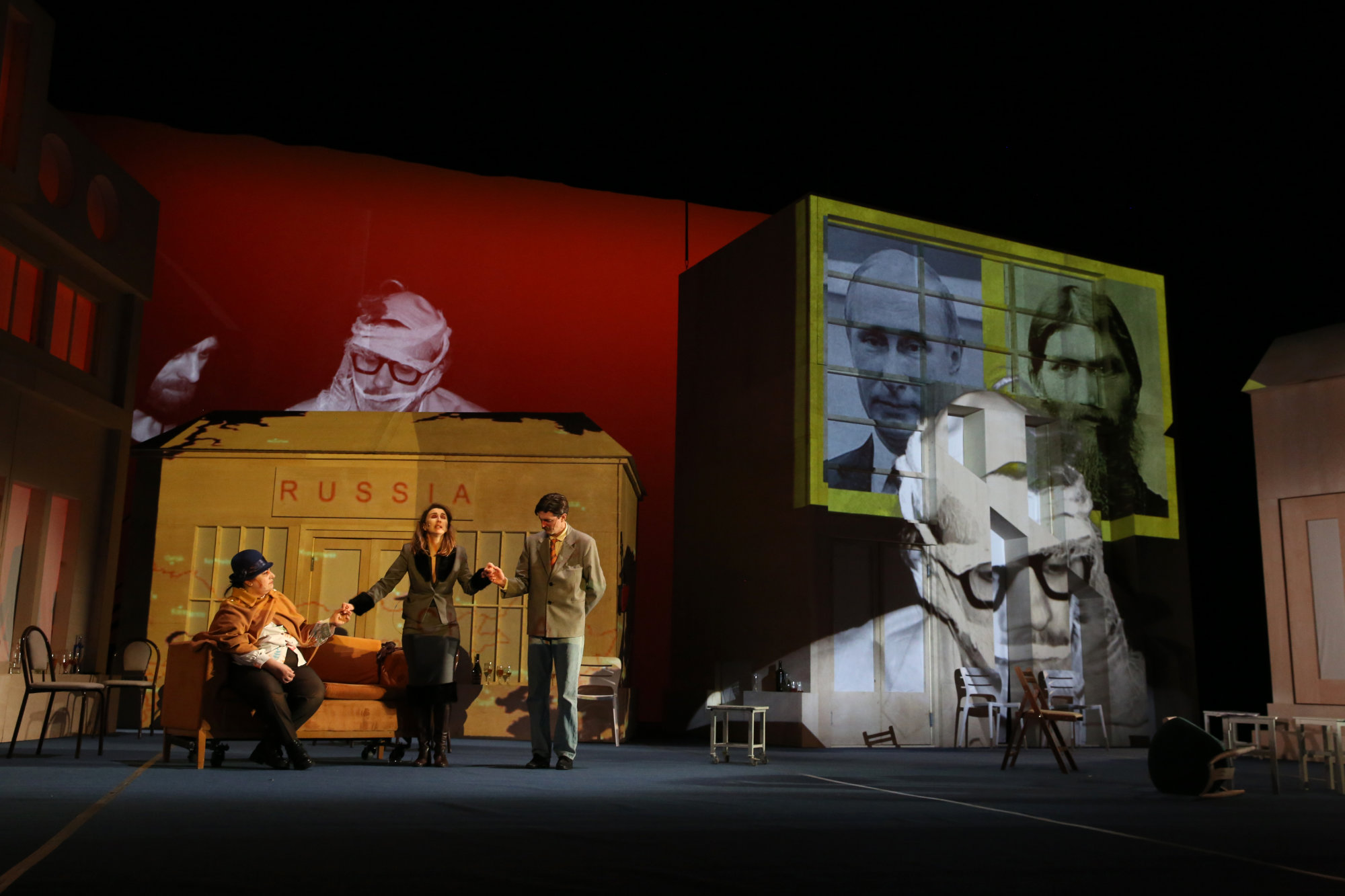
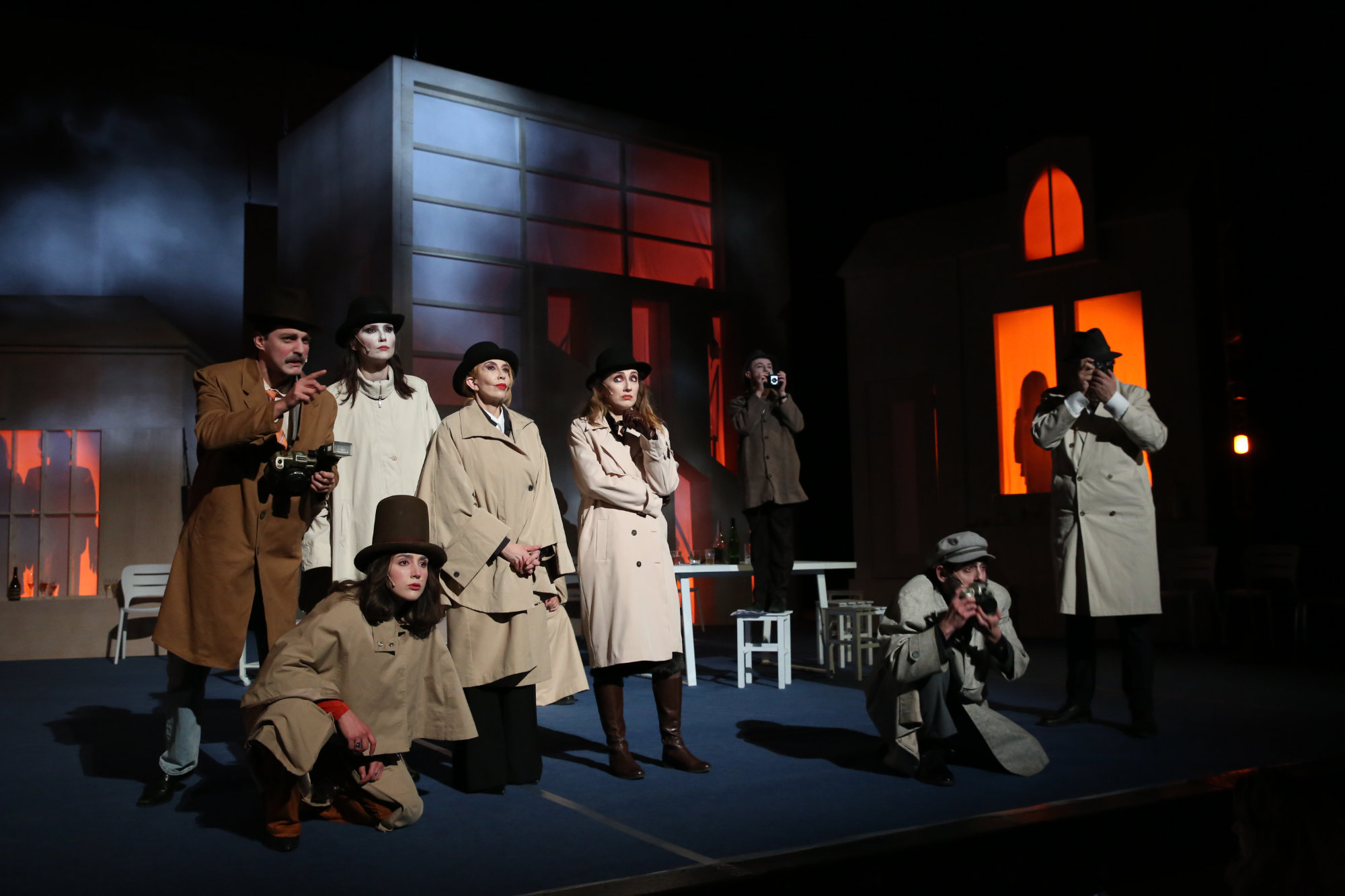
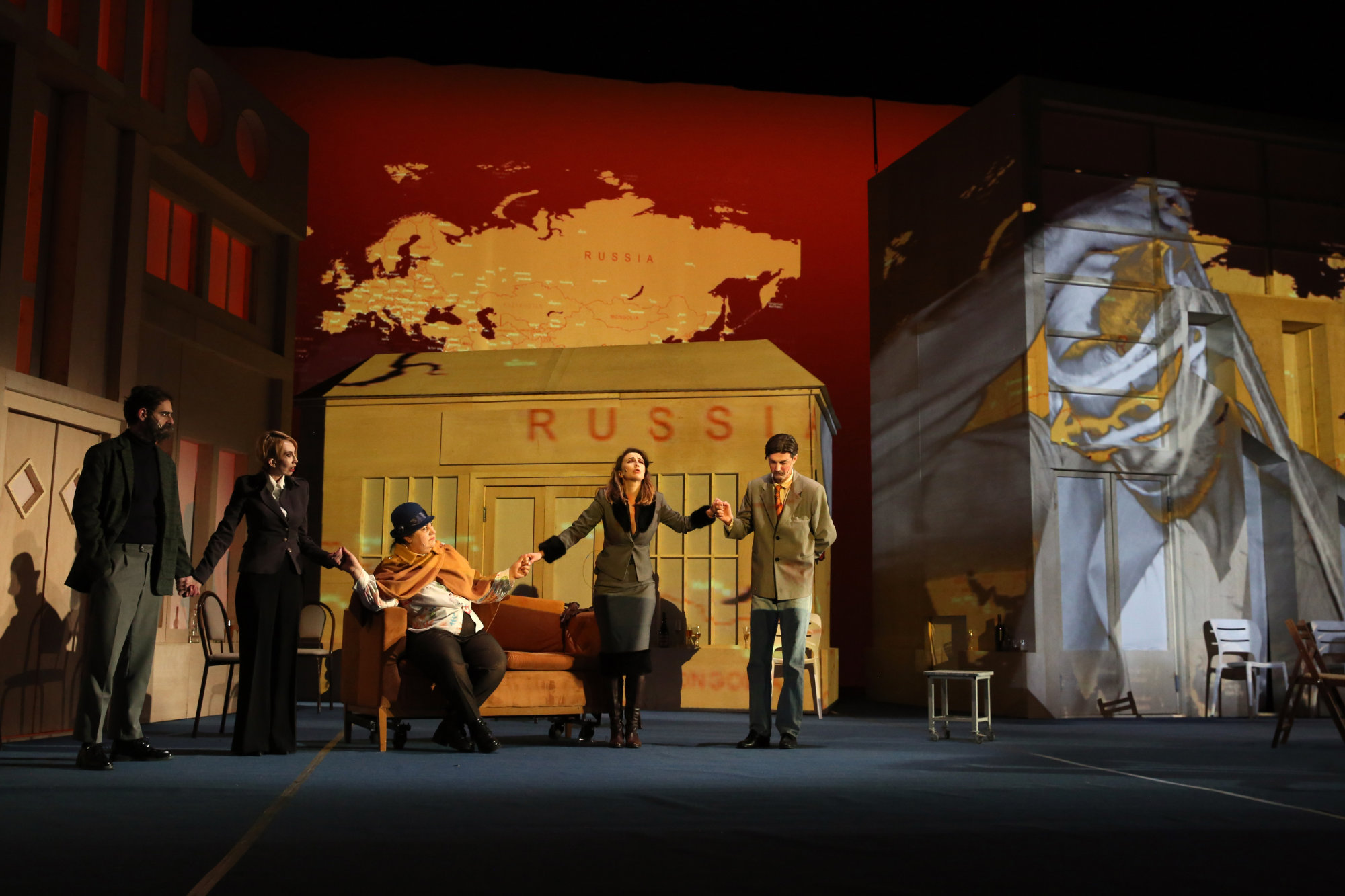
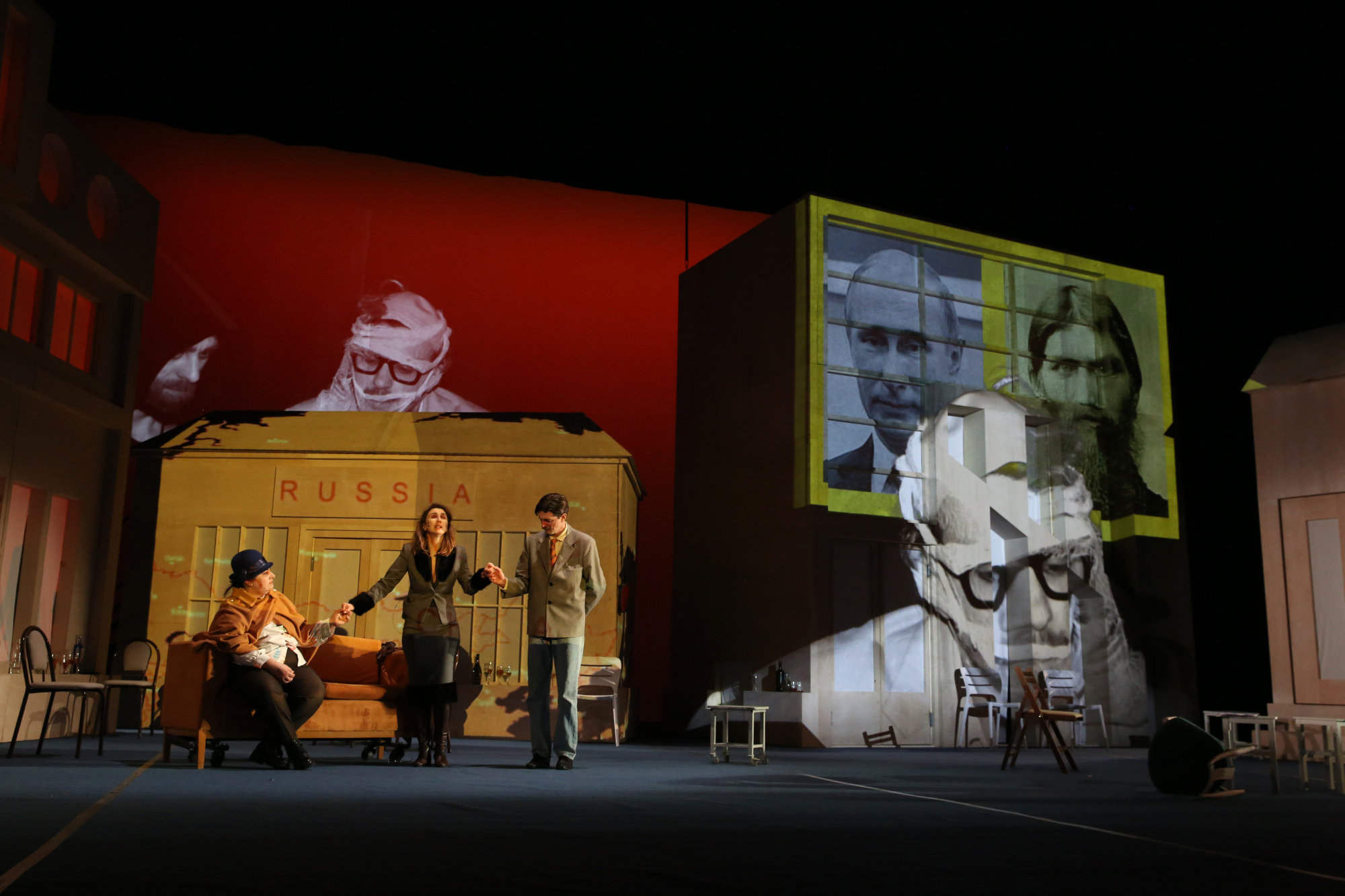
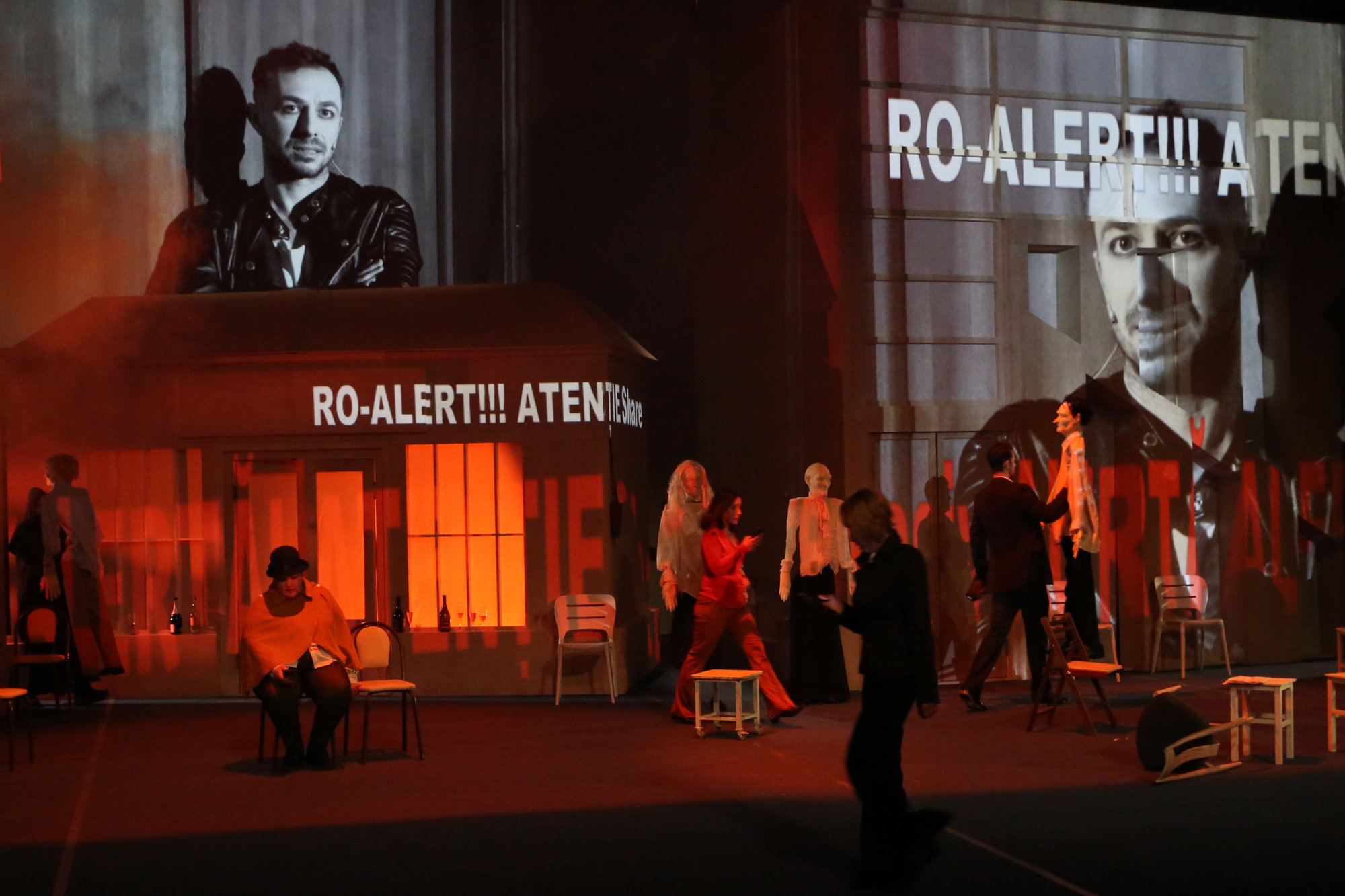
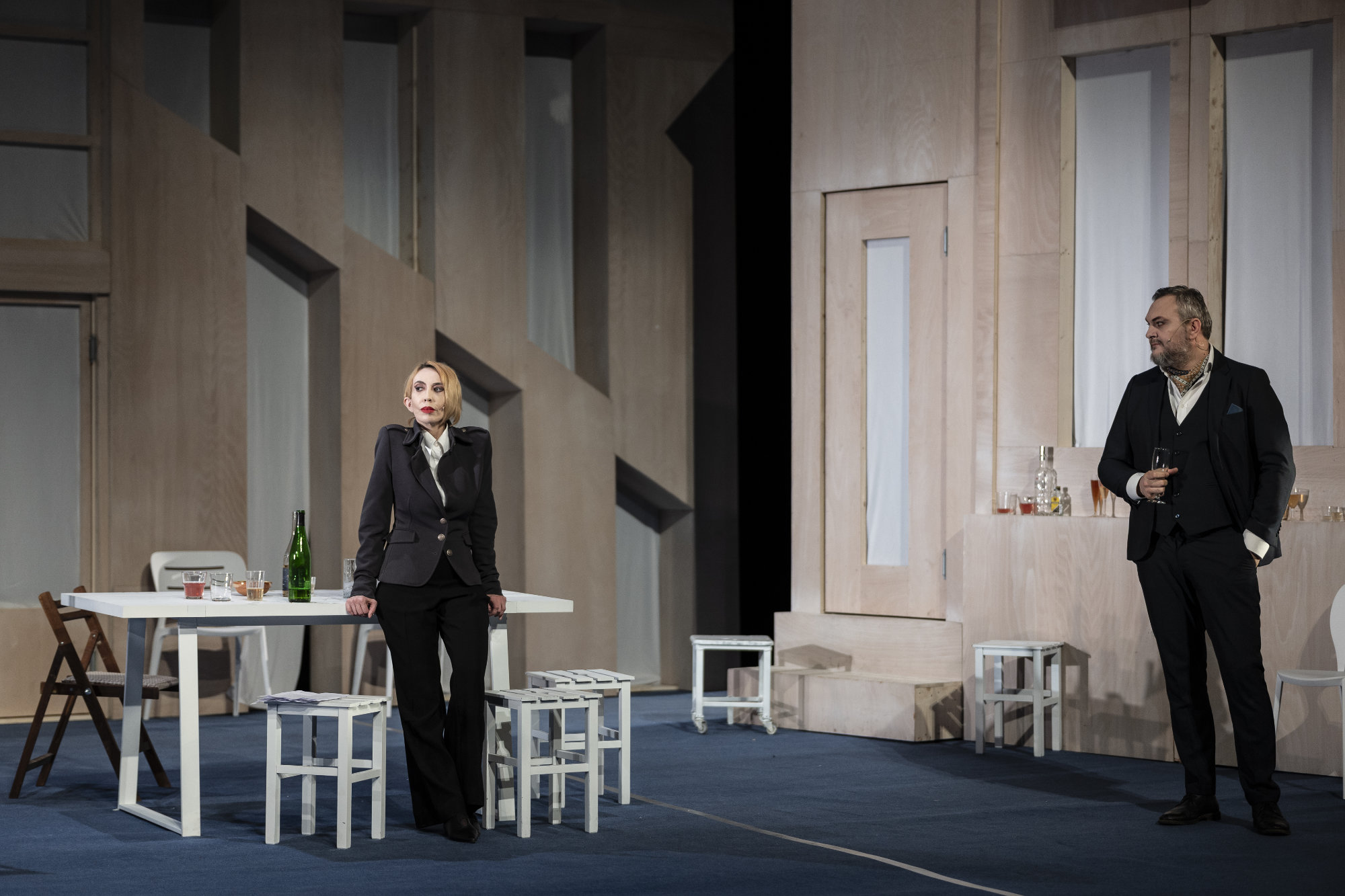
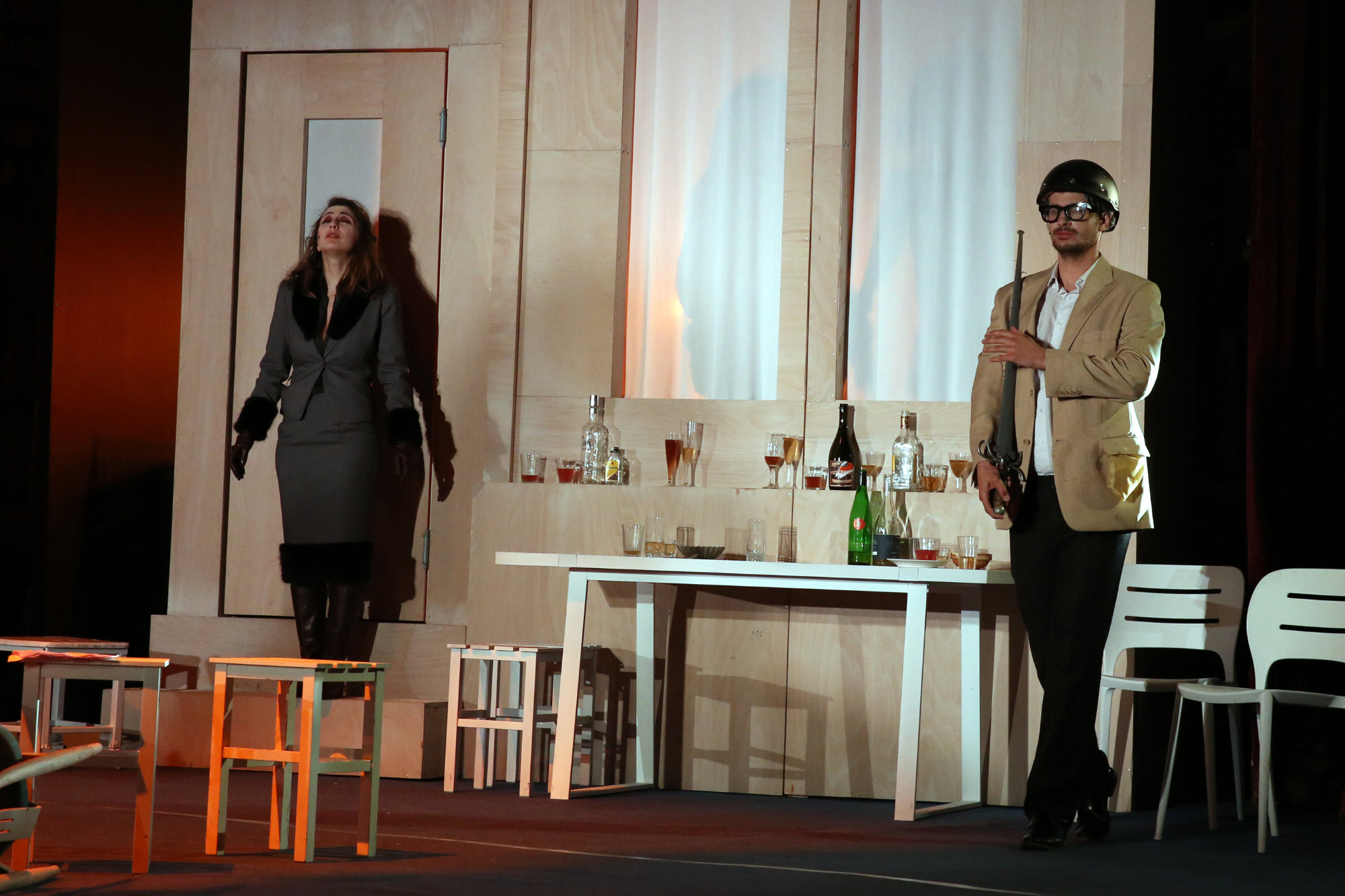
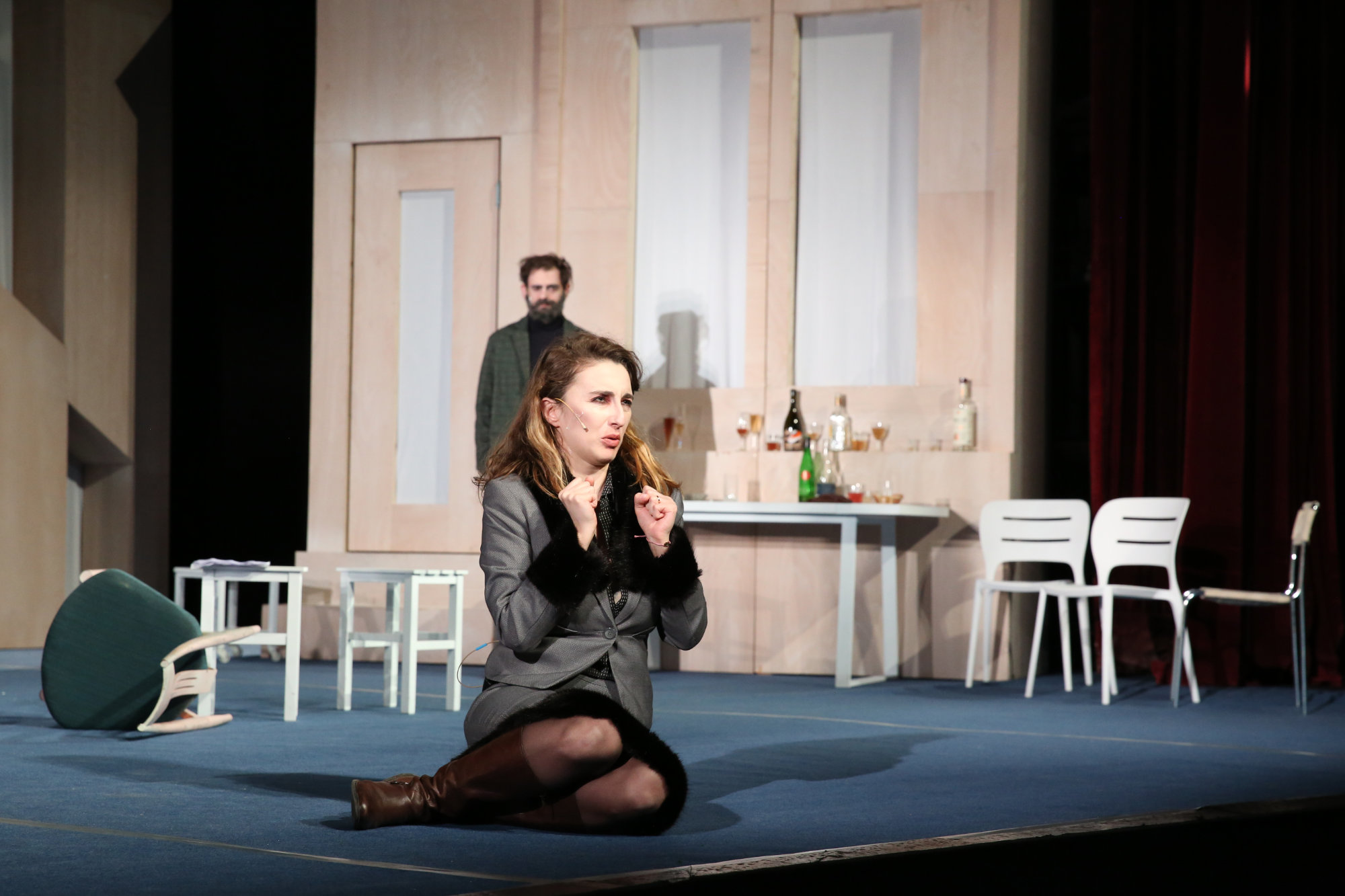
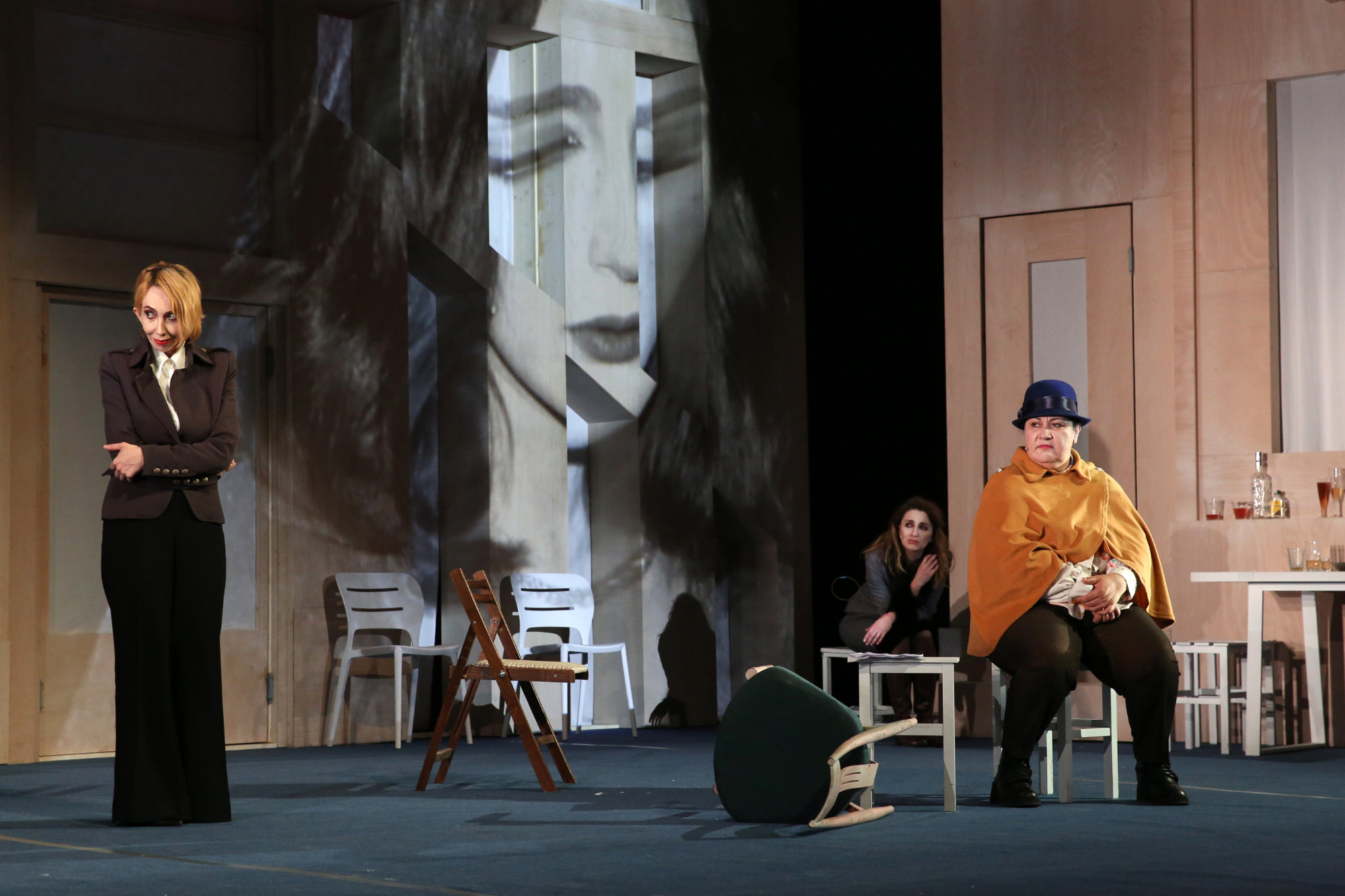
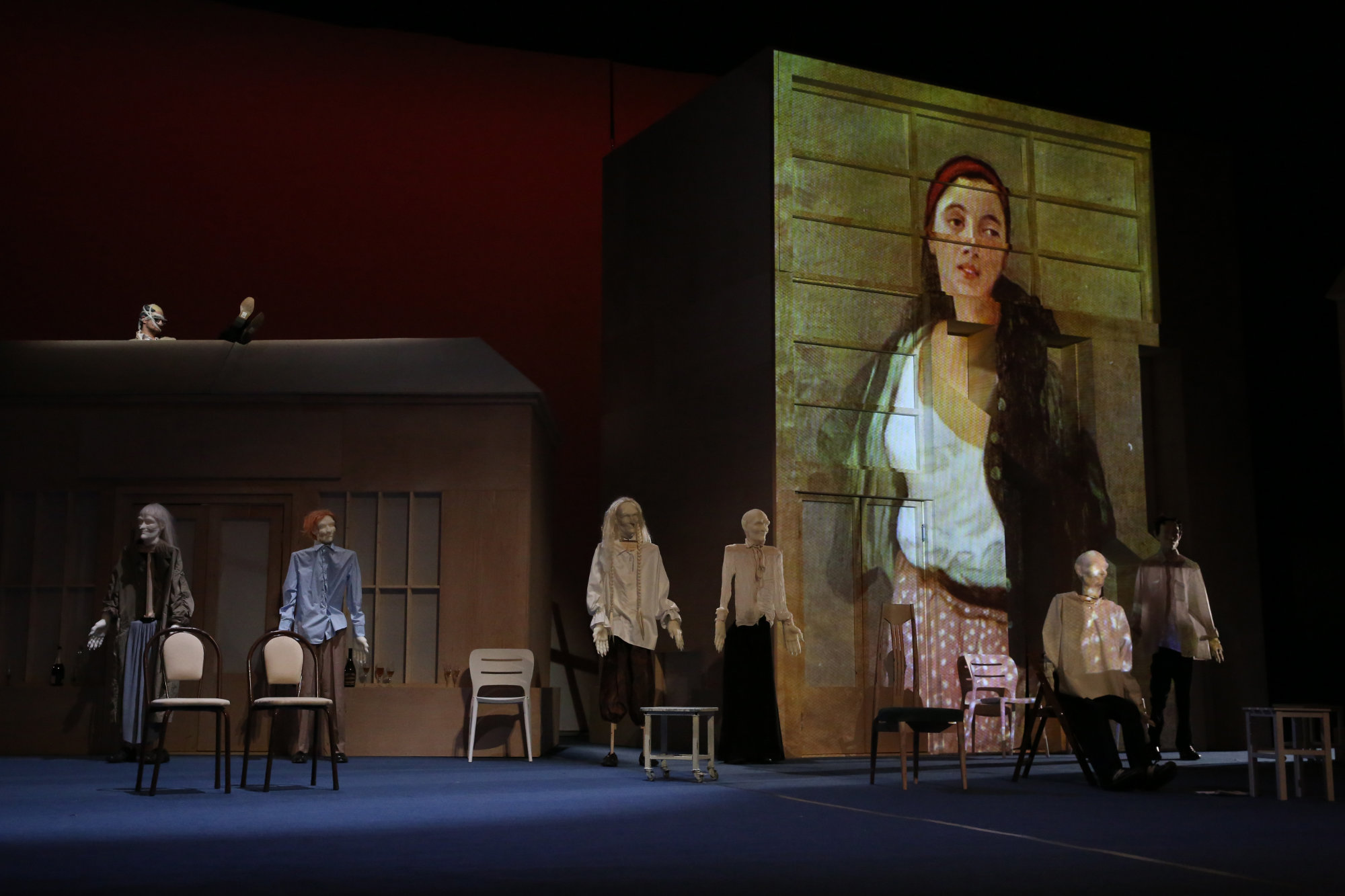
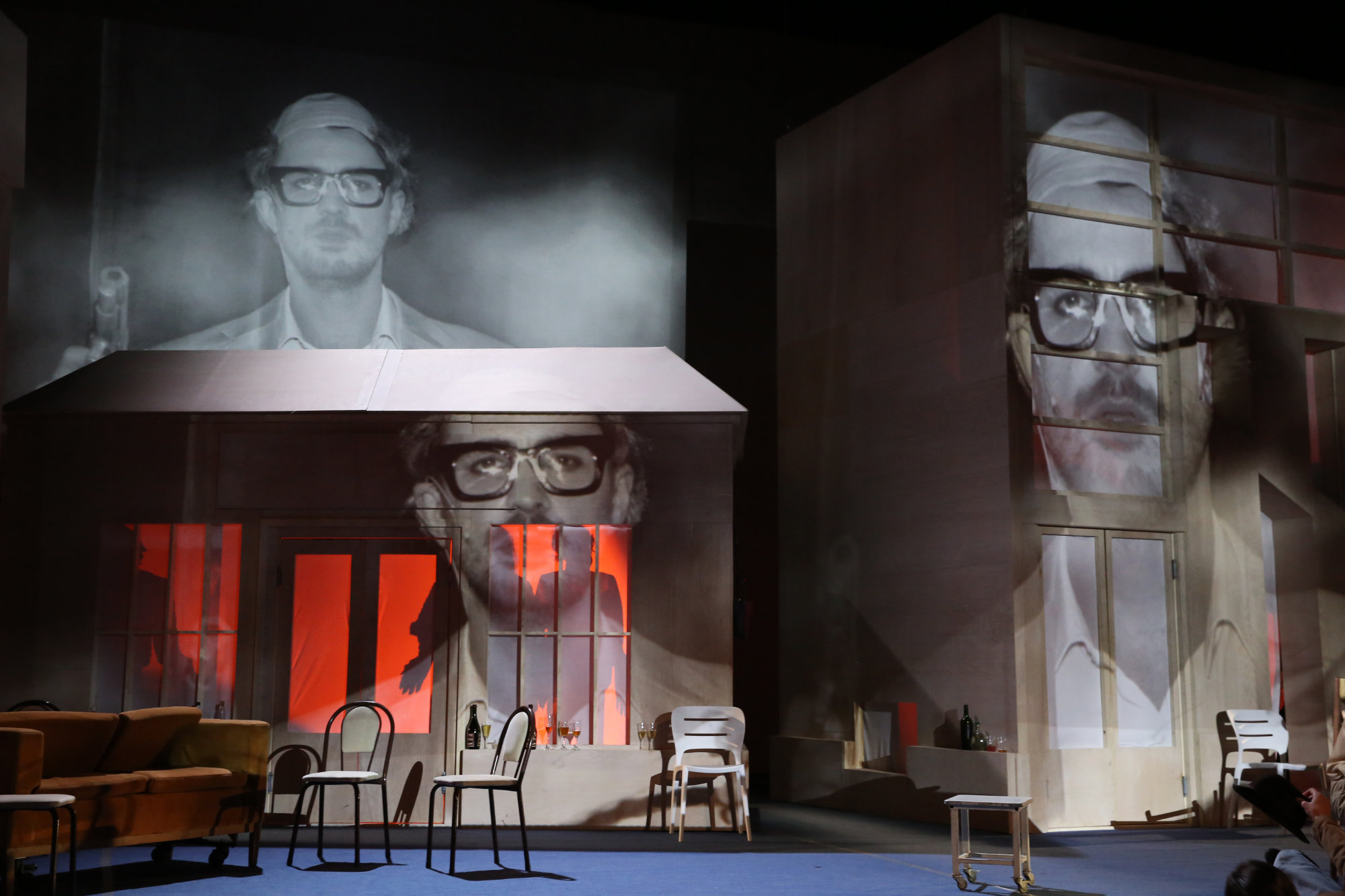
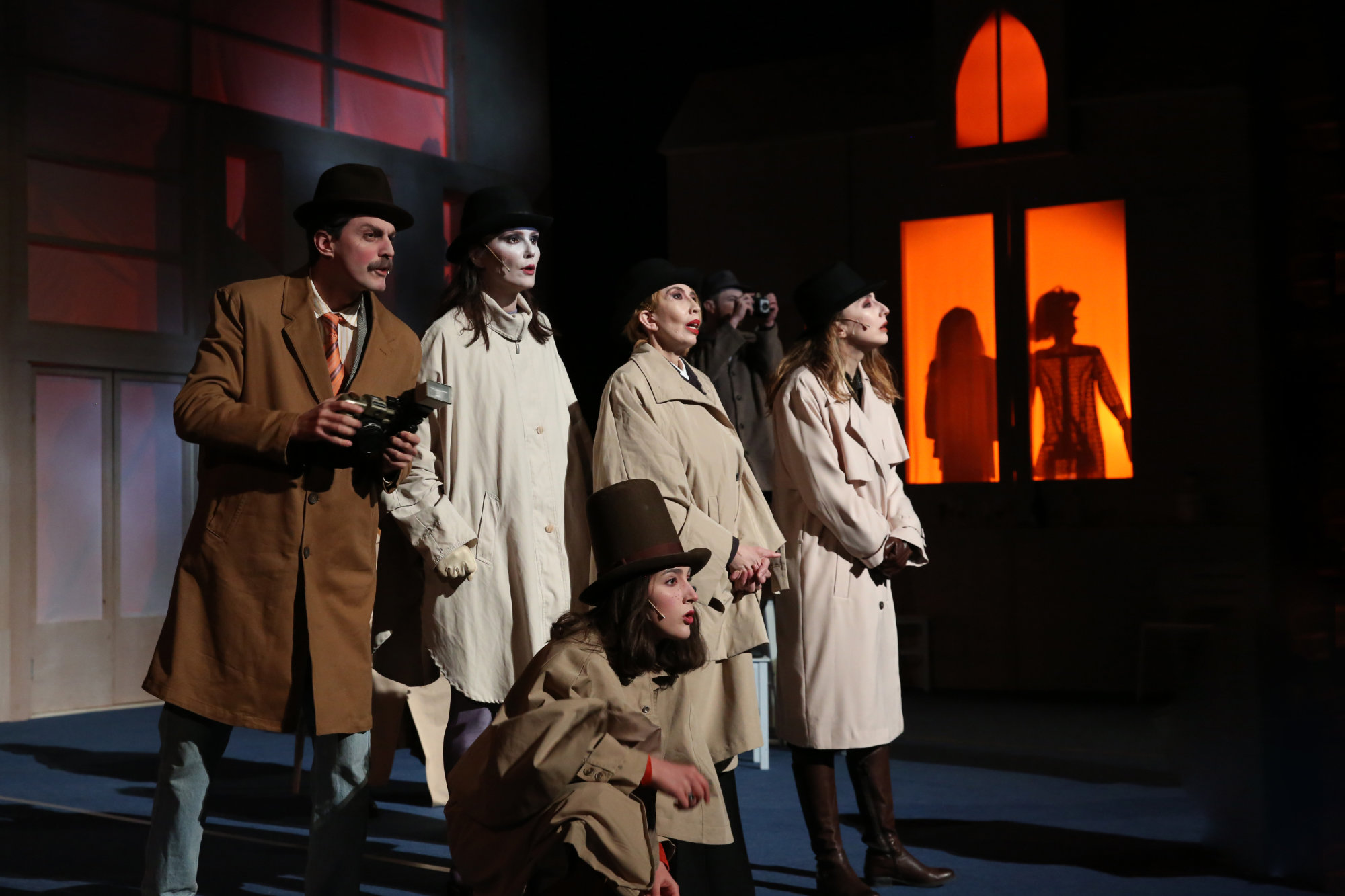
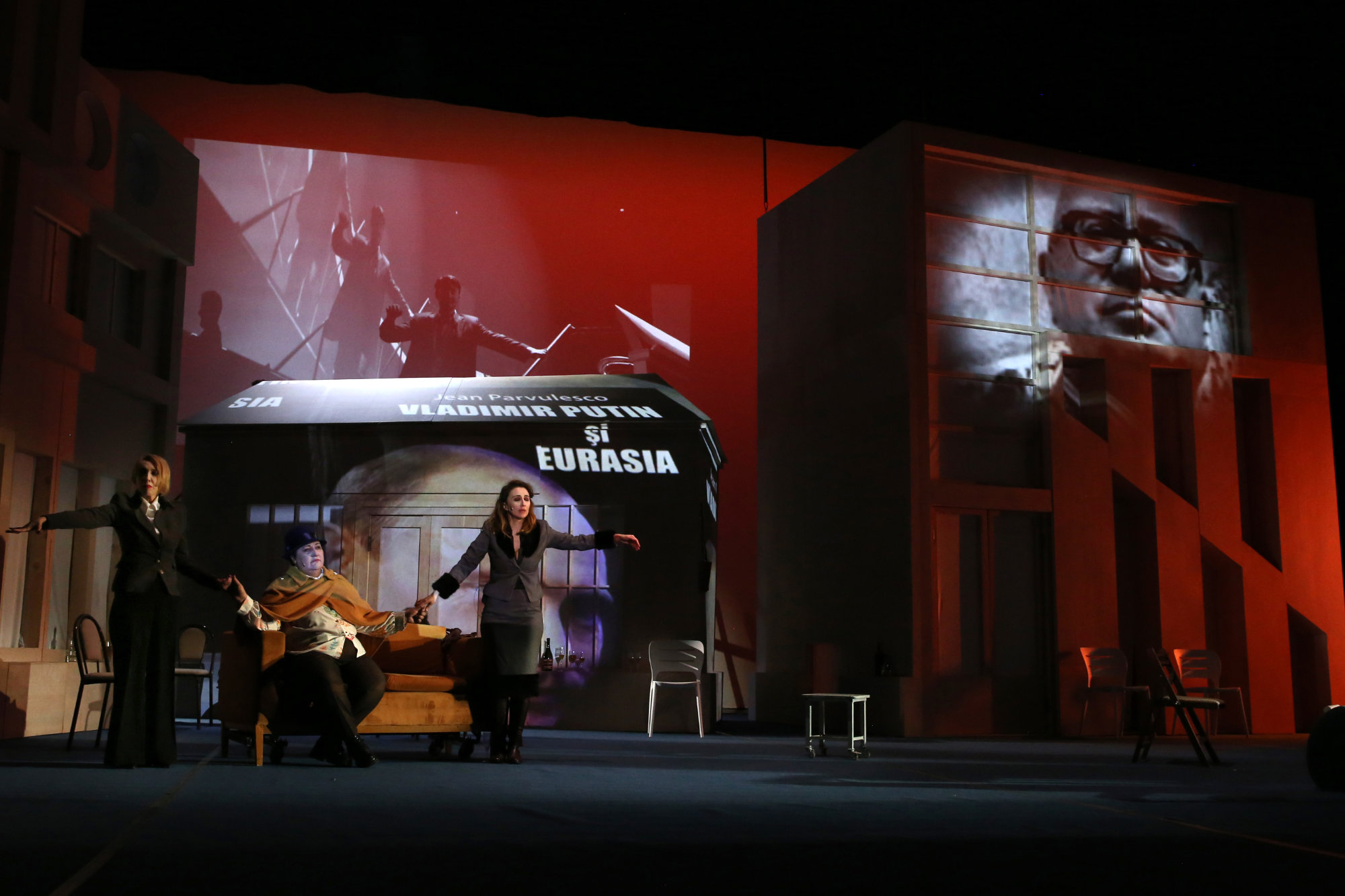
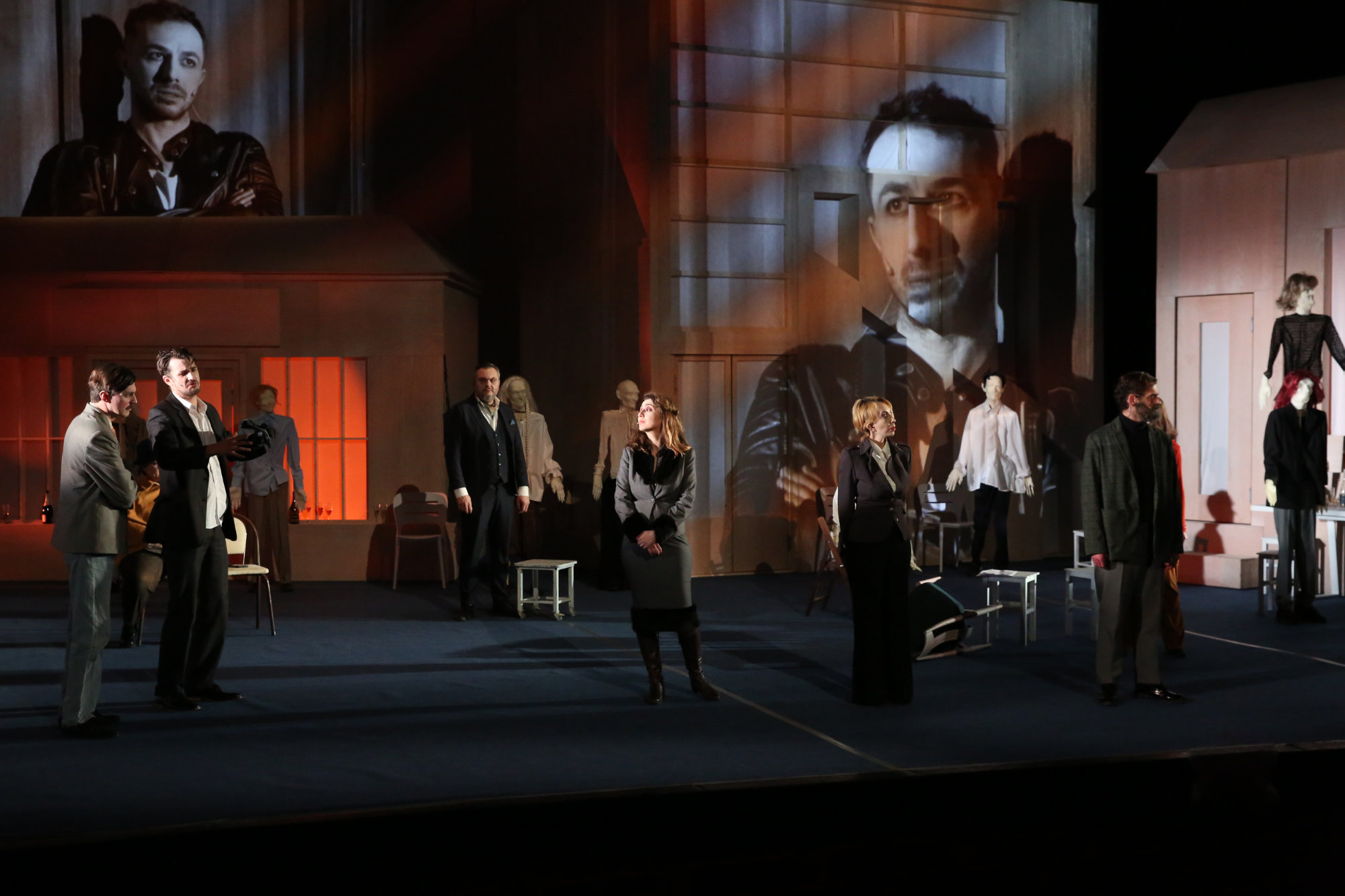
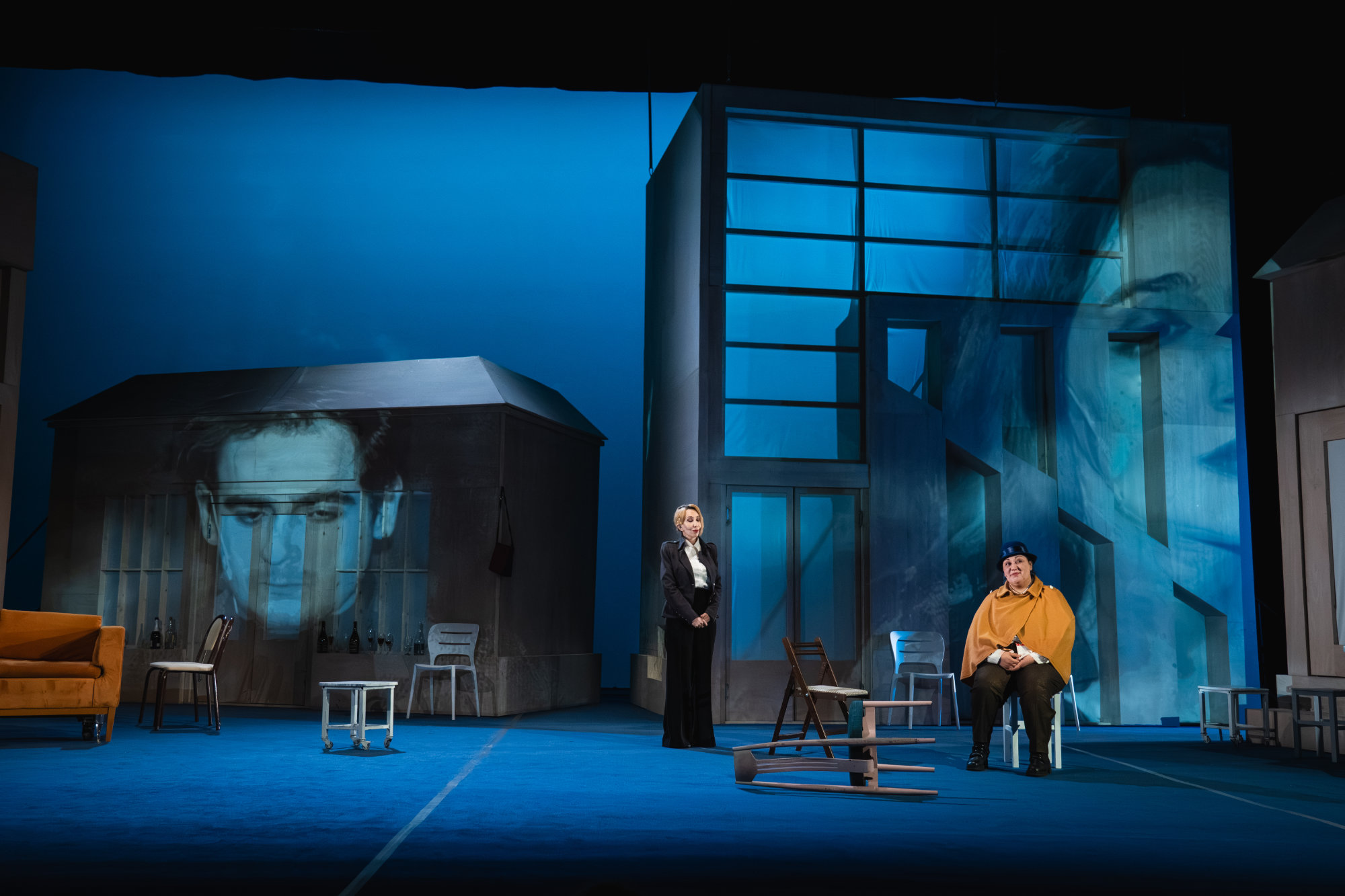
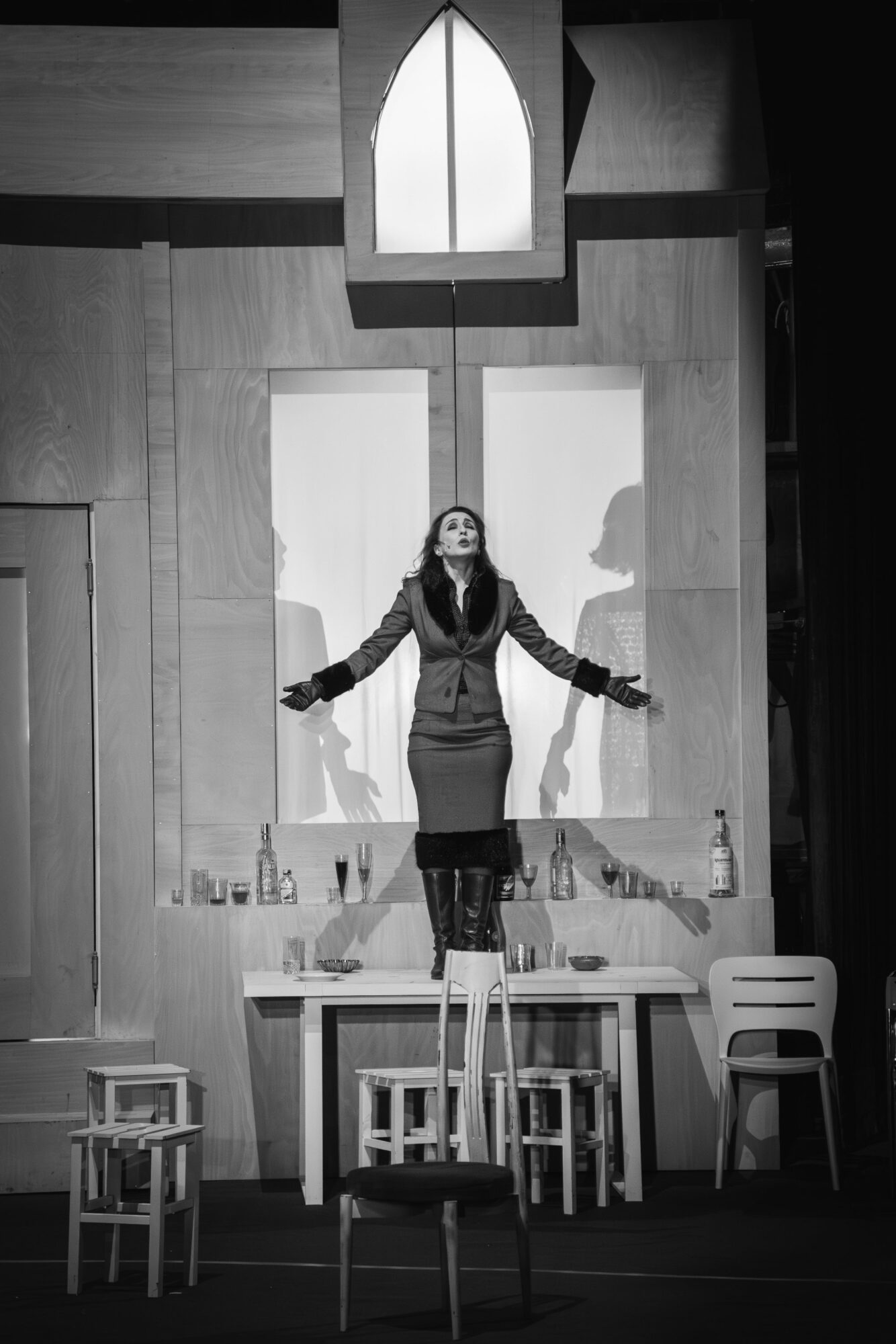
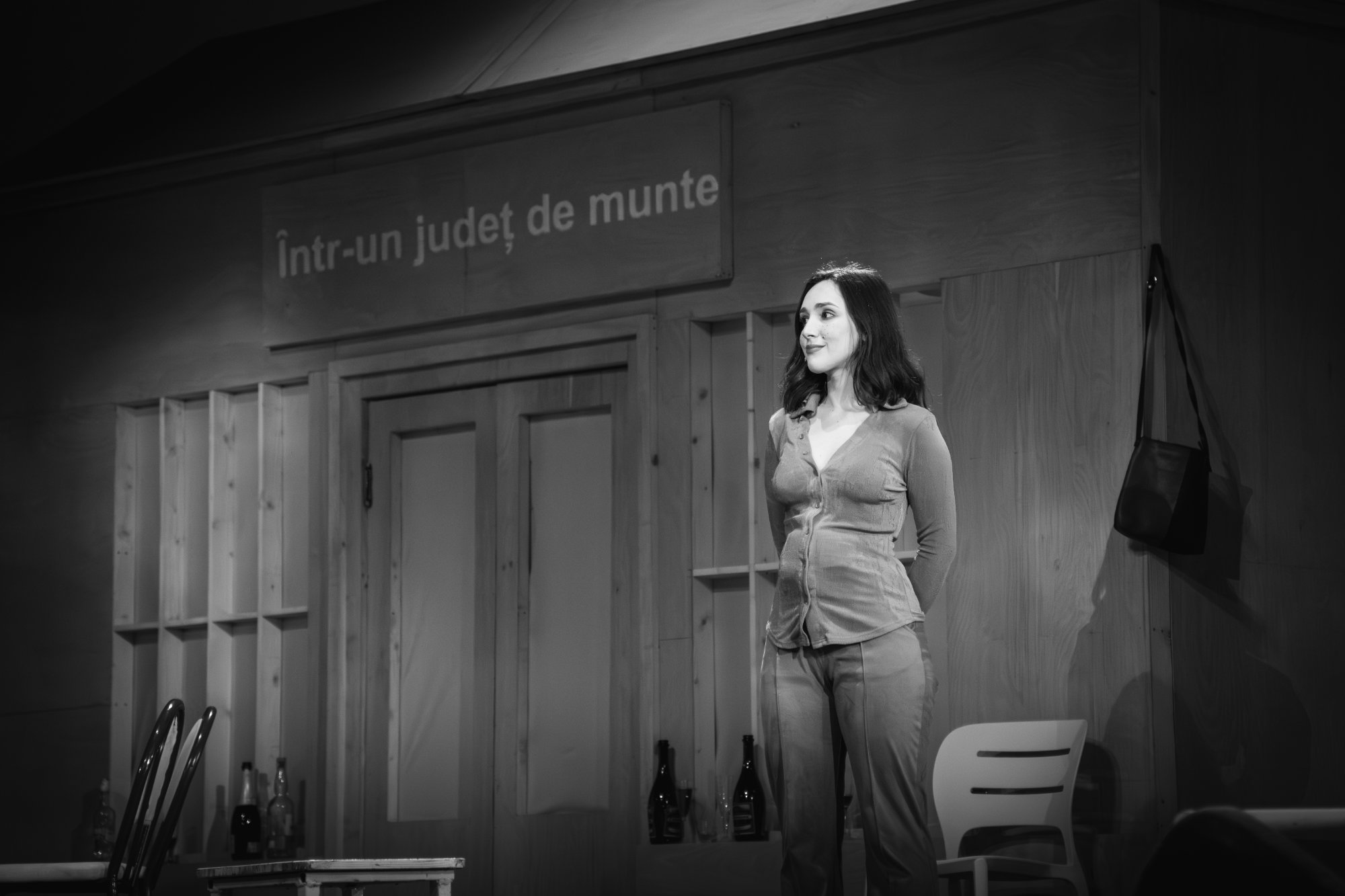
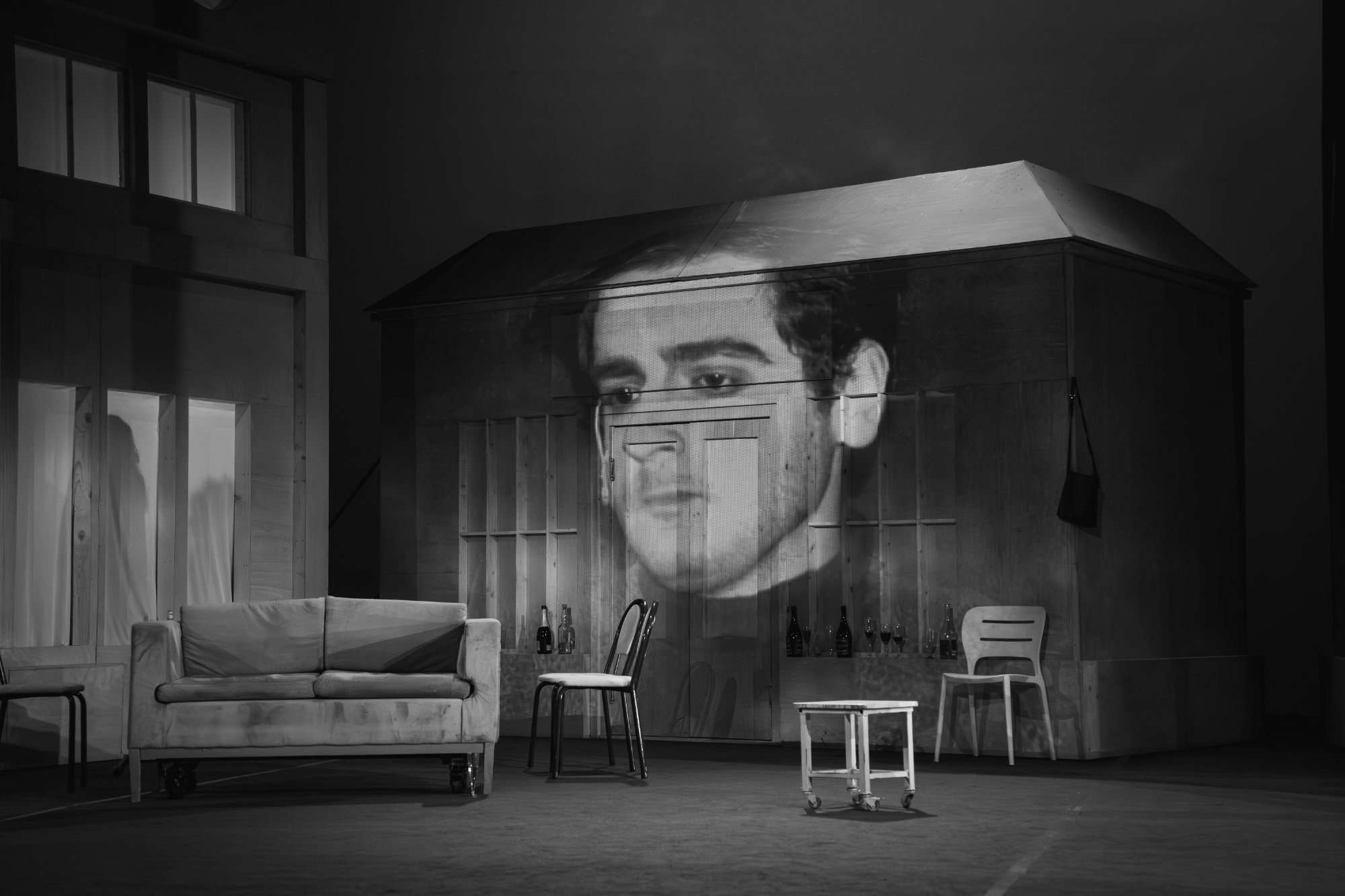
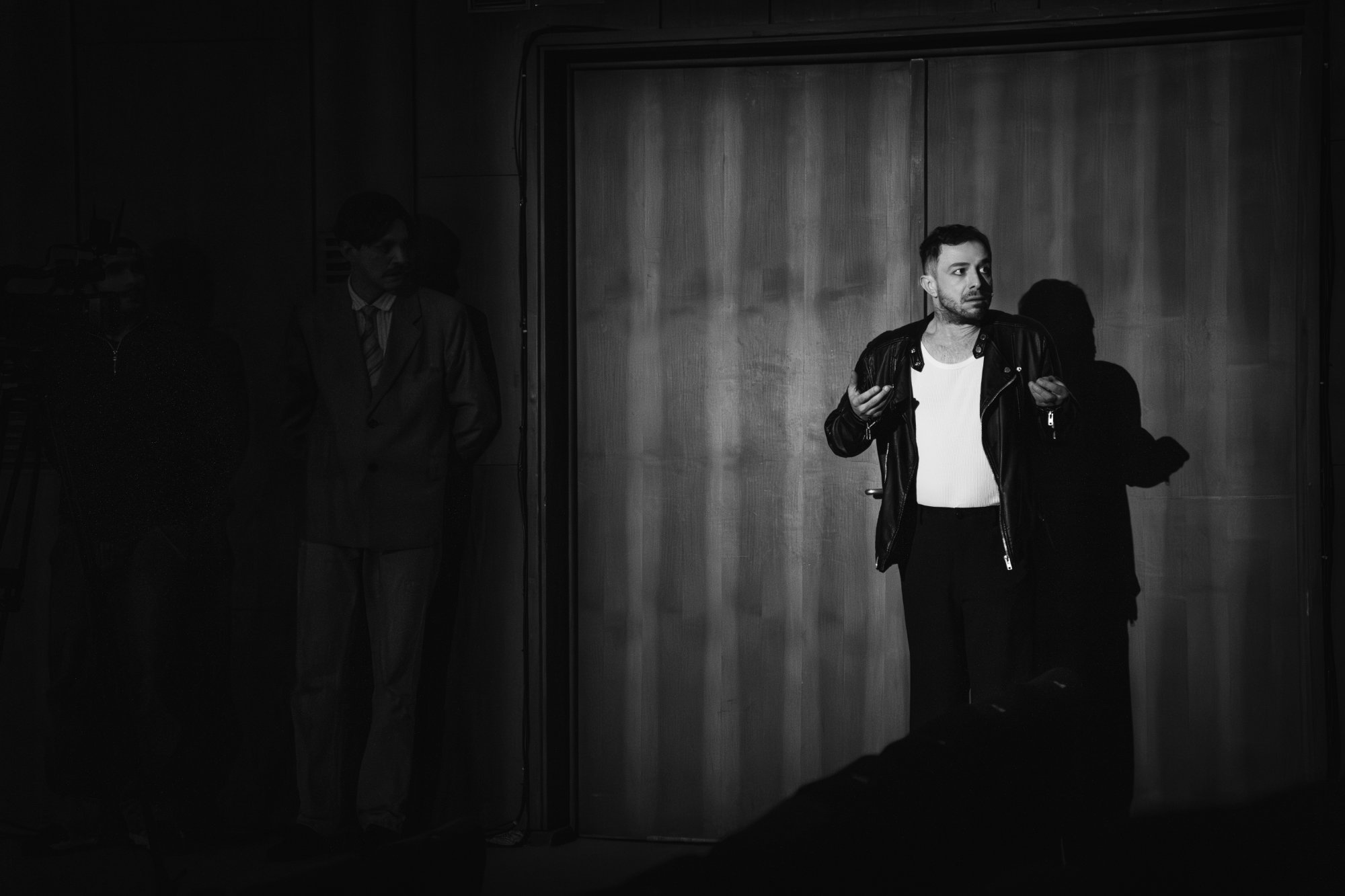
The script existed in large part before the rehearsals began, we staged it in a first version at the National Theatre in Slovakia, in 2025, after almost a year of documentation in the two countries. Arriving in Craiova, together with the artistic team of the "Marin Sorescu" National Theatre, we continued our reflection on the realities that are unfolding before our eyes, not only in Romania, but all over the world. We tried to process our common experience in a show that would raise questions for the contemporary audience, in the hope that a dialogue between us, all of us who share the social scene, is still possible. In fact, the scenic space imagined by the set designer Adrian Ganea is, at the same time, a public square, a family living room and, sometimes, even a theater hall.
I am very grateful to the National Theatre of Craiova for giving me the opportunity to create this show in Romania, for its viewers, at a time when, for me as an artist, thinking, laughing, getting emotional, asking questions together are simple gestures, but with immense regenerative value."
Gianina Cărbunariu
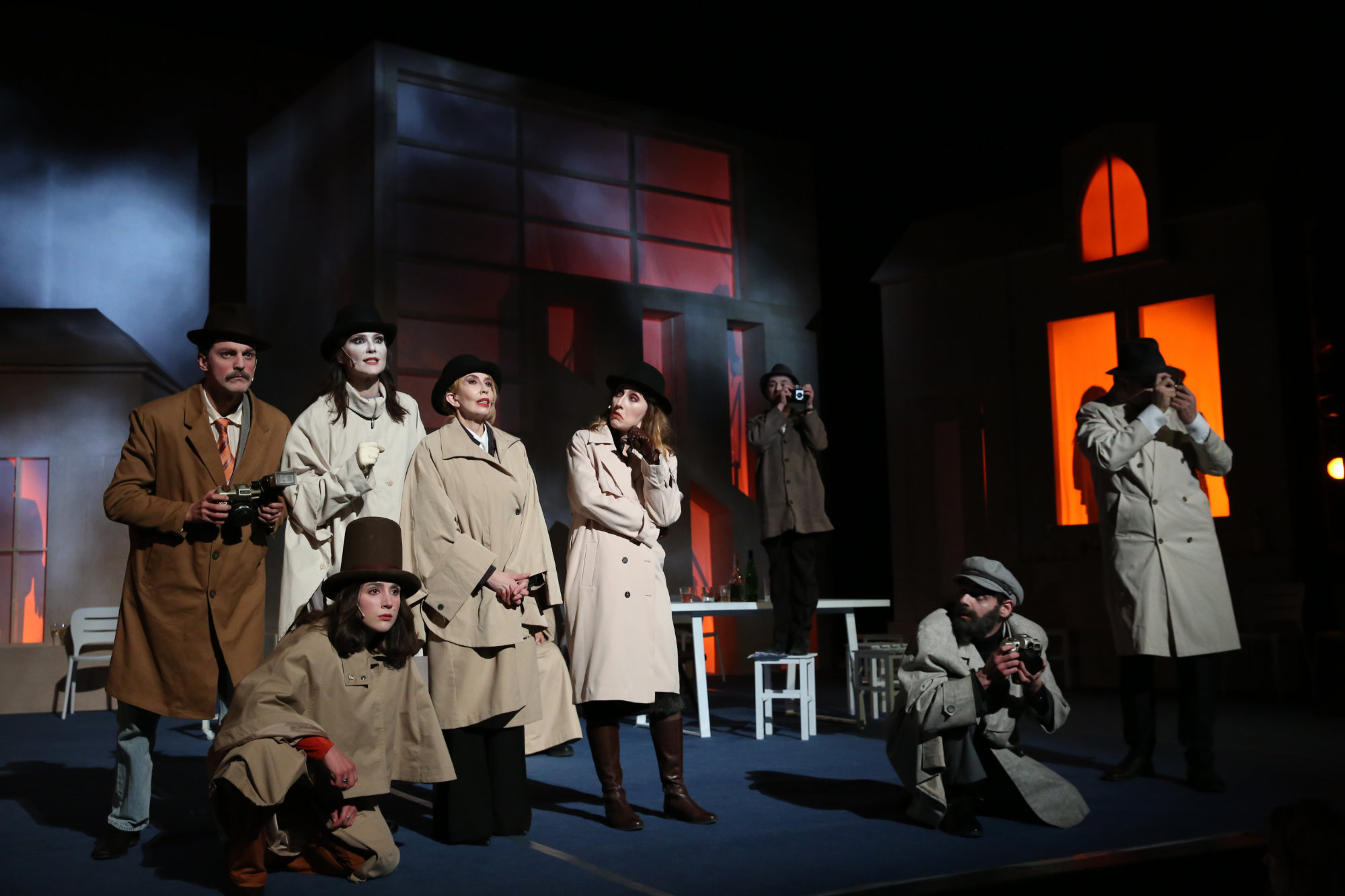
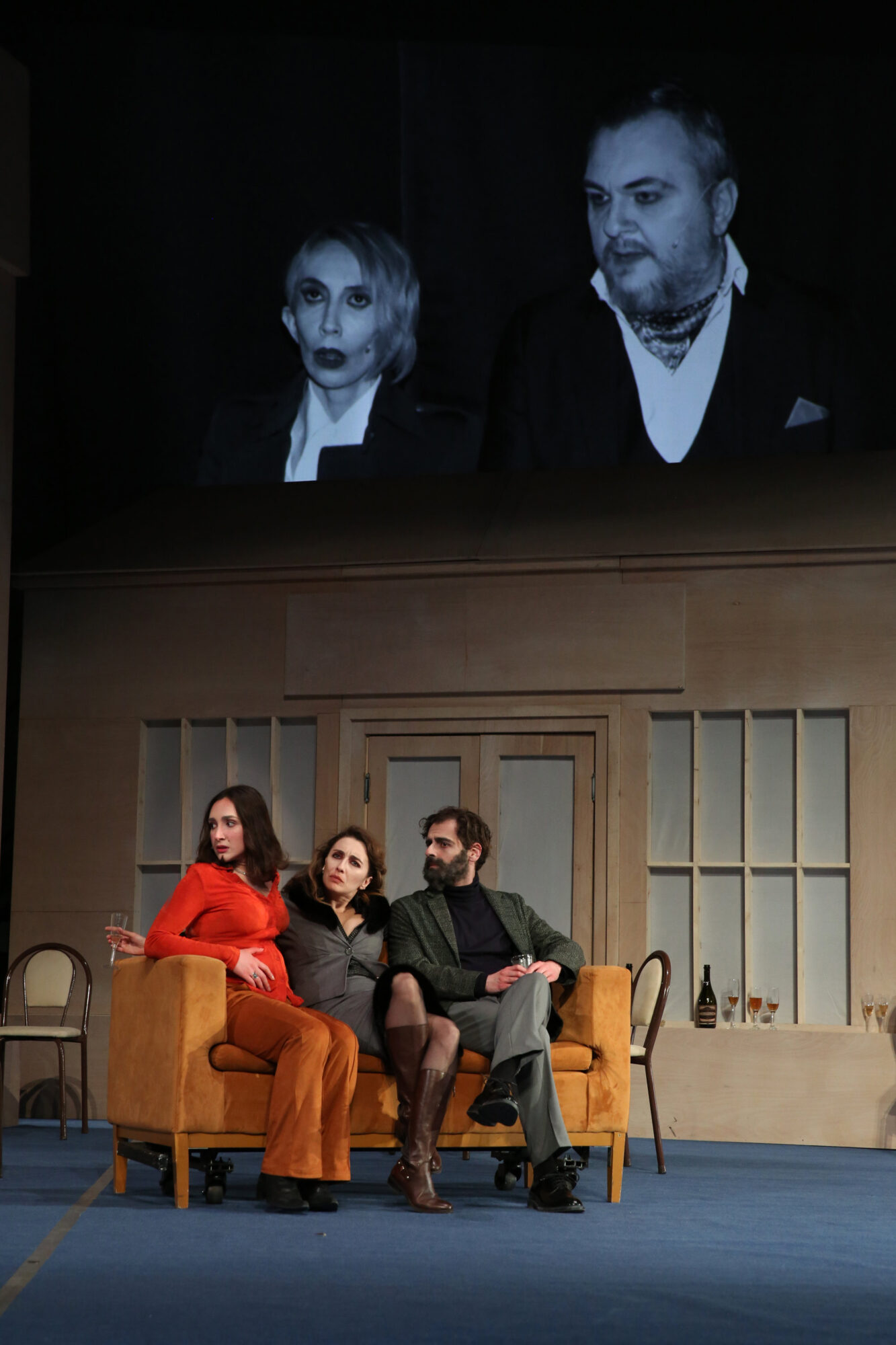
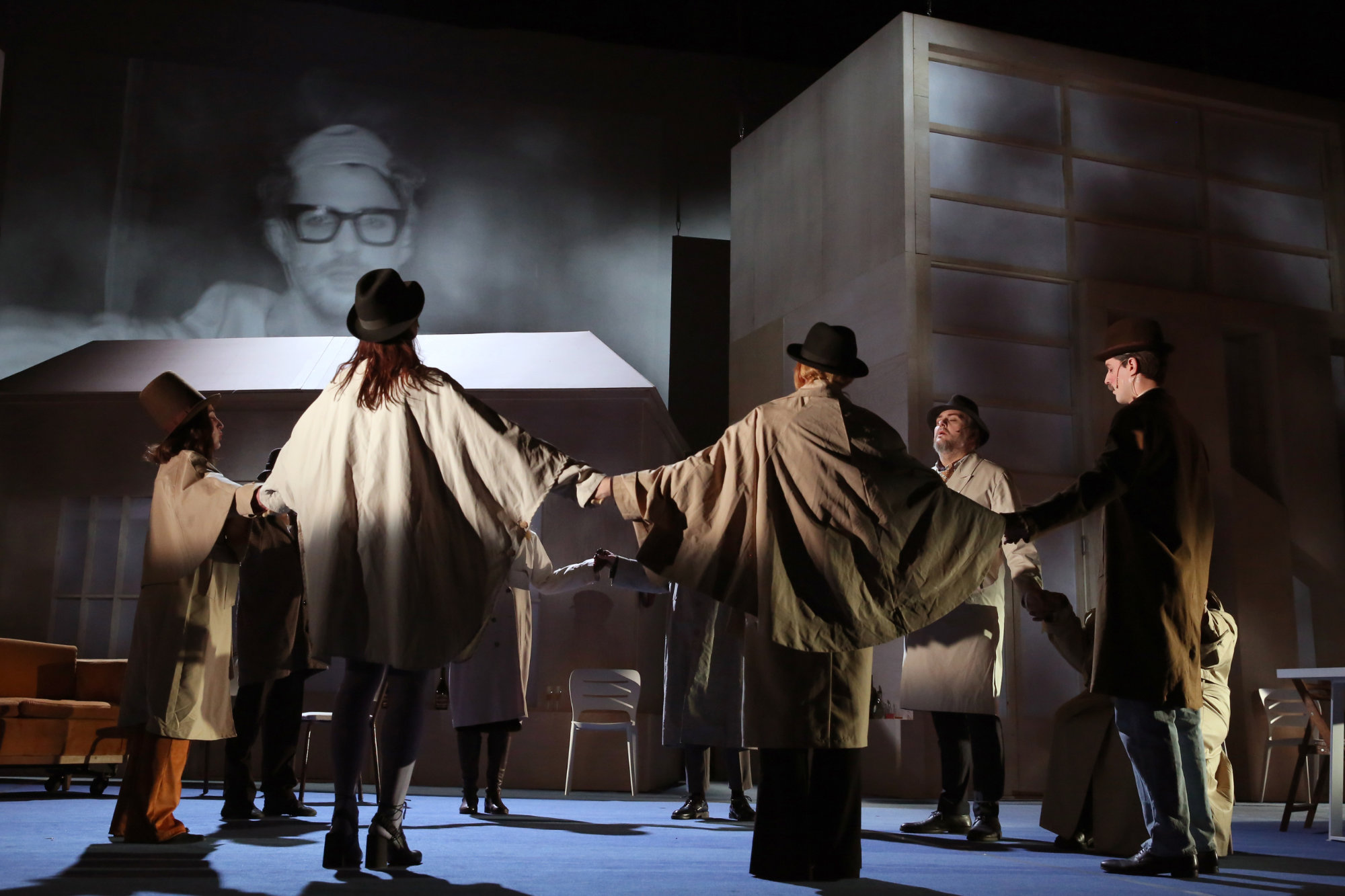
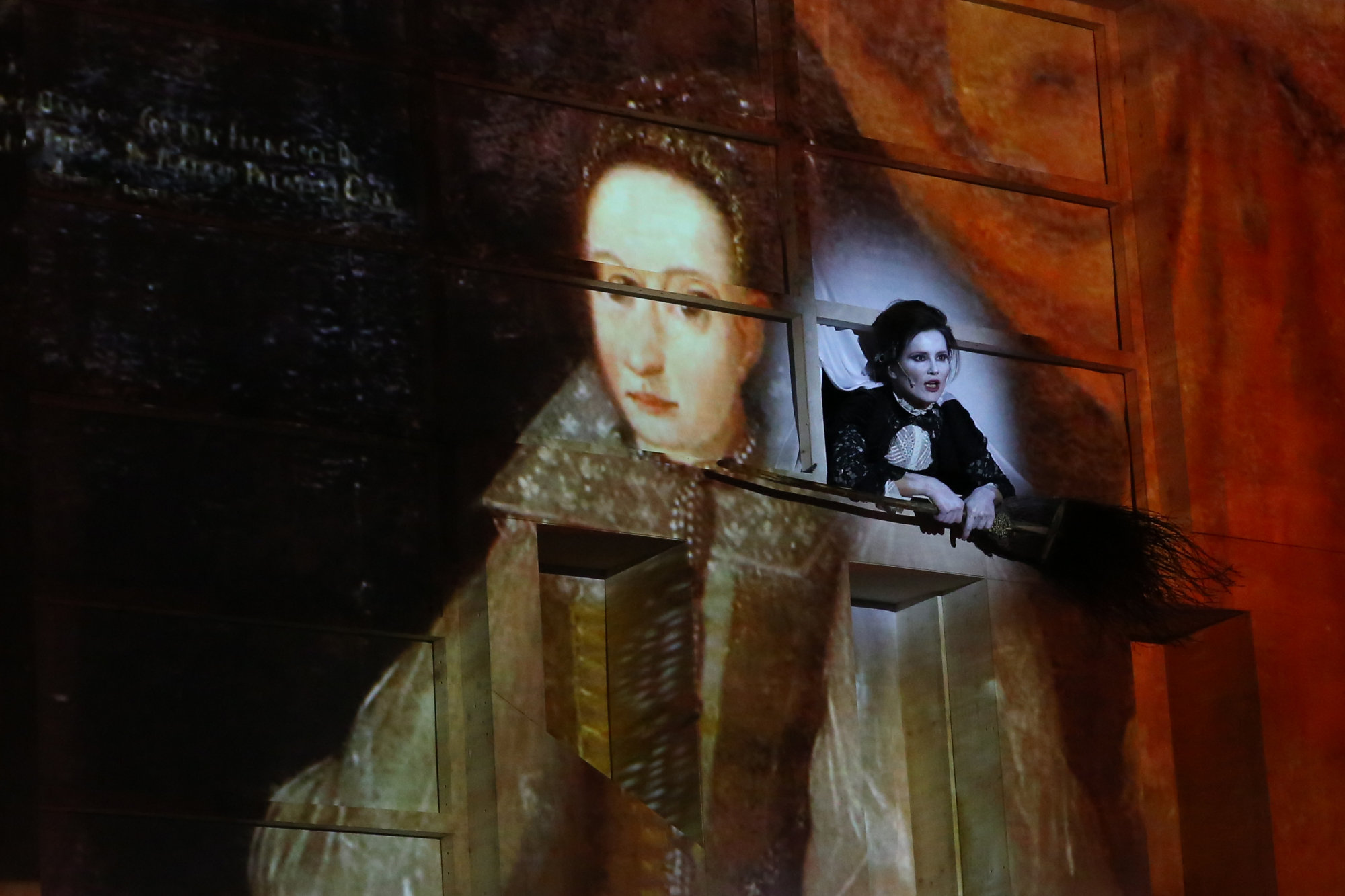
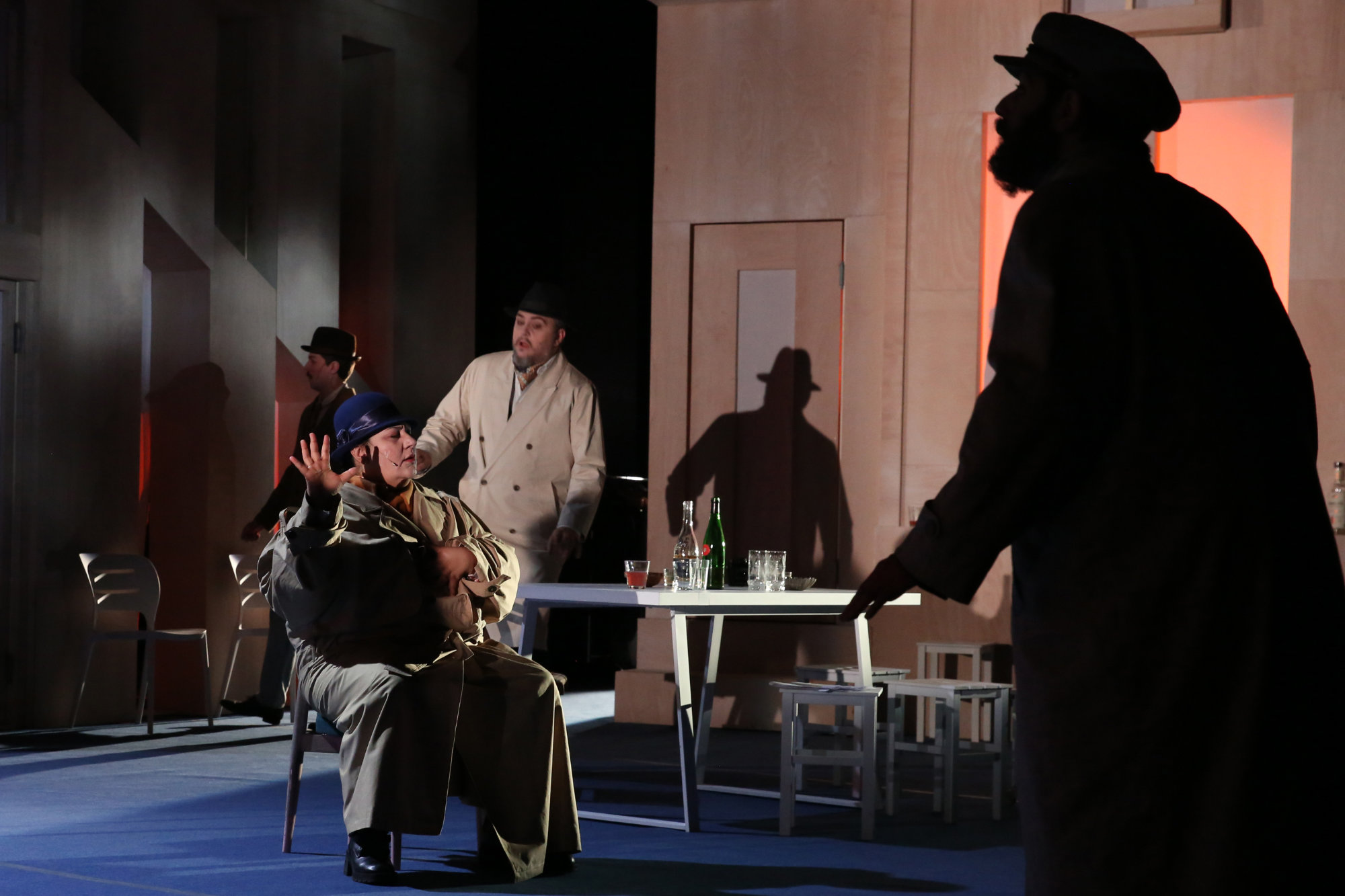
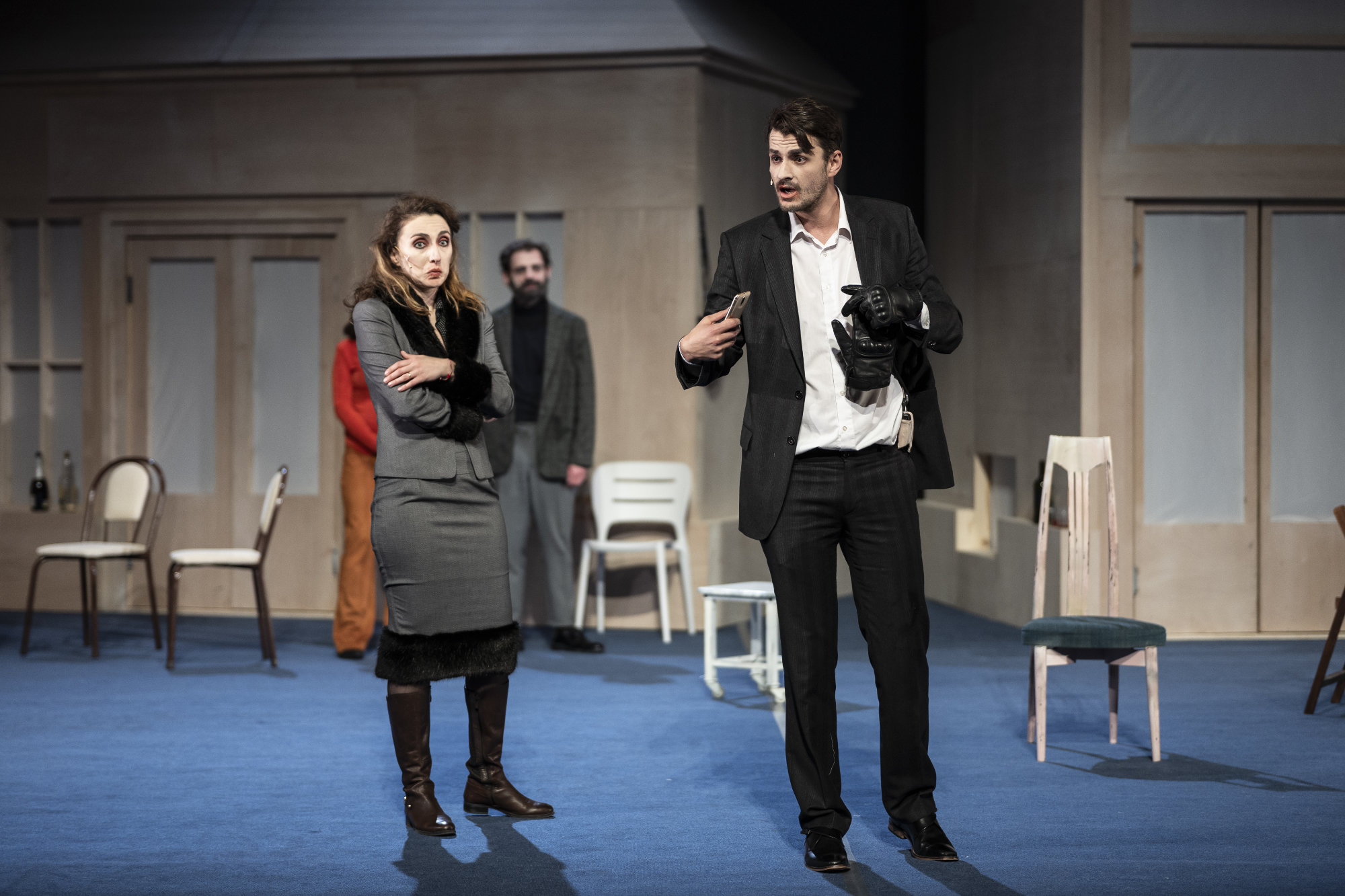
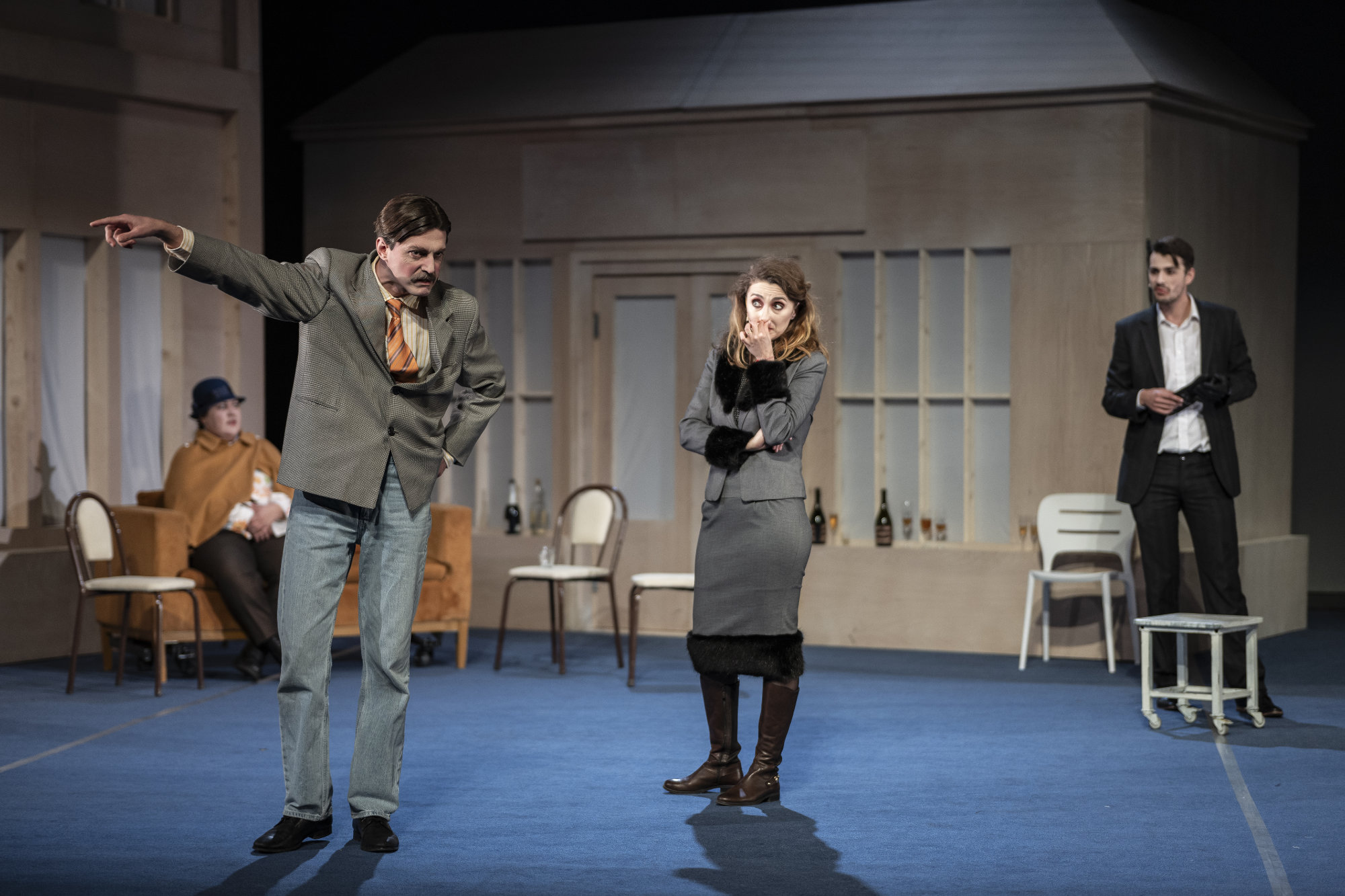
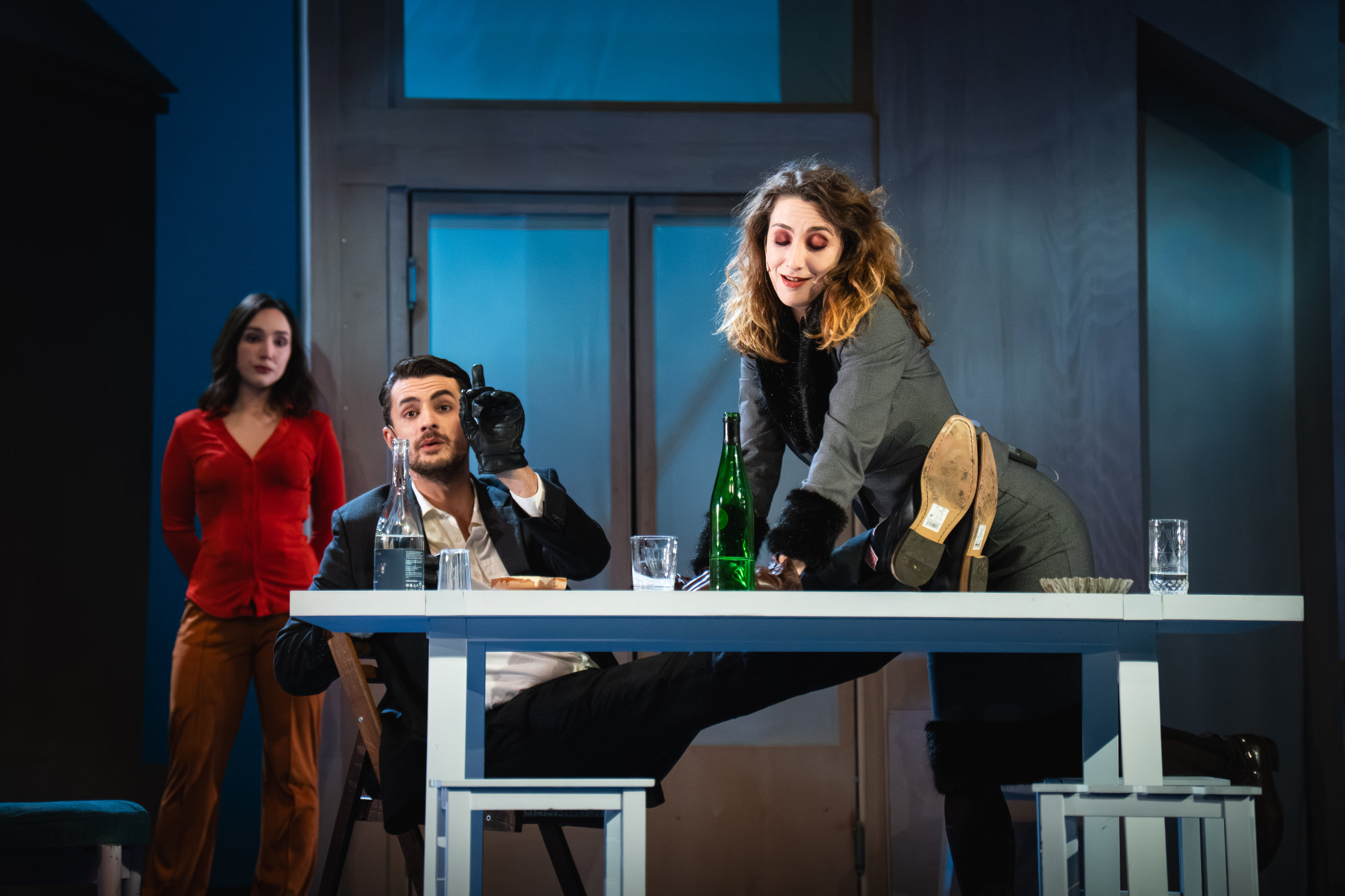
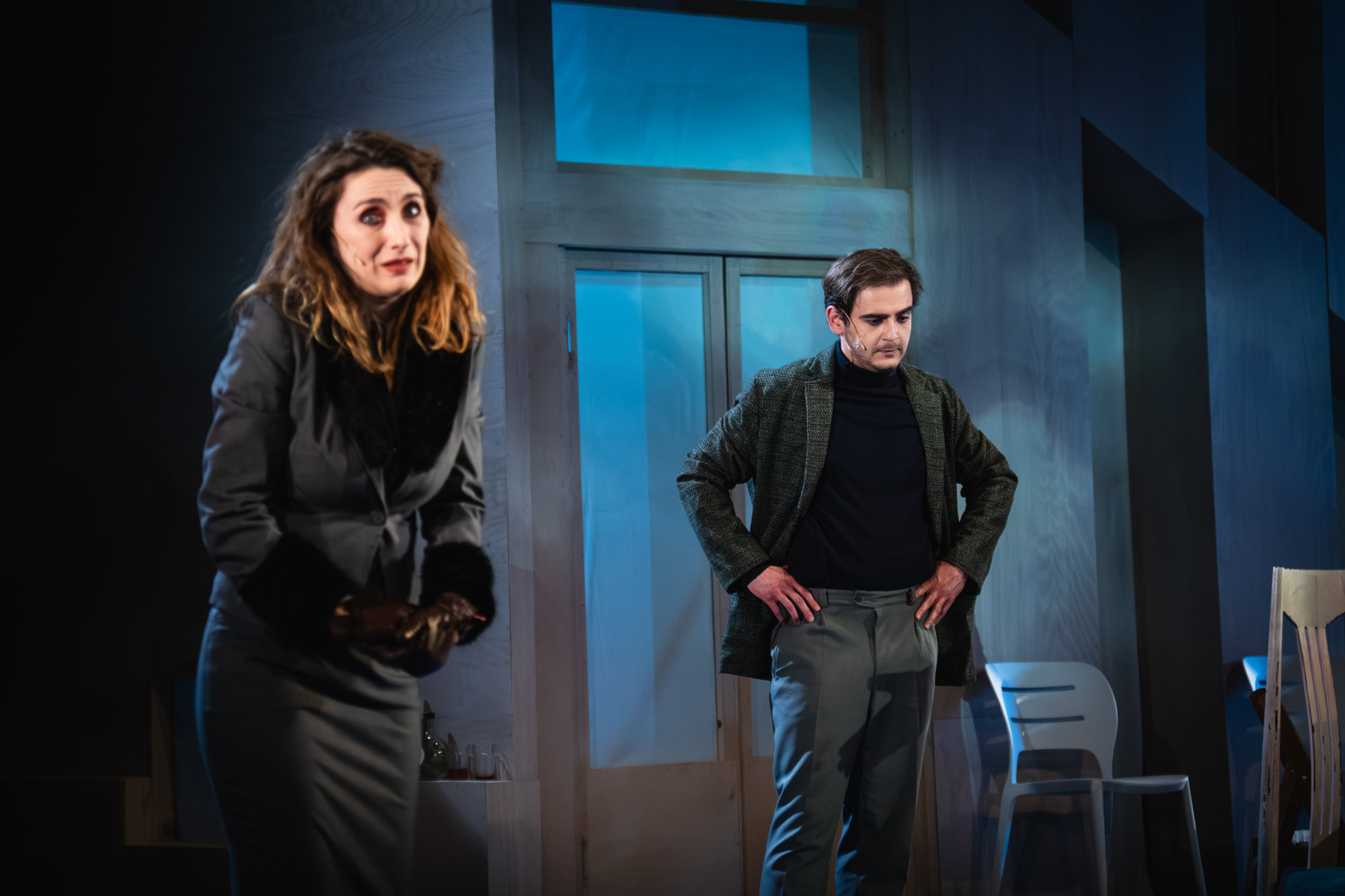
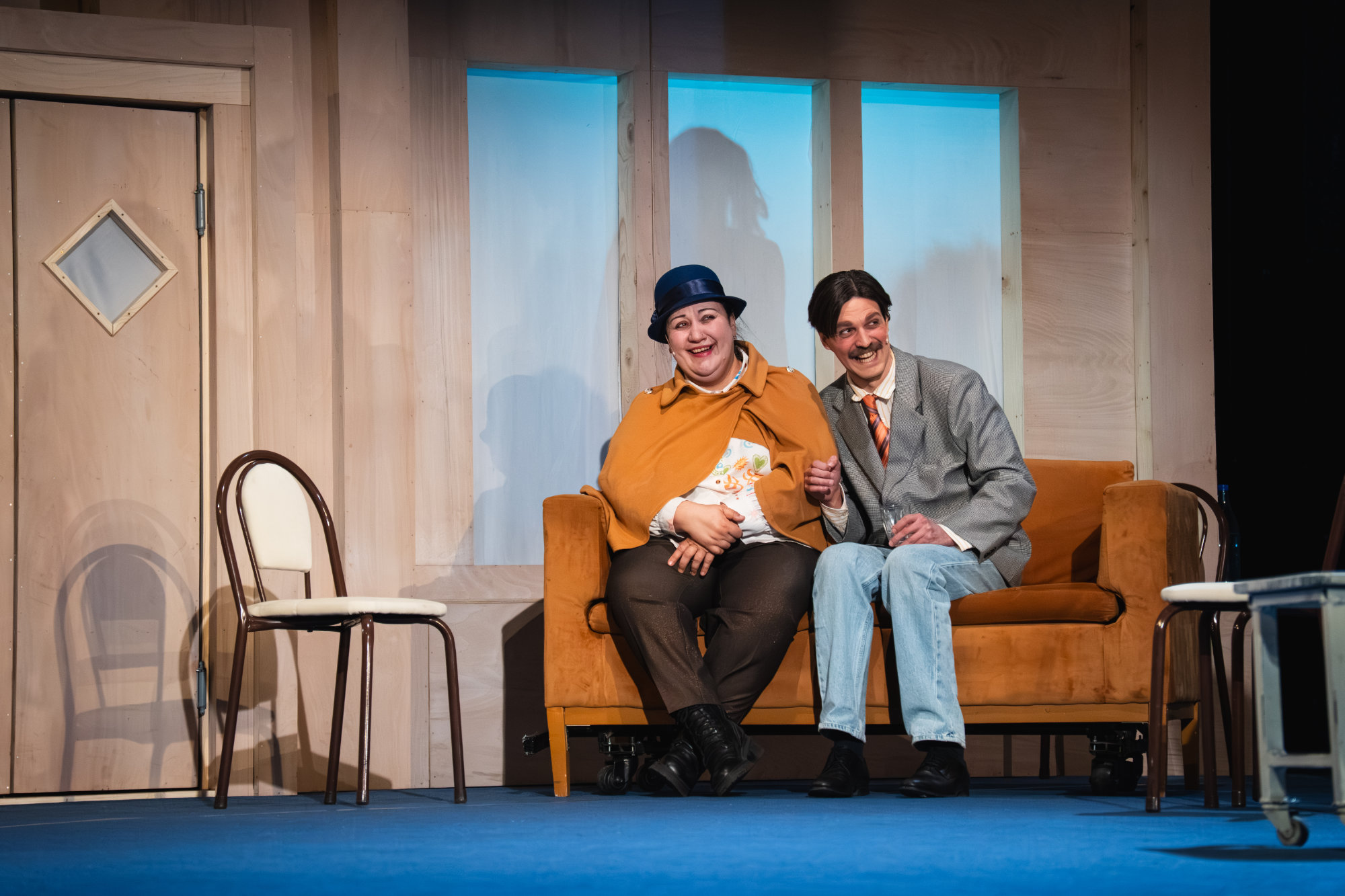
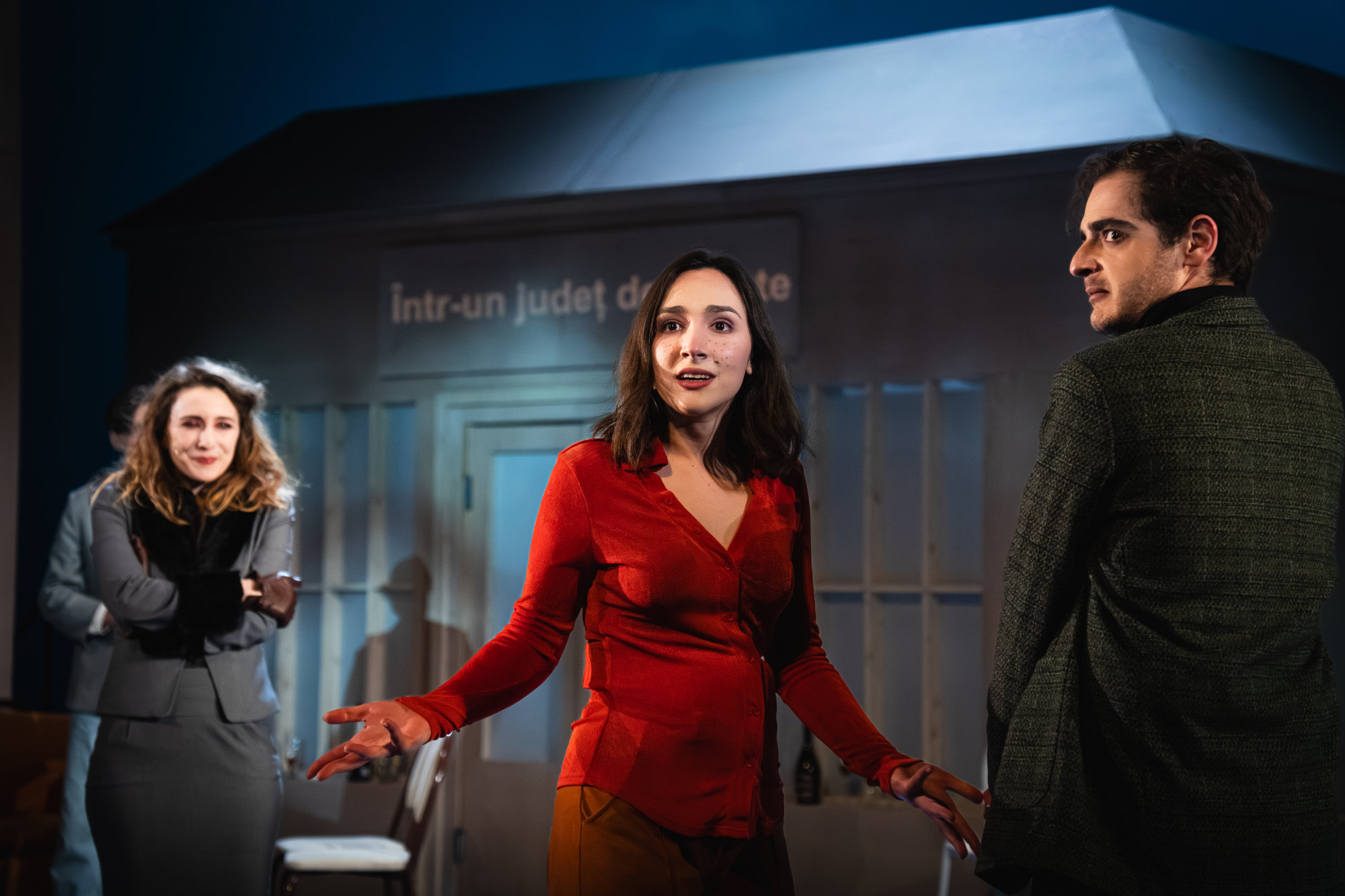
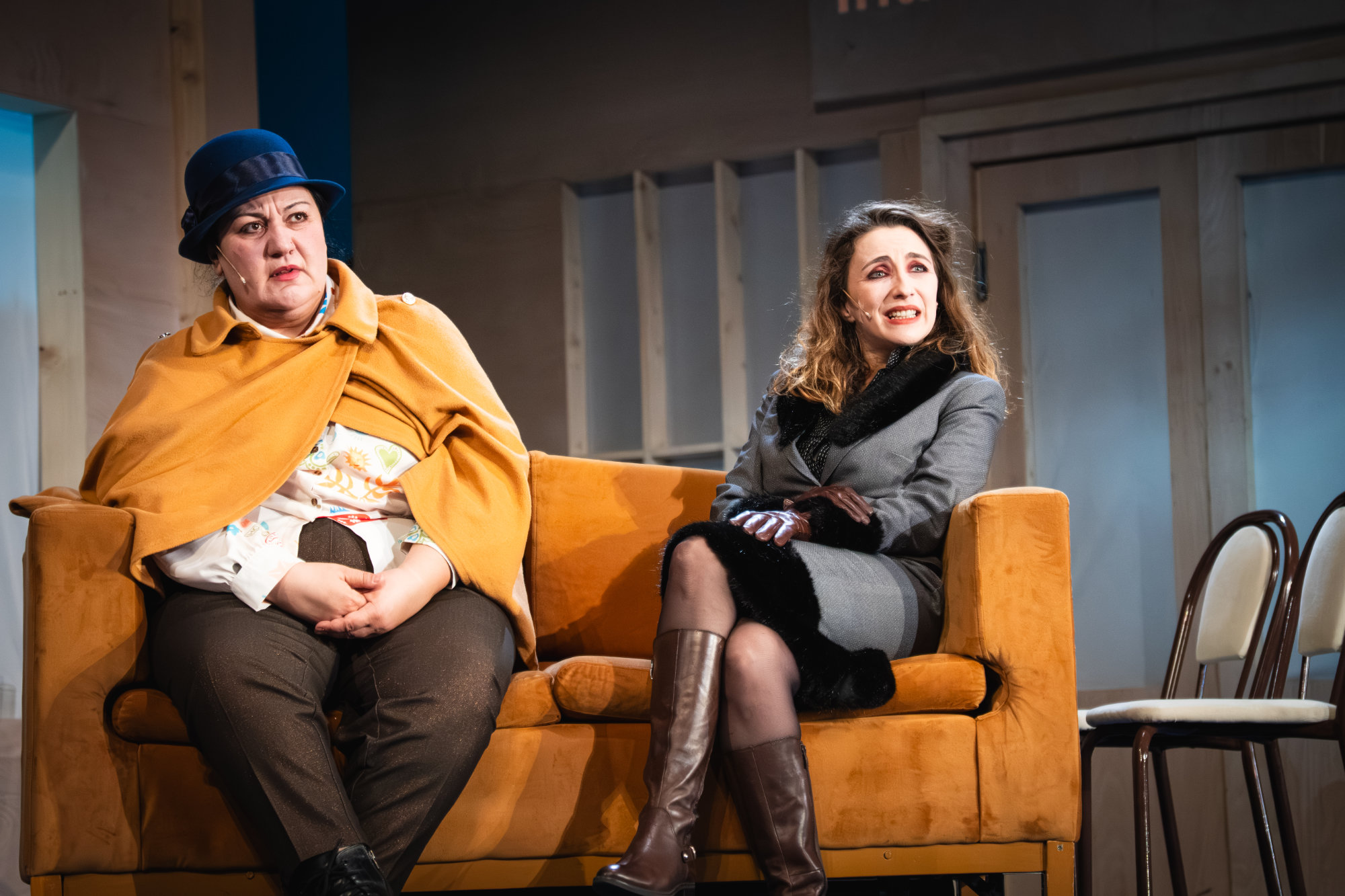
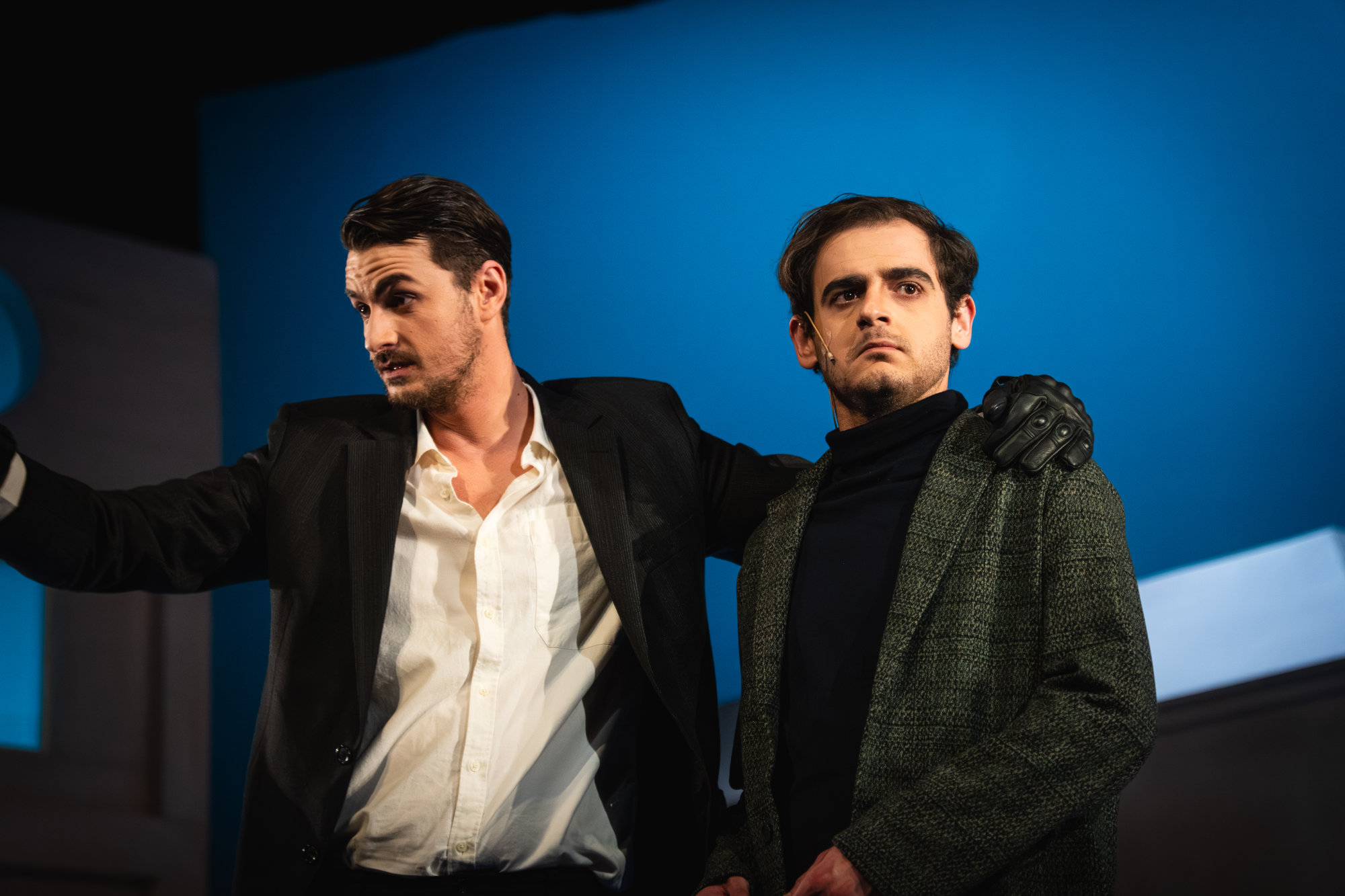
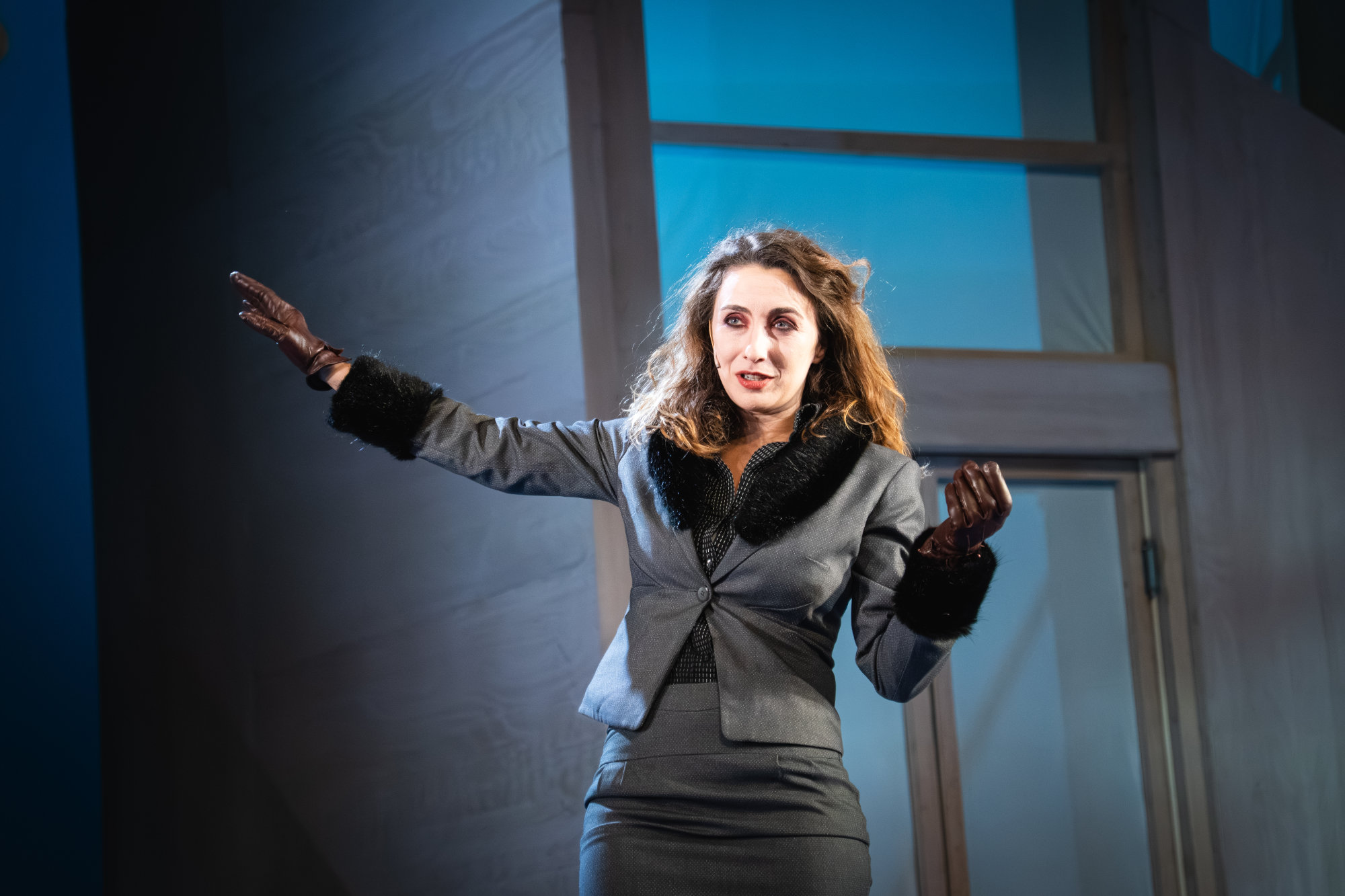
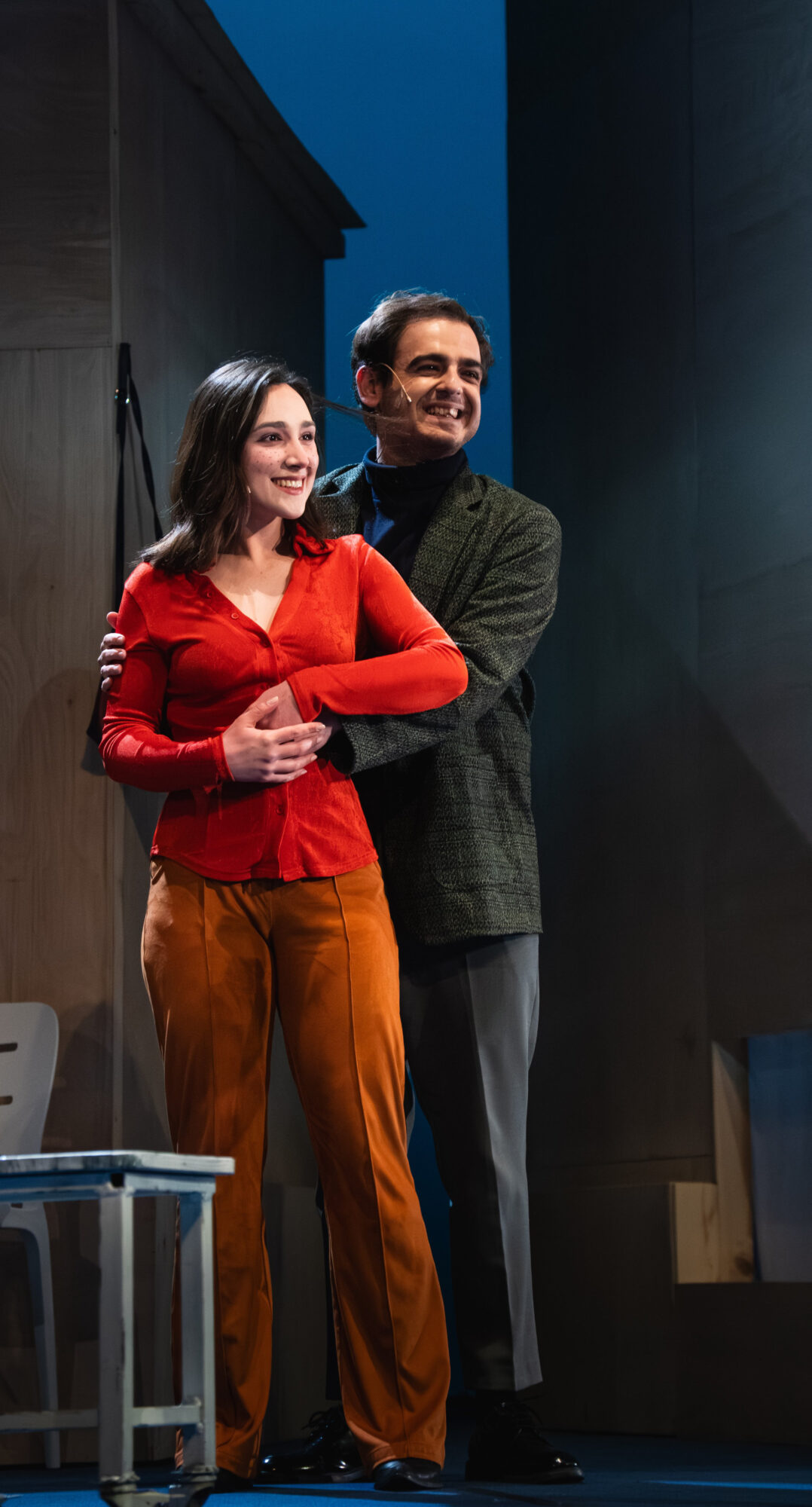
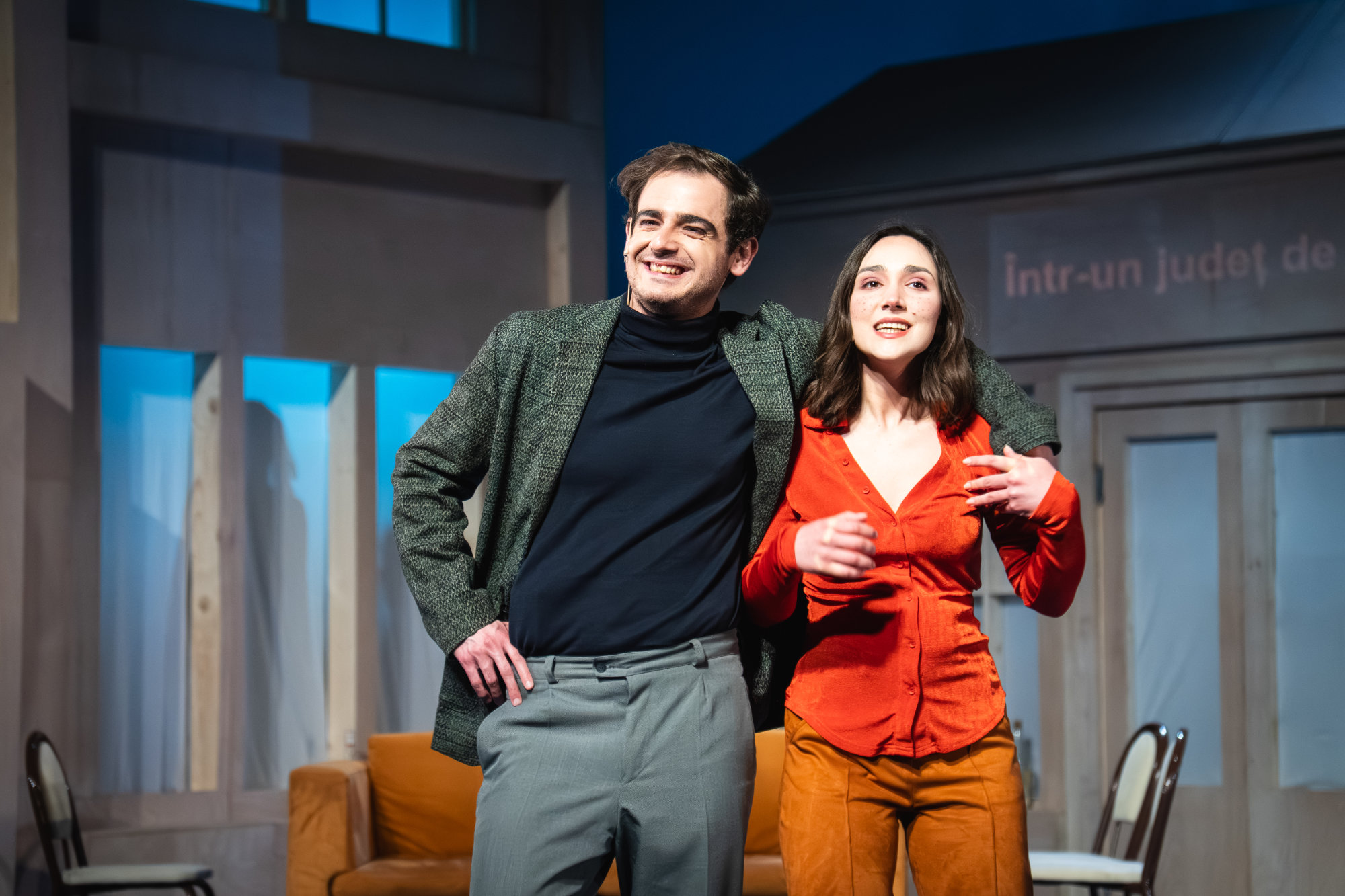
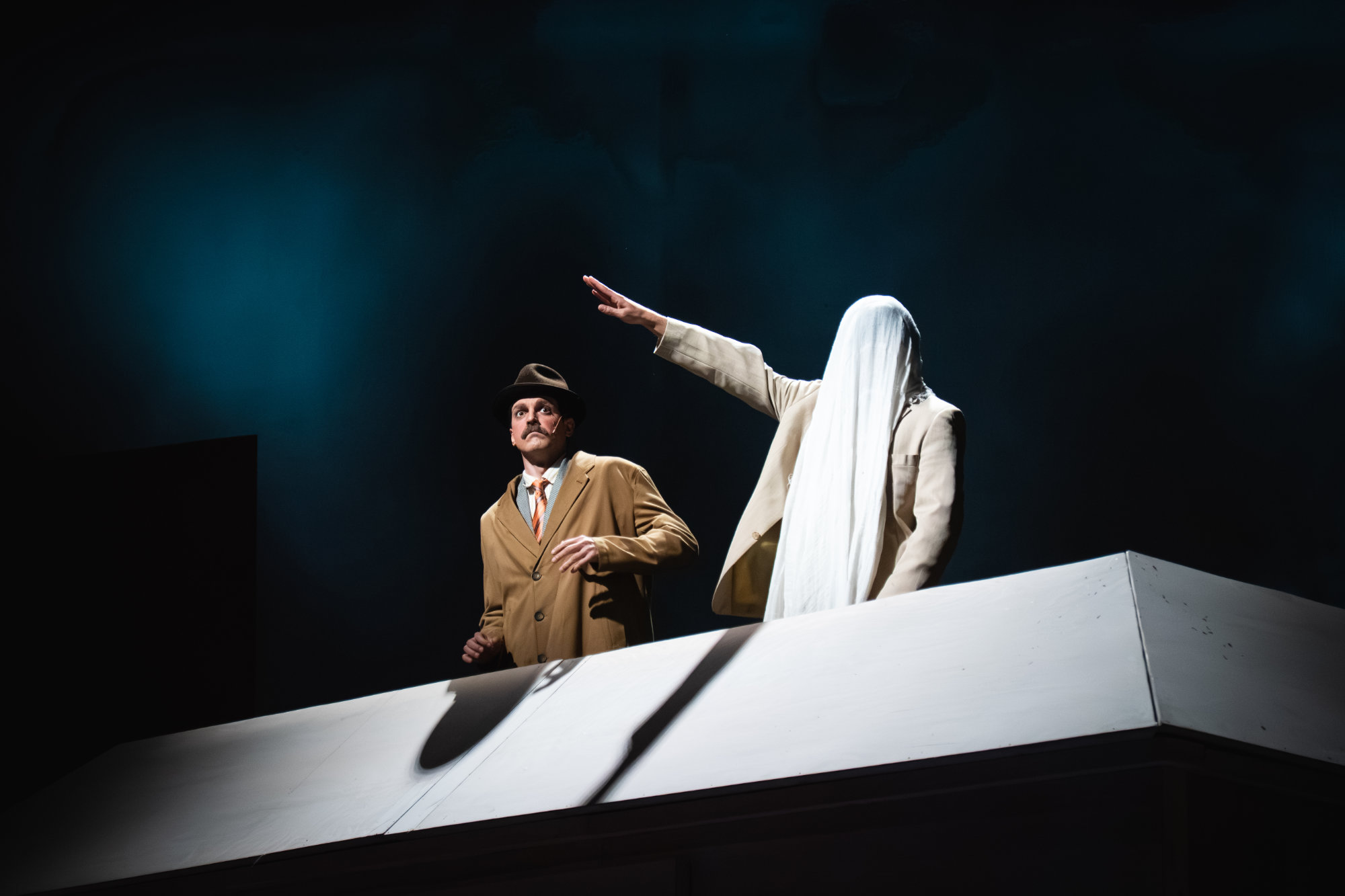
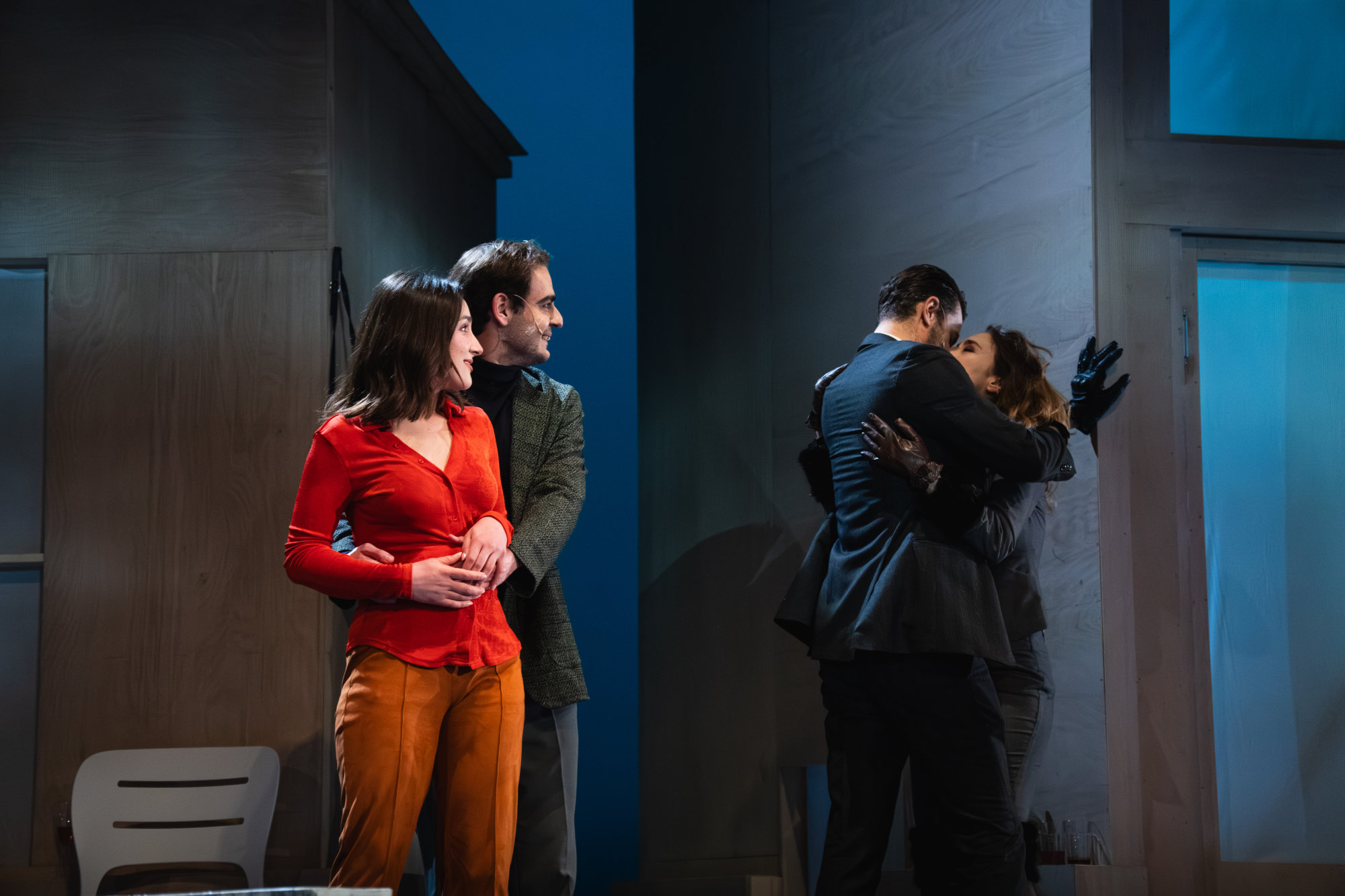
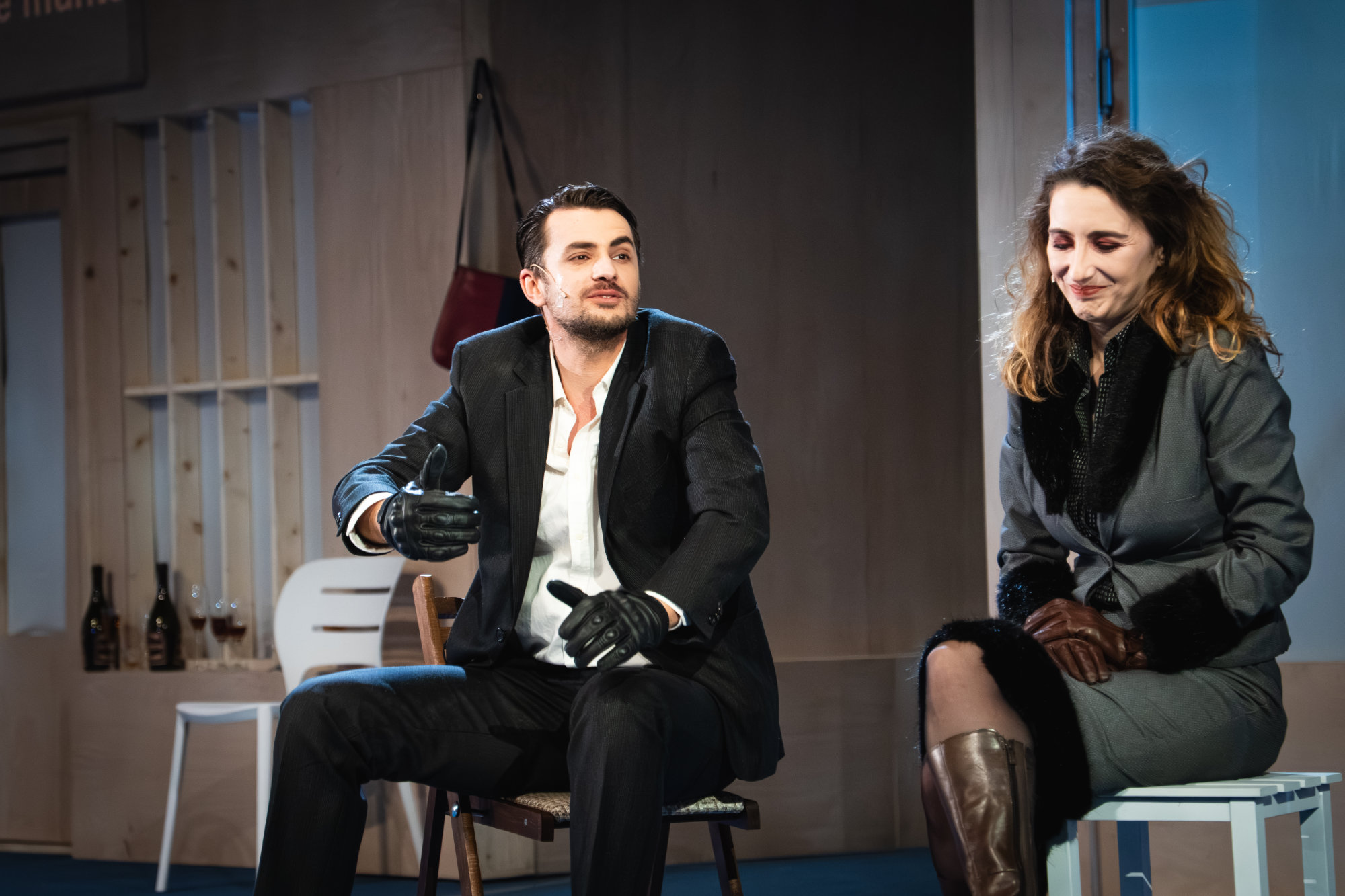
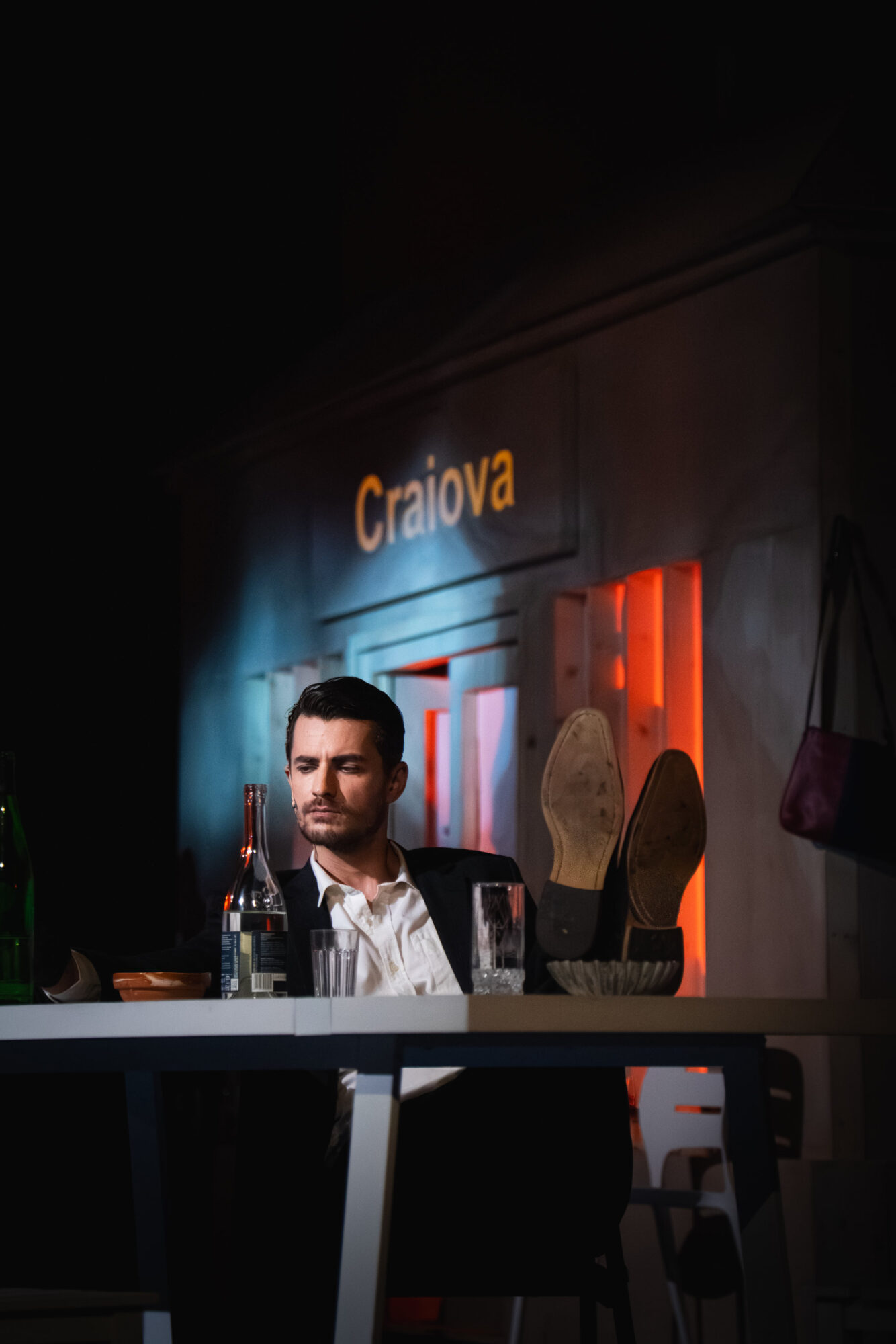
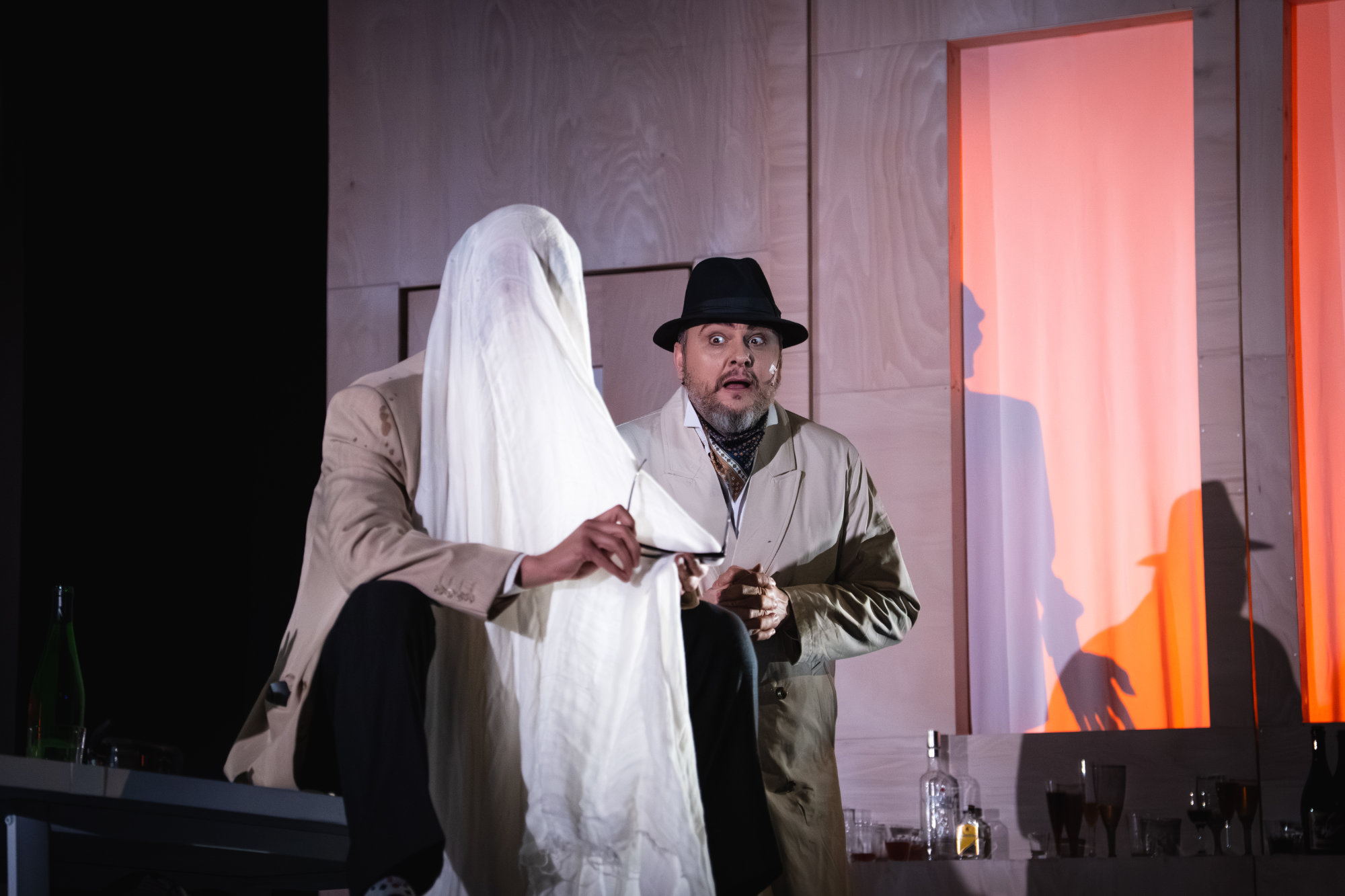
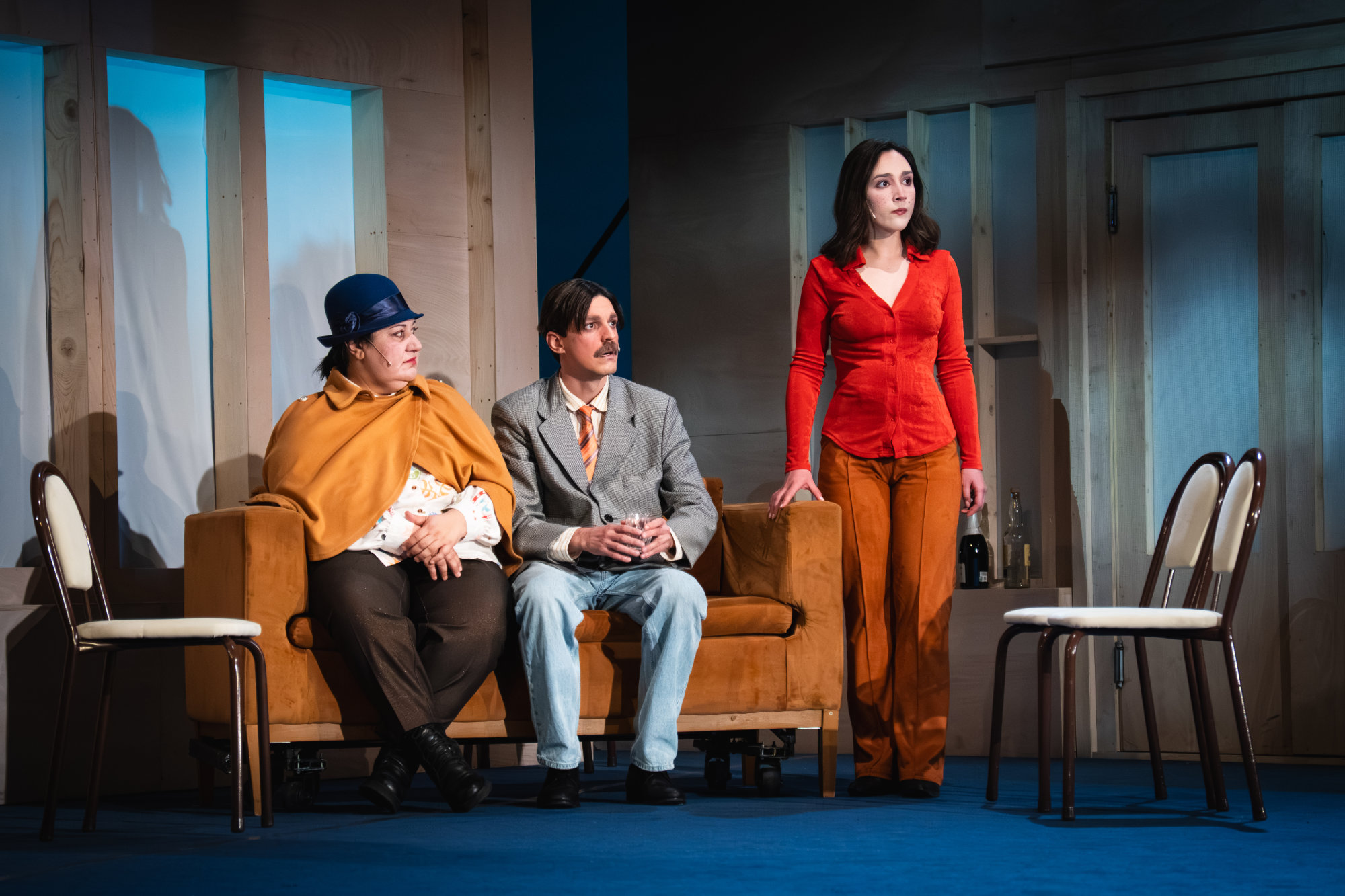
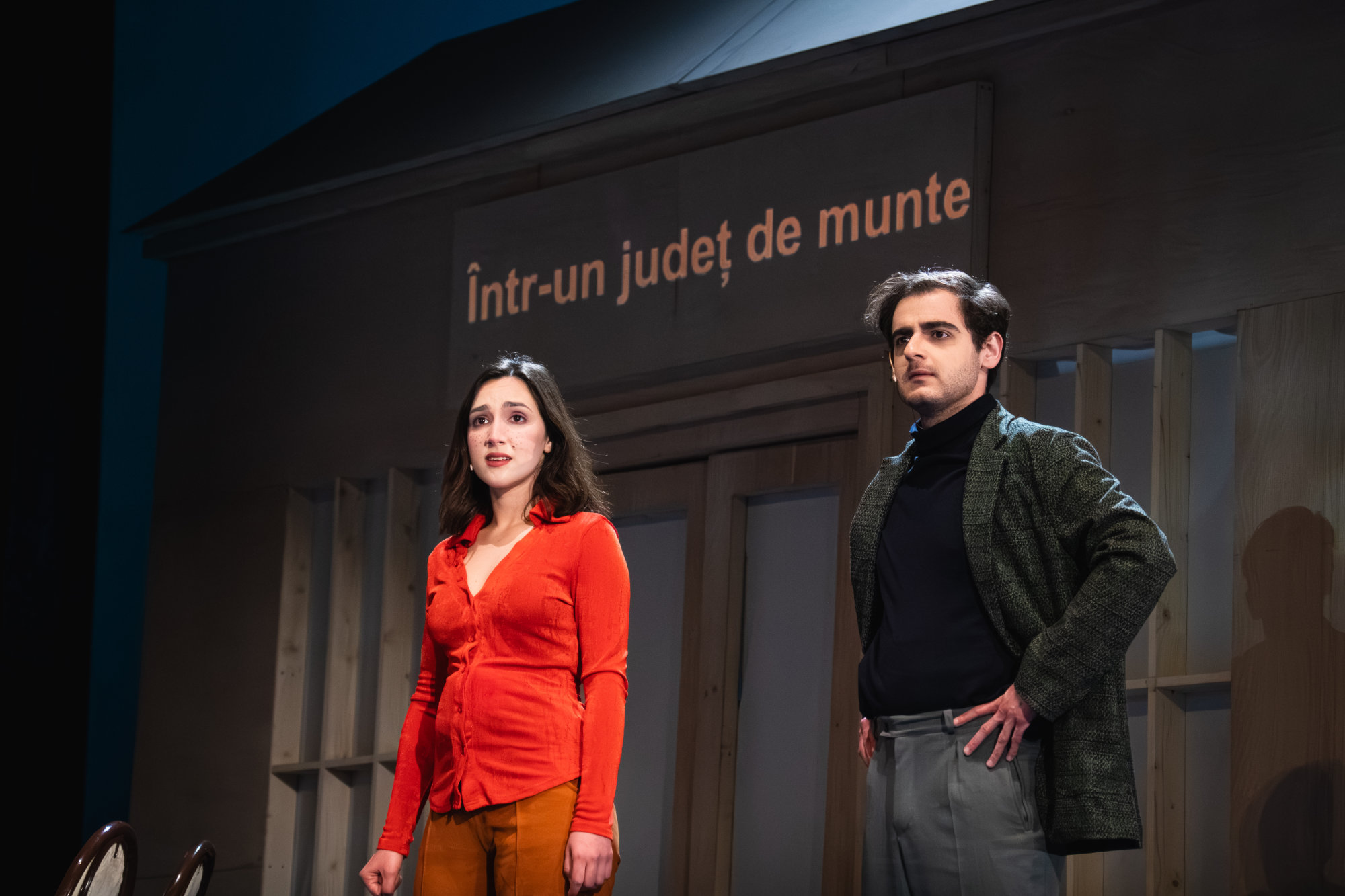
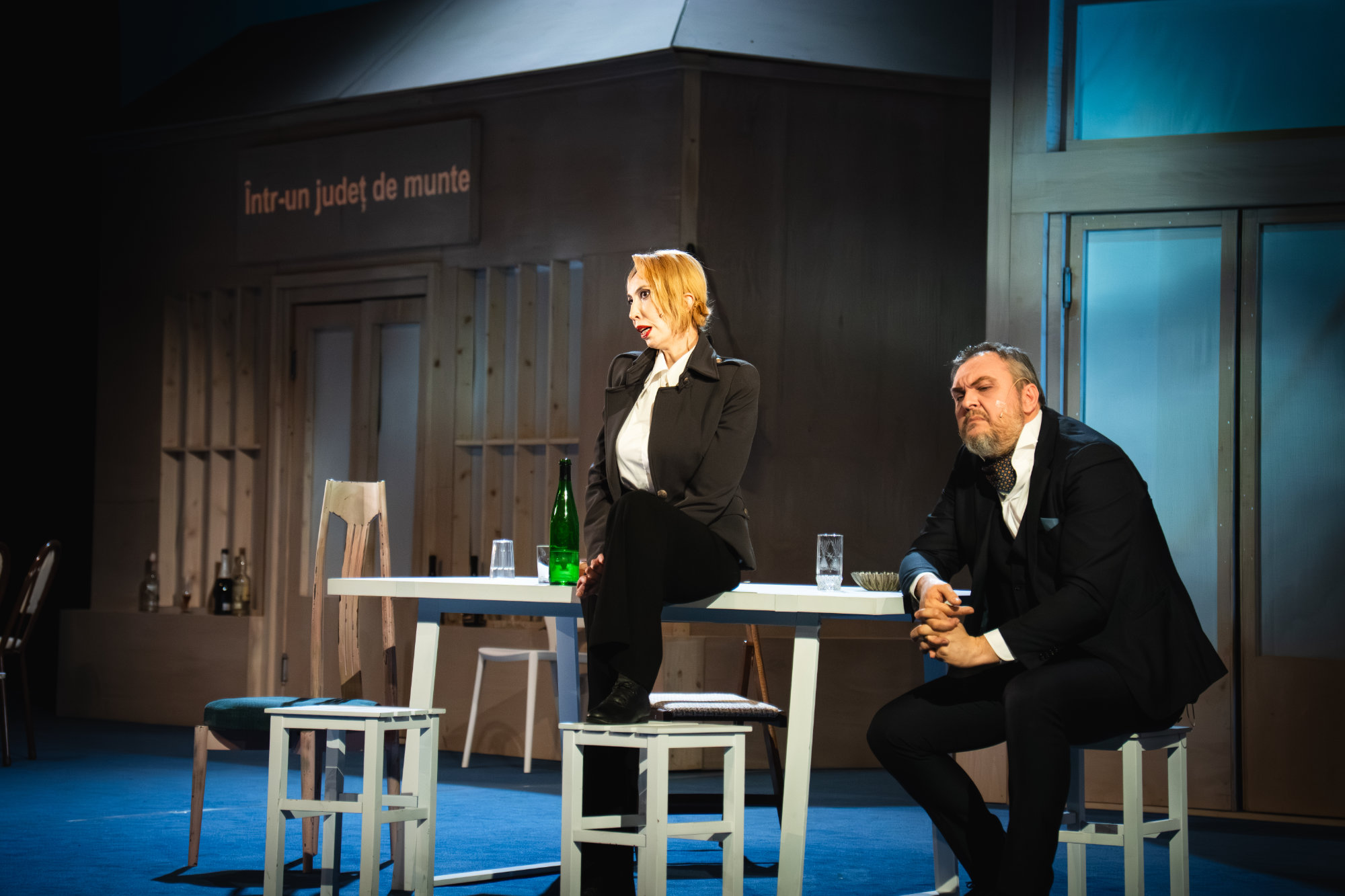
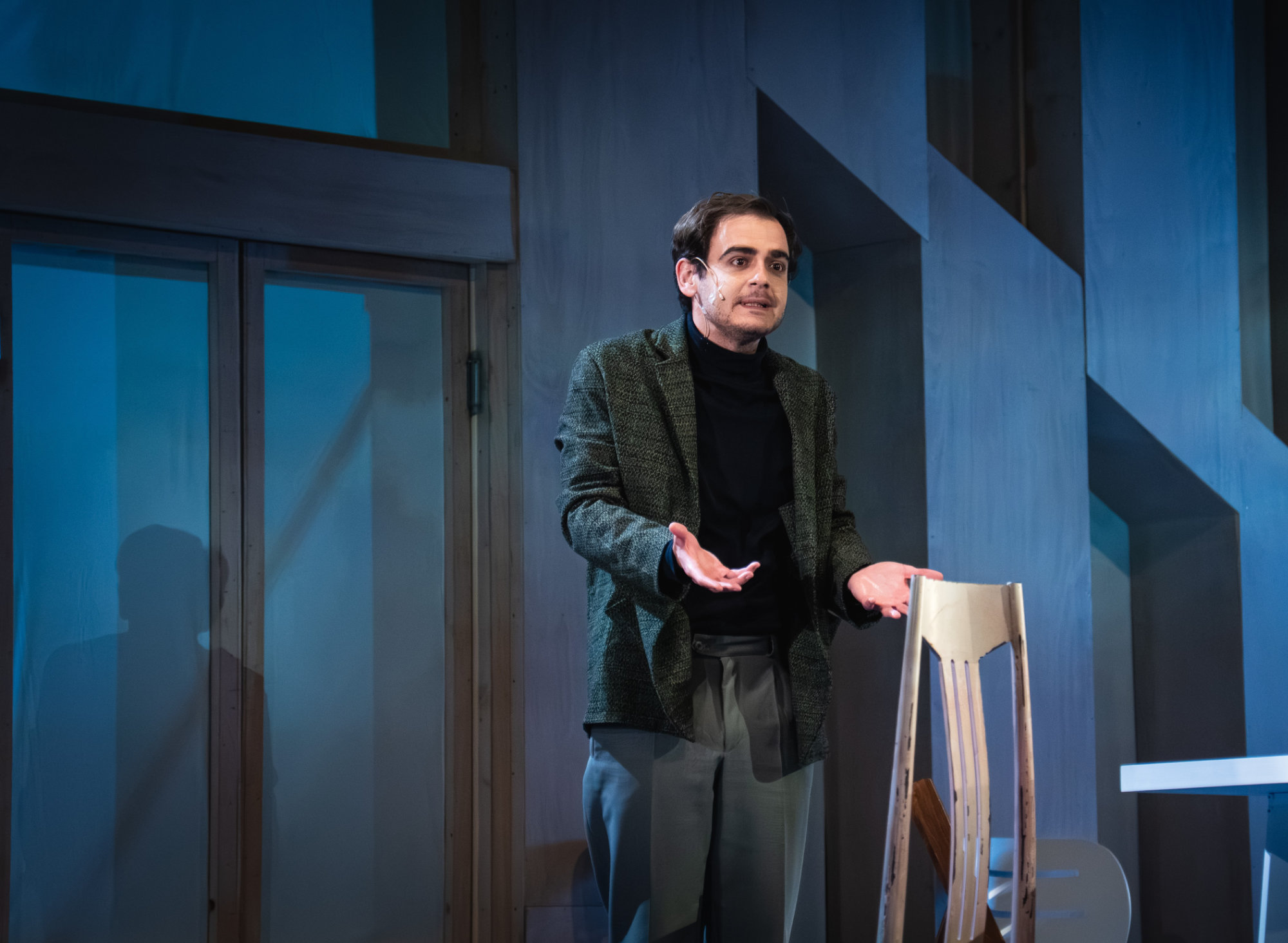
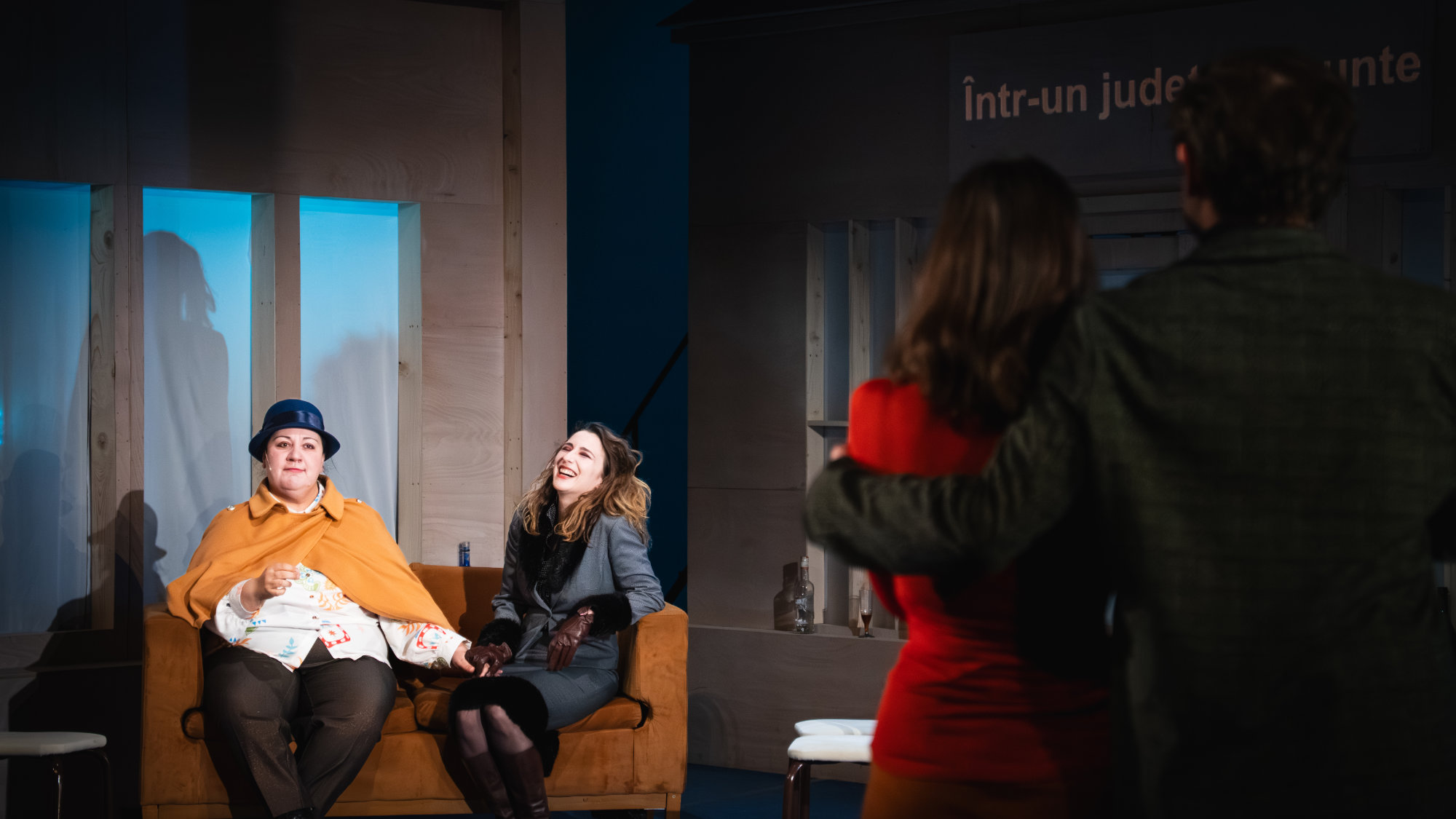
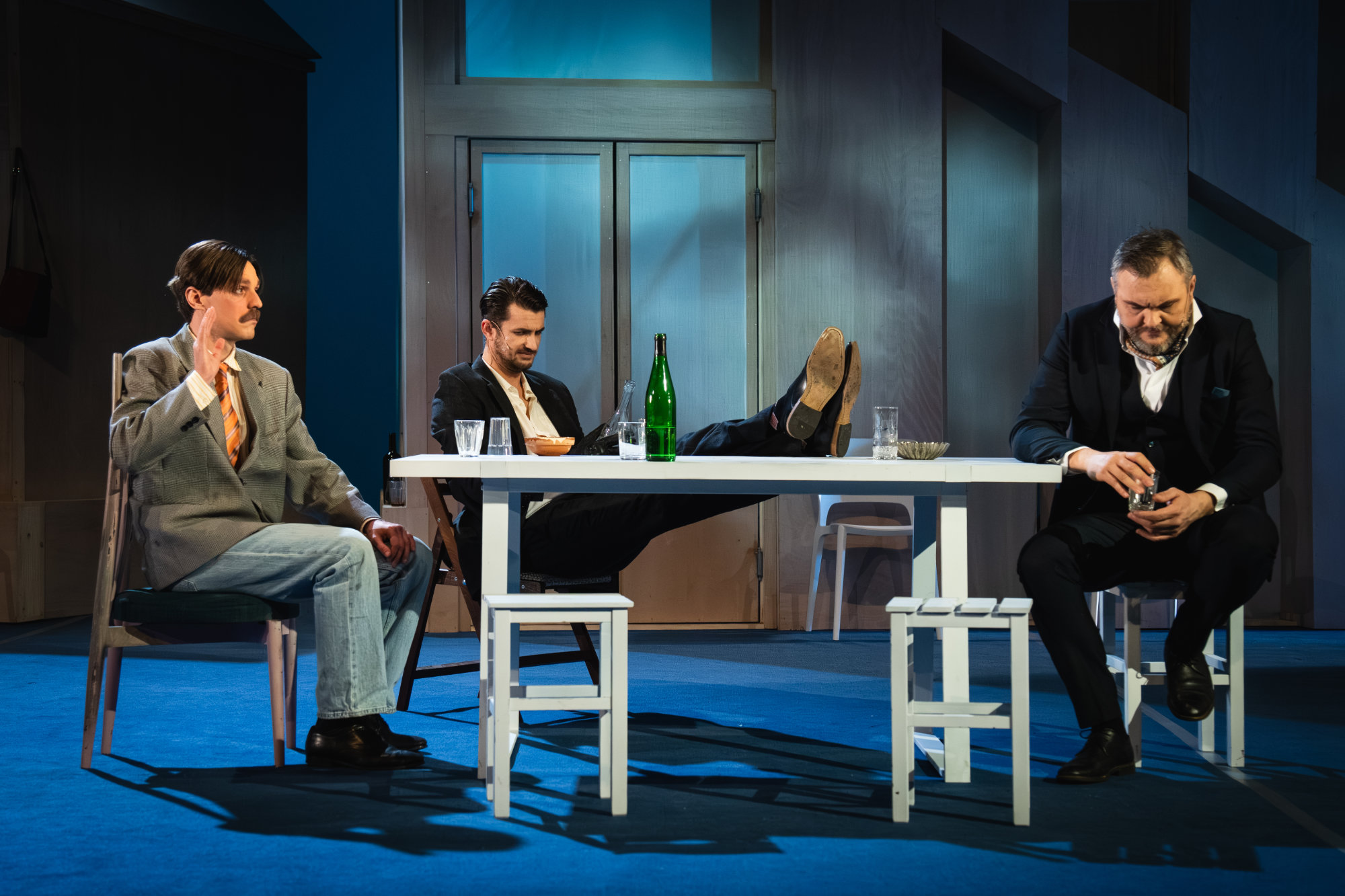
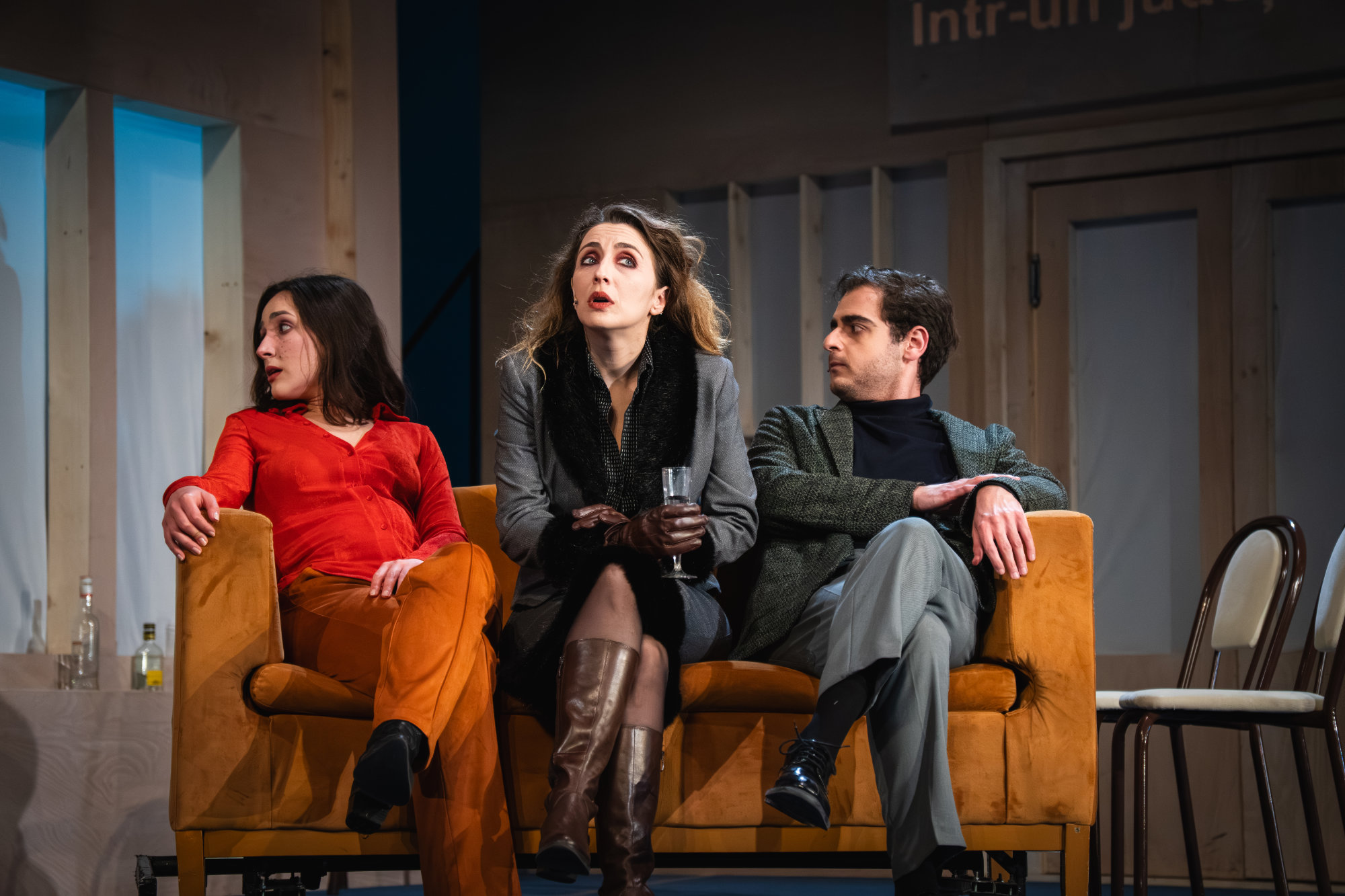
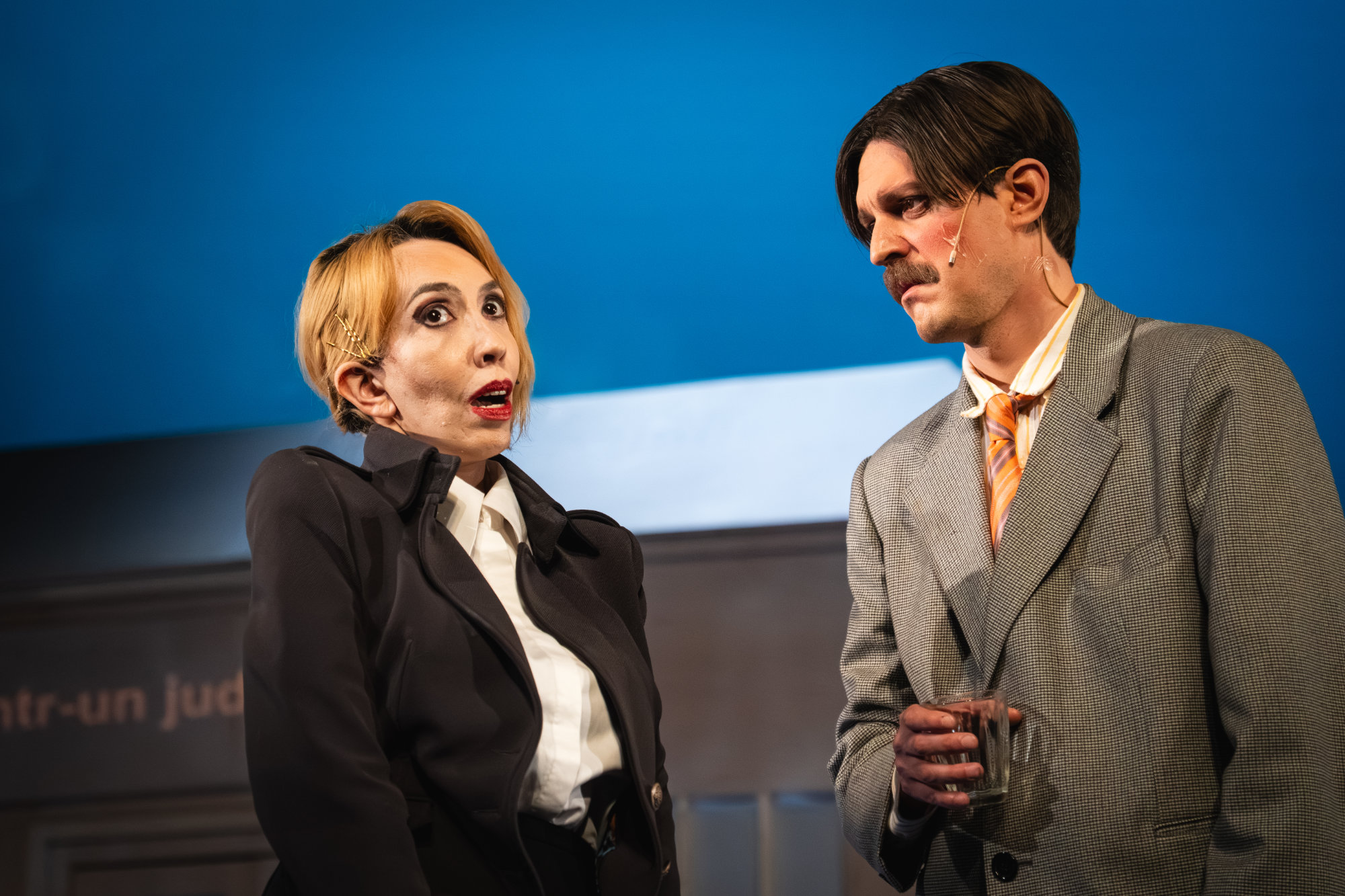
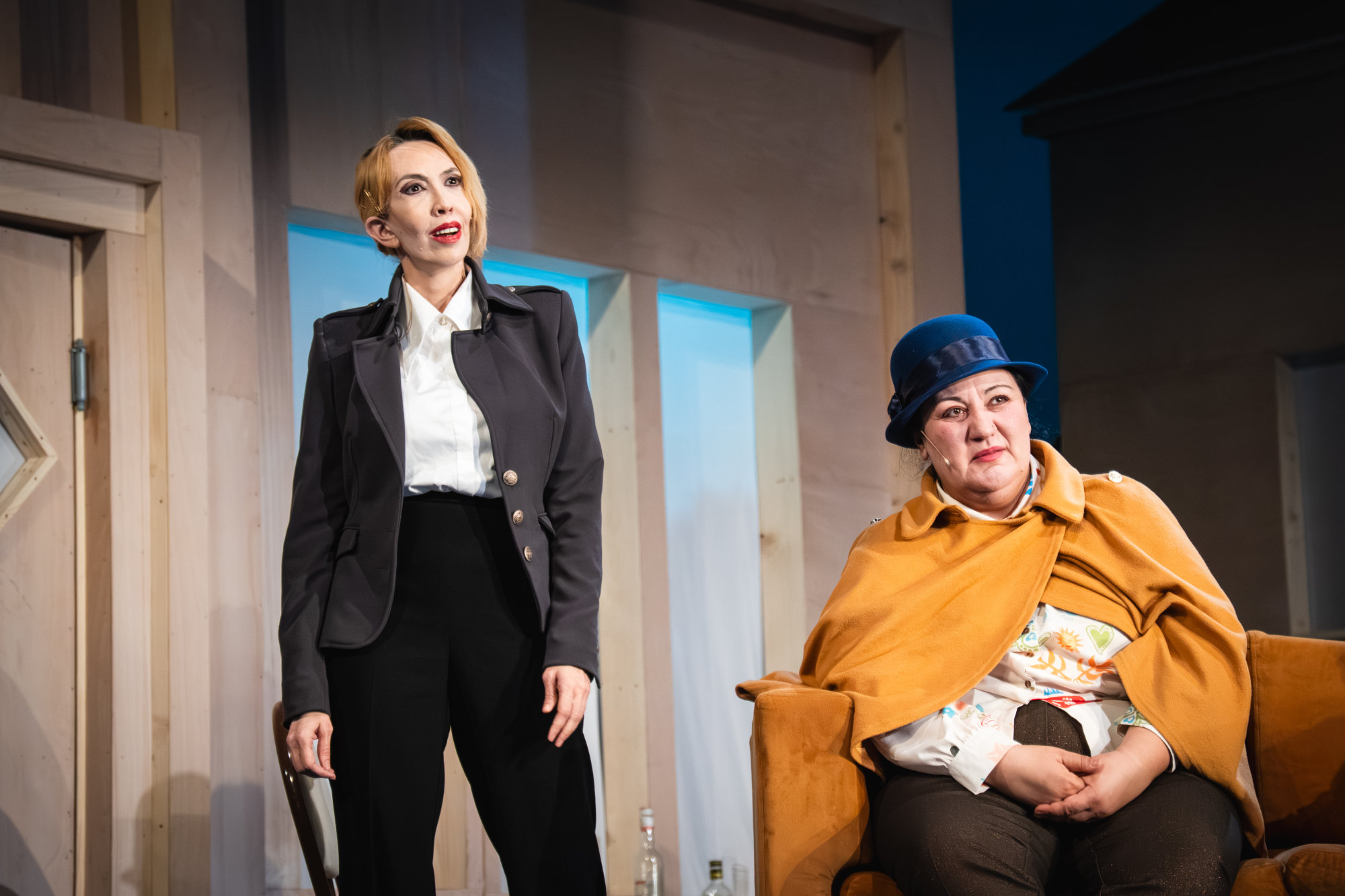
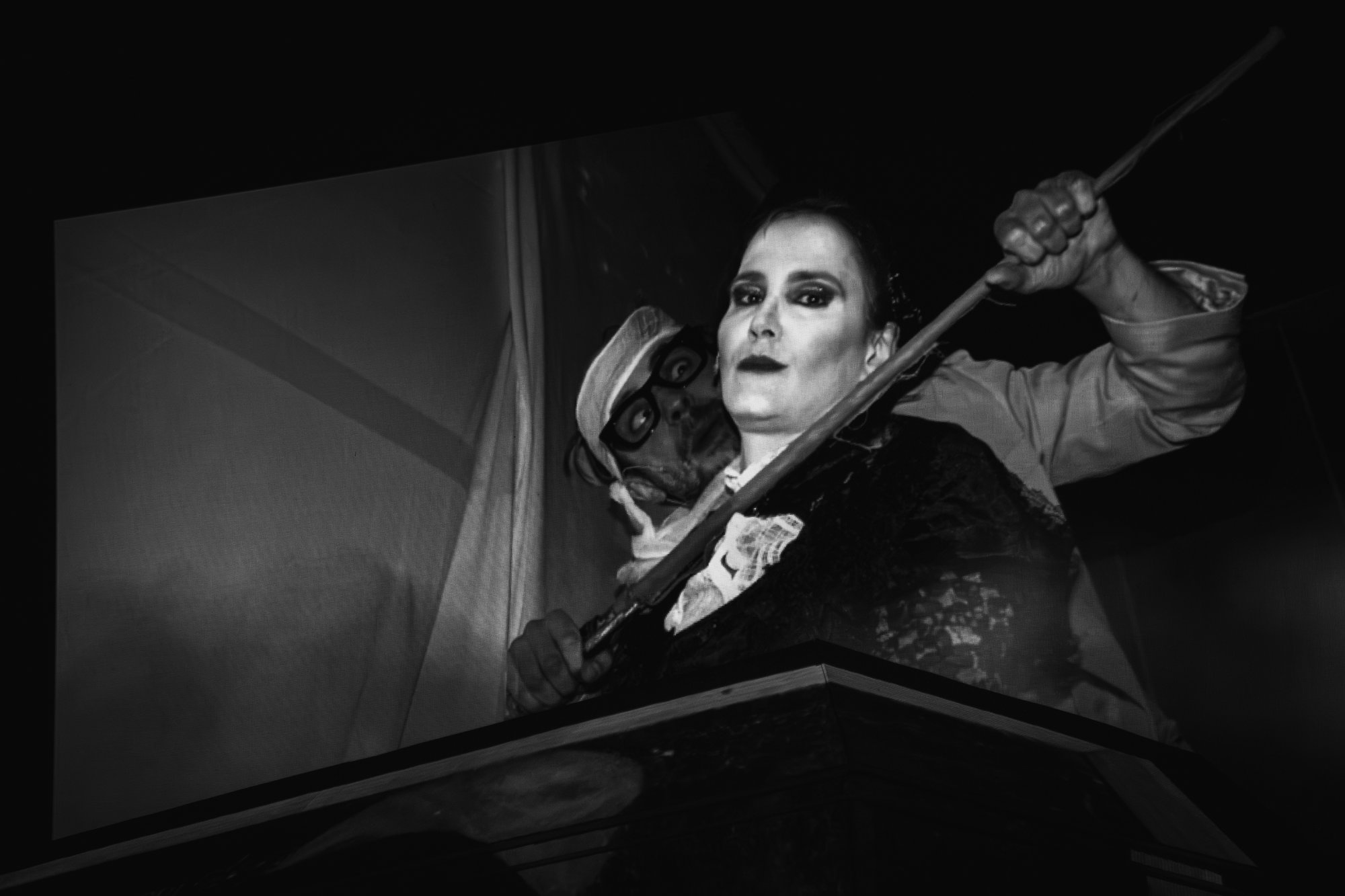
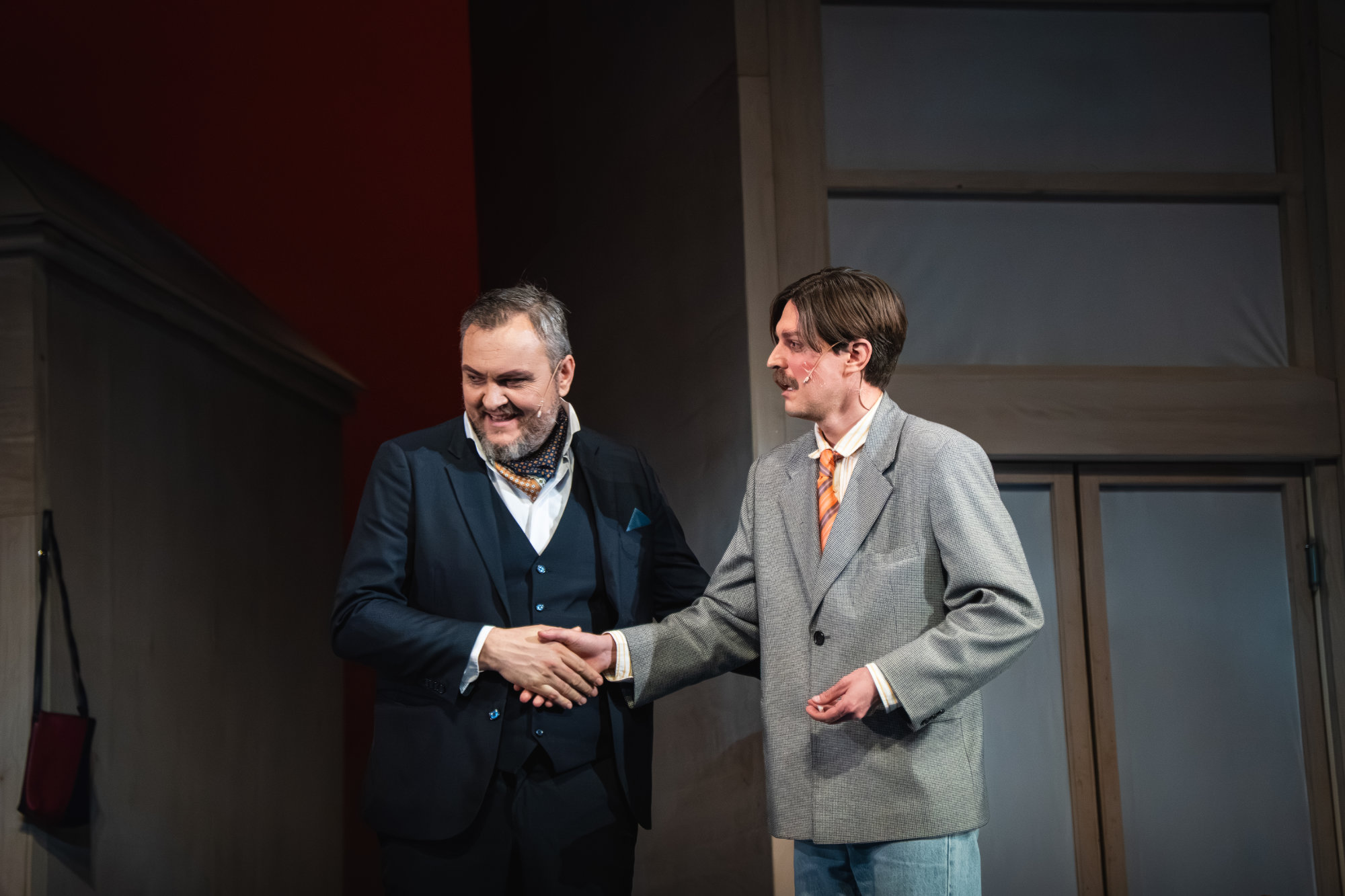
In My Beloved Enemy, Gianina Cărbunariu places the action at a Christmas Eve family reunion in a vacation home in Romania. Members of a family and a few close friends meet to spend the holidays and prepare for a child's baptism. Seemingly ordinary discussions about everyday life gradually slide into disputes about the 1989 Revolution, communism, political conspiracies, and national identity. As tensions rise, everyday reality is invaded by the ghosts of the past, Elena Ceaușescu, Anna Bathory, Jean Pârvulesco appear on the scene. The characters confront their own prejudices, nostalgias, and contradictory theories about history and the present. The play explores how the past continues to haunt the present and how ideological conflicts subtly move into the intimacy of living rooms, into conversations between close ones.
Based on research conducted in Romania and Slovakia, the show My Beloved Enemy aims to investigate the mechanisms of disinformation and social polarization, raising the question of whether, in a world marked by conflicts and propaganda, it is still possible to find a common story that brings us closer, not divides us.
"The show integrates all the sensitive themes of the moment, each theme is documented, dramatized in an exercise in political theater, an investigation with performative means of the causes that led to social fragmentation."
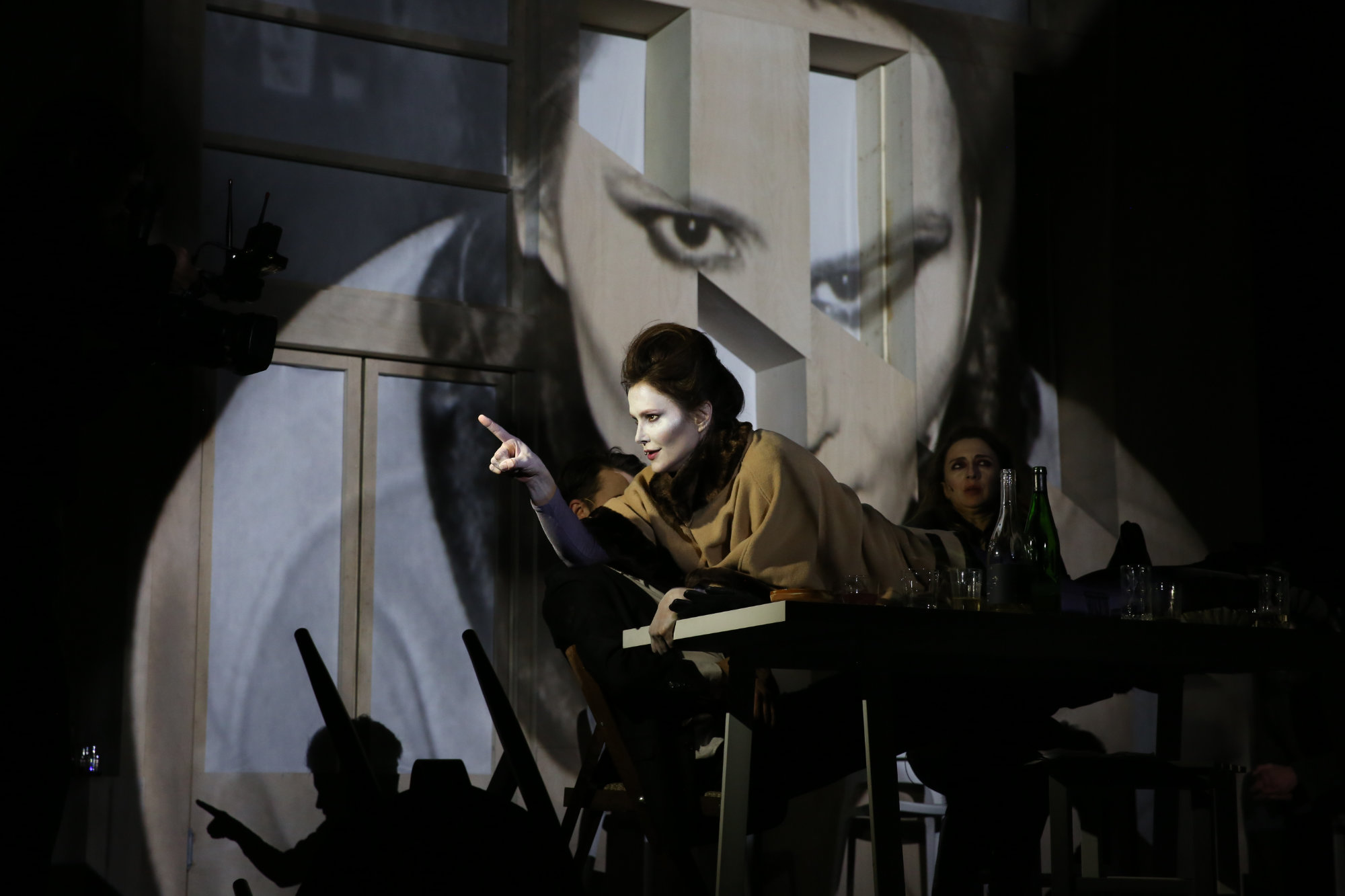
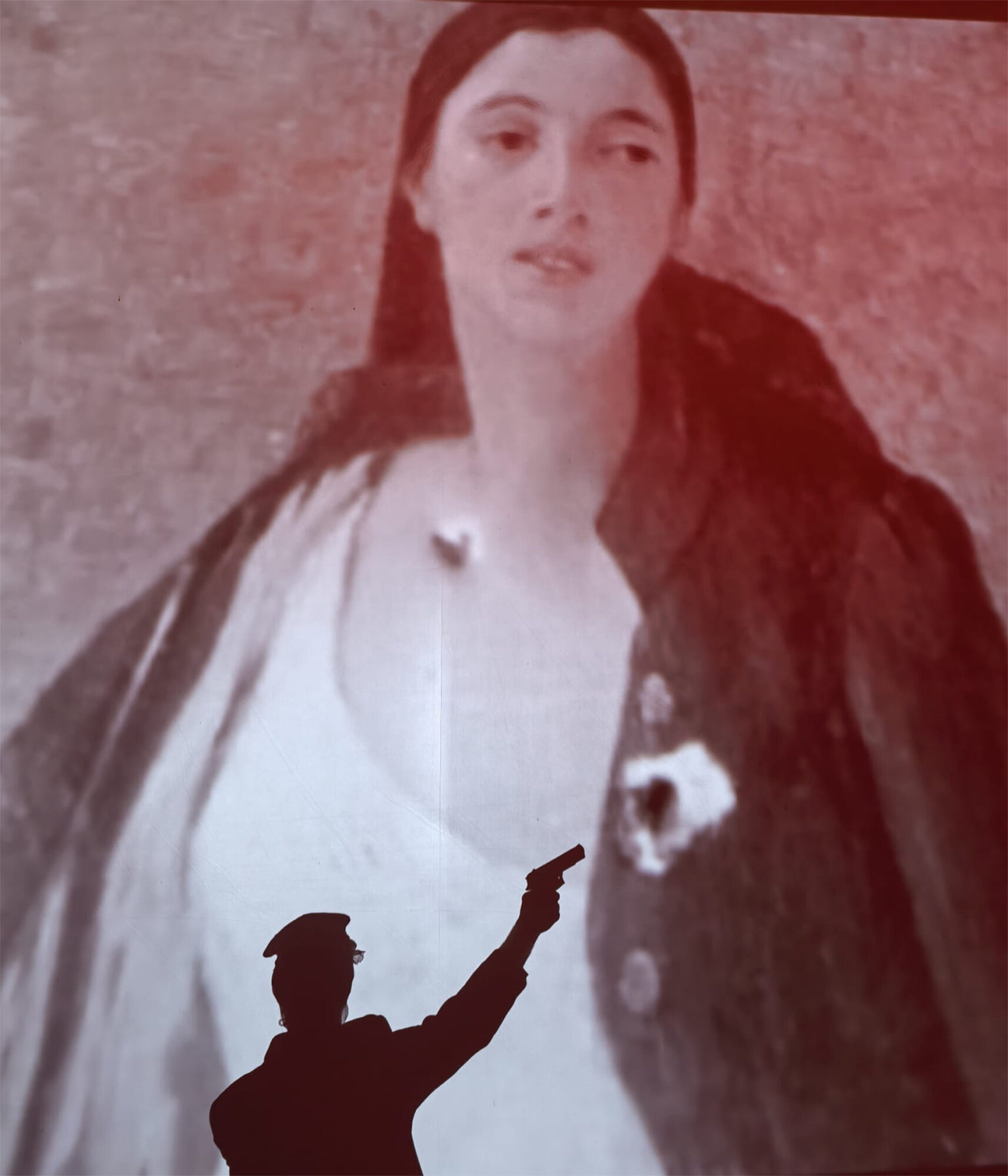
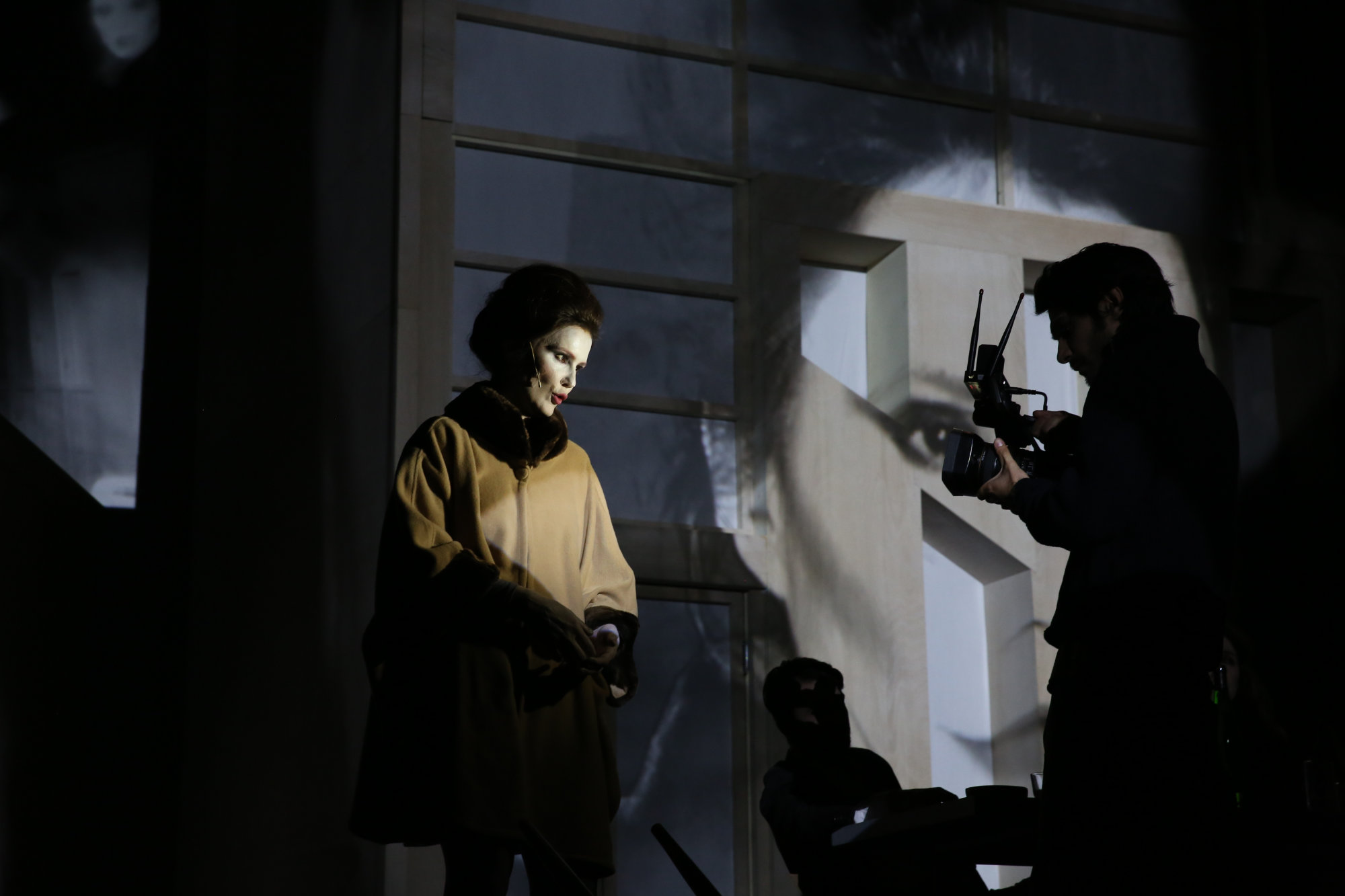
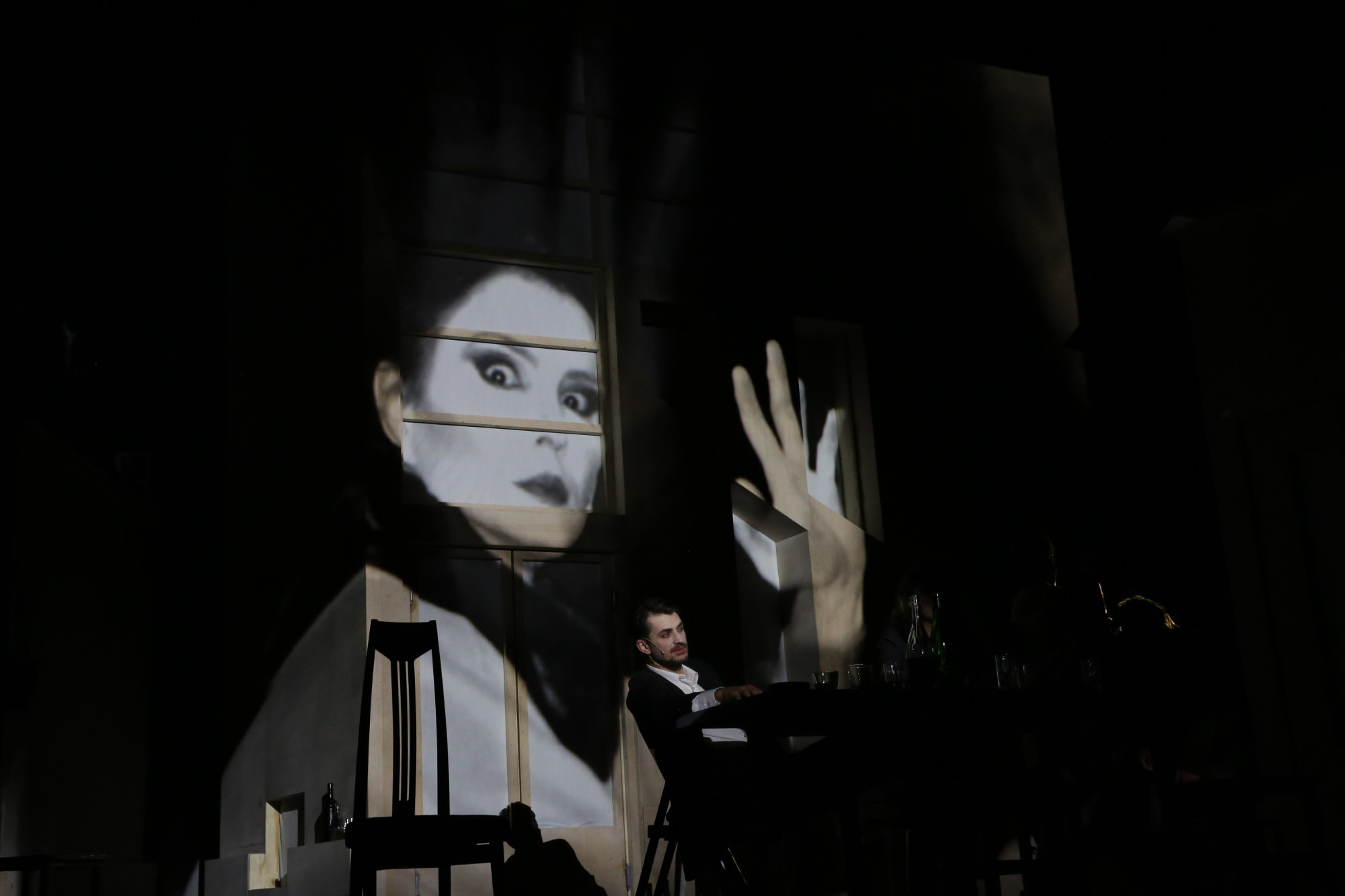
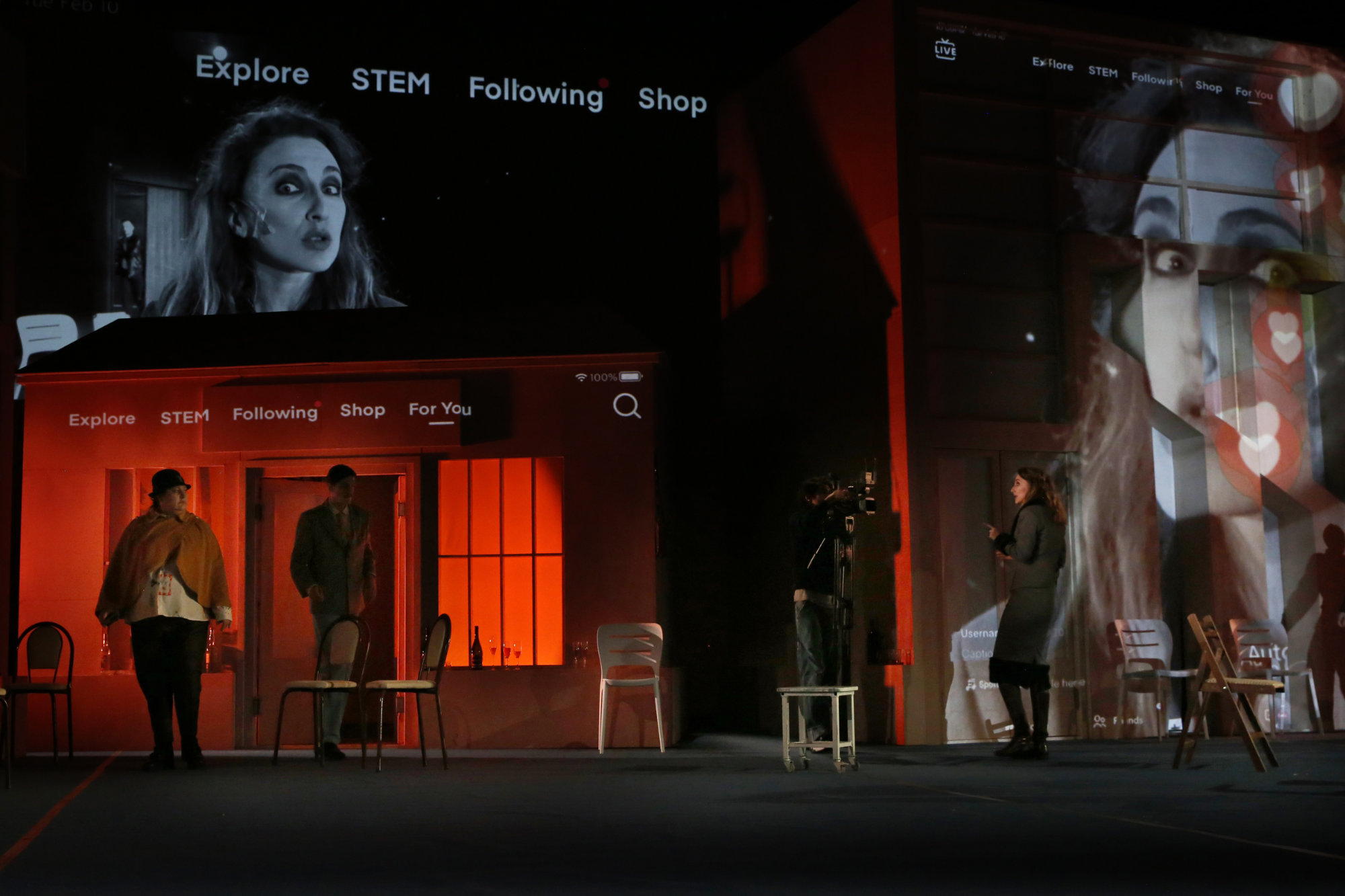
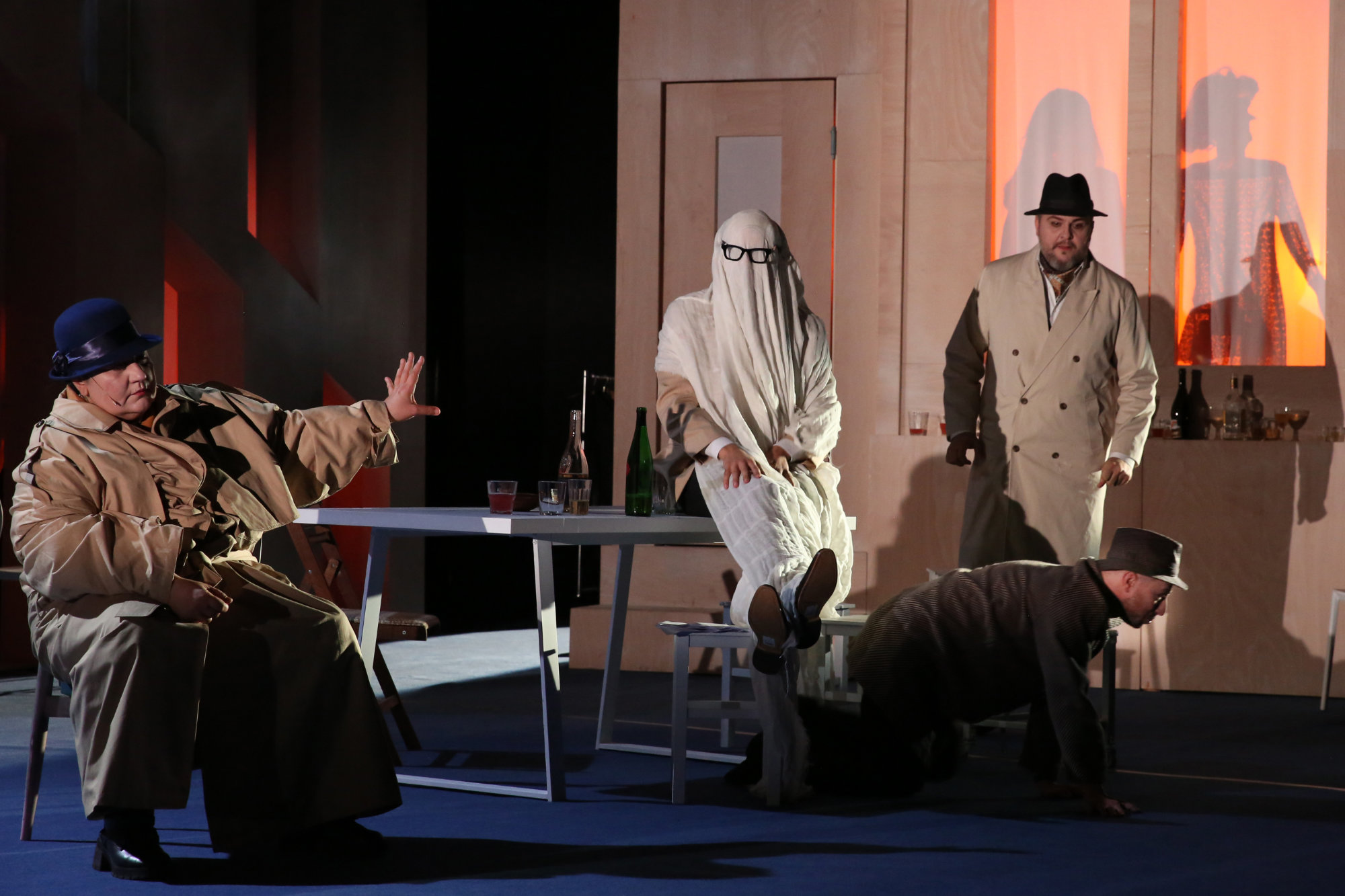
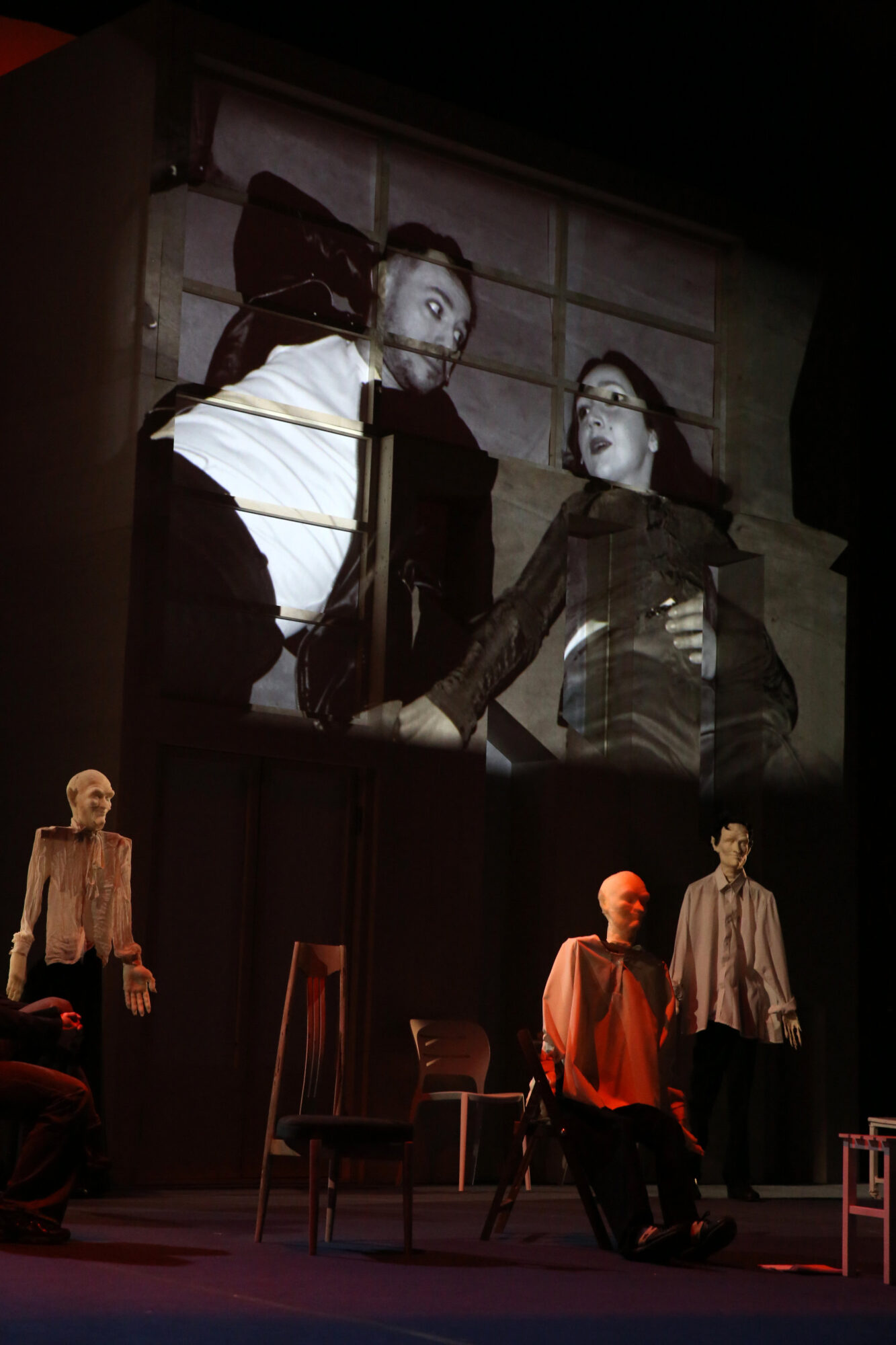
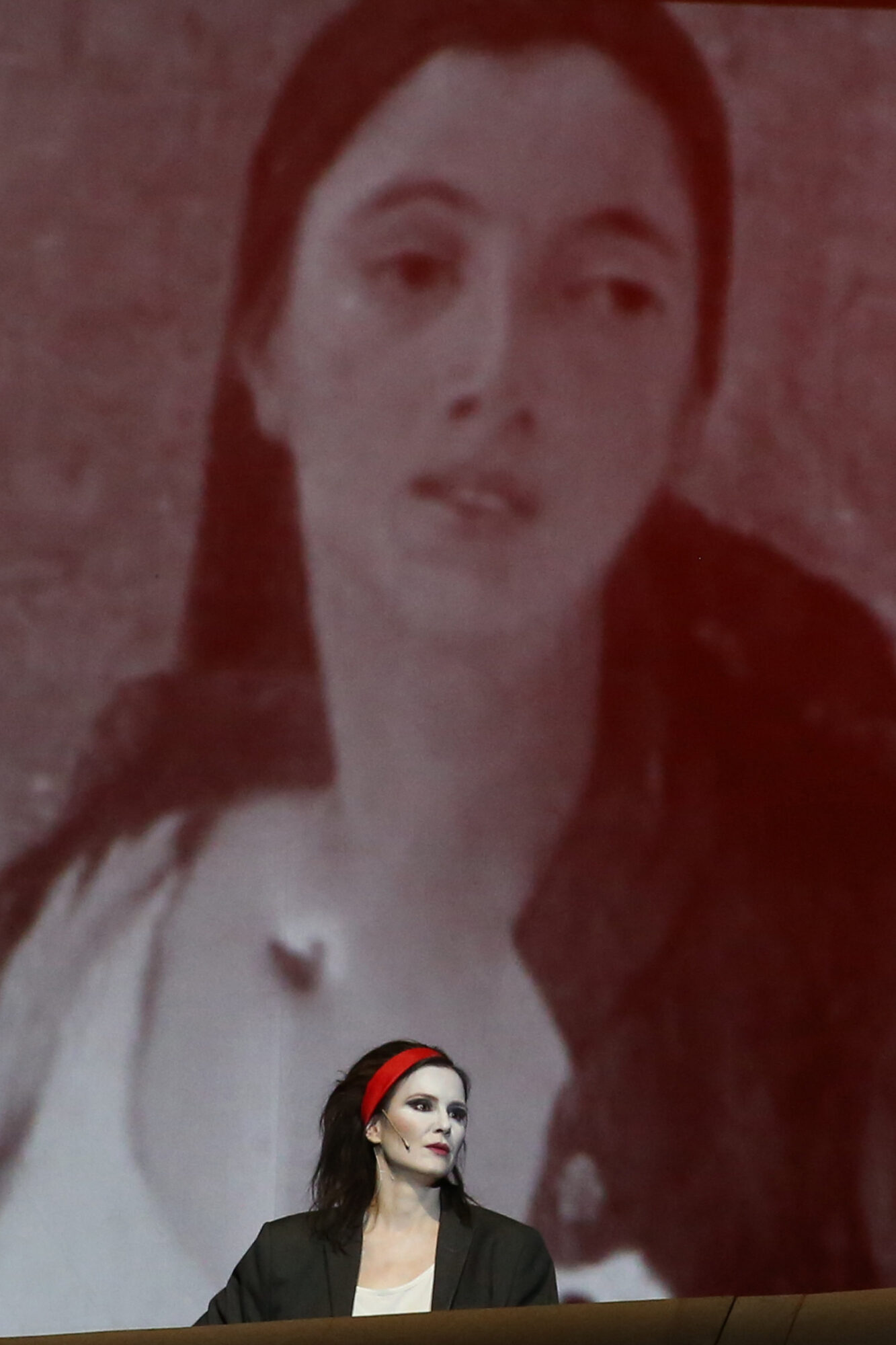
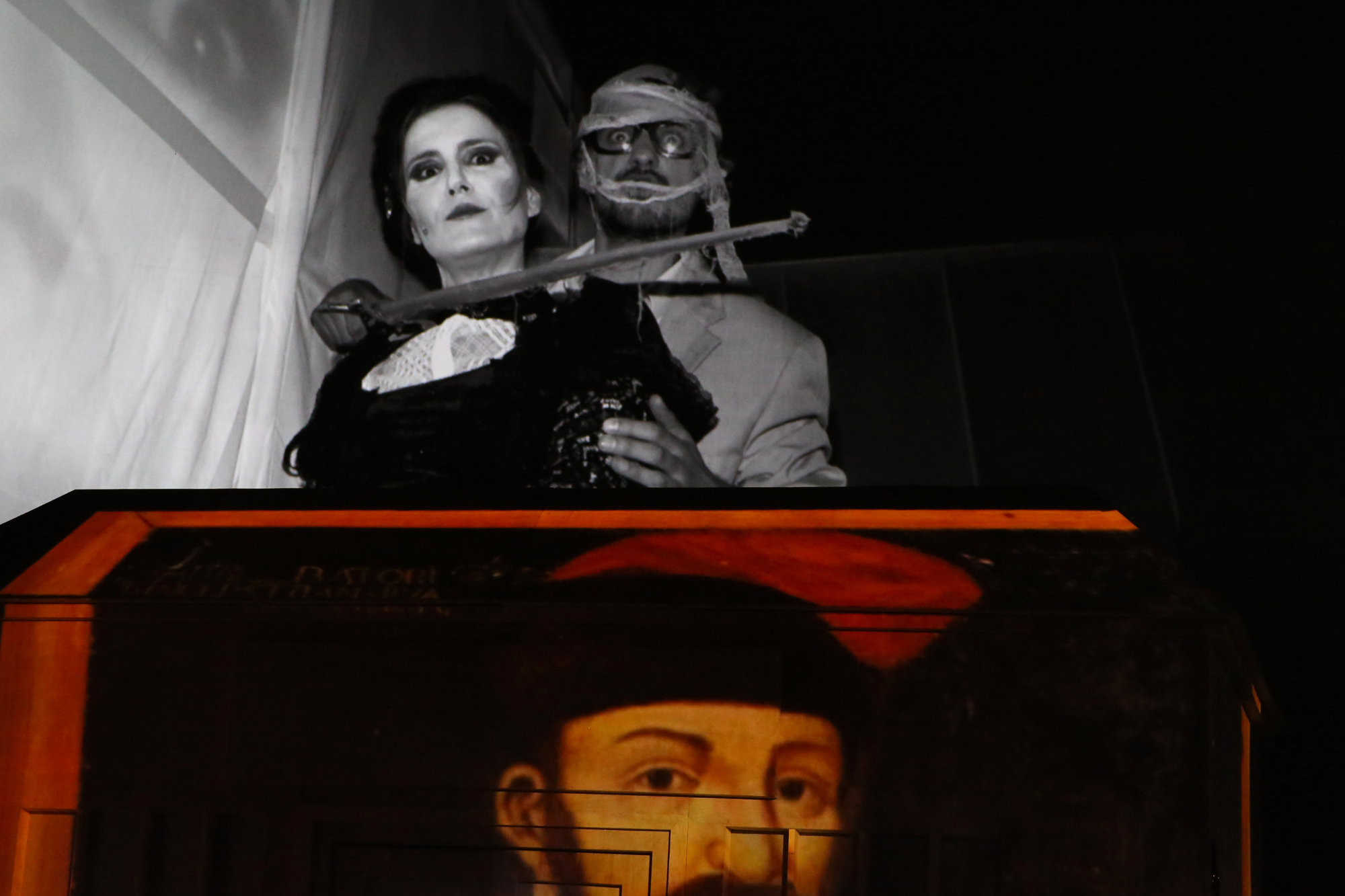
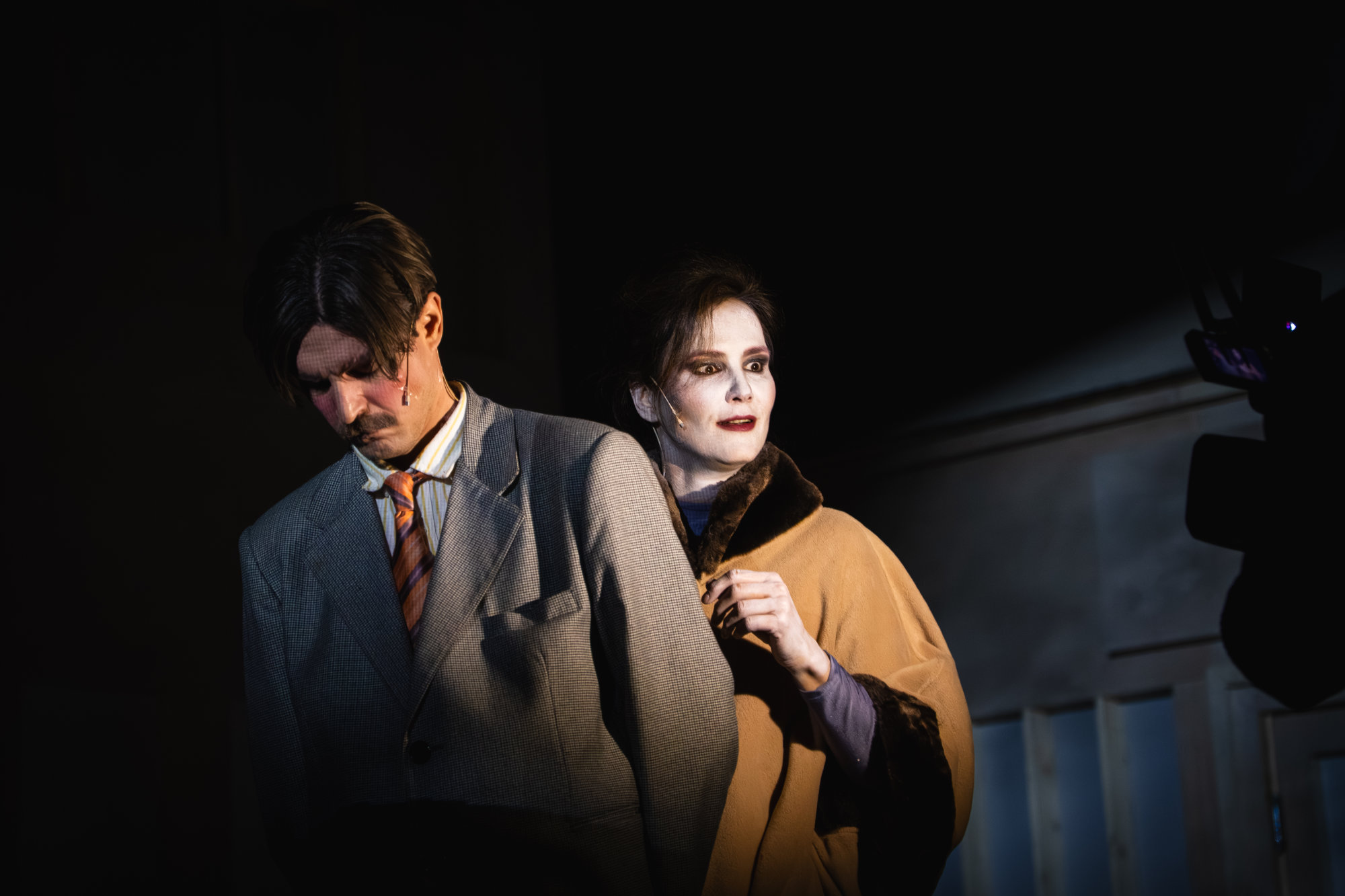
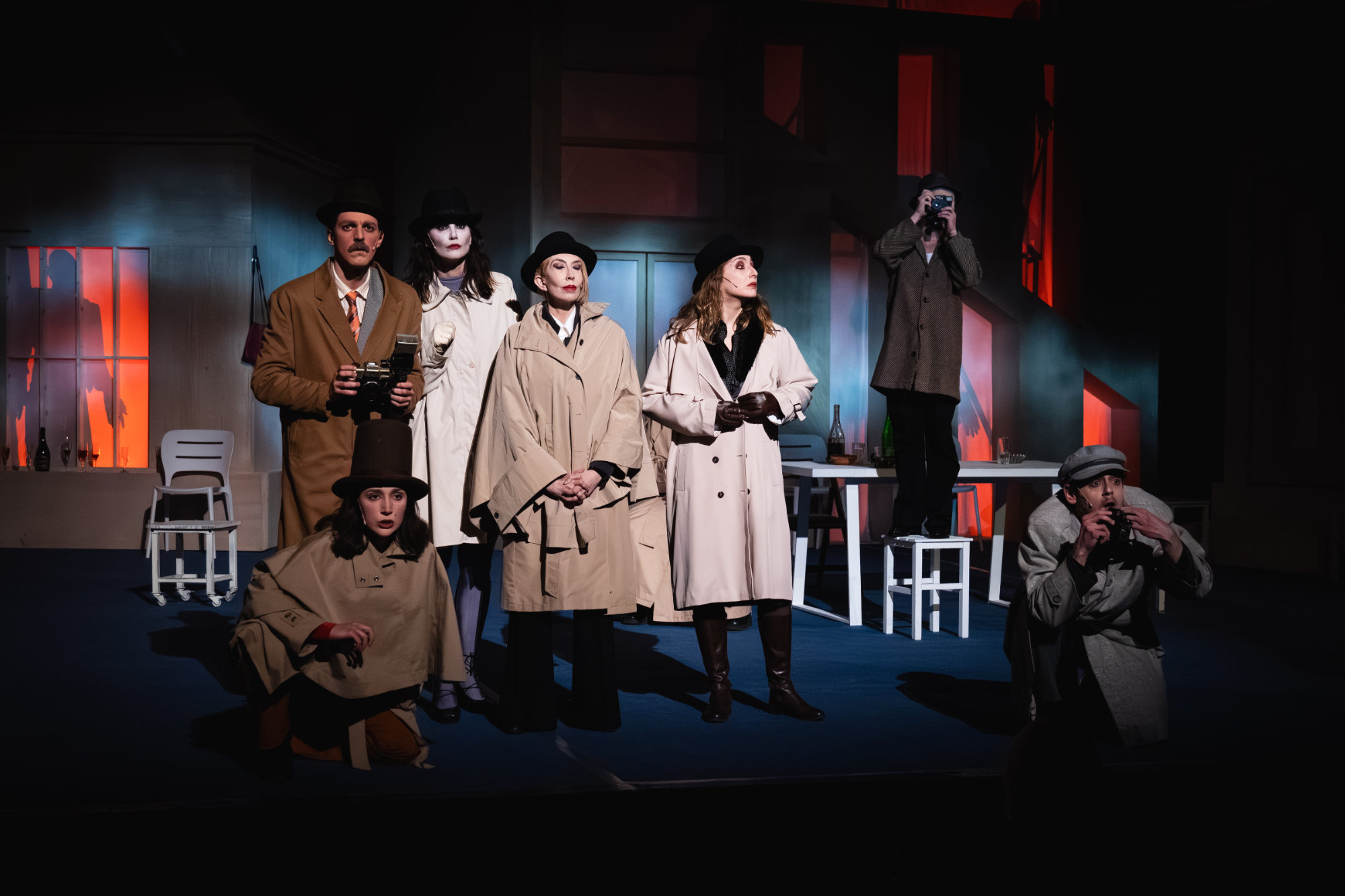
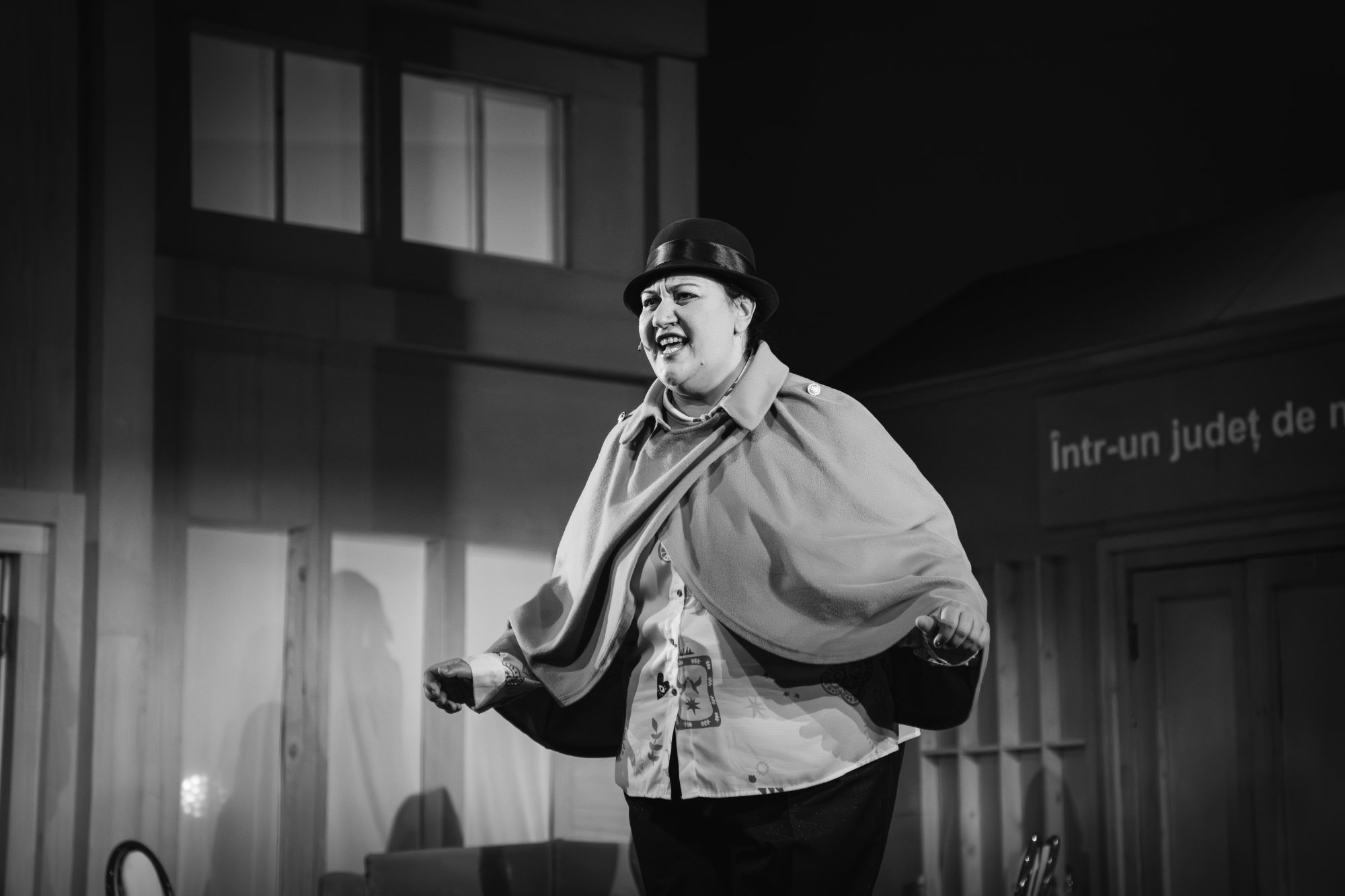
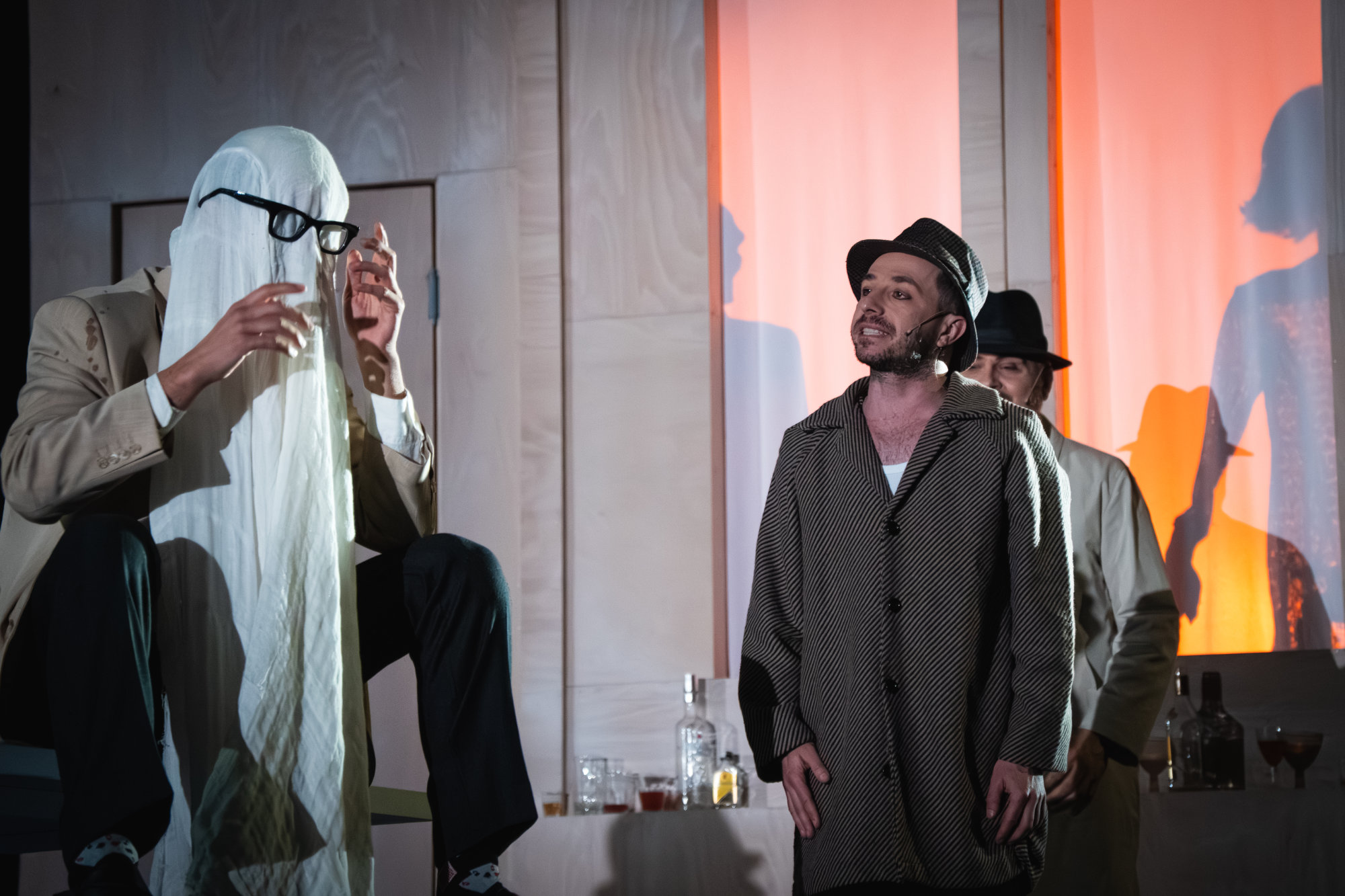
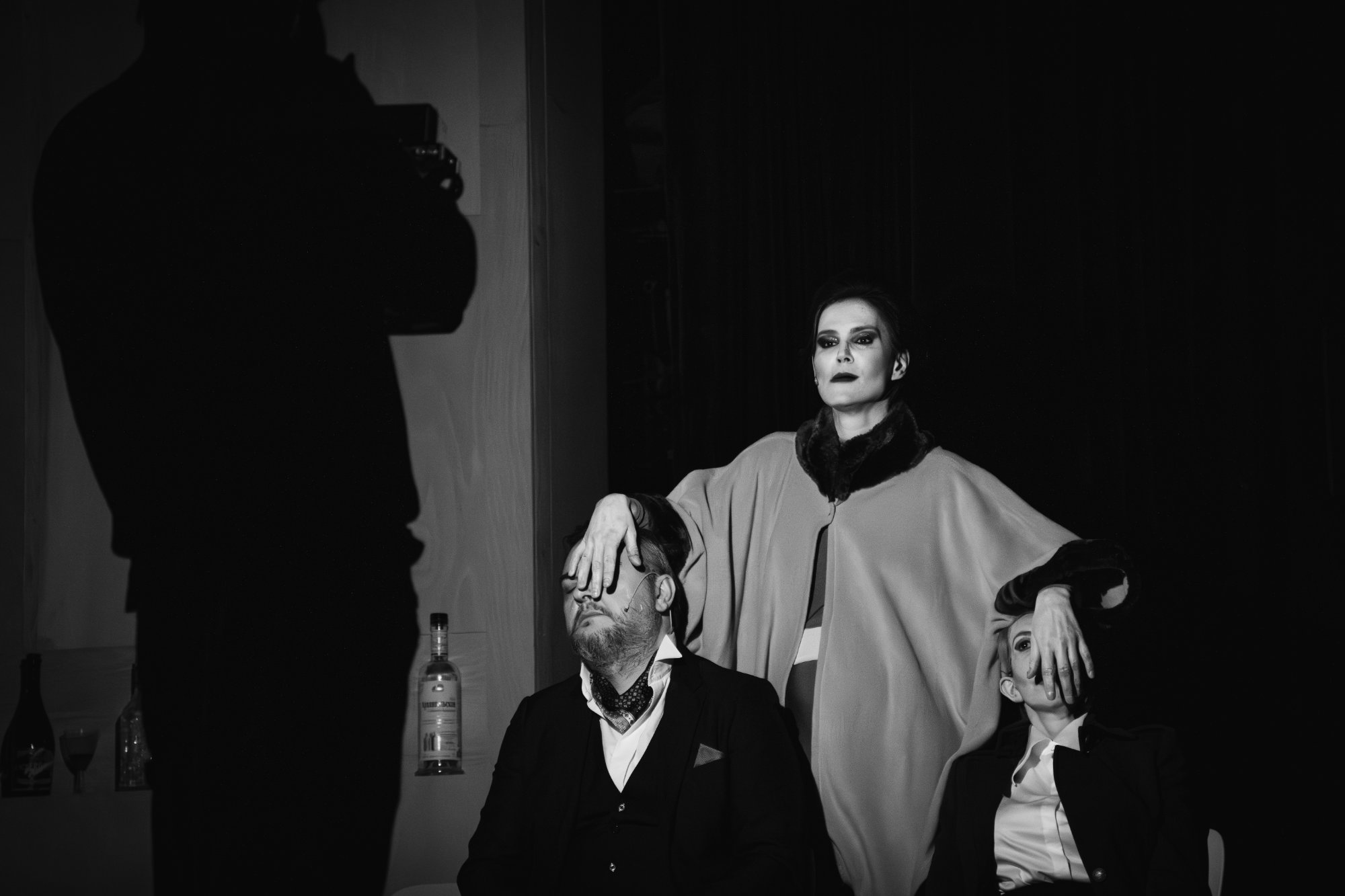
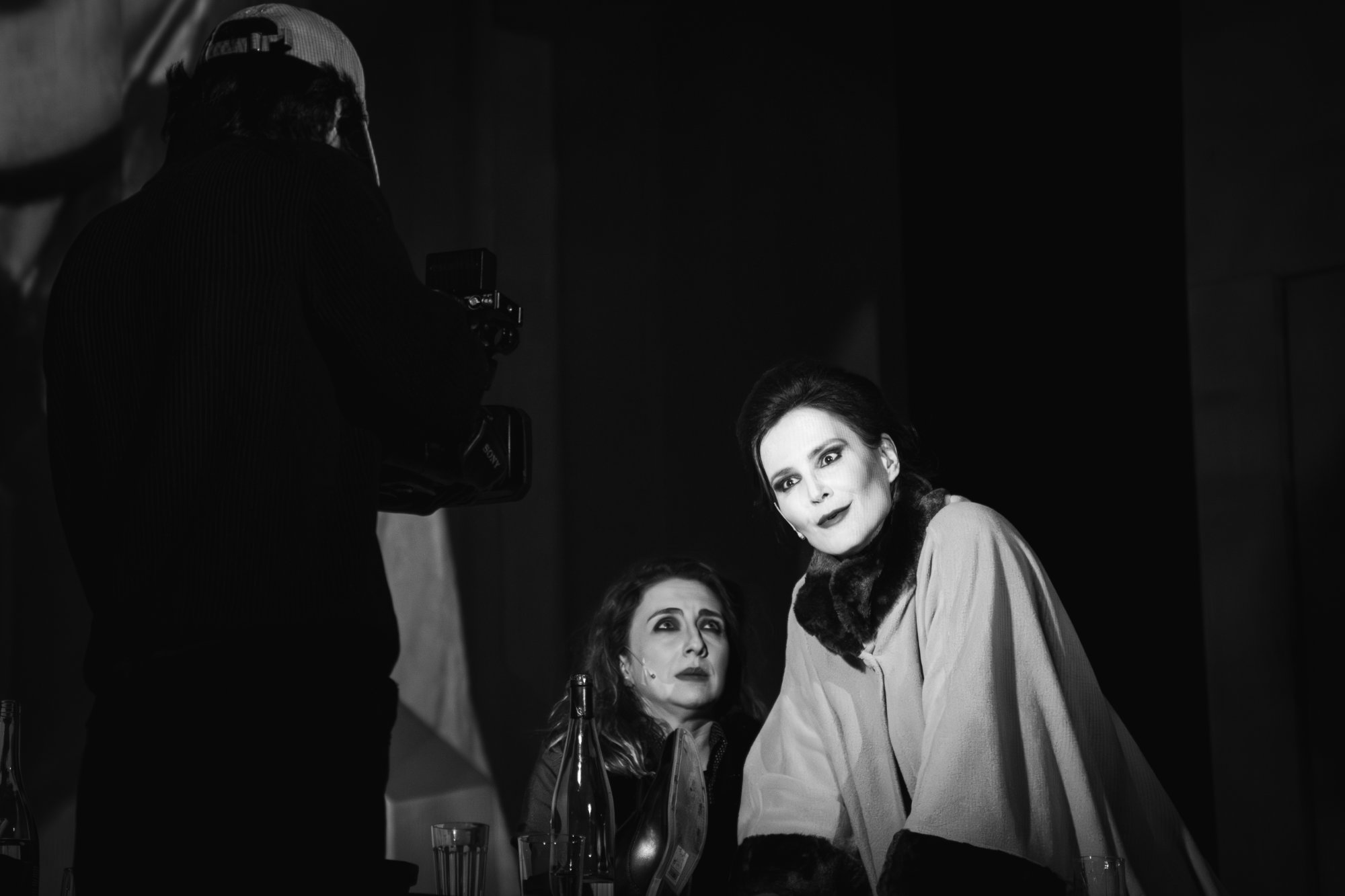
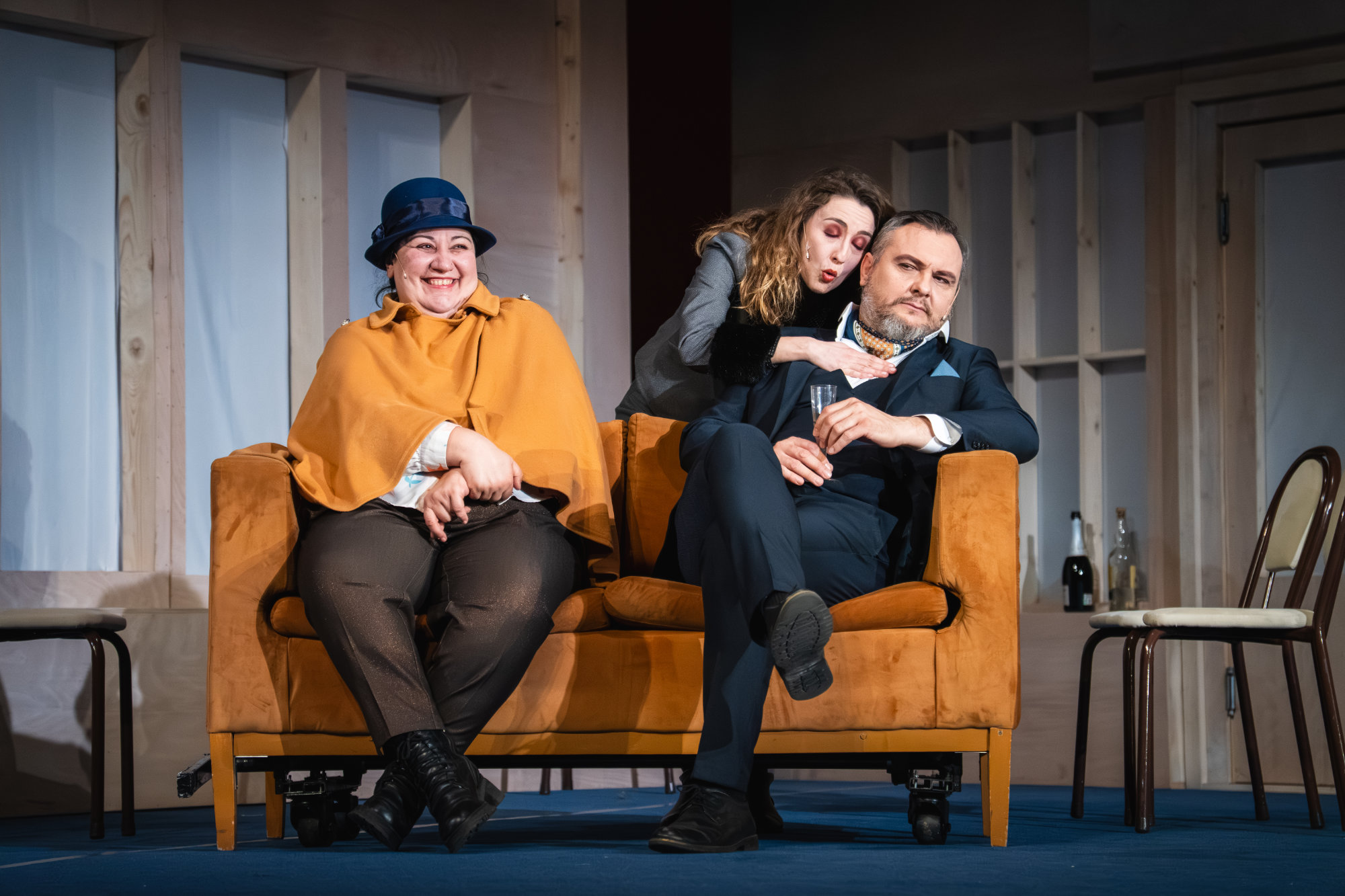
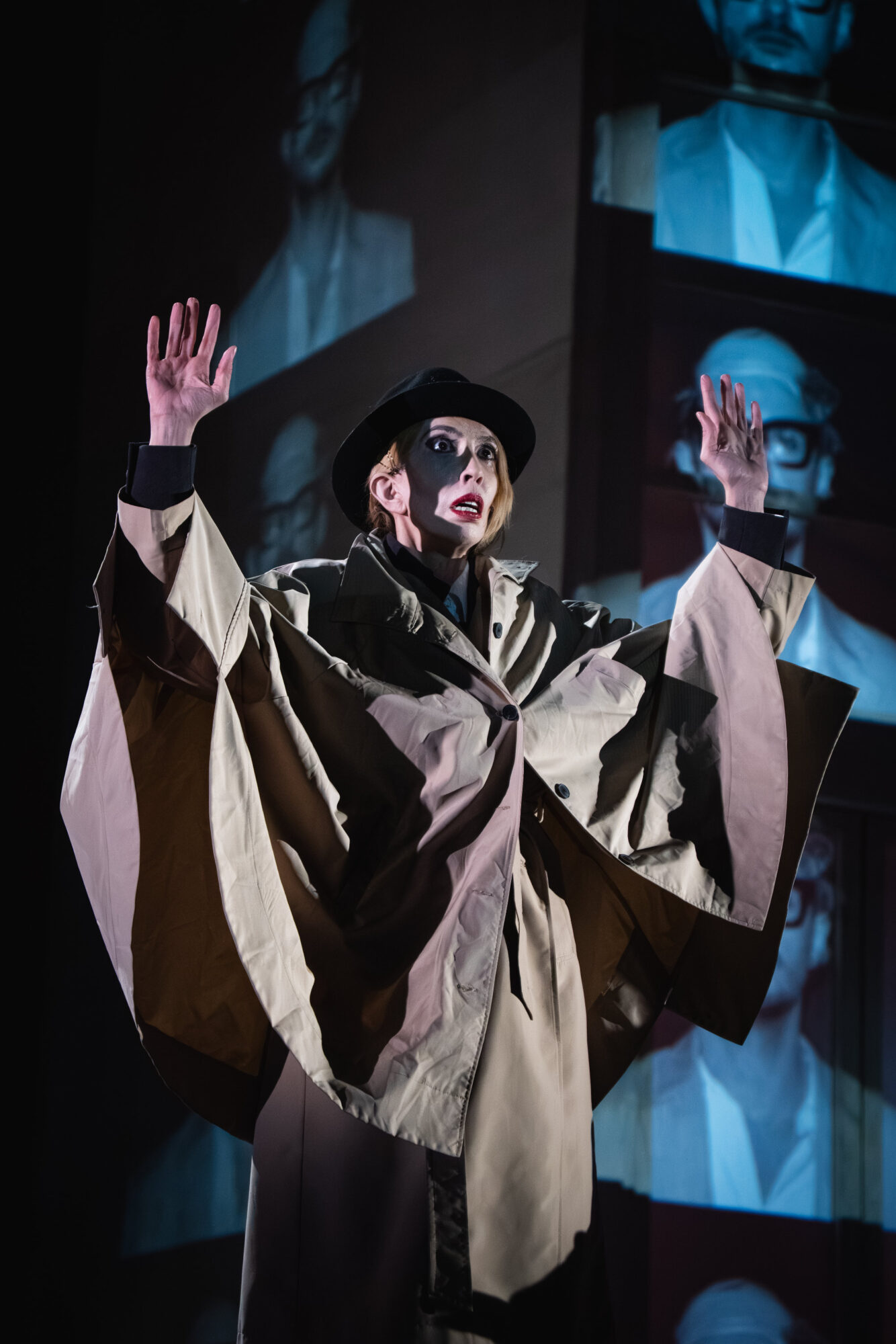
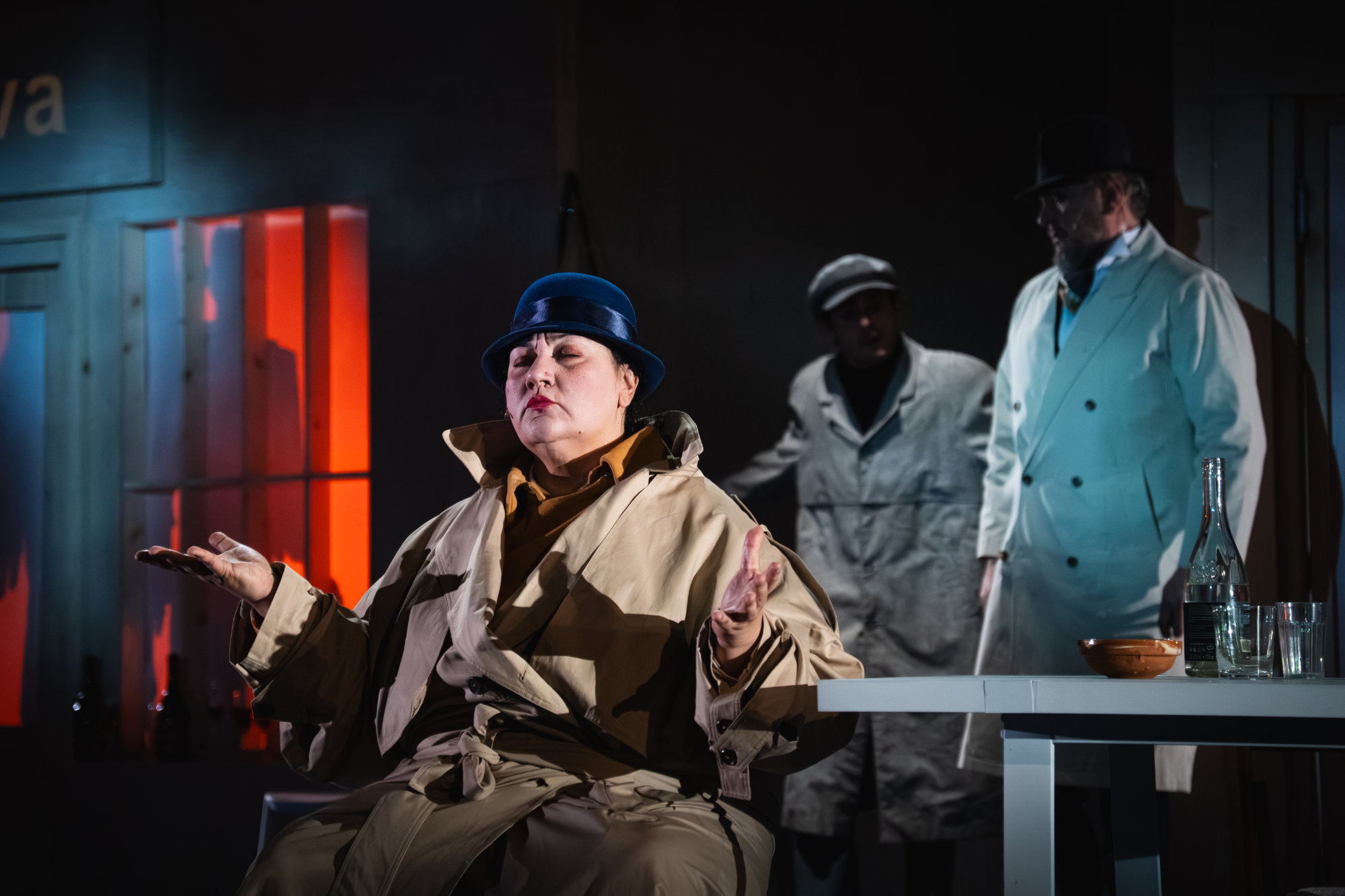
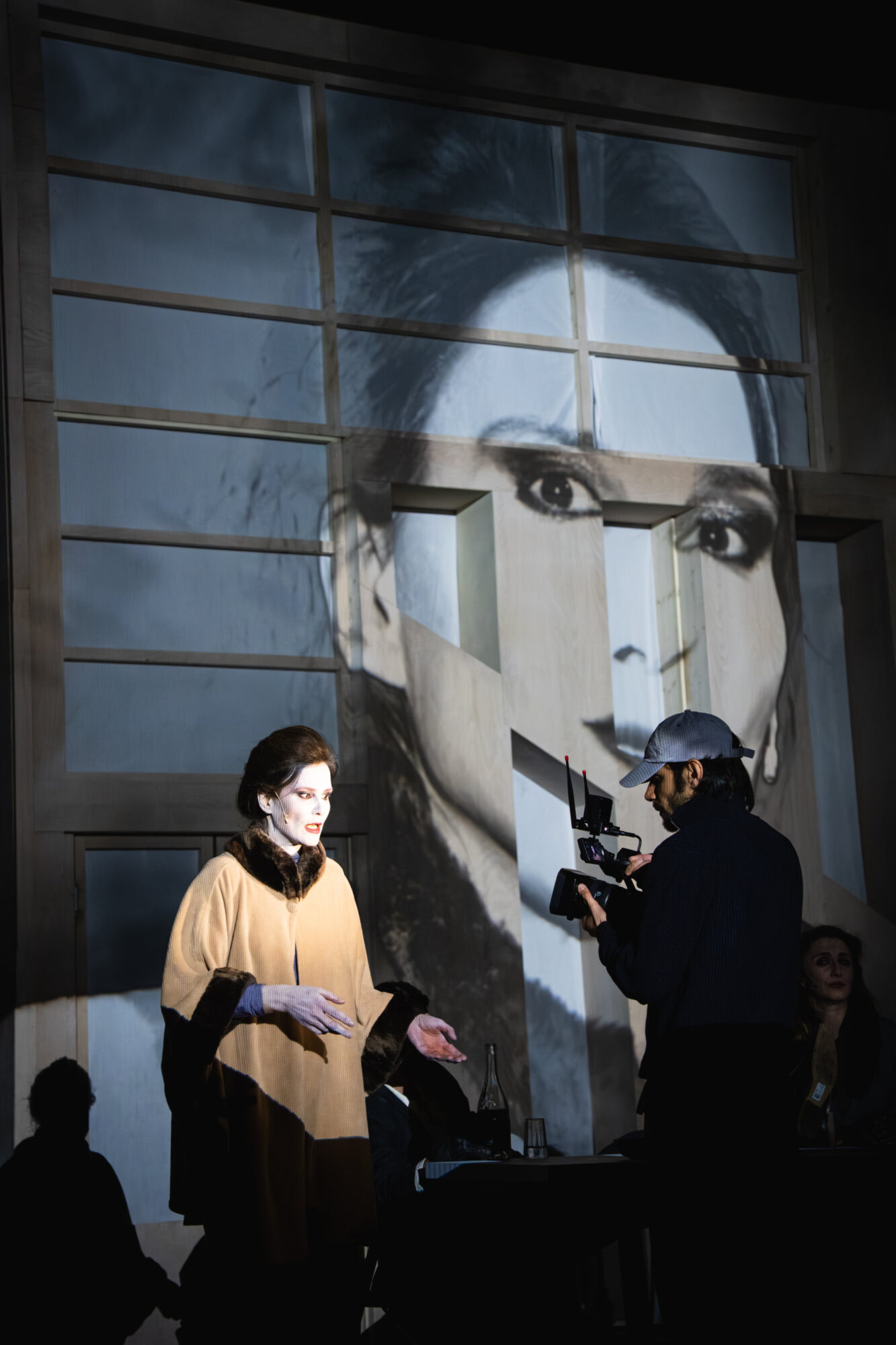
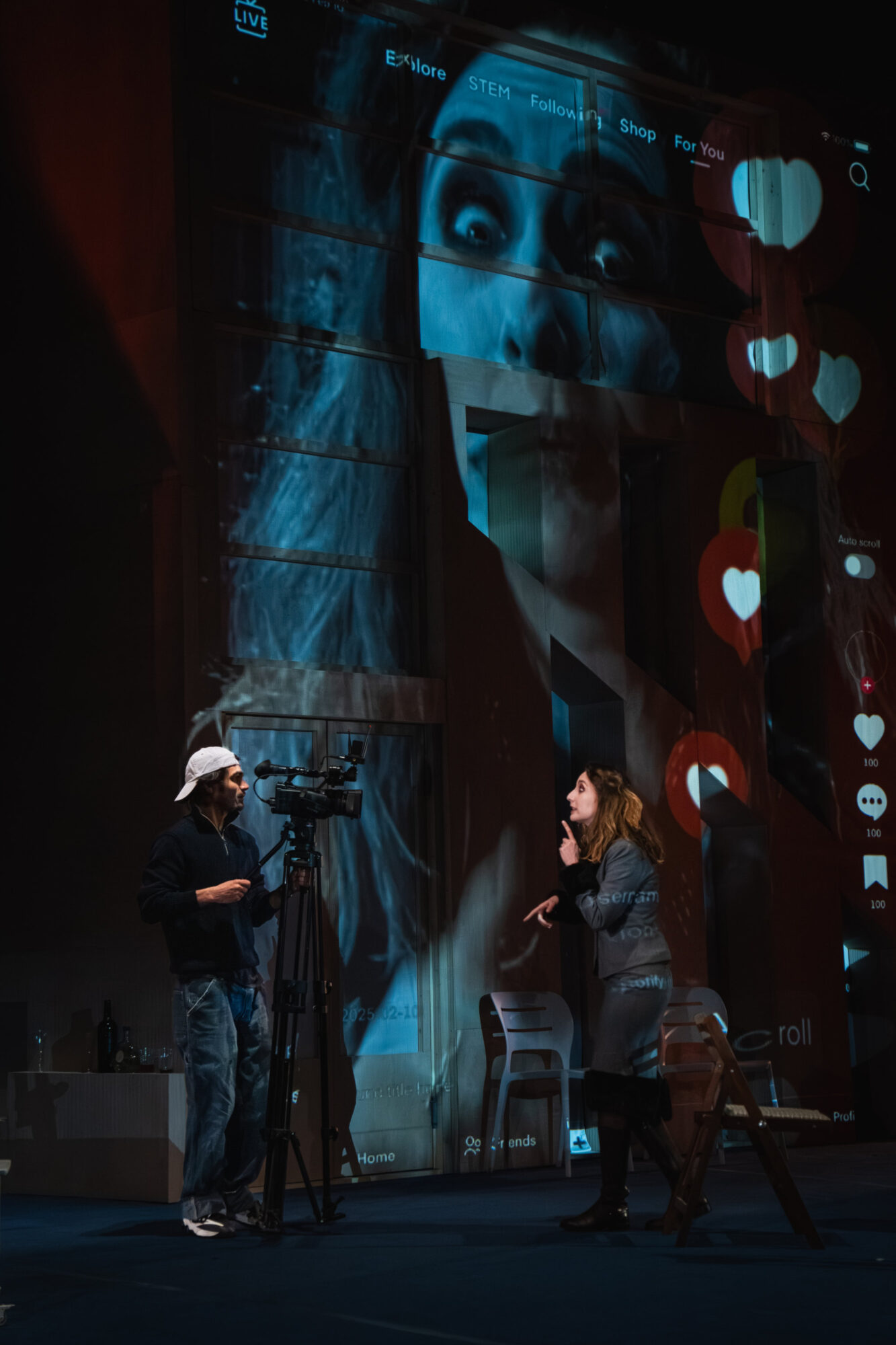
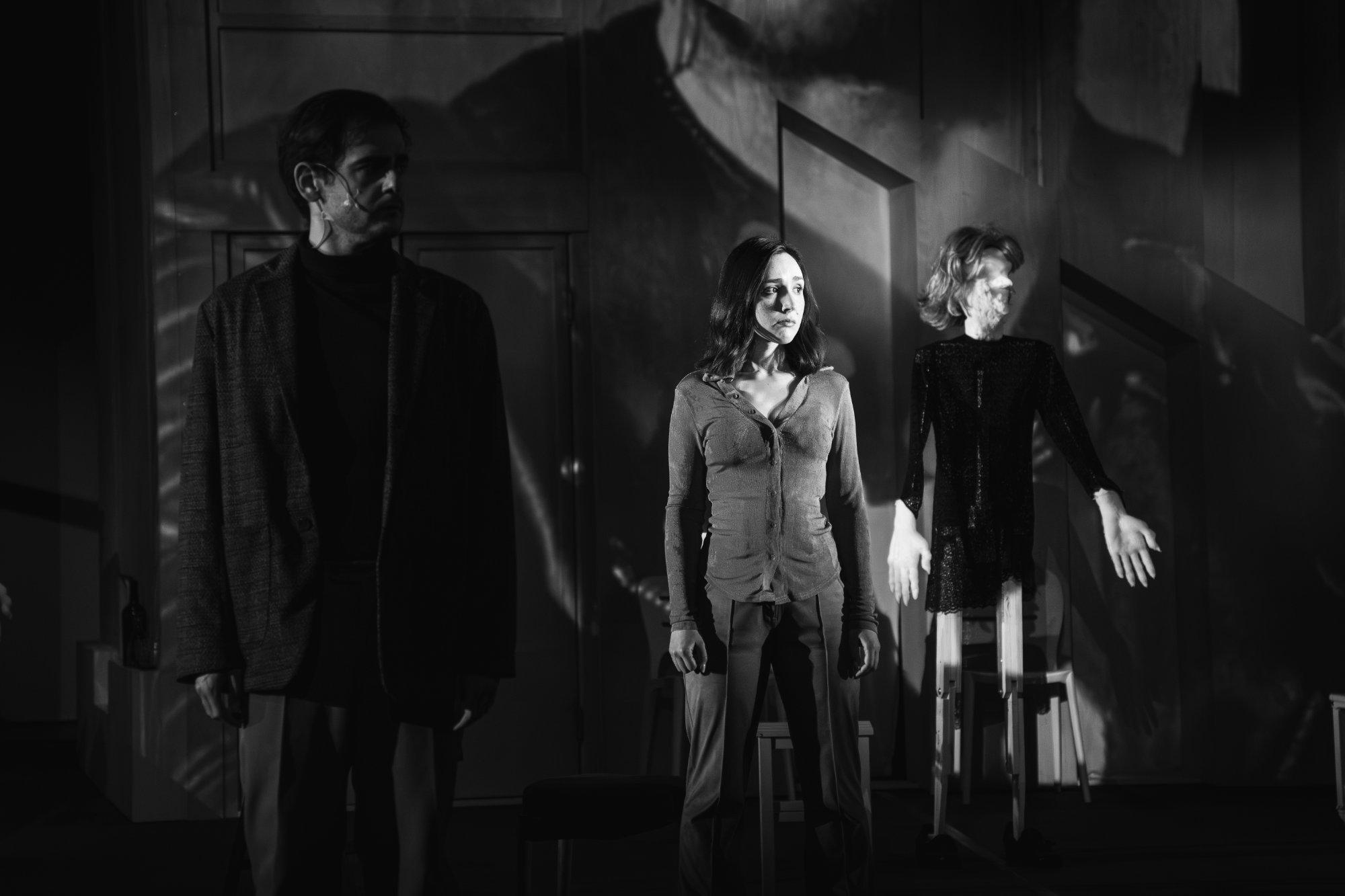
The imaginary of change that promised a new world, typical of communist propaganda, is reconfigured by sovereignist propaganda, preaching a return to the old world, but there is a common point, the need to recover a social and economic status, and Doru is receptive to Victor and Sabina's rhetoric: history, traditions, racist discourse, anti-globalization, the return to the patriarchal universe. (…) A secondary character, the capricious ghost crosses eras, regulates stories/history, Romanița Ionescu being unbeatable in the role of Elena Ceaușescu's ghost, a mise en abyme in which a camera tries to keep up with the improvisations and spontaneity of this character (dissatisfied with her appearance and depth).
(…)
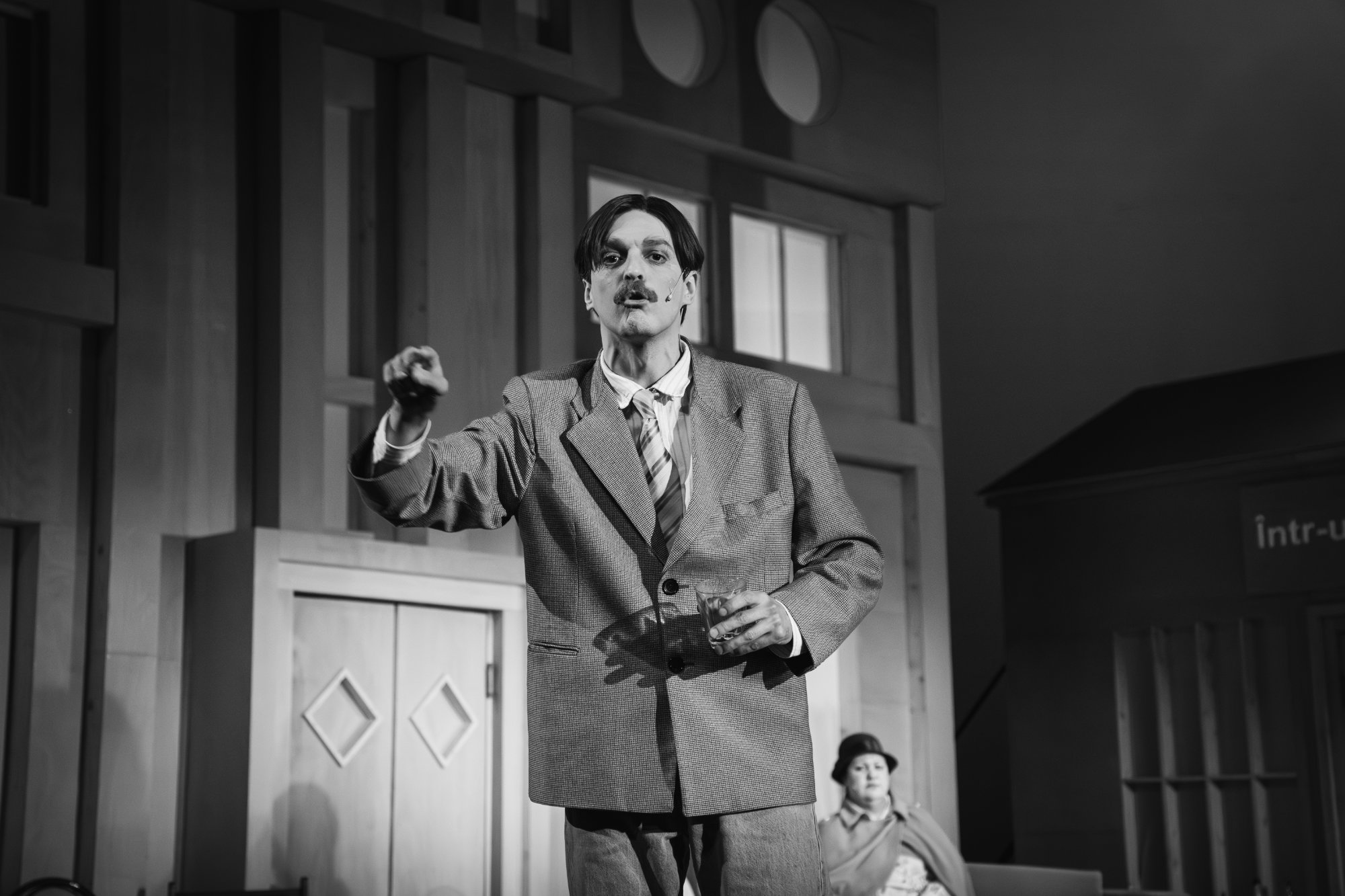
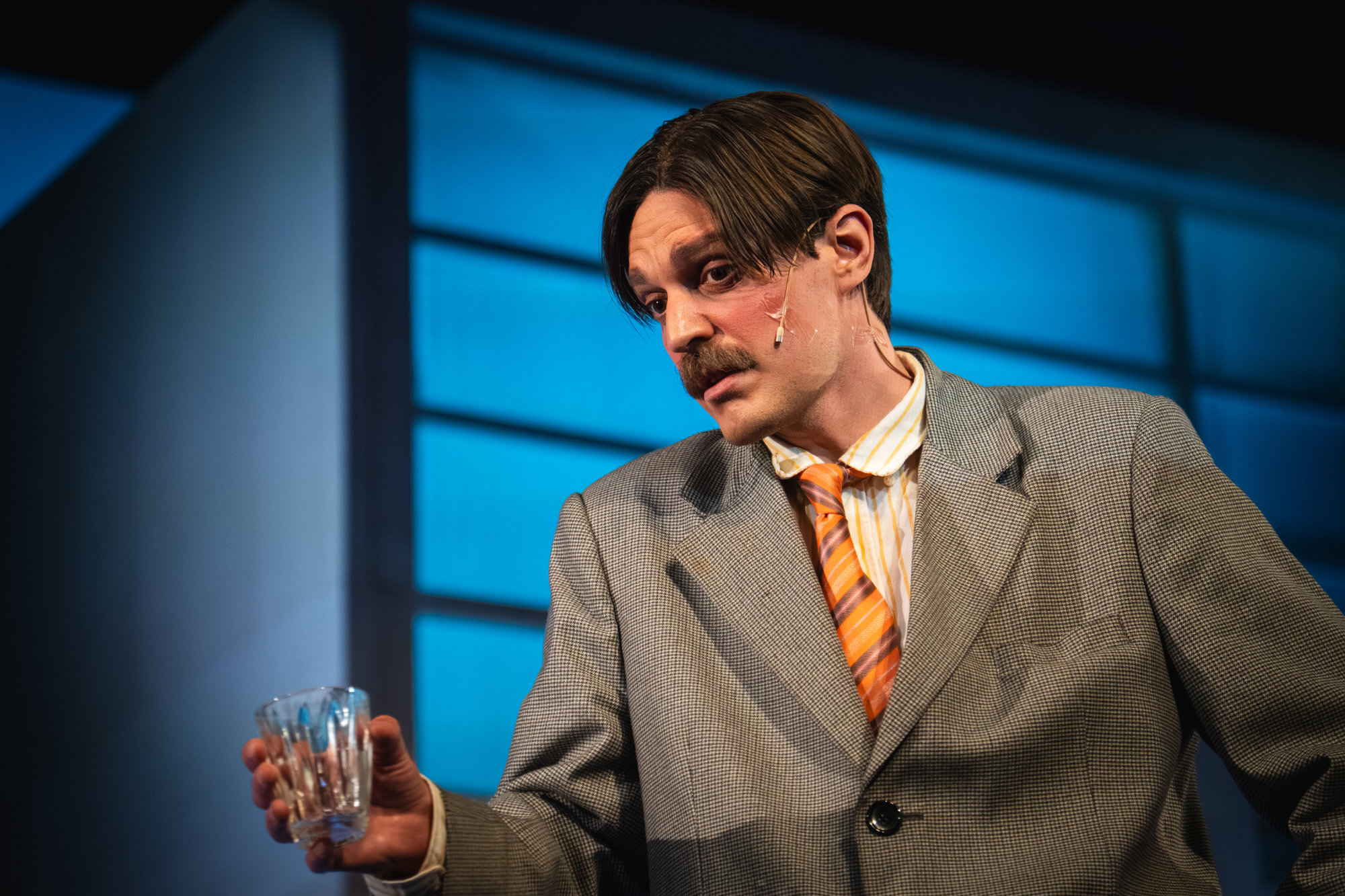
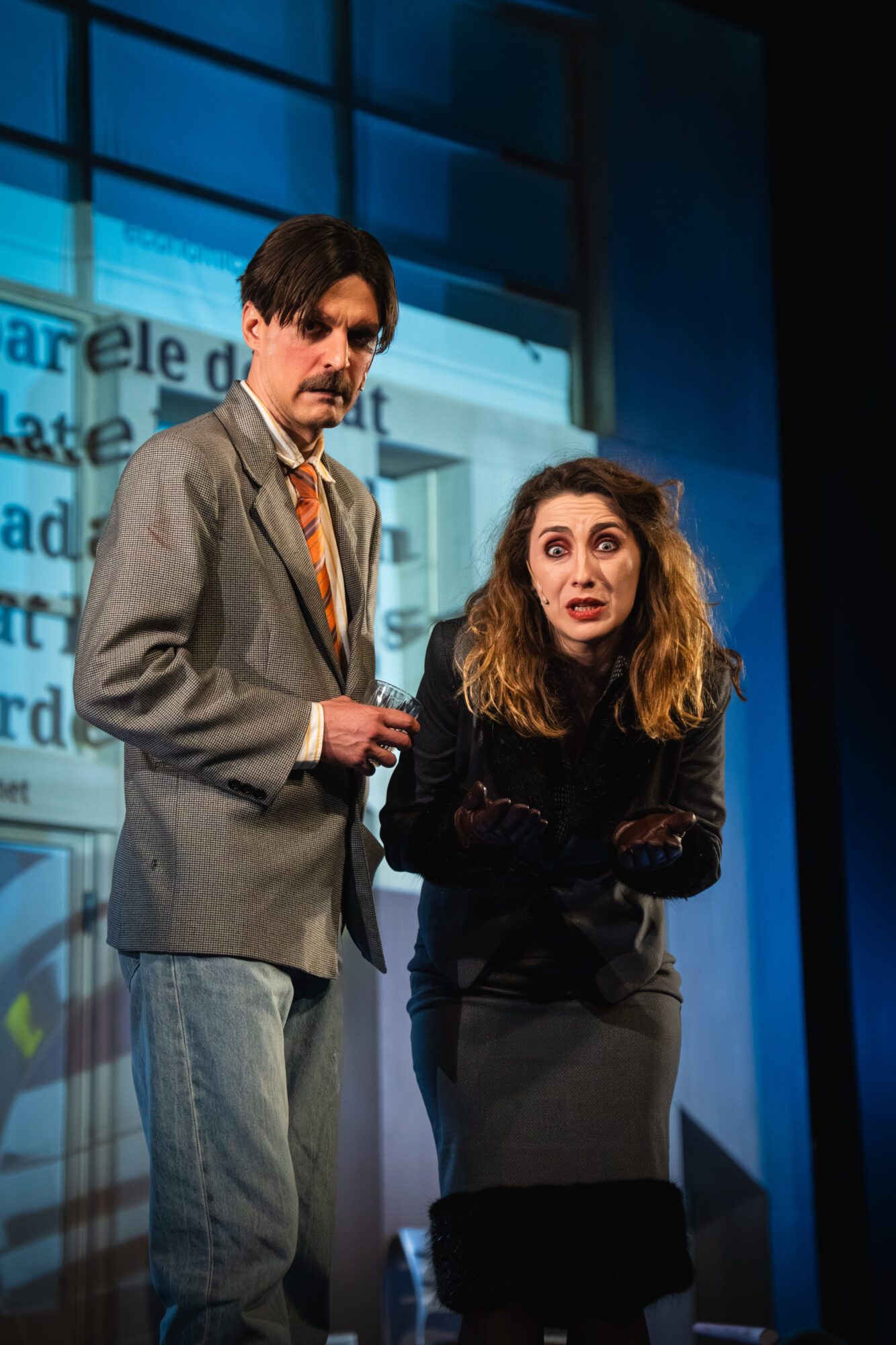
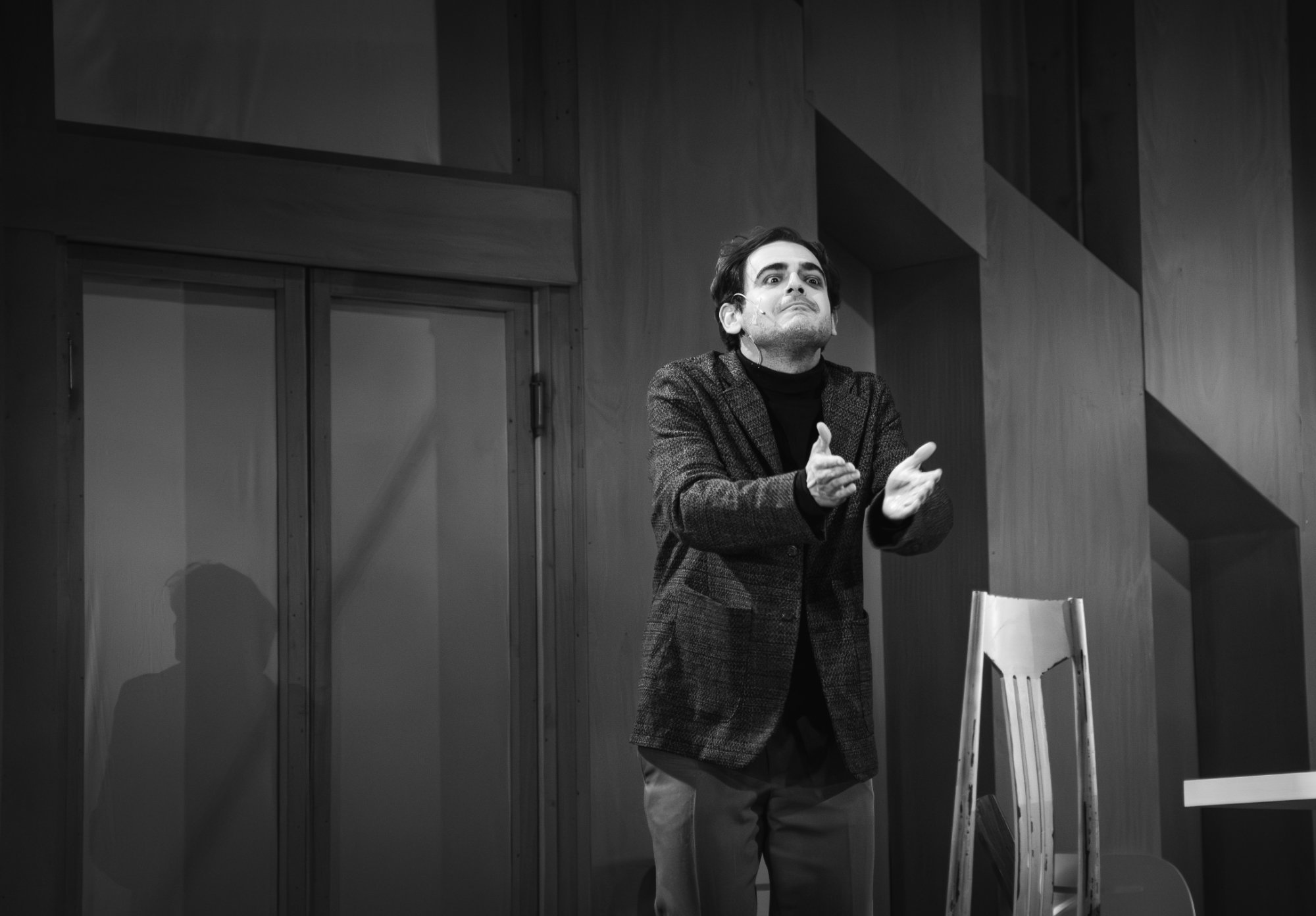
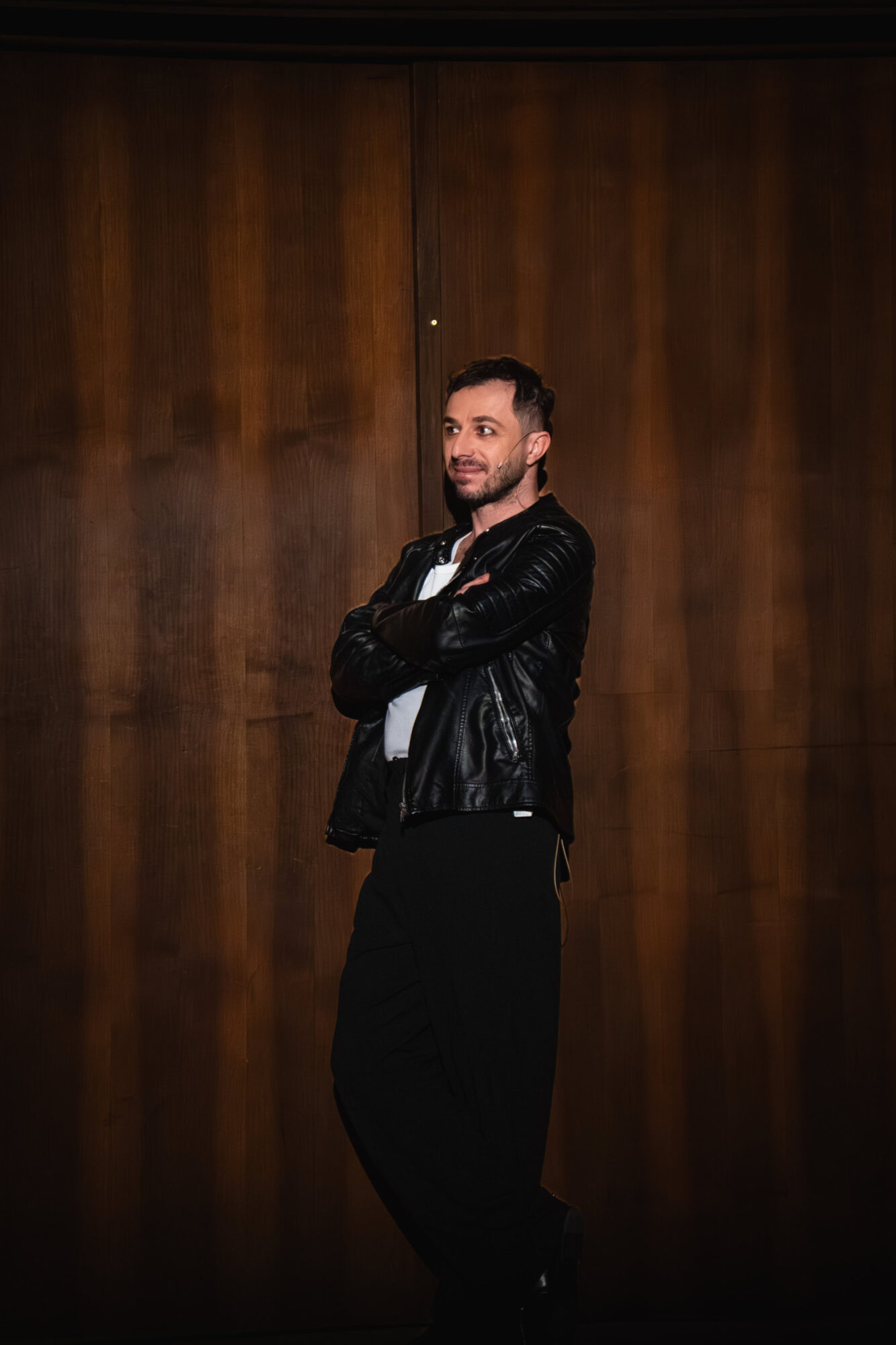
In the gallery of remarkable secondary characters, Doru, for whom home is a complicated notion – in our country, in Italy, or in Romania –, is convinced that we have missed a unique chance, a historic moment, by canceling the presidential elections. The myth of the providential man is activated and consolidated through each intervention of Victor. And here is the stake of the show, the challenge that Geanina Cărbunariu launches with this picturesque character, the ordinary citizen, slightly tormented, but who knows for sure who to vote for and who wants to know “Why should you be afraid of this man?”.
(…)
"How can you make art in this darkness?!", exclaims the outraged ghost that haunts the show created by Gianina Cărbunariu. How can you make art in this time, the time of impostors? And the answer is in this show, which does not aim to tell a beautiful story, but a true one."
Daniela Firescu, The Time of Impostors, "Ramuri", no. 5 / 2026 https://www.revistaramuri.ro/articol/6767
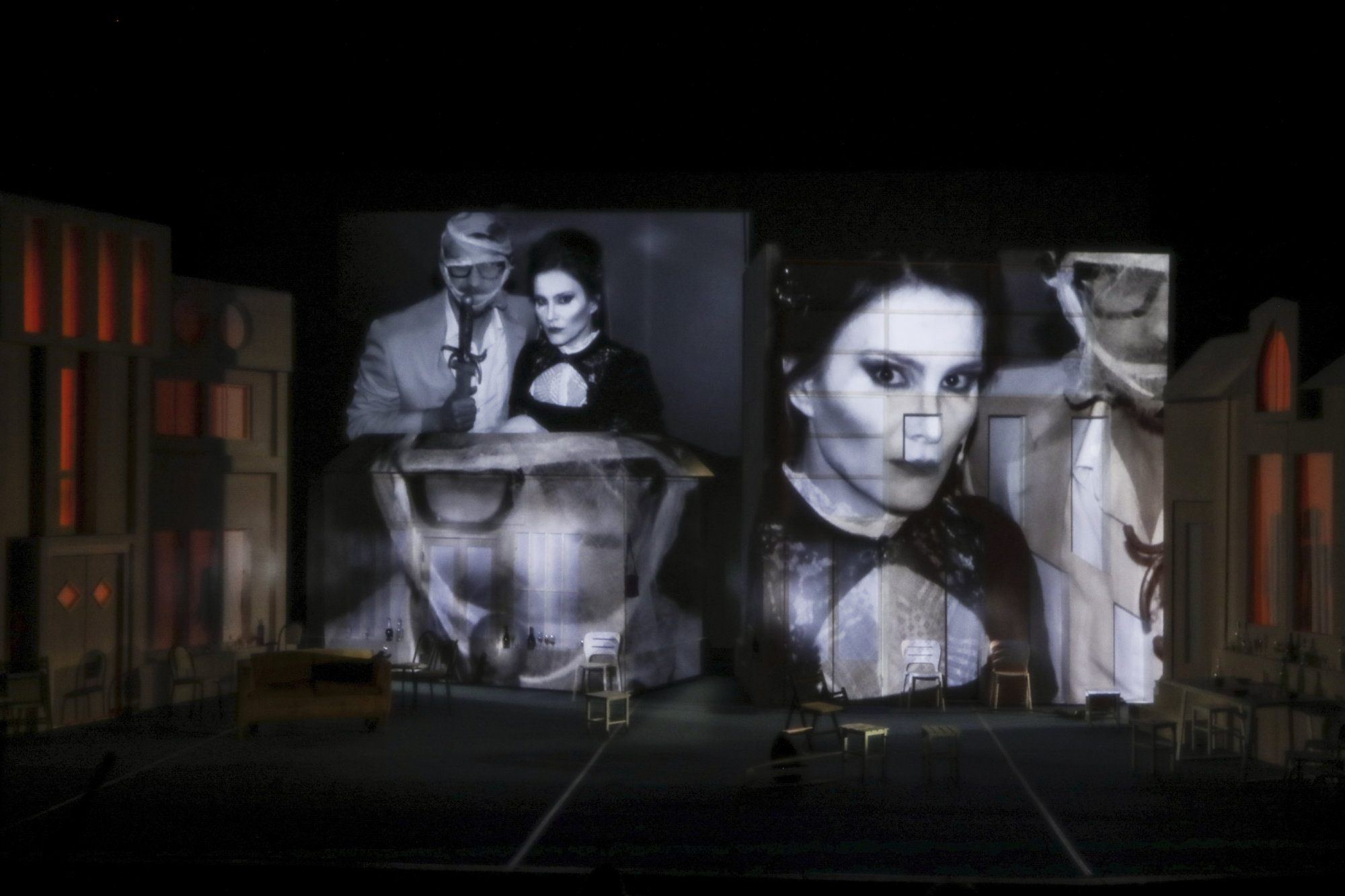
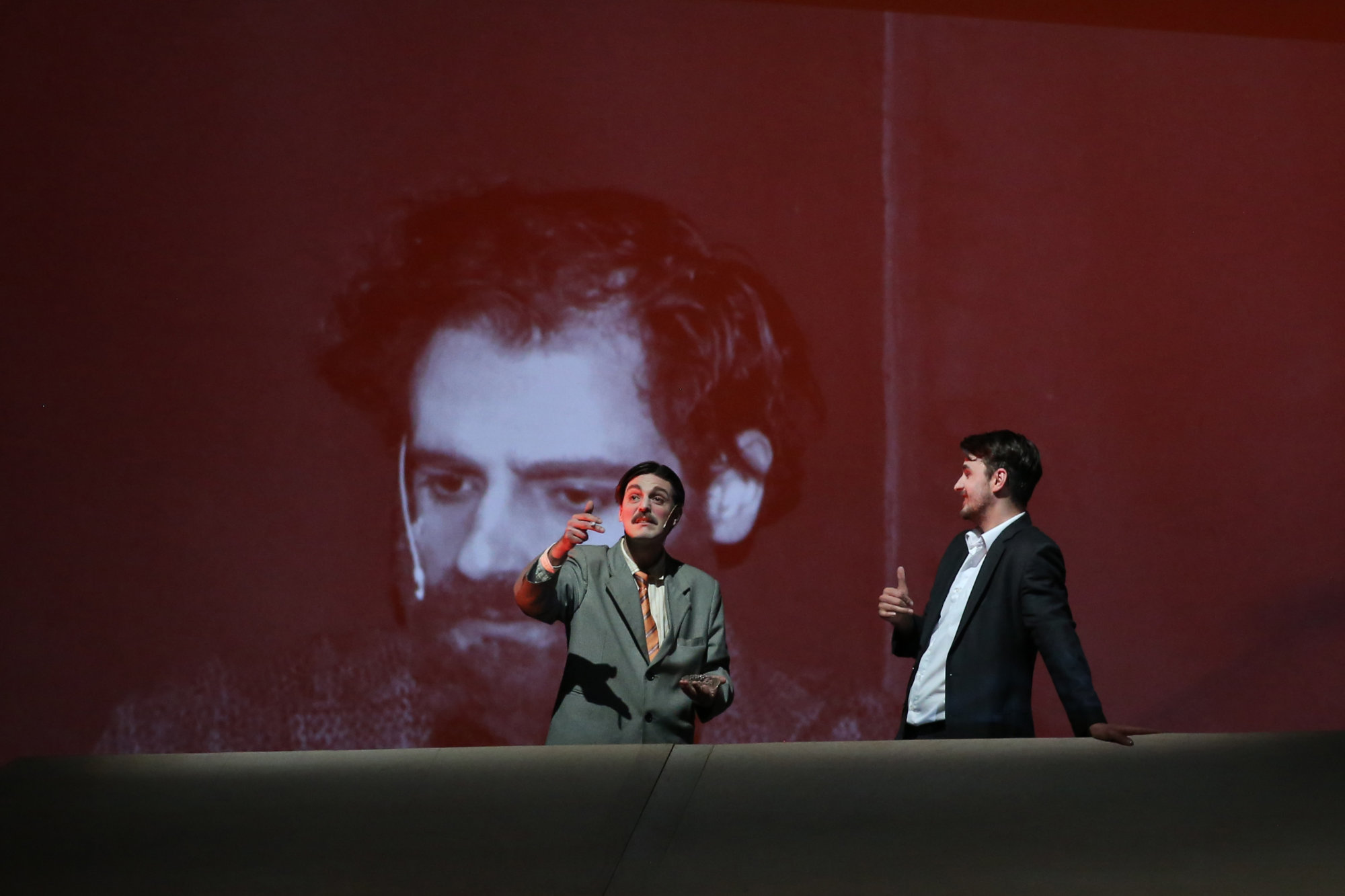
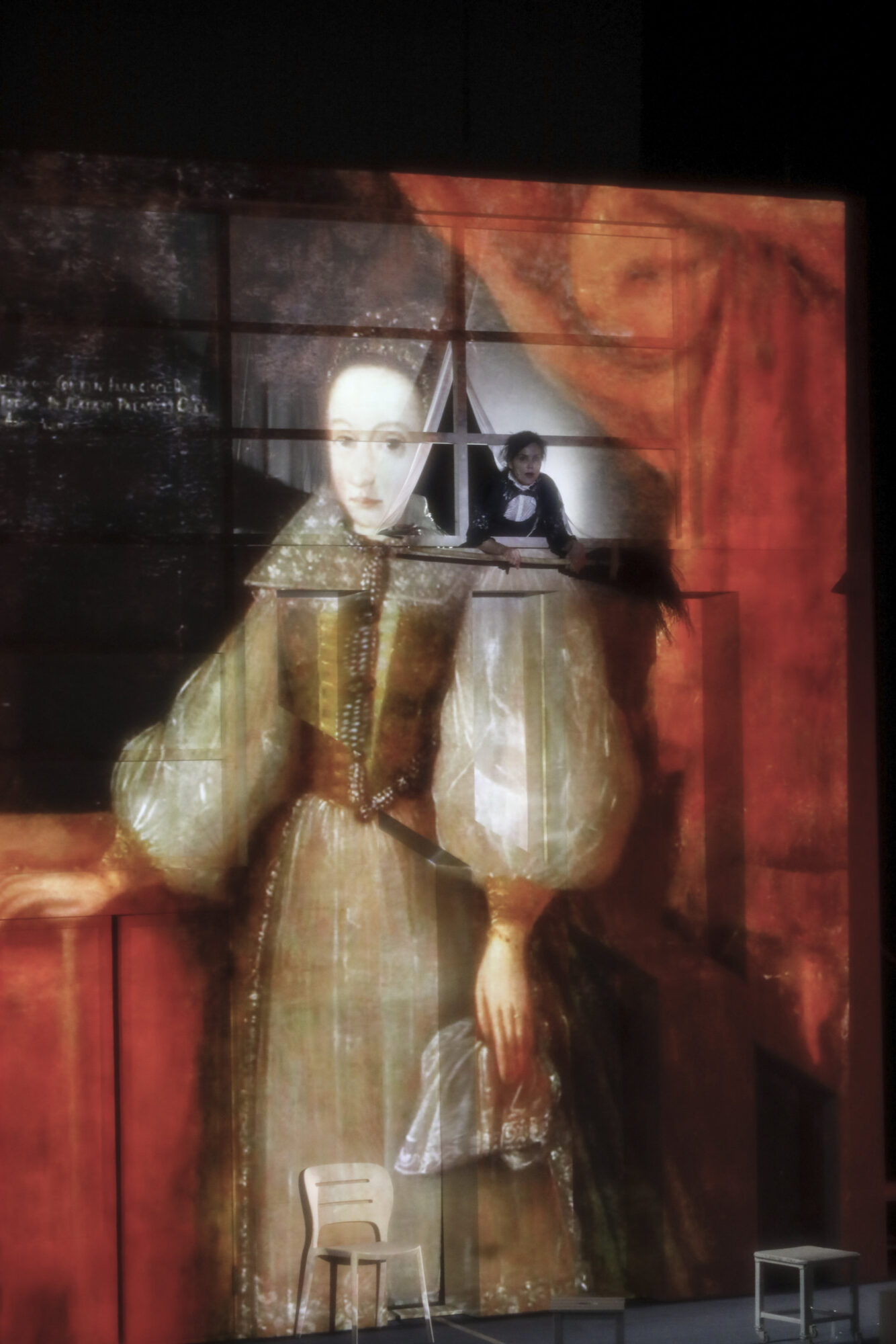
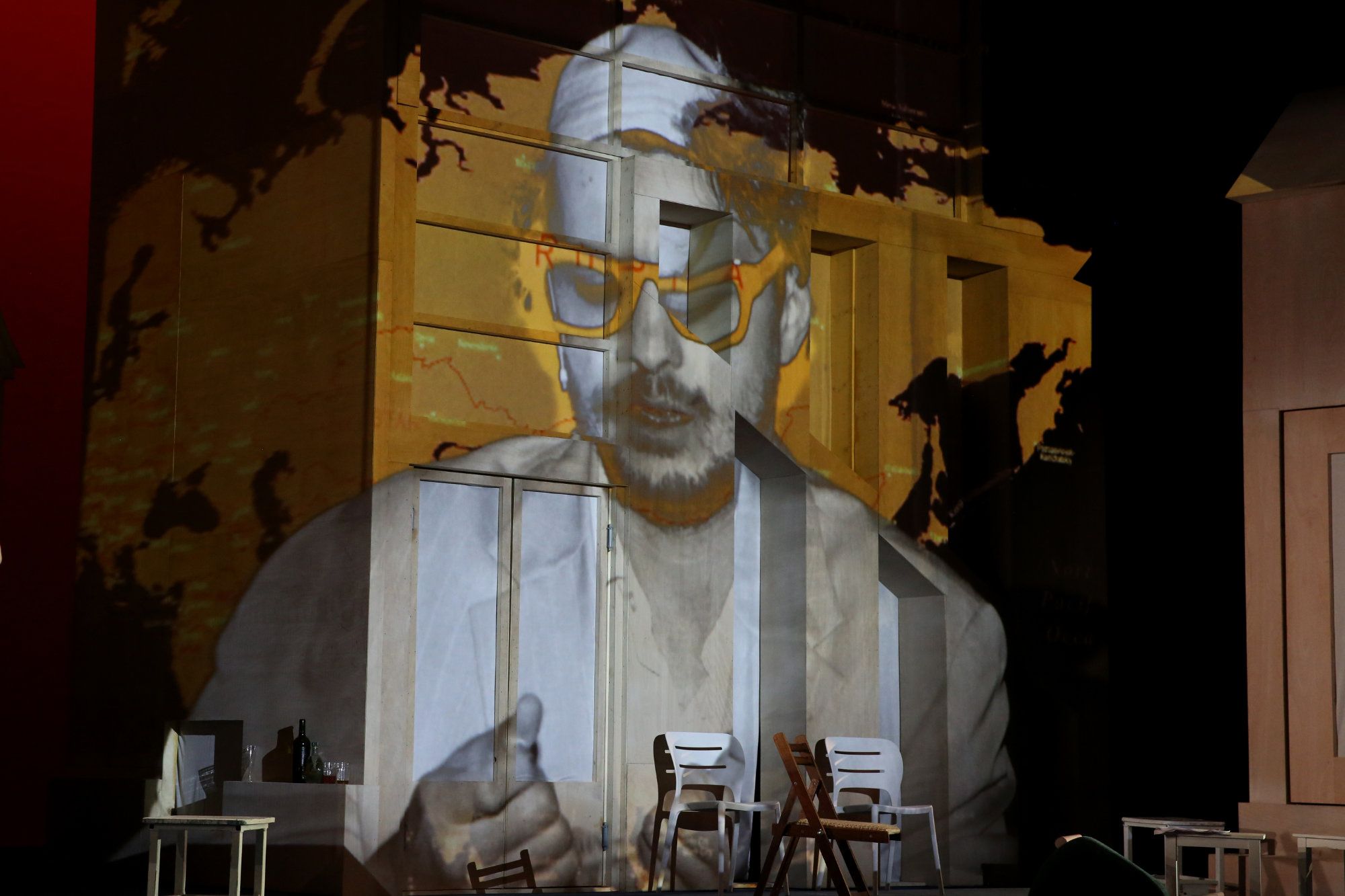
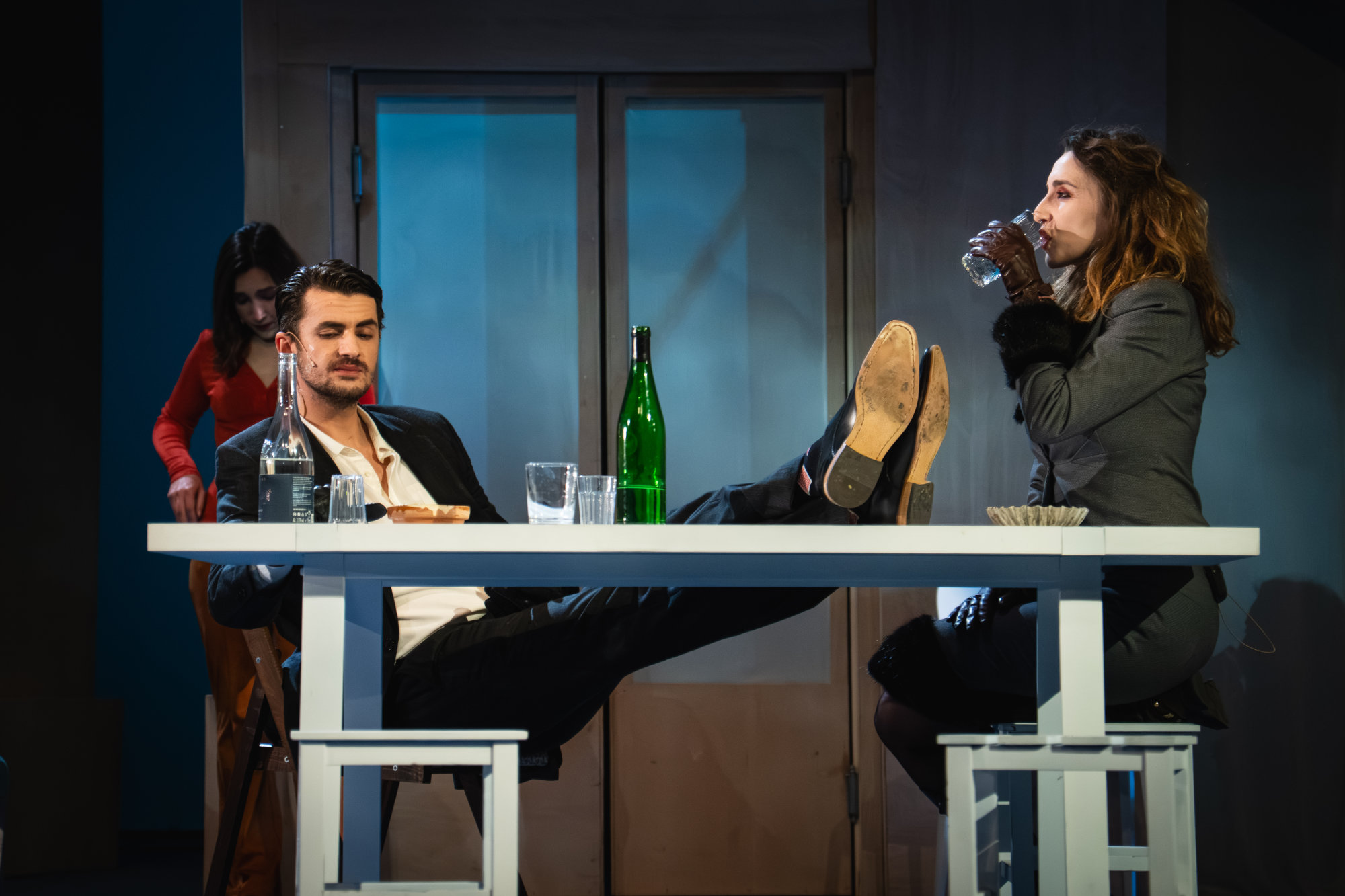
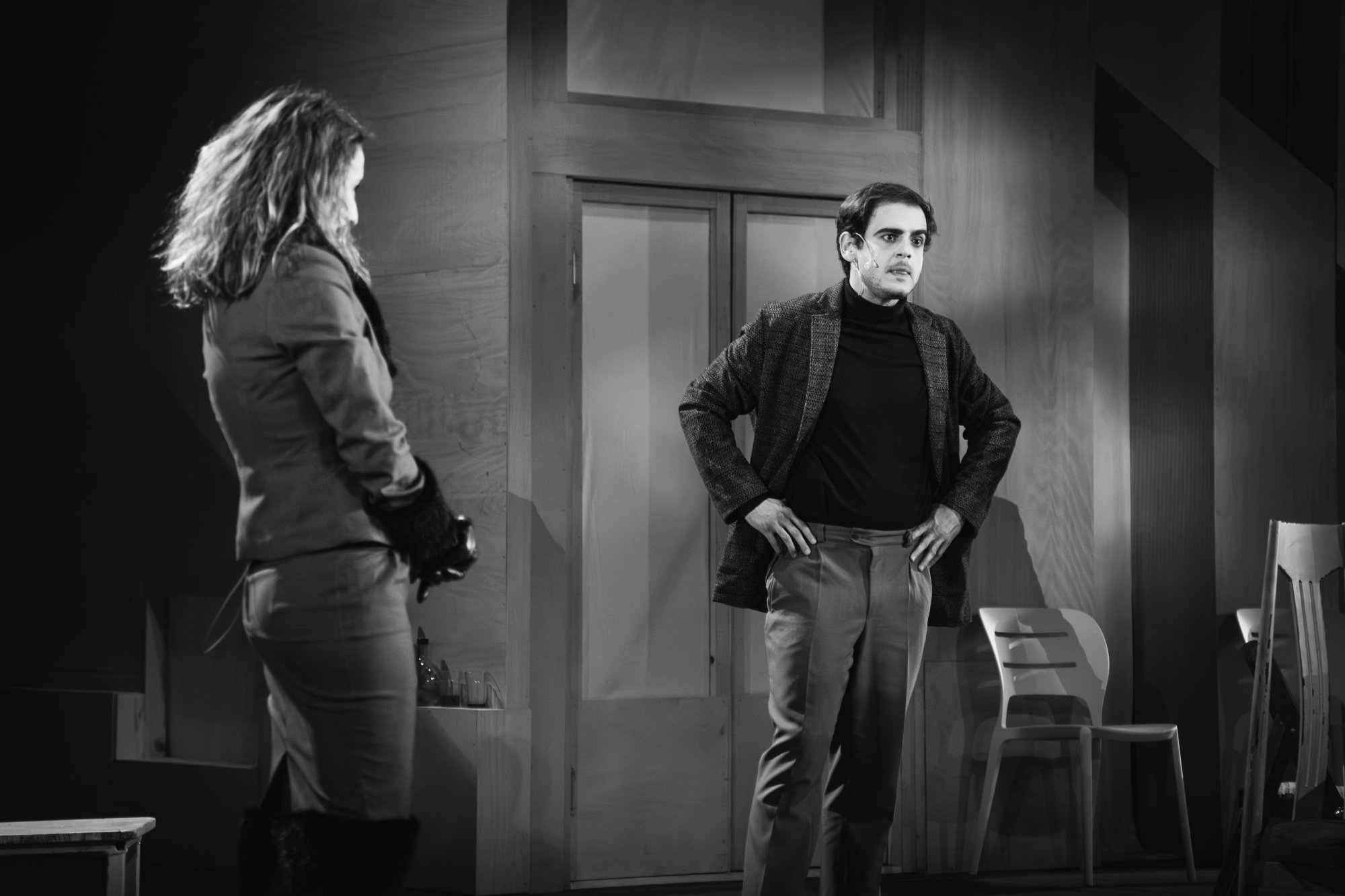
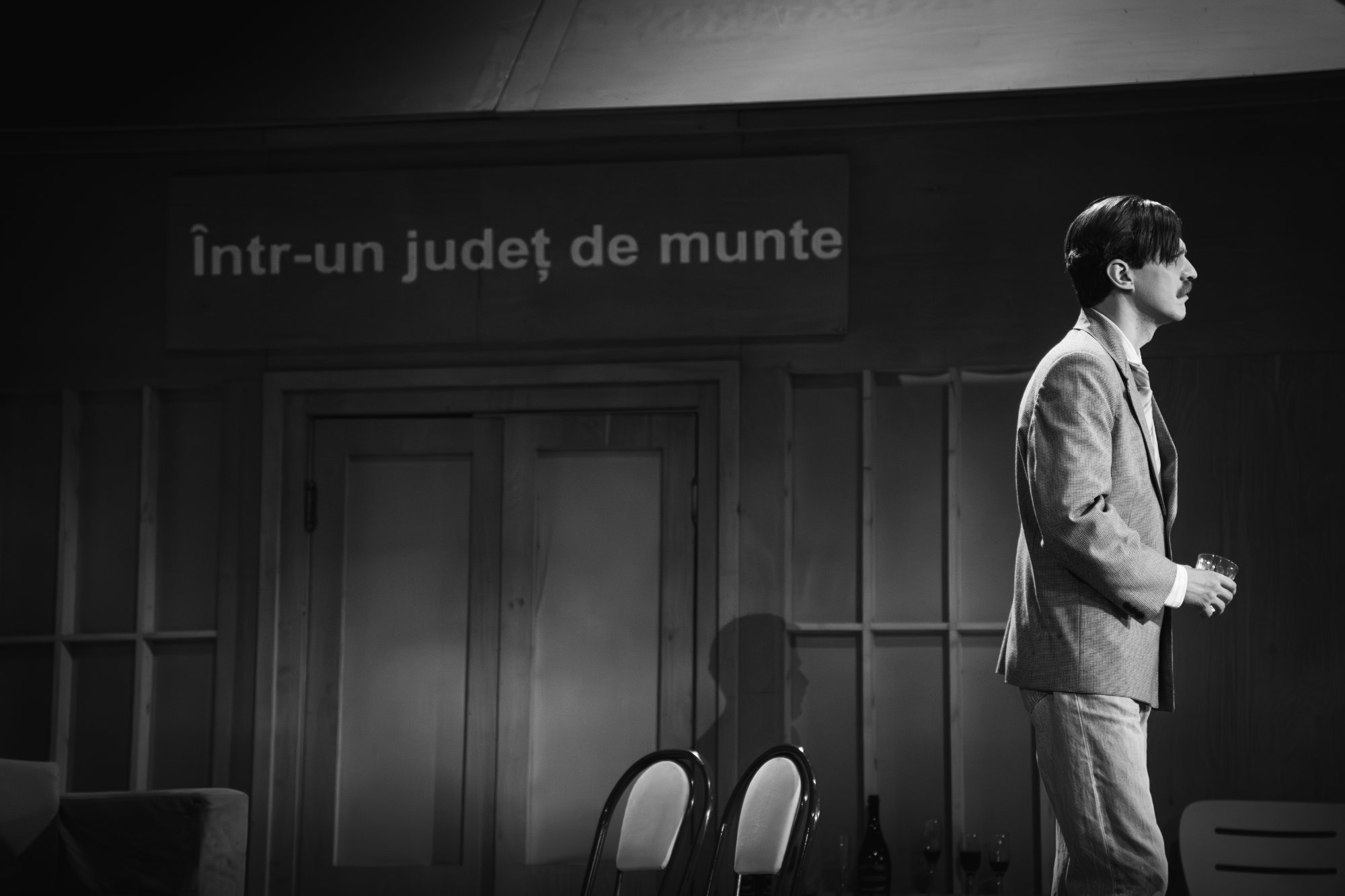
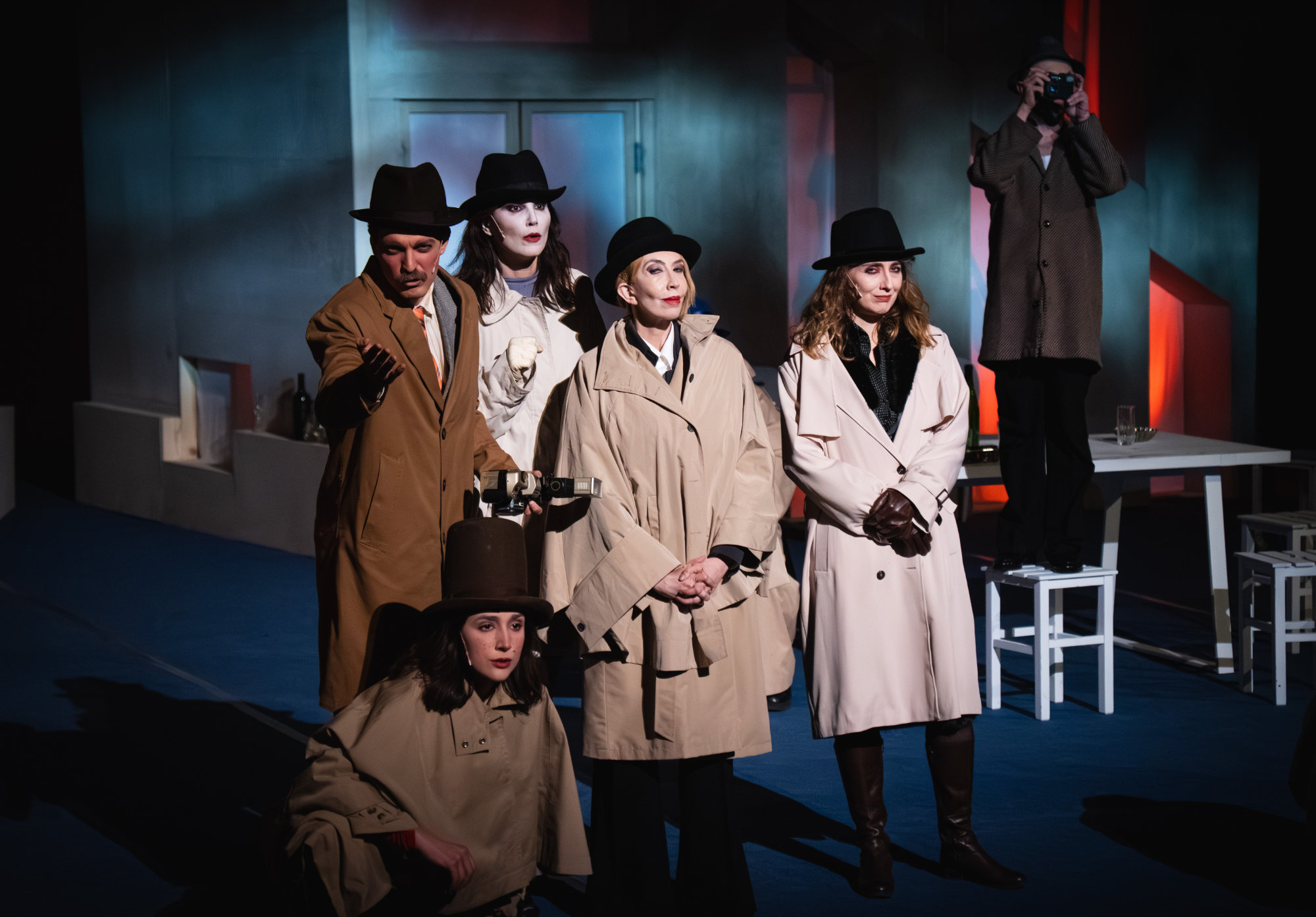
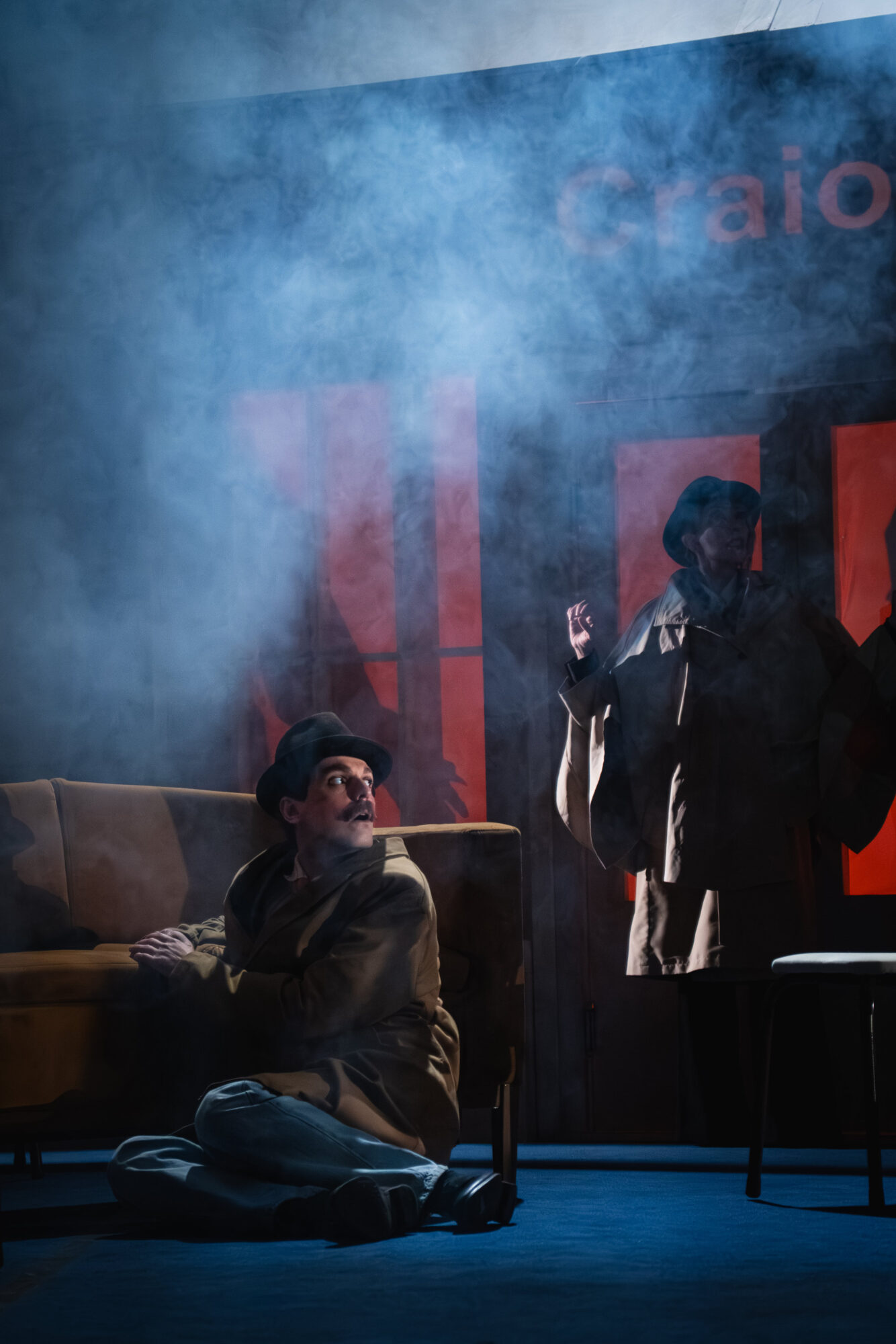
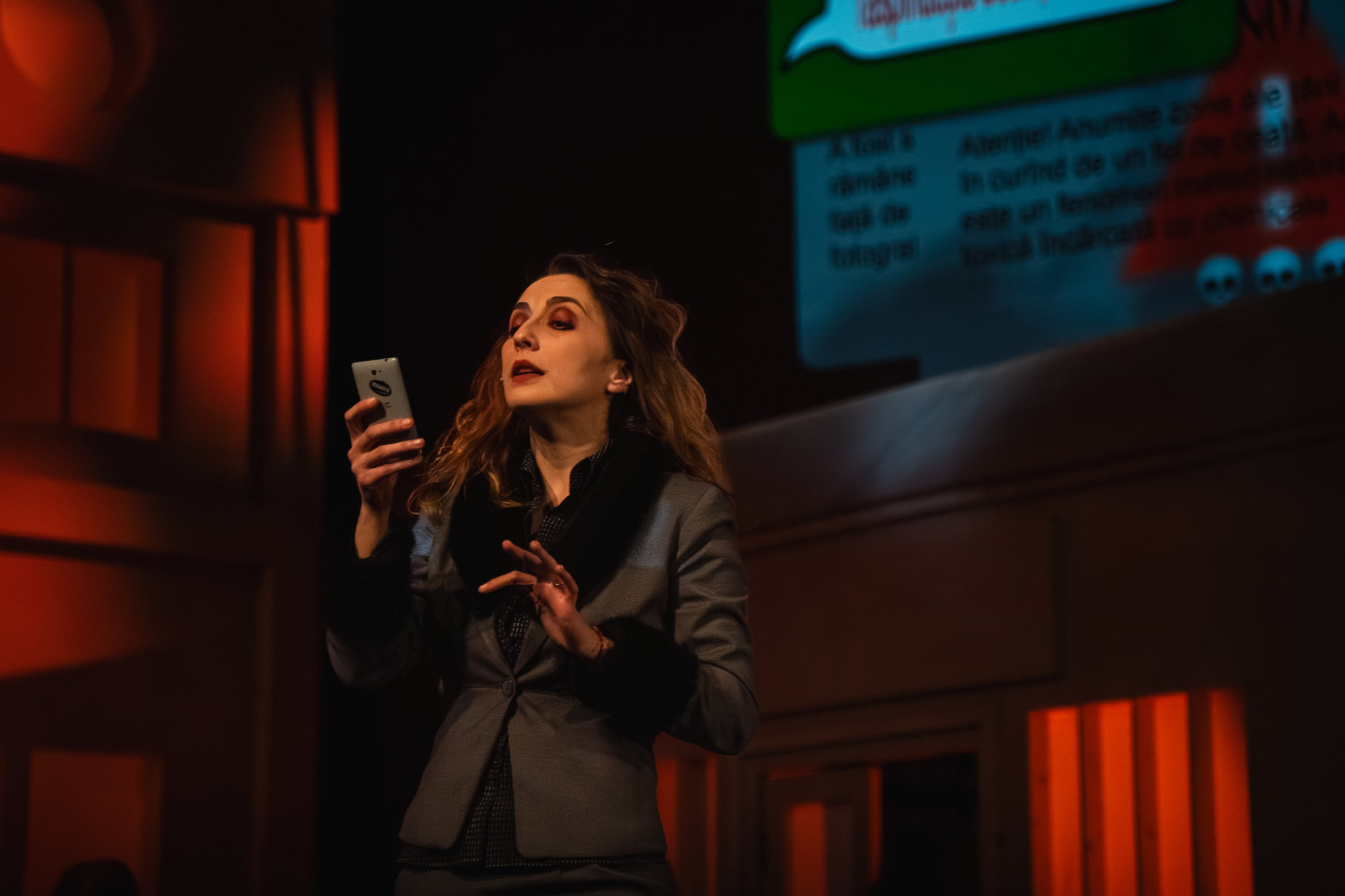
“In her most recent premiere (in March), in Craiova, Gianina Cărbunariu uses the convention of the table among relatives to work not with the most common element of this convention (the revelation of family secrets – but we also have a secret here, in the end), but with the micro-grained image of conflicts within Romanian society. Of political polarization, more precisely – in the context of the cancellation of the presidential elections in 2024. (…) The scenography in Craiova is almost realistic, located between the dining room and the public square, short-circuited by the projections and appearances on the set of various ghosts (of Elena Ceaușescu, of Anna Báthory, of Safta the florist and of Mr. Pîrvulescu) – and by the meta/auto/theatrical references so specific to the author – which, in the end, also directs the way the actors play. (…)
In a show that aims to talk about the multitude of perspectives and the need to make them dialogue, in a fractured world, where no one holds a privileged perspective on the good, the couple Iulia-Ștefan appears as the most difficult to shade with black and gray (apart, of course, from the young future parents) – and it is to be believed that this happens because, in the end, they are the closest to the identity, especially political, of the authors of the show and the audience.
Iulia Popovici, “The Kingdoms” of Our Enemies. Two Political Performances, Observator Cultural, no. 1303 / 08.05.2026 https://www.observatorcultural.ro/articol/regnurile-iubitilor-nostri-dusmani/
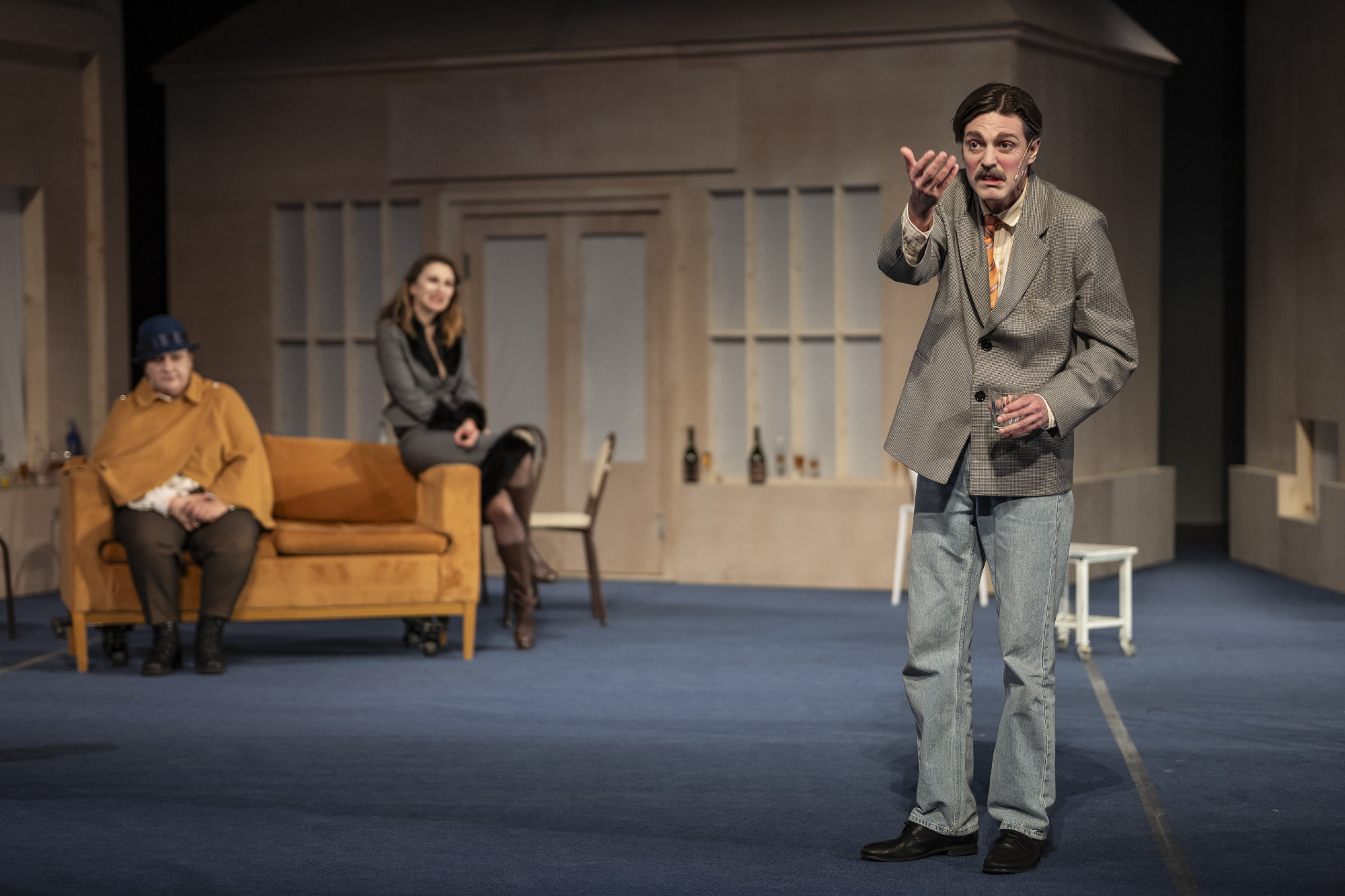
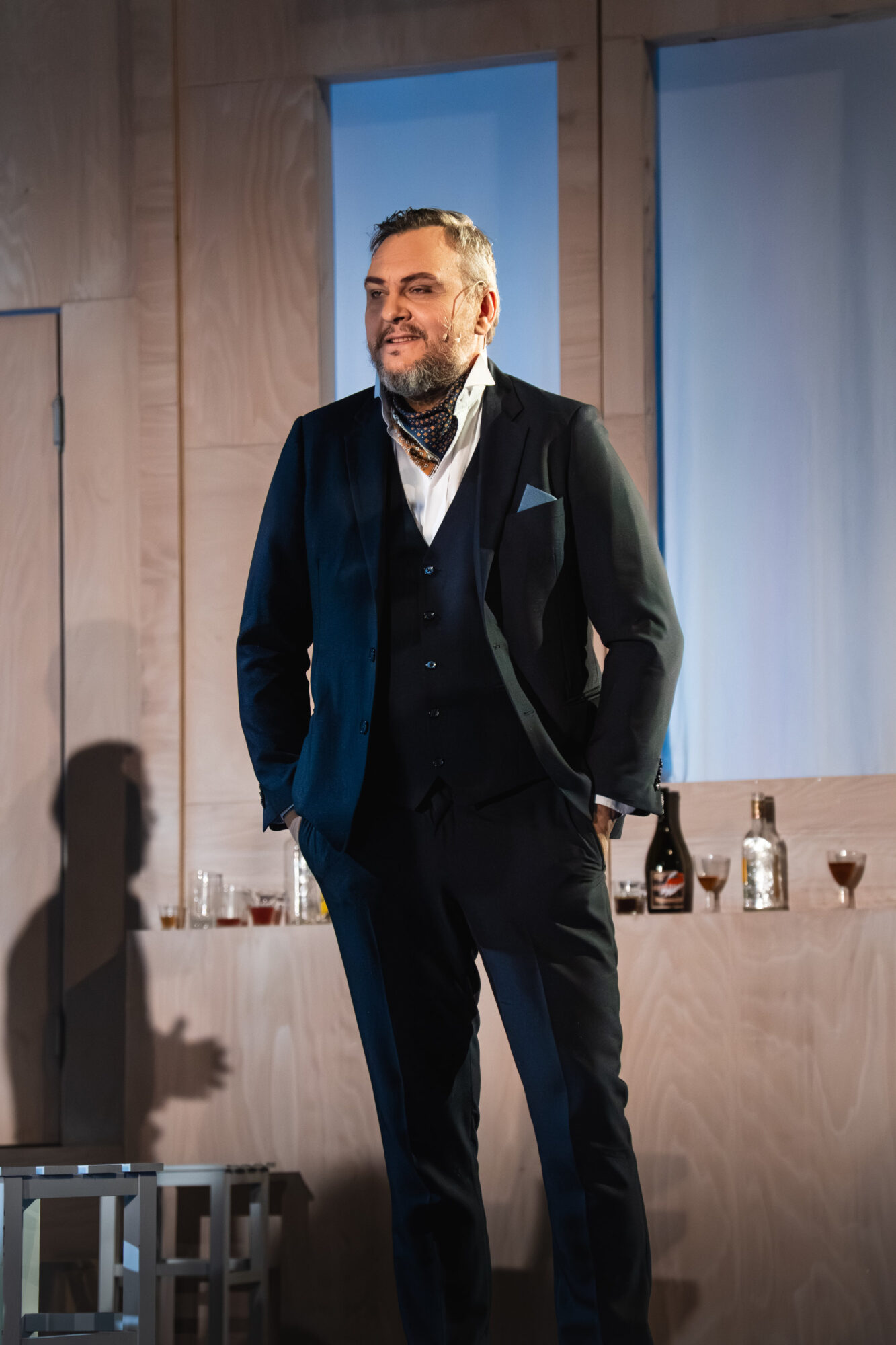
"A family reunion that takes place sometime around Christmas. A vacation home. (…) The girl's parents, who have emigrated to Italy for many years, have returned to the country for the holidays. The boy's parents are medical professionals with solid careers and high positions on the social ladder in Romania. The godfather is a hyper-energetic young entrepreneur of great success, while his wife enthusiastically ticks off a number of fashionable occupations that catch the eyes & money of the nouveau riche of the big cities of the homeland. The clash of worlds, classes, fortunes, inheritances, education, chances. Imminent danger of explosion!
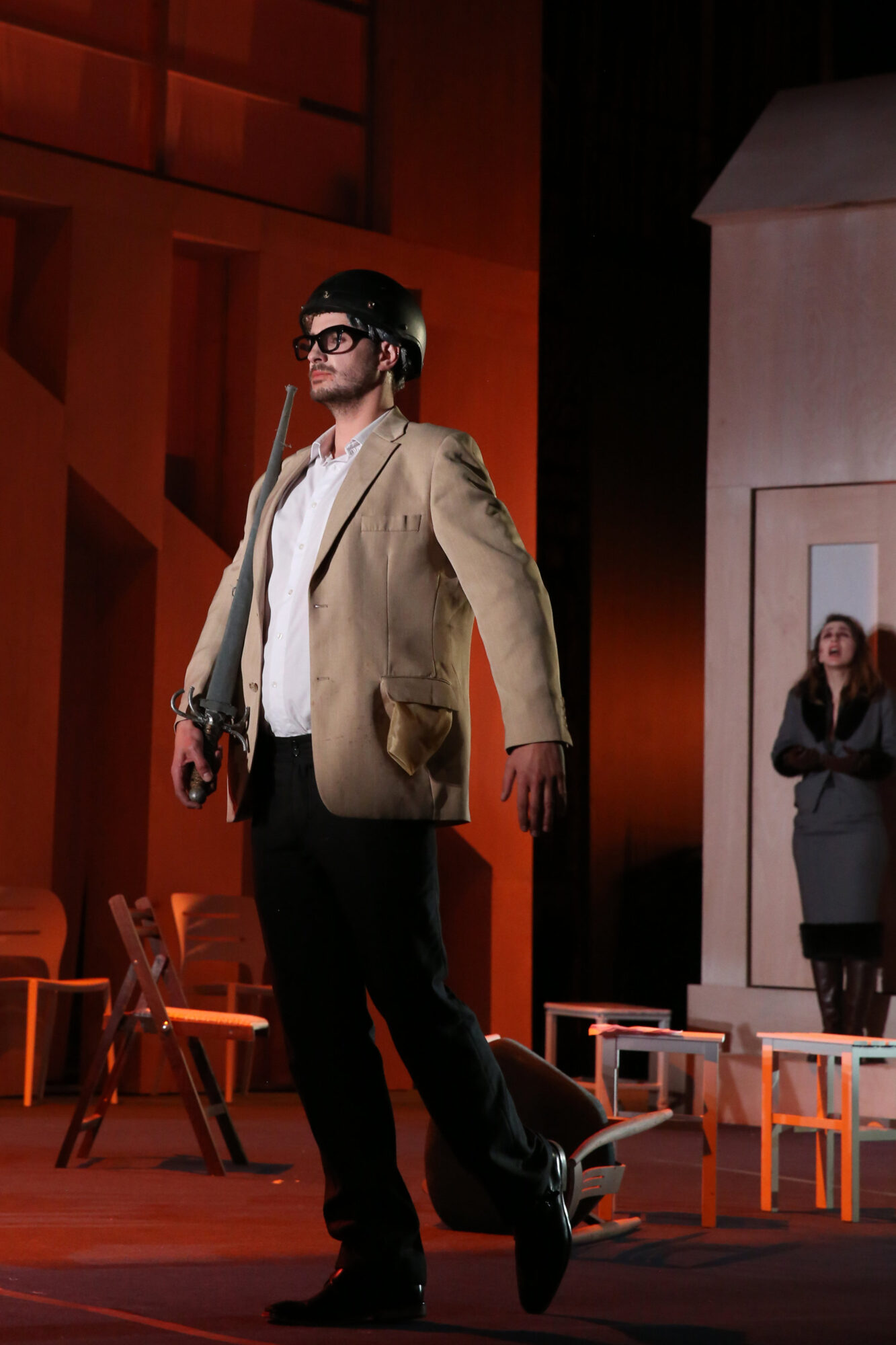
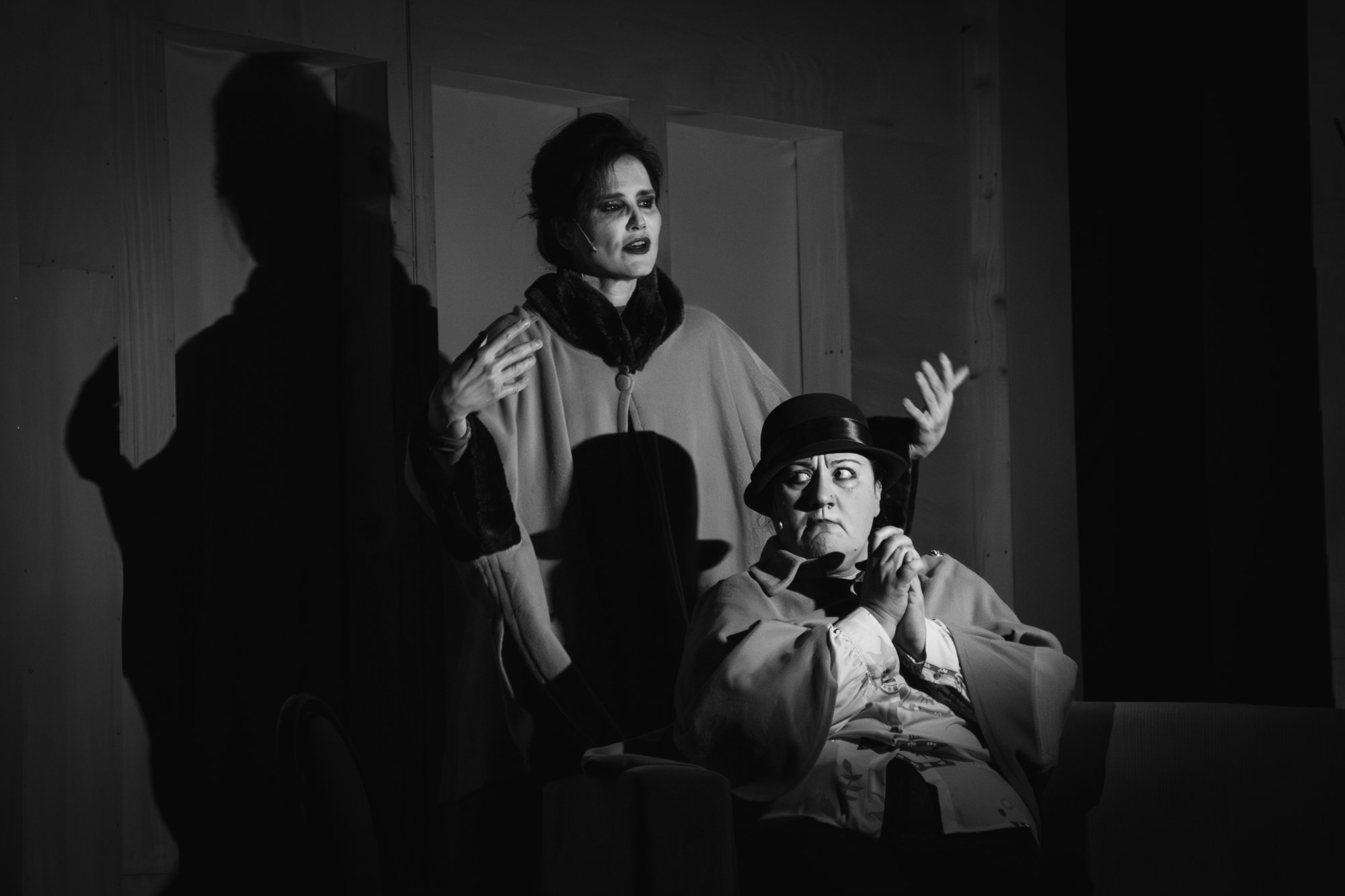
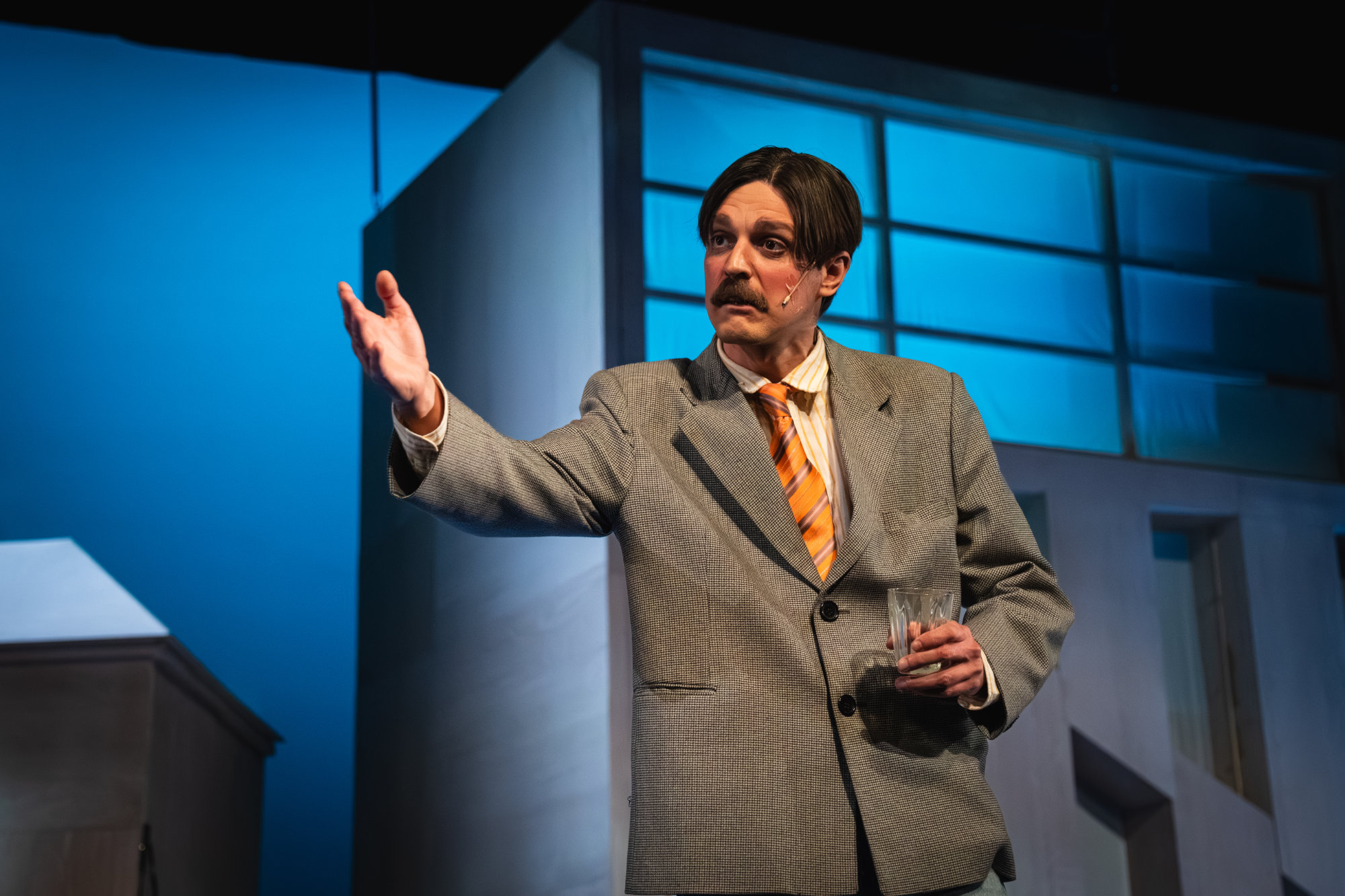
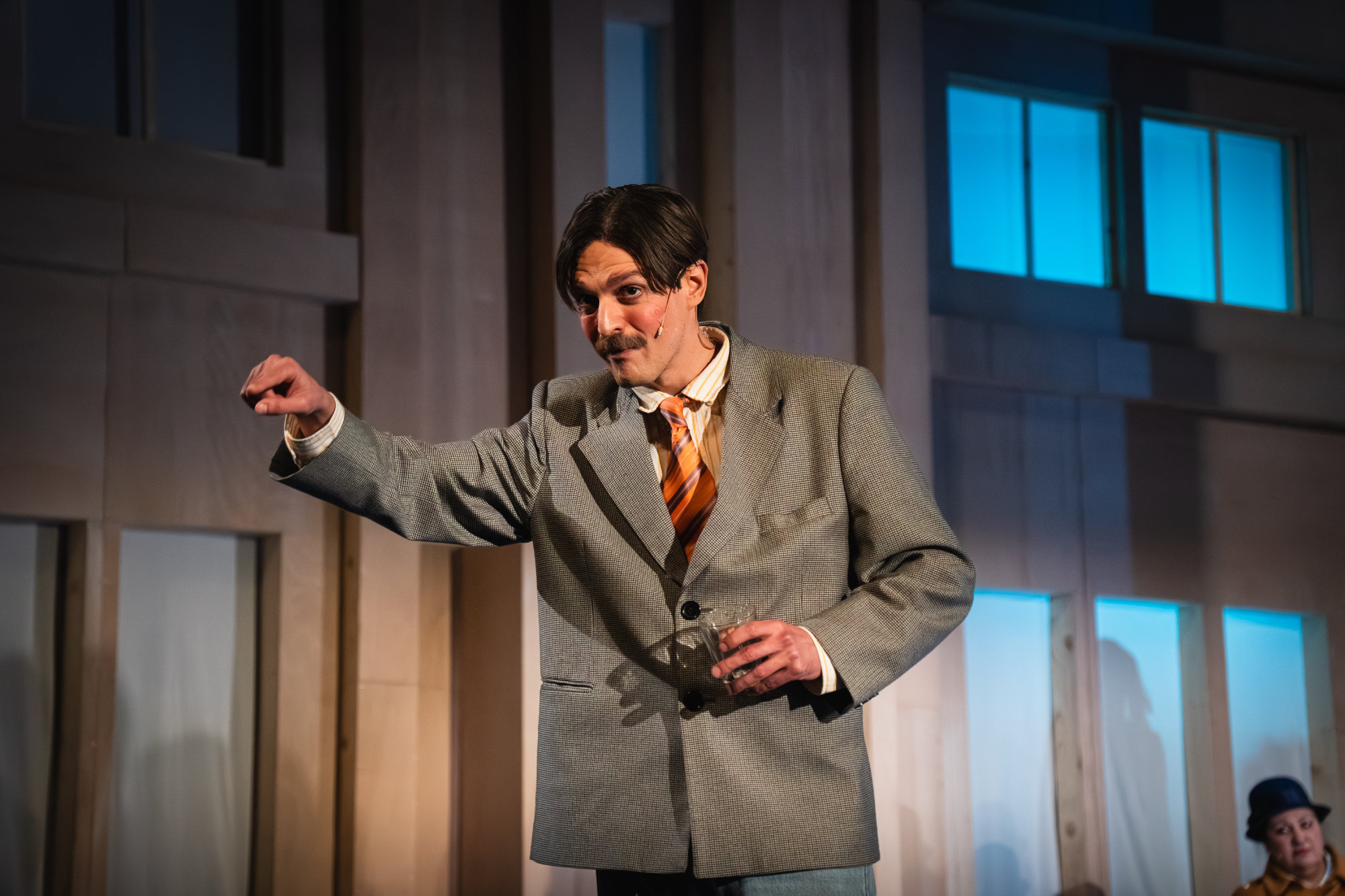
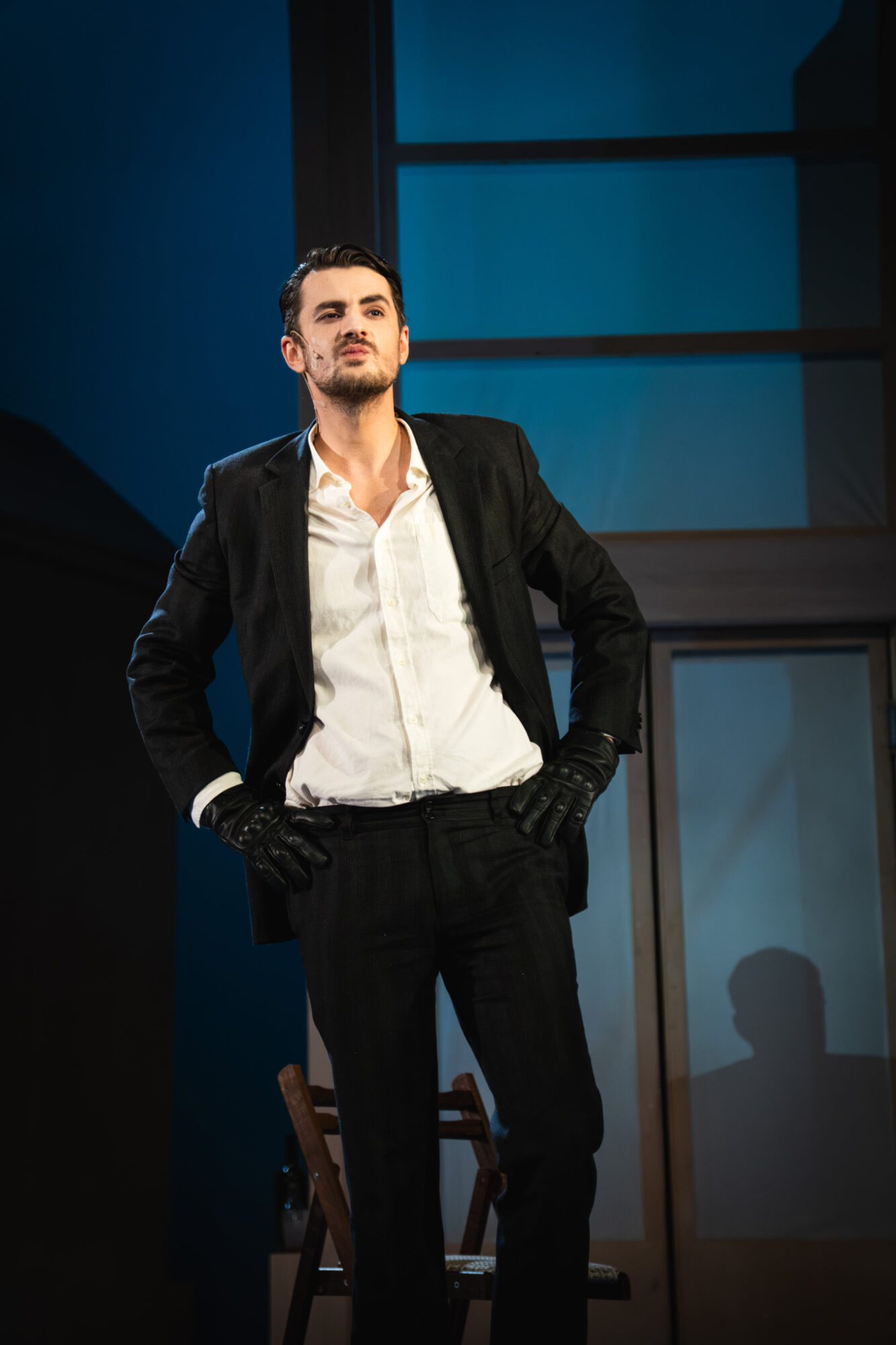
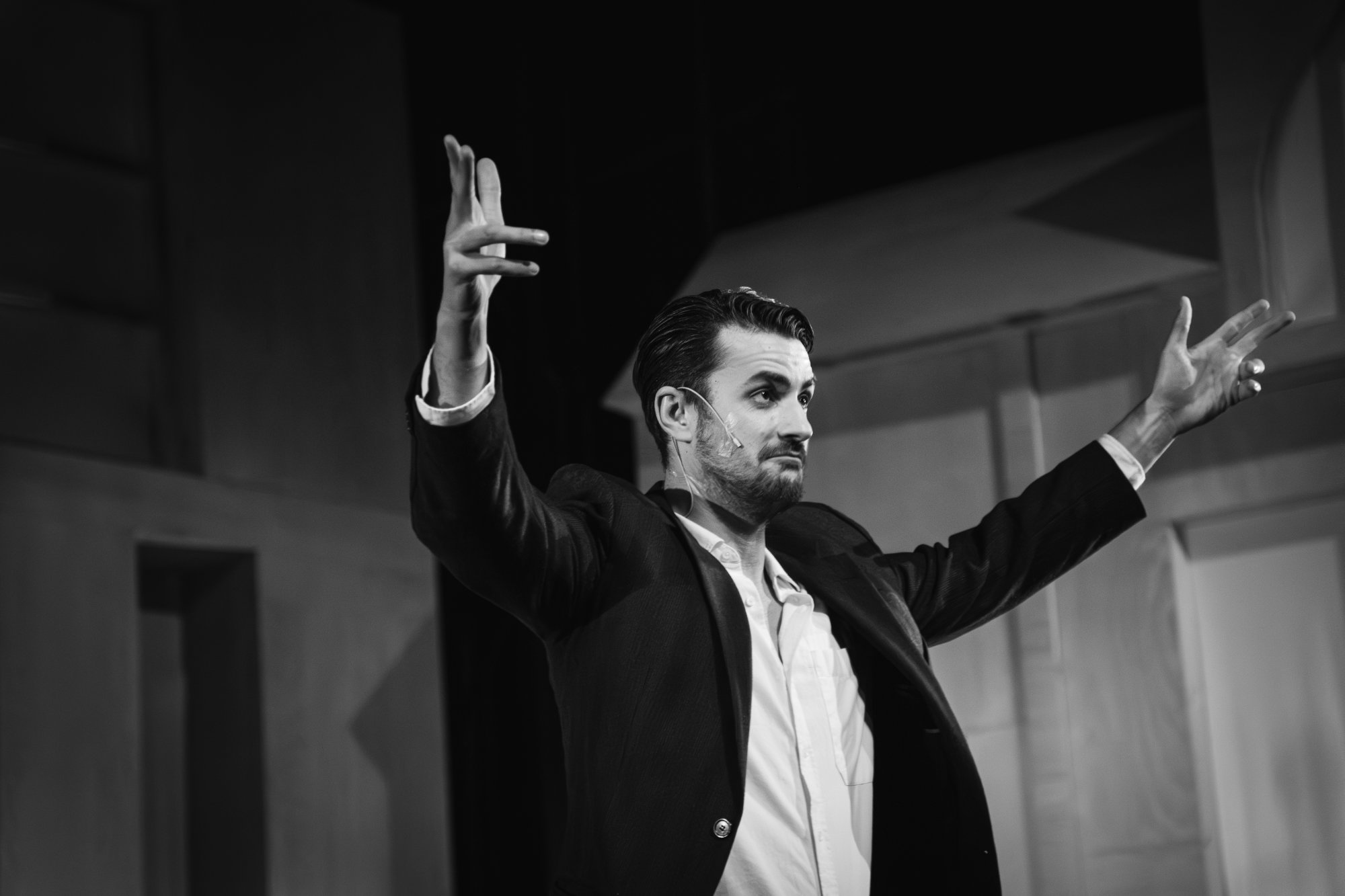
The key to immediate realism gives way, from time to time, to the almost fictional oneiric. Vlad Udrescu is at times the ghost of Jean Pârvulesco, a character both real and surreal, a meteoric appearance in Jean-Luc Godard's cinema and a rampant apologist for Putinism, a formidable caricatured incarnation of some of the most dangerous traits of the extreme right (…). In a memorable triple appearance, Romanița Ionescu is, in turn, the ghost of Elena Ceaușescu, of Anna Báthory and of Safta Florăreasa (two historical figures and one fictional-museum one that illustrates, in various ways, the perception of women in multiple patriarchal societies).”
Mihai Brezeanu, About people and links – My beloved enemy, Liternet, May 2026, https://agenda.liternet.ro/articol/31282/Mihai-Brezeanu/Despre-oameni-si-linkuri-Iubitul-meu-dusman.html
Niciun rezultat pentru ""
Tastează pentru a începe căutarea...