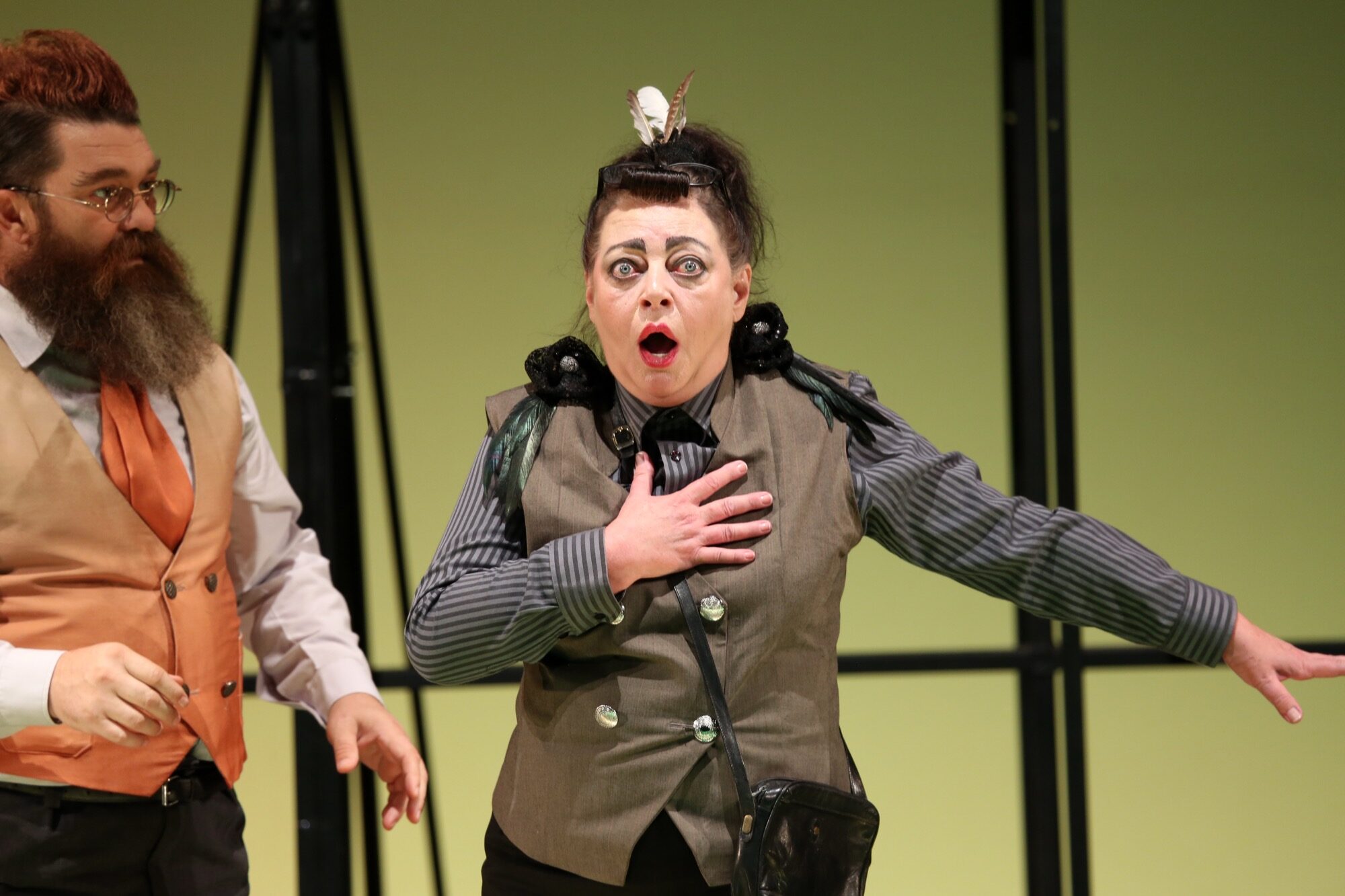
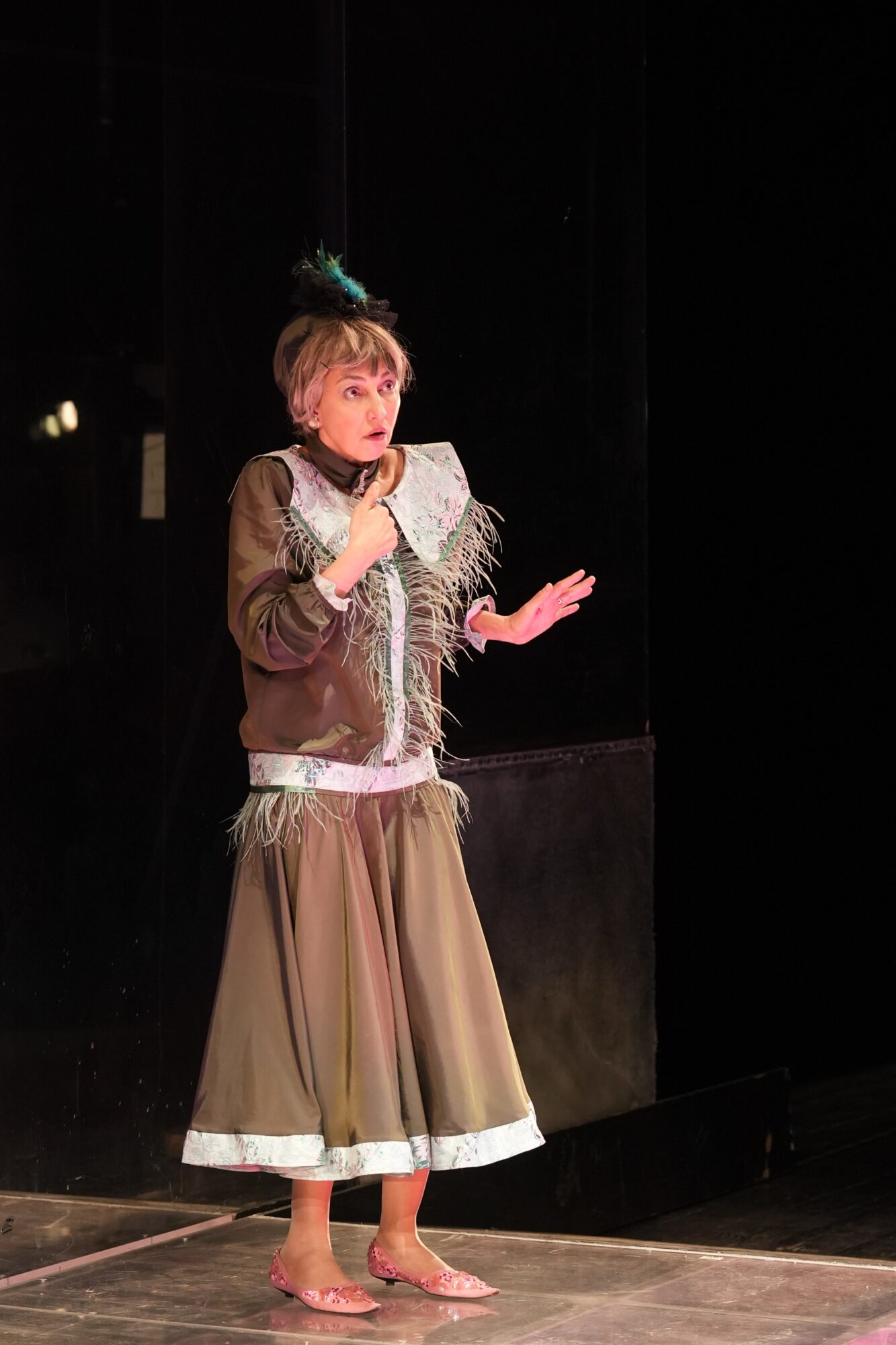
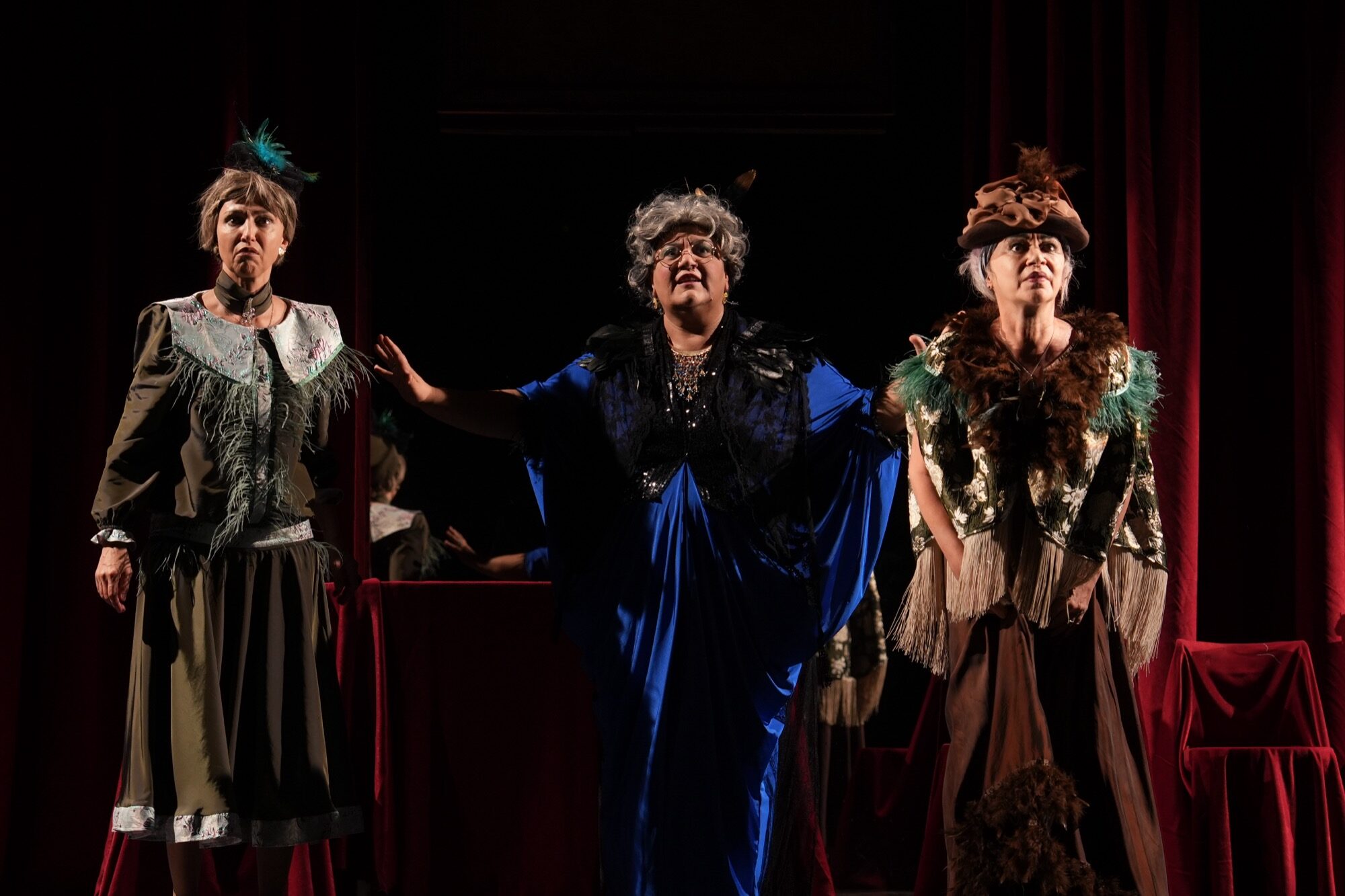
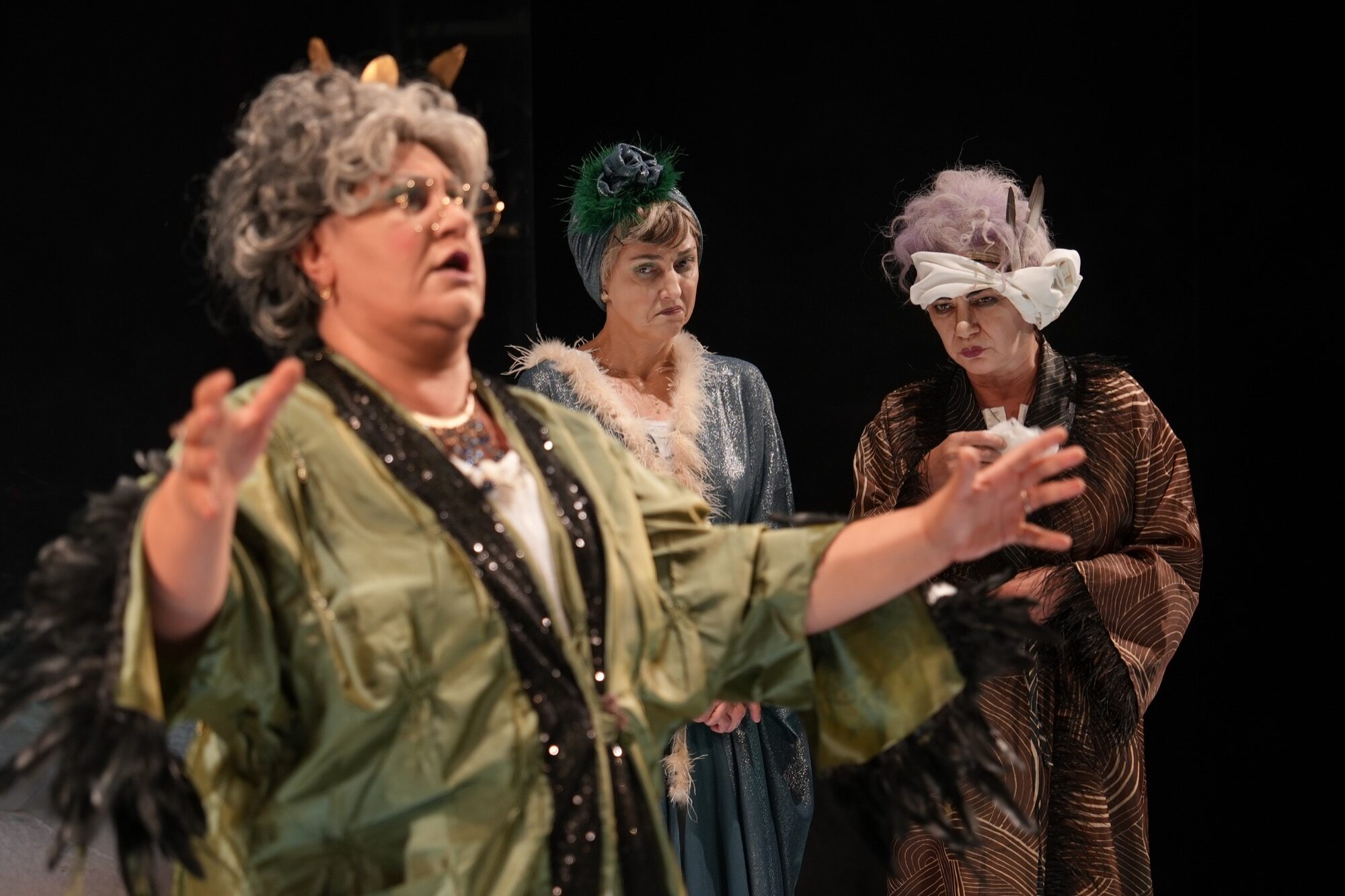
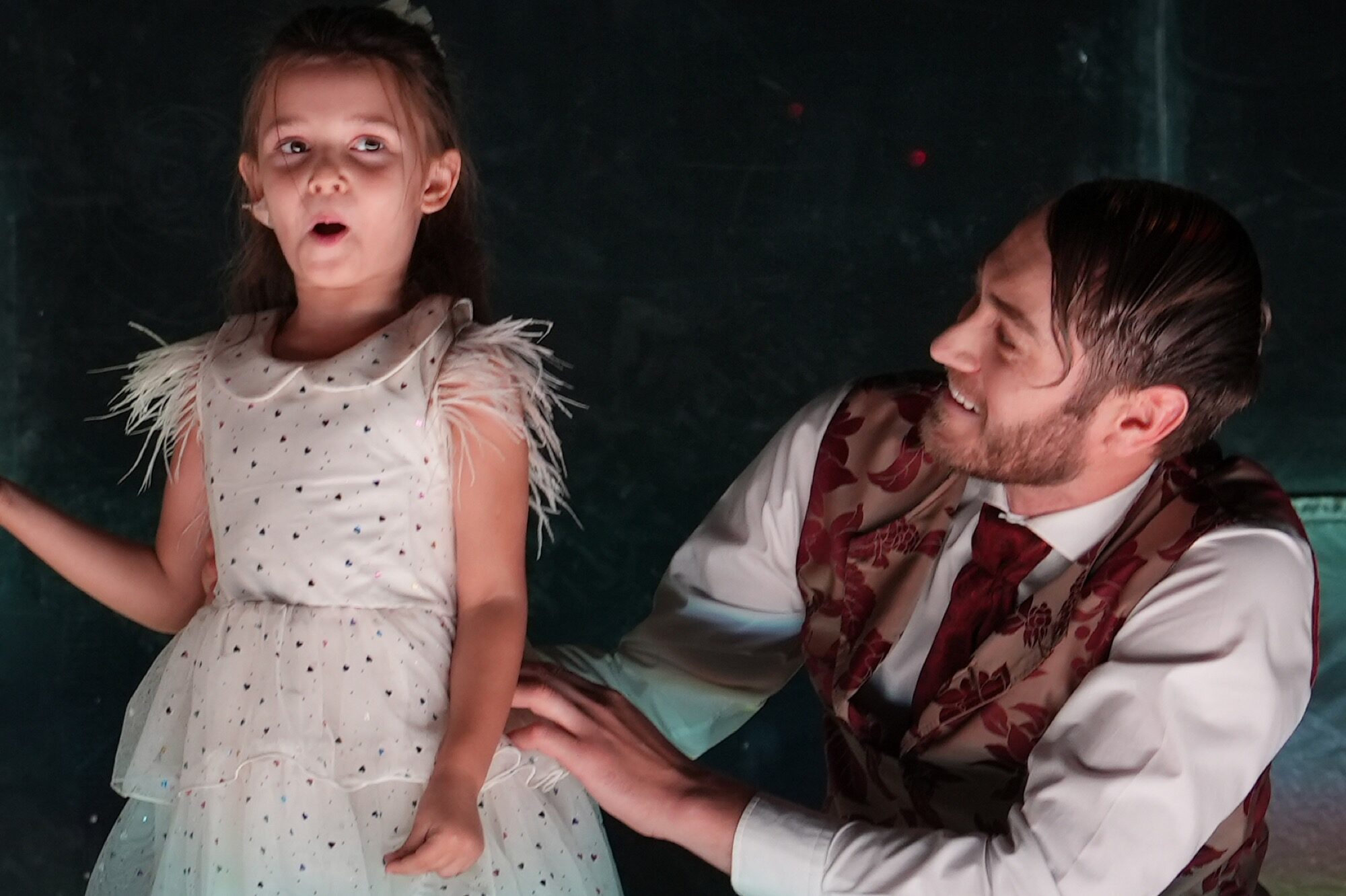
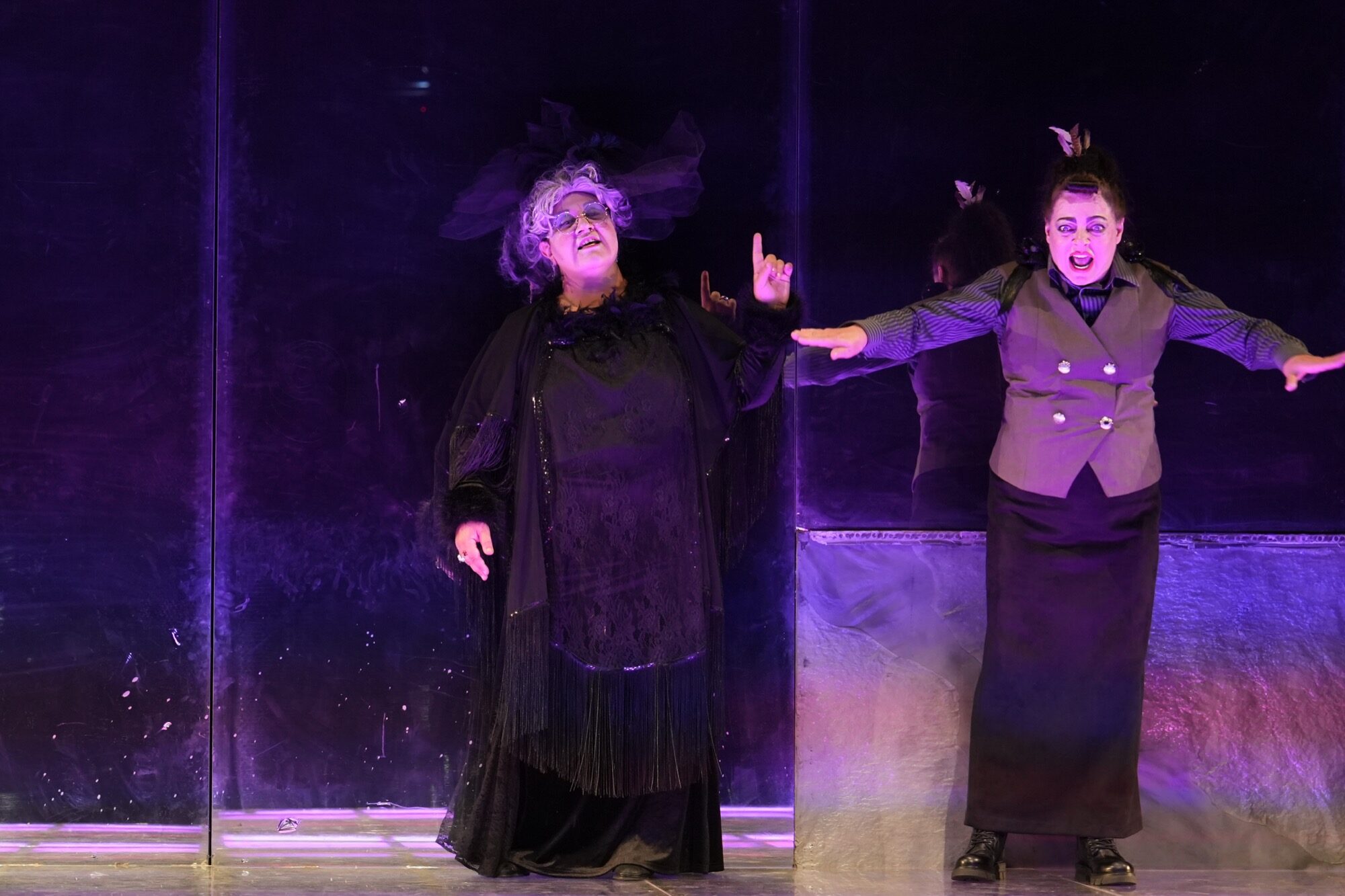
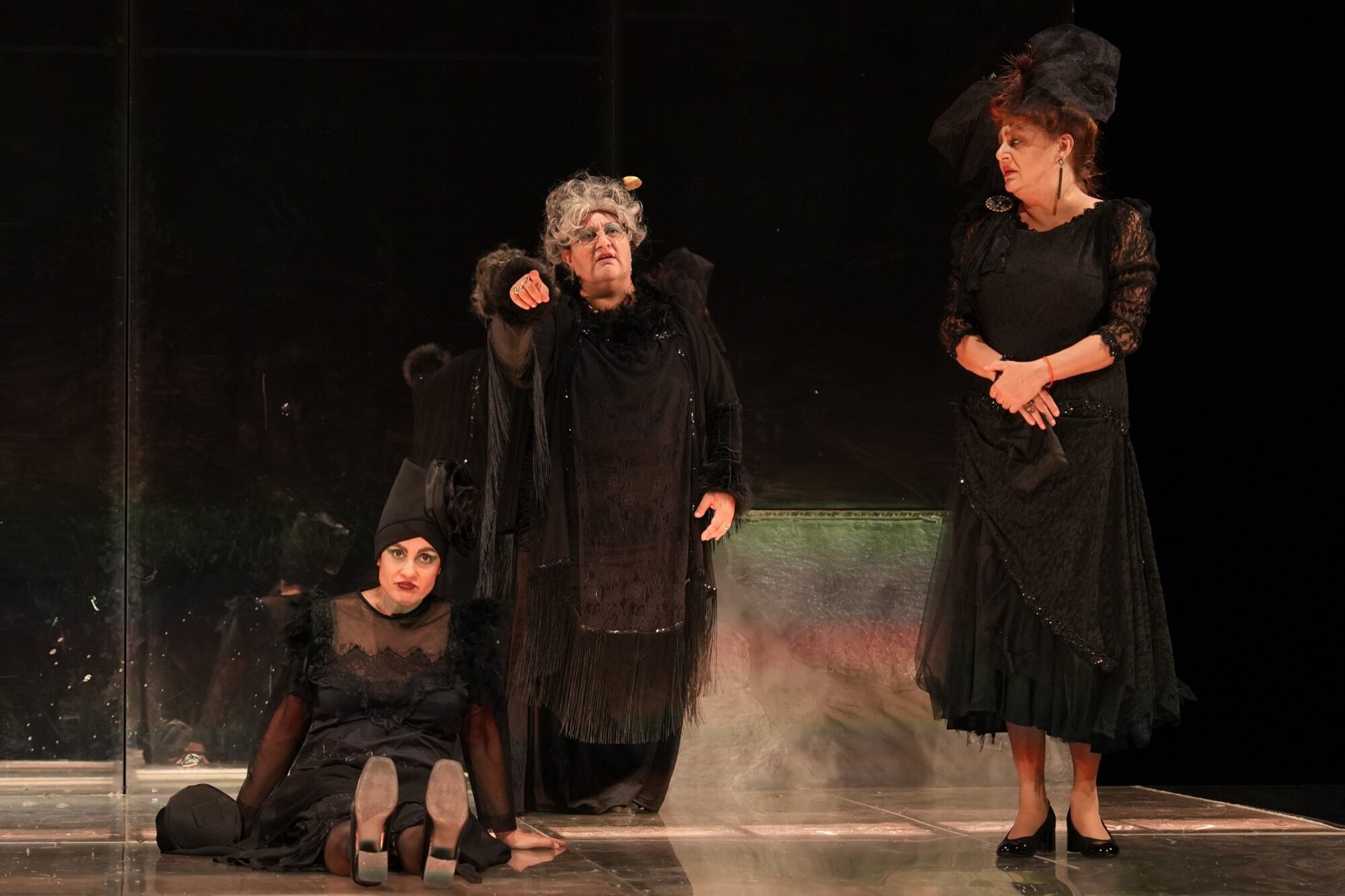
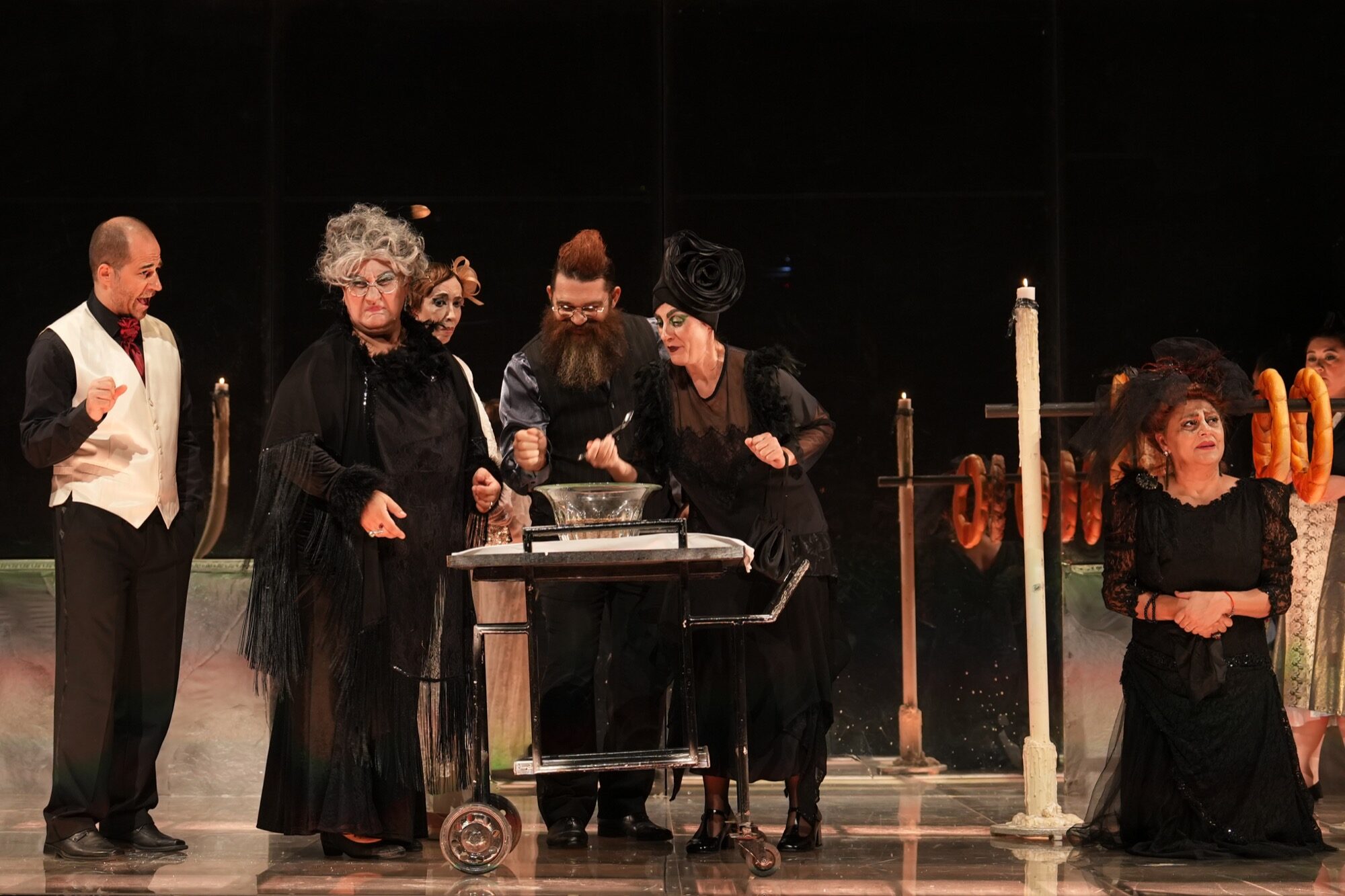
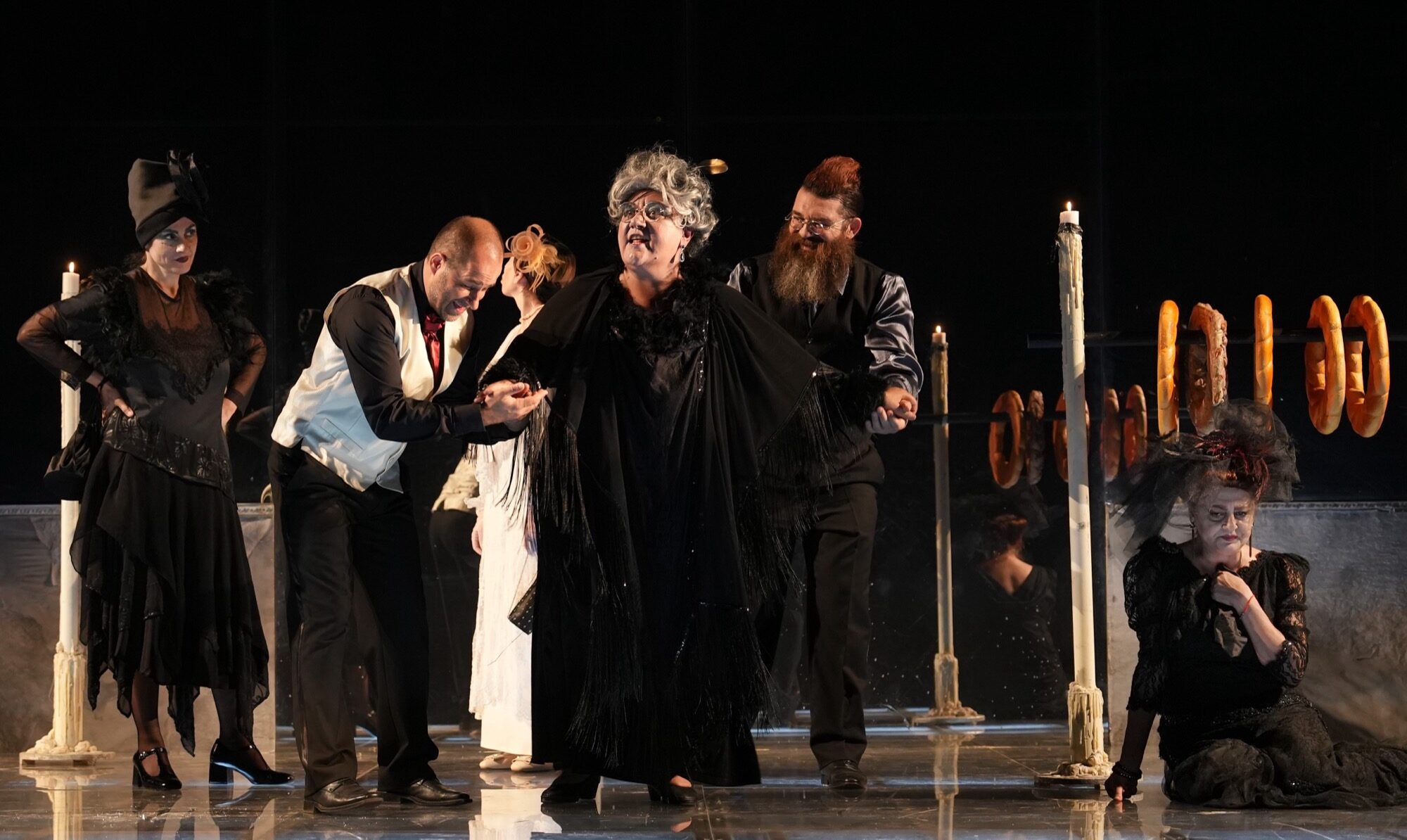
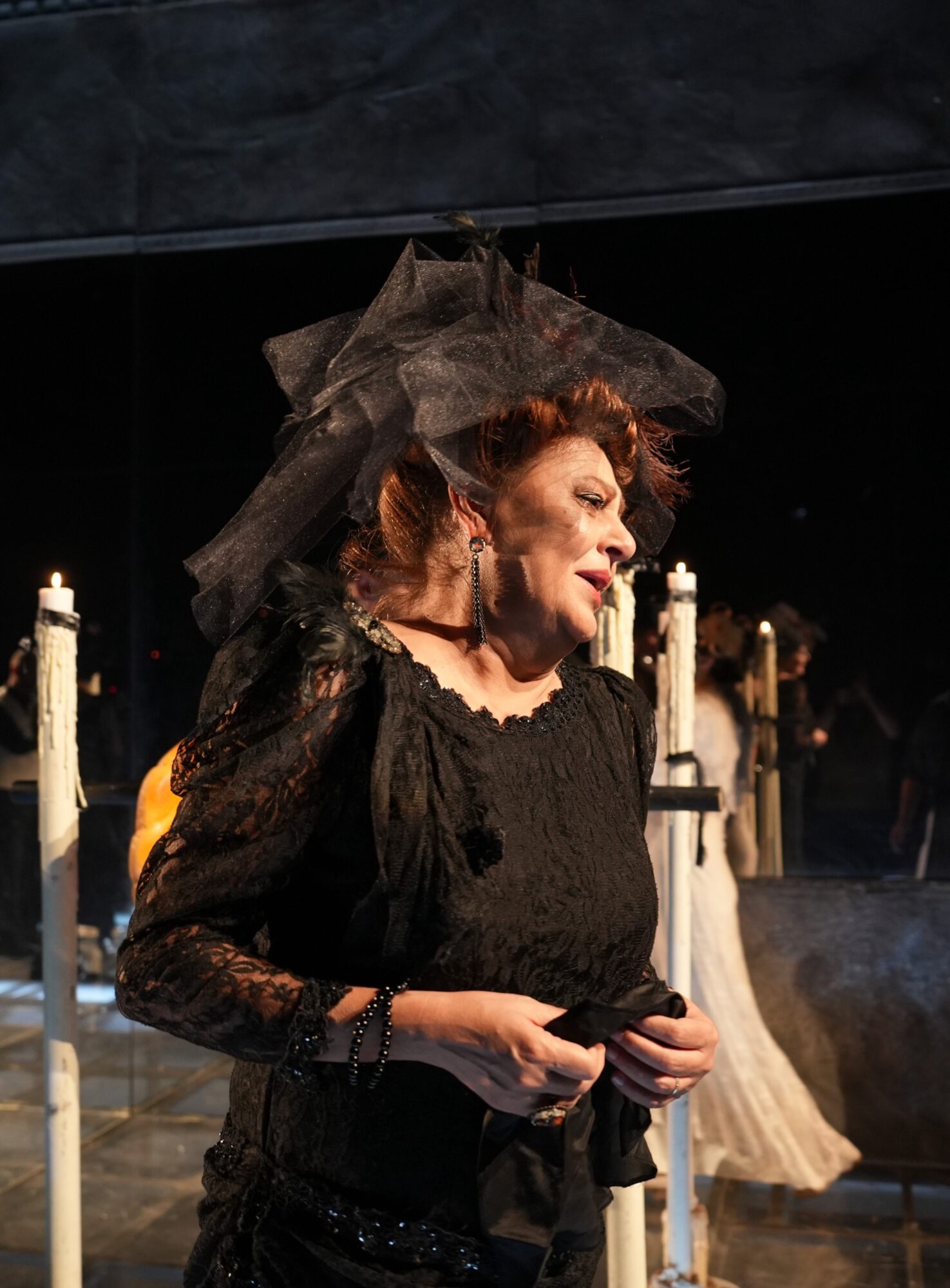
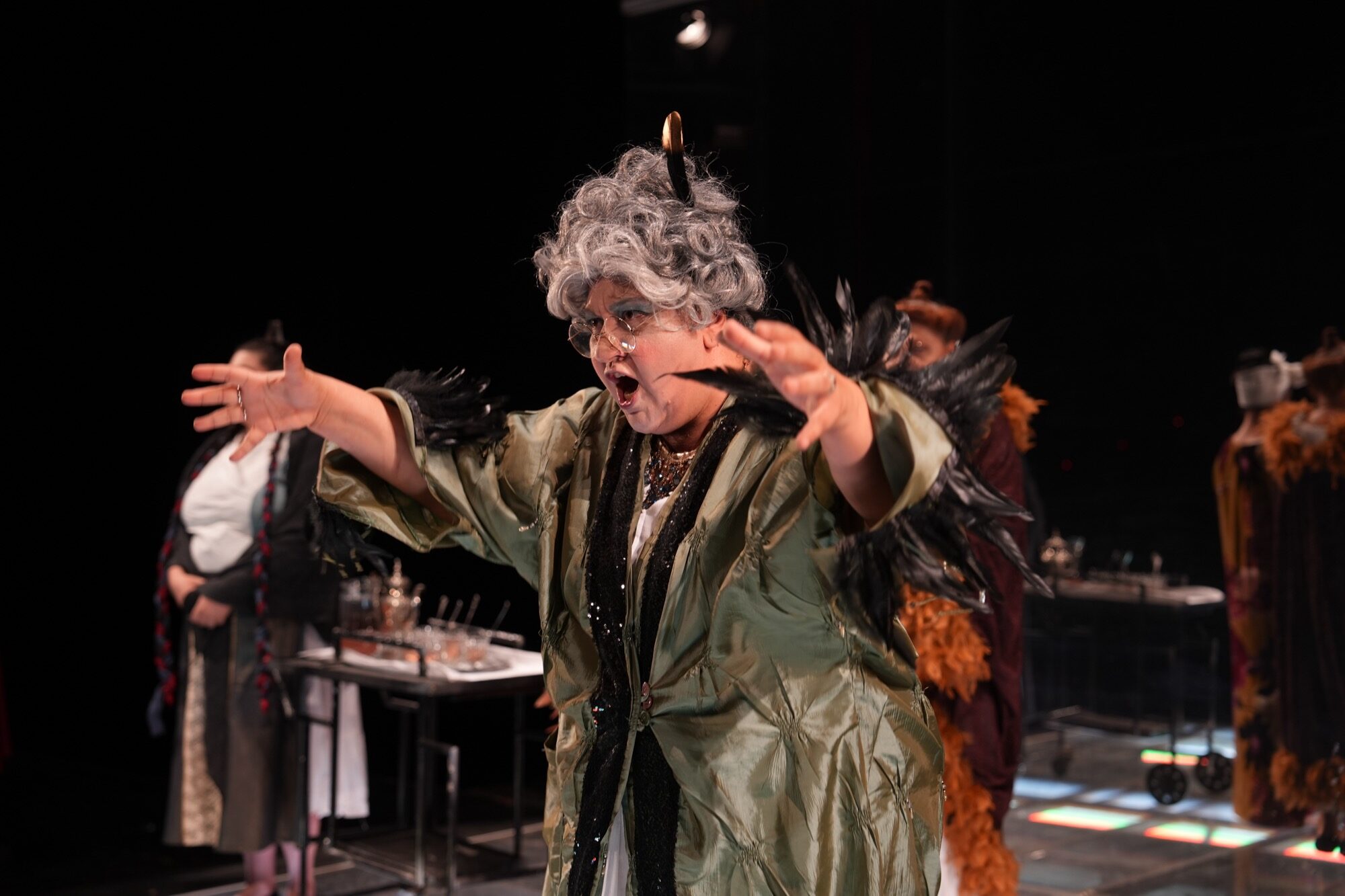
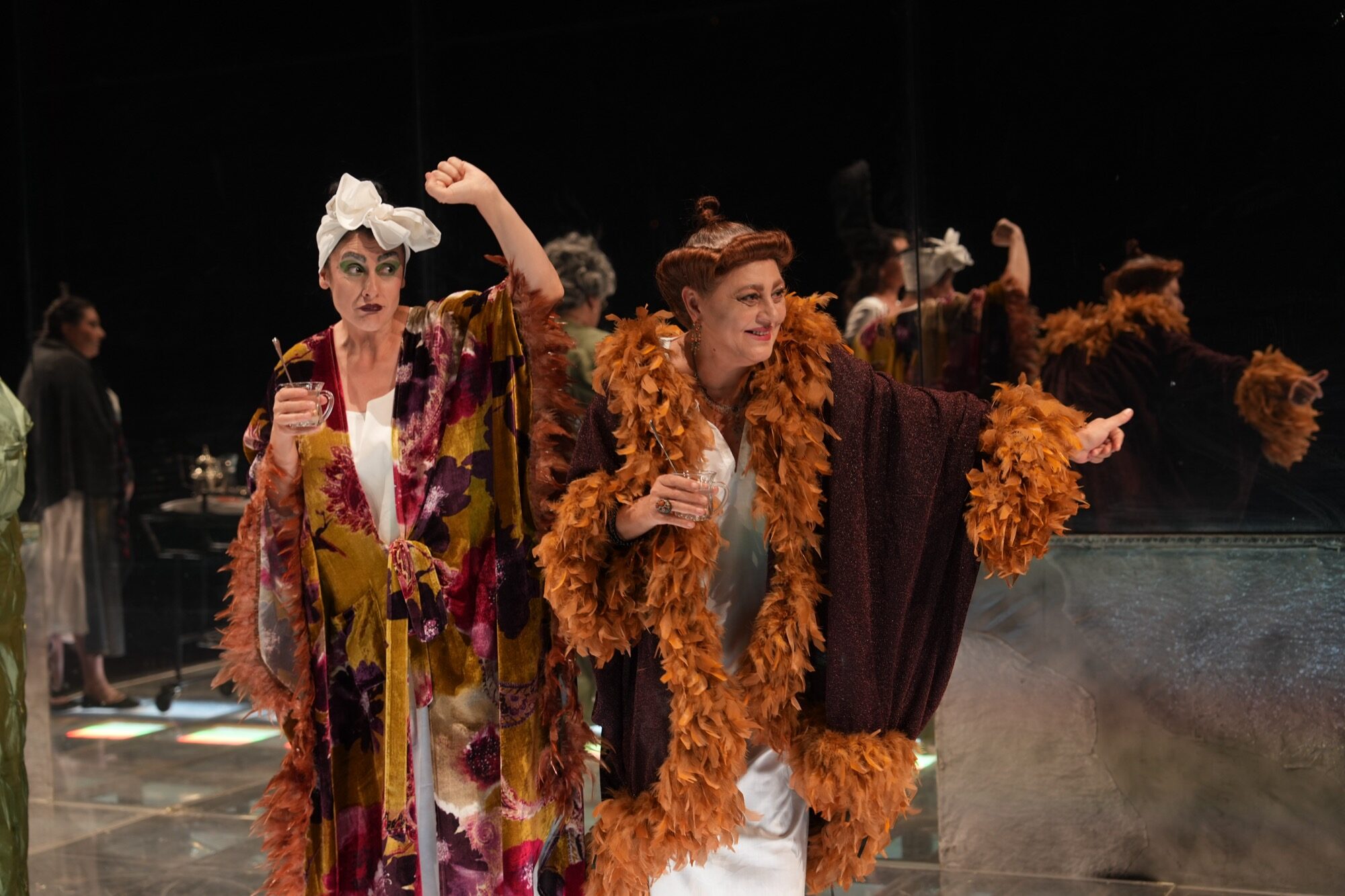
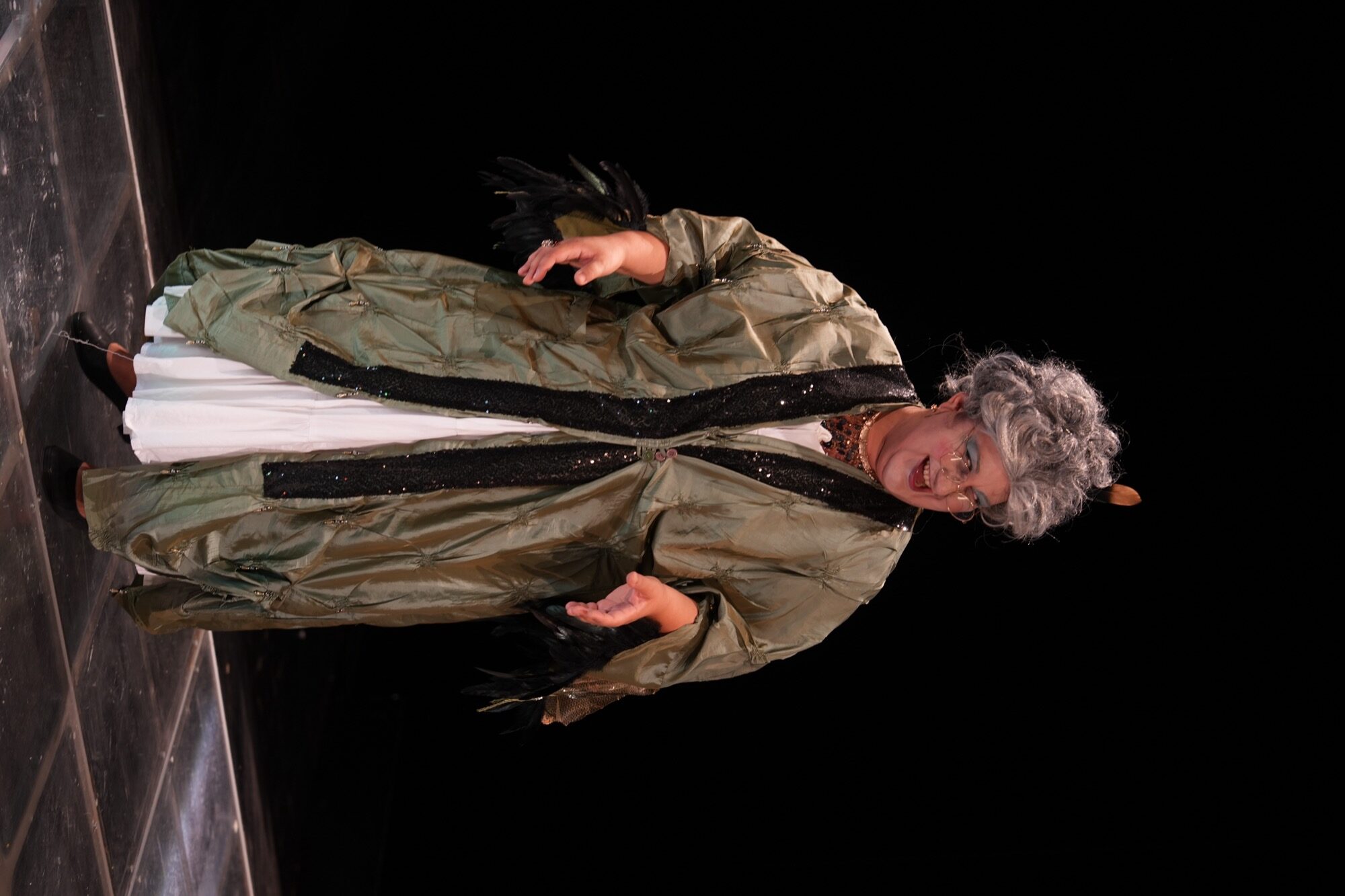
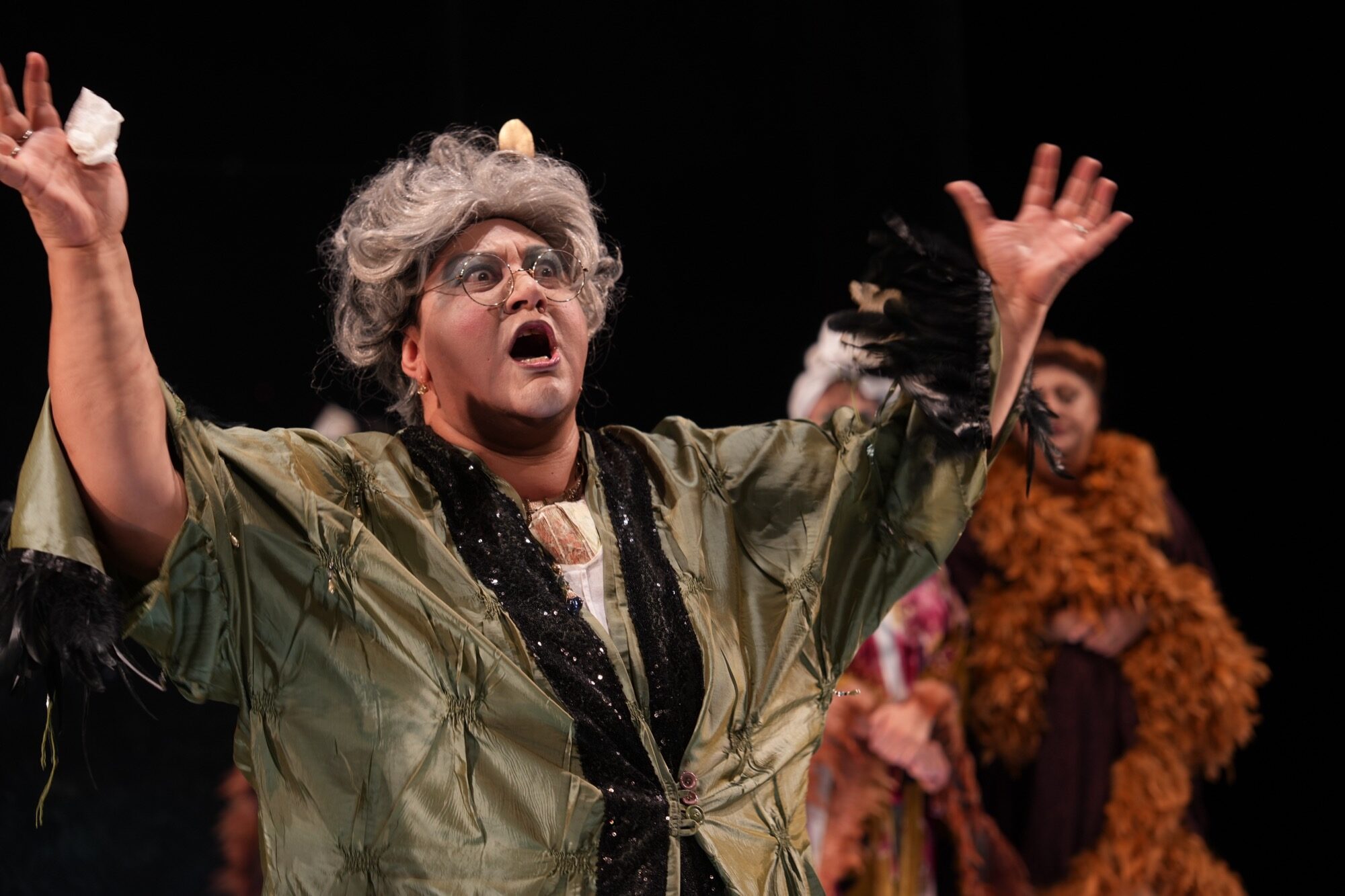
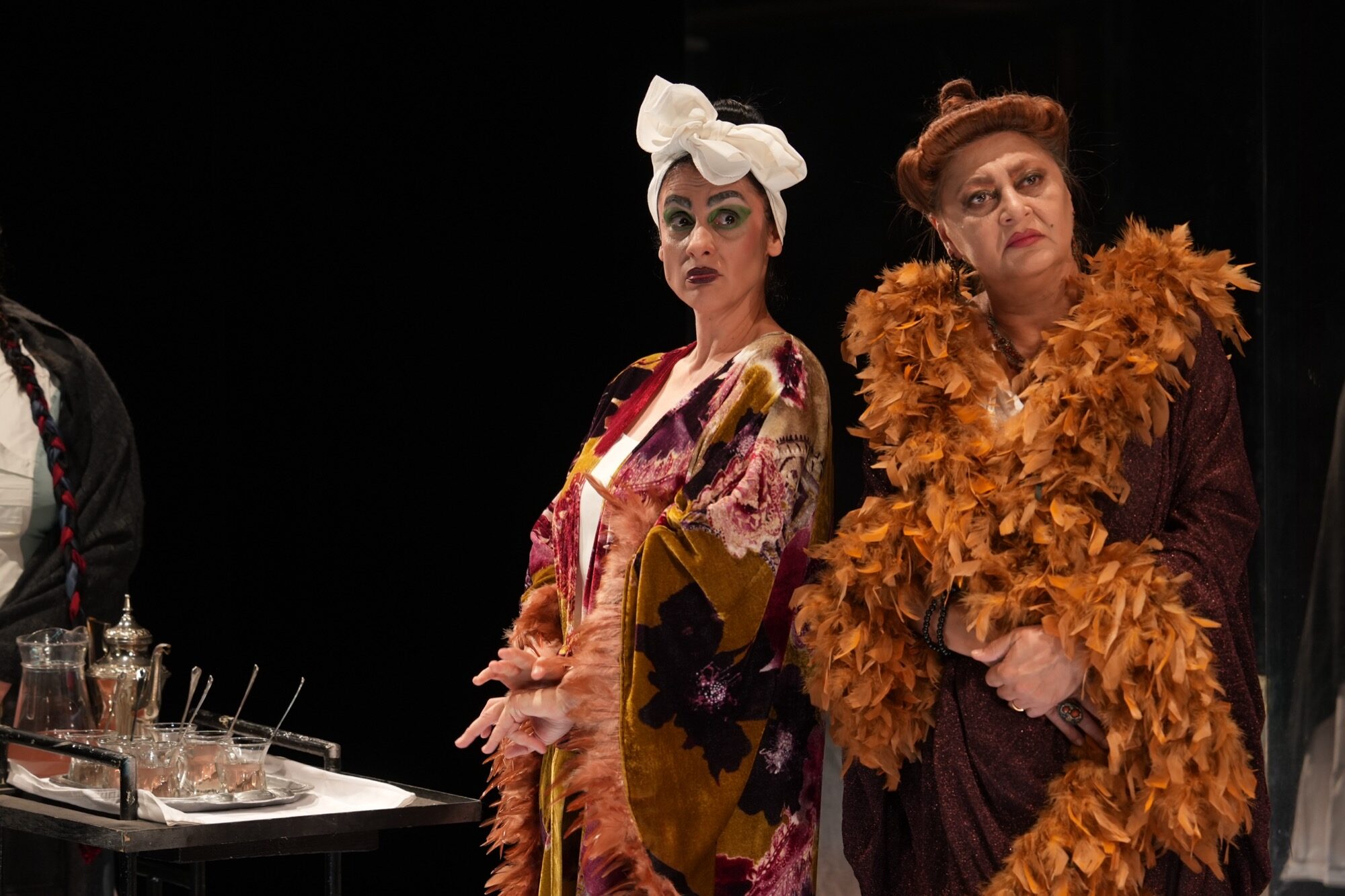
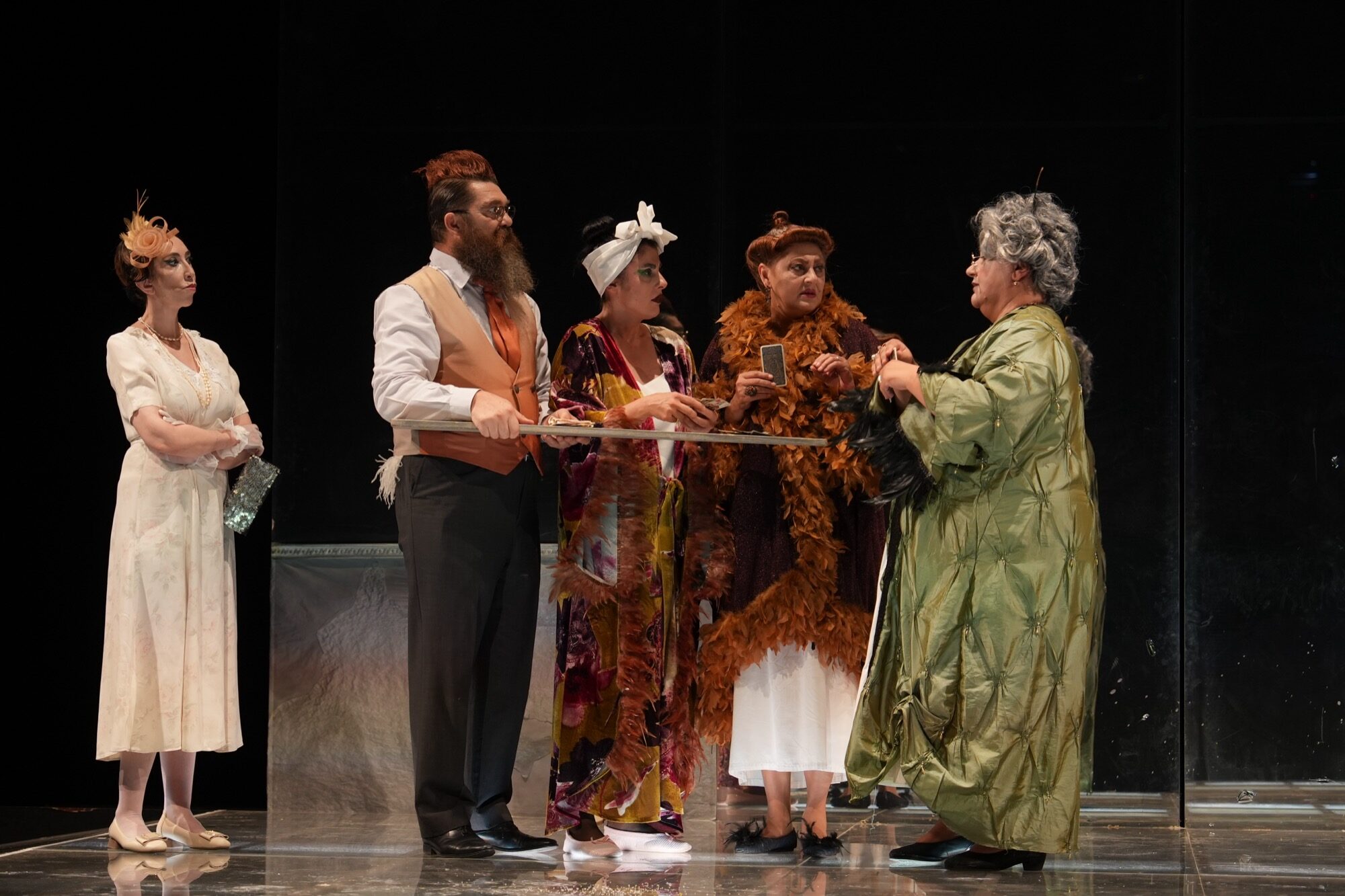
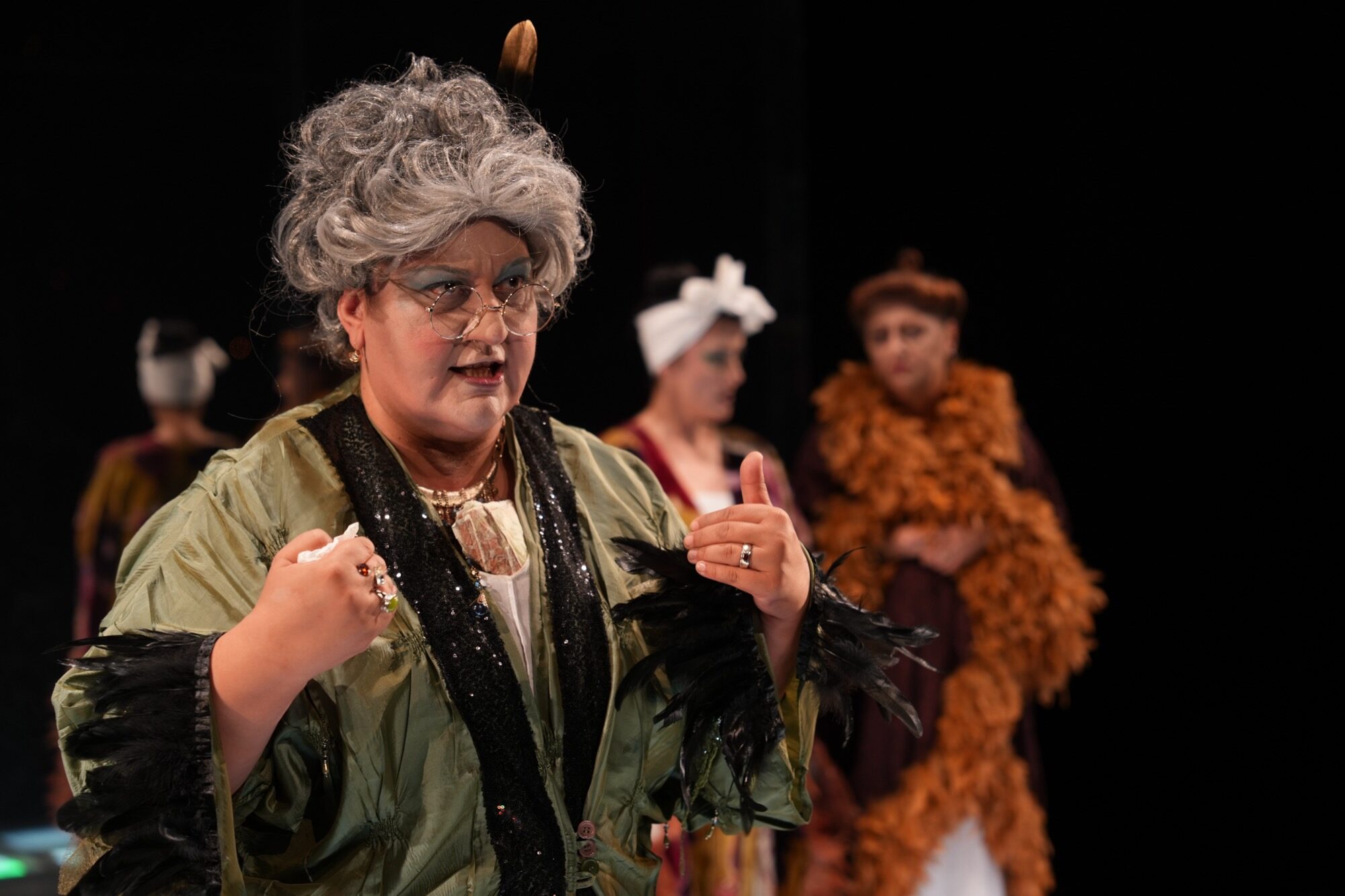
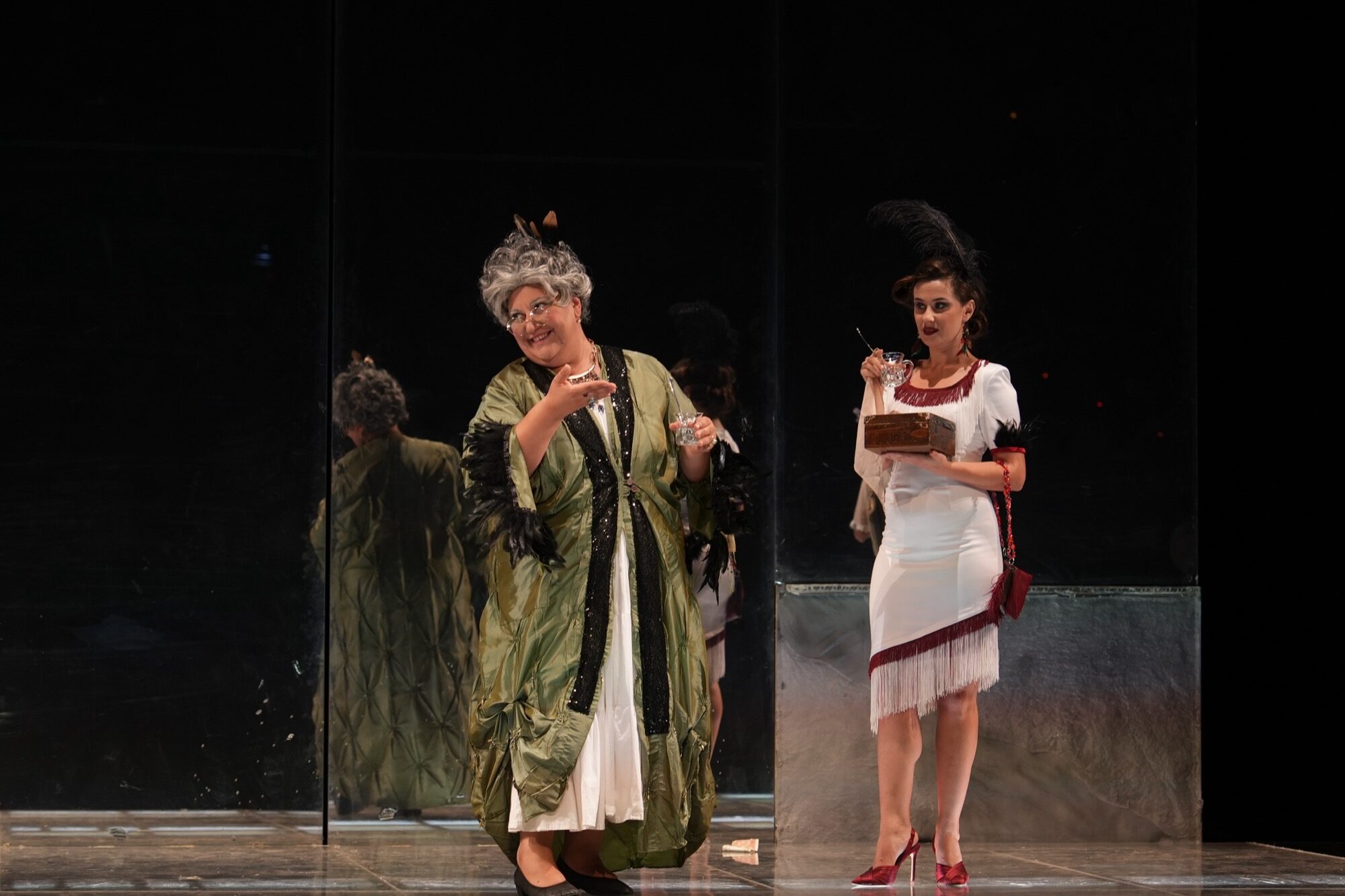
Ioana Andone
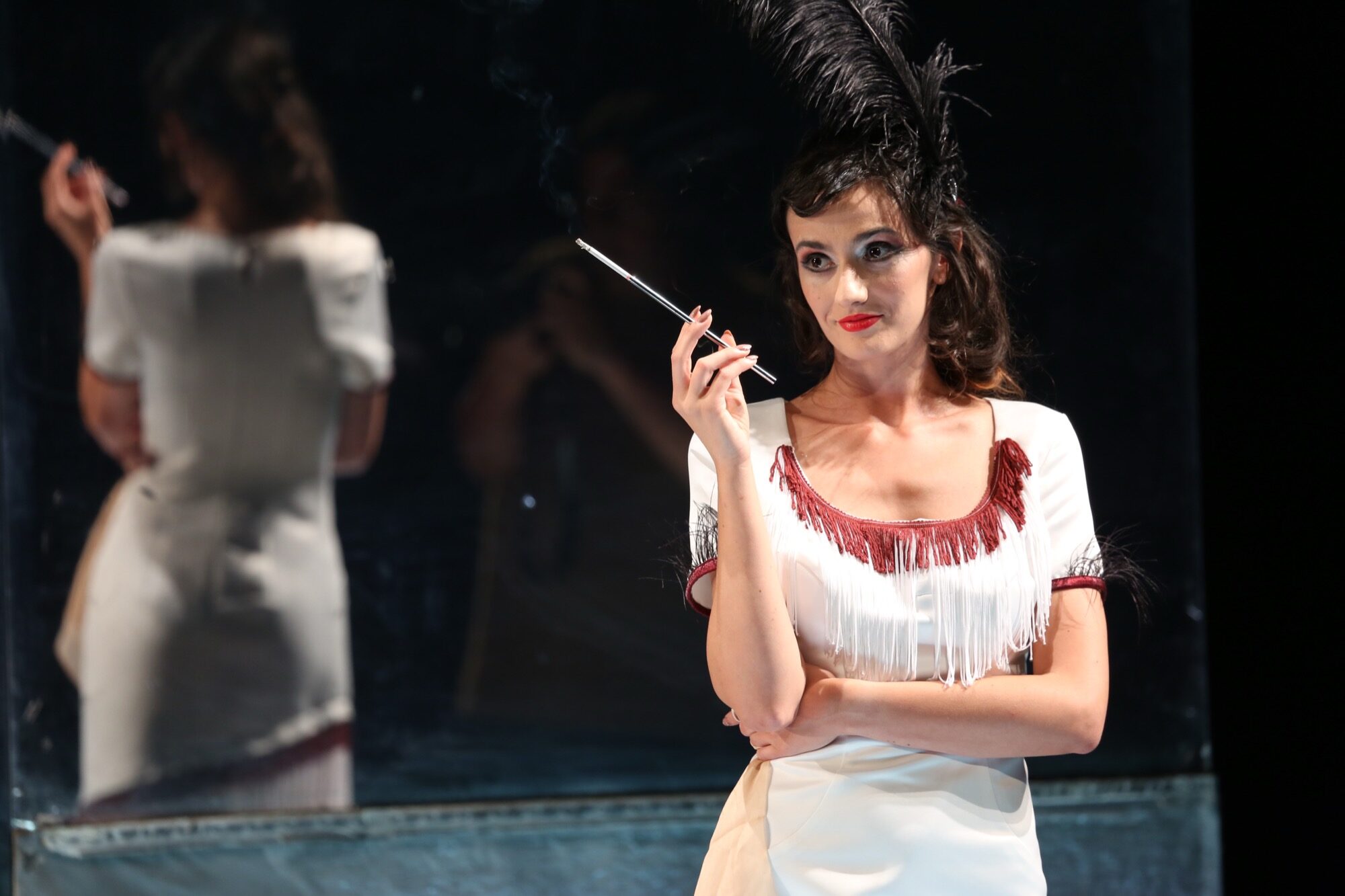
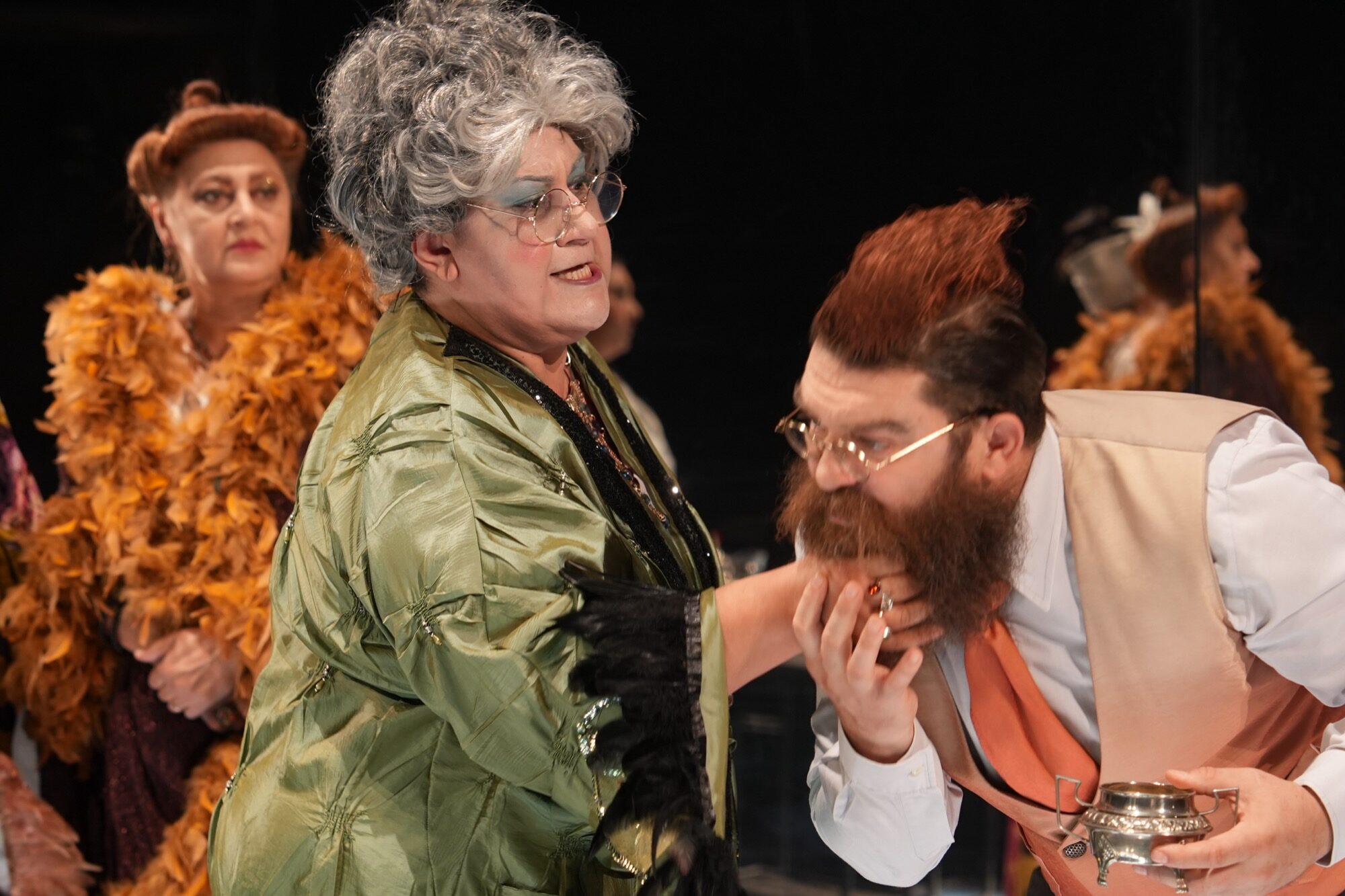
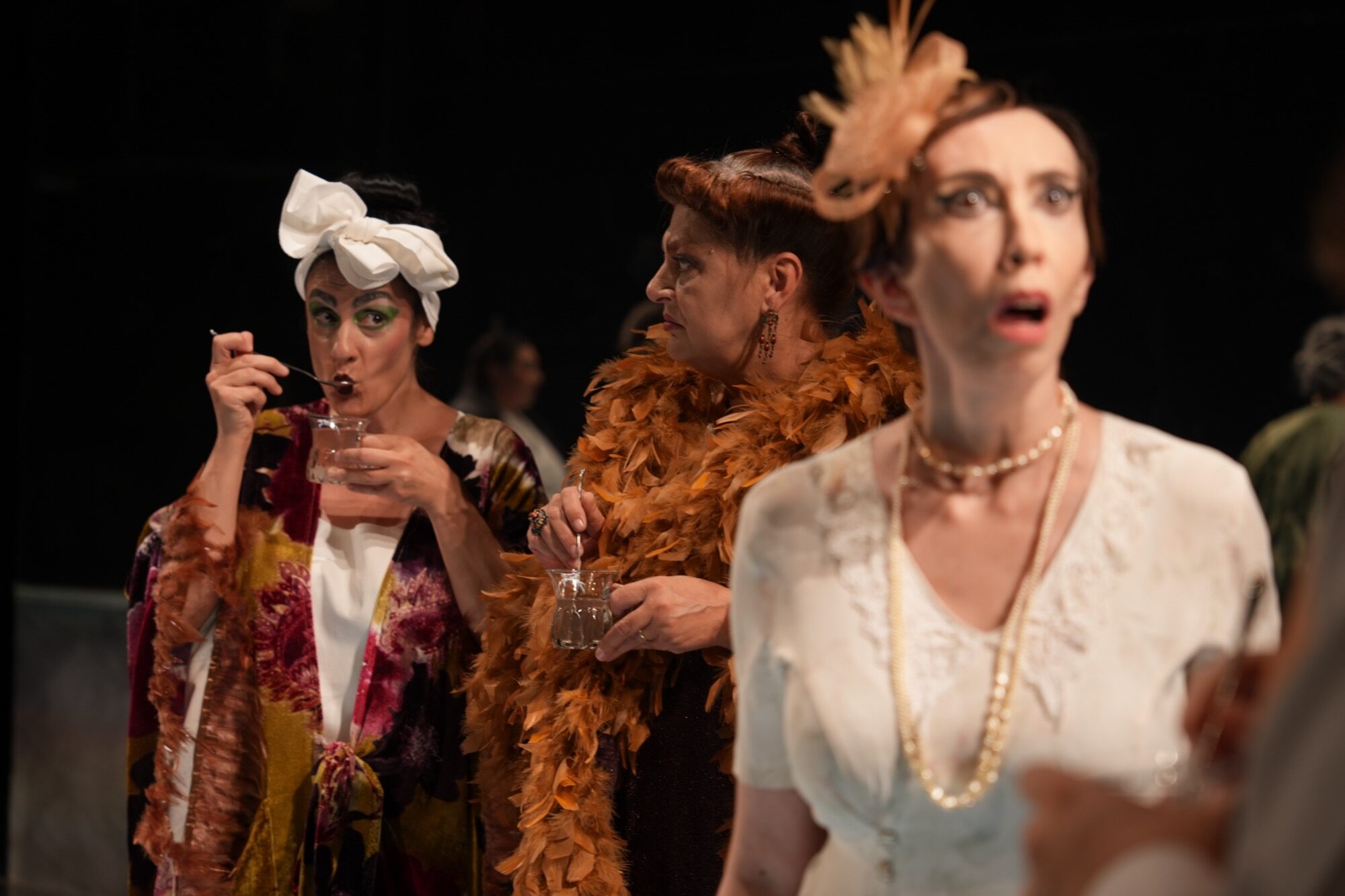
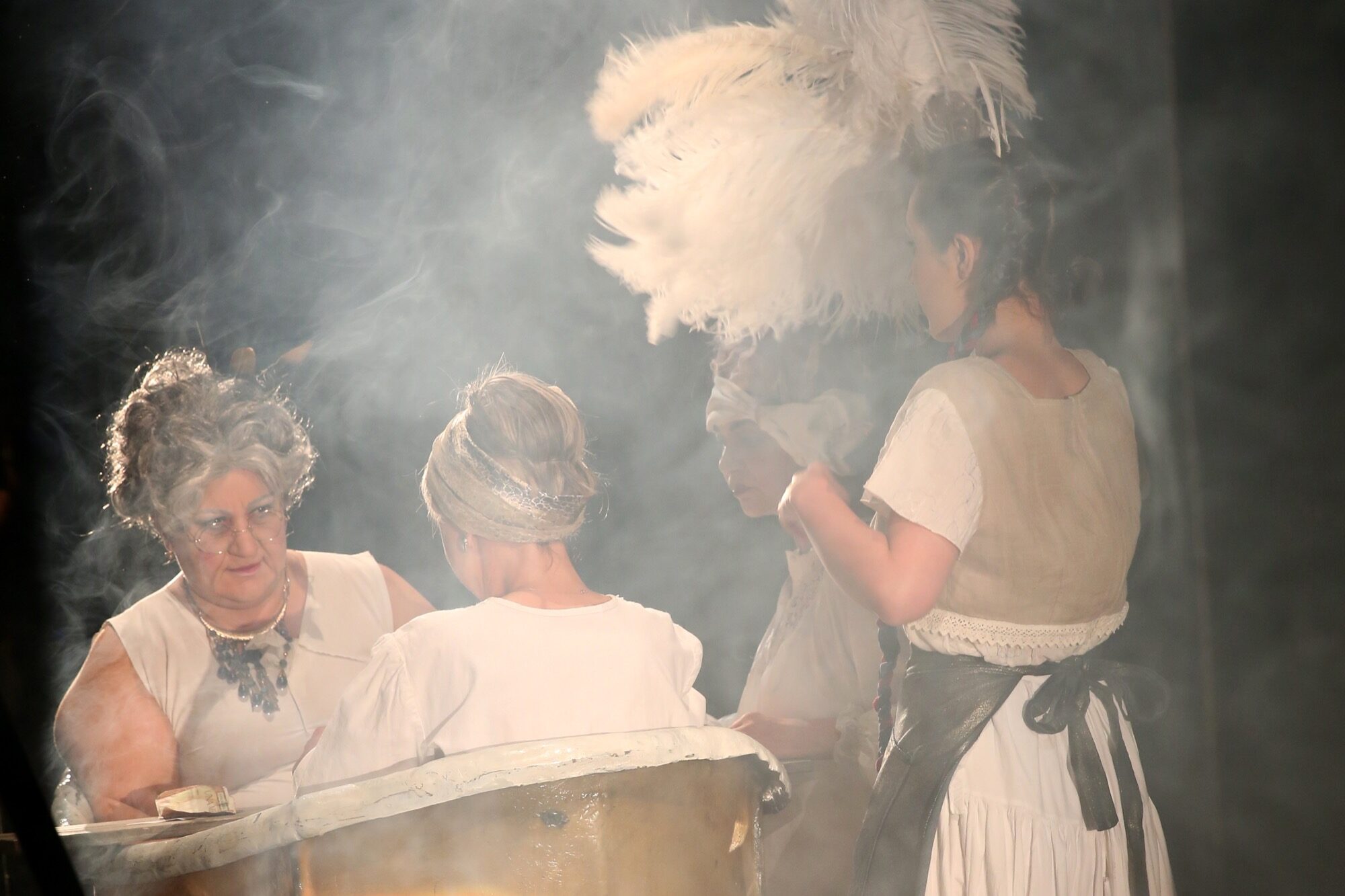
Cătălina Vînătoru
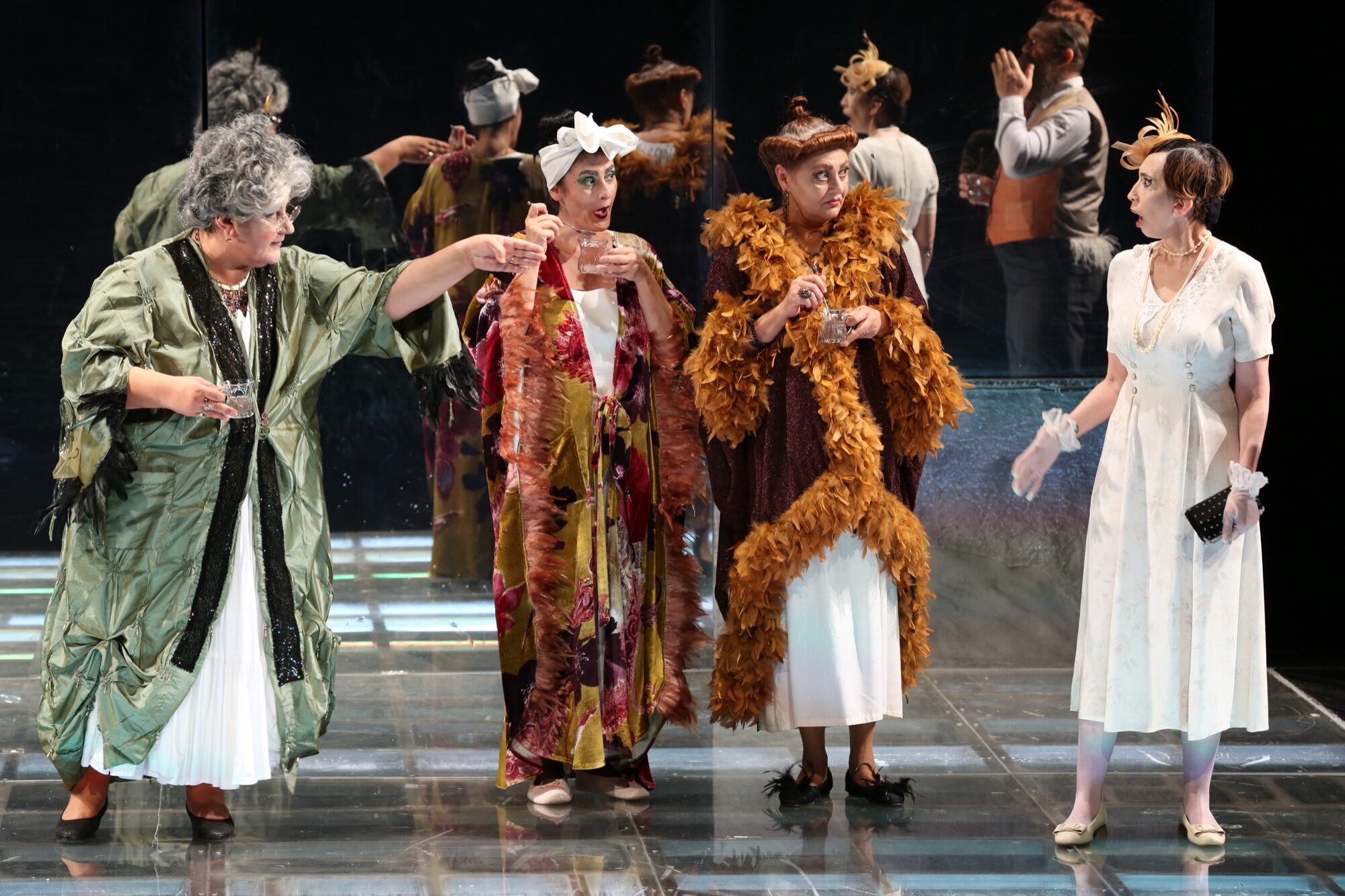
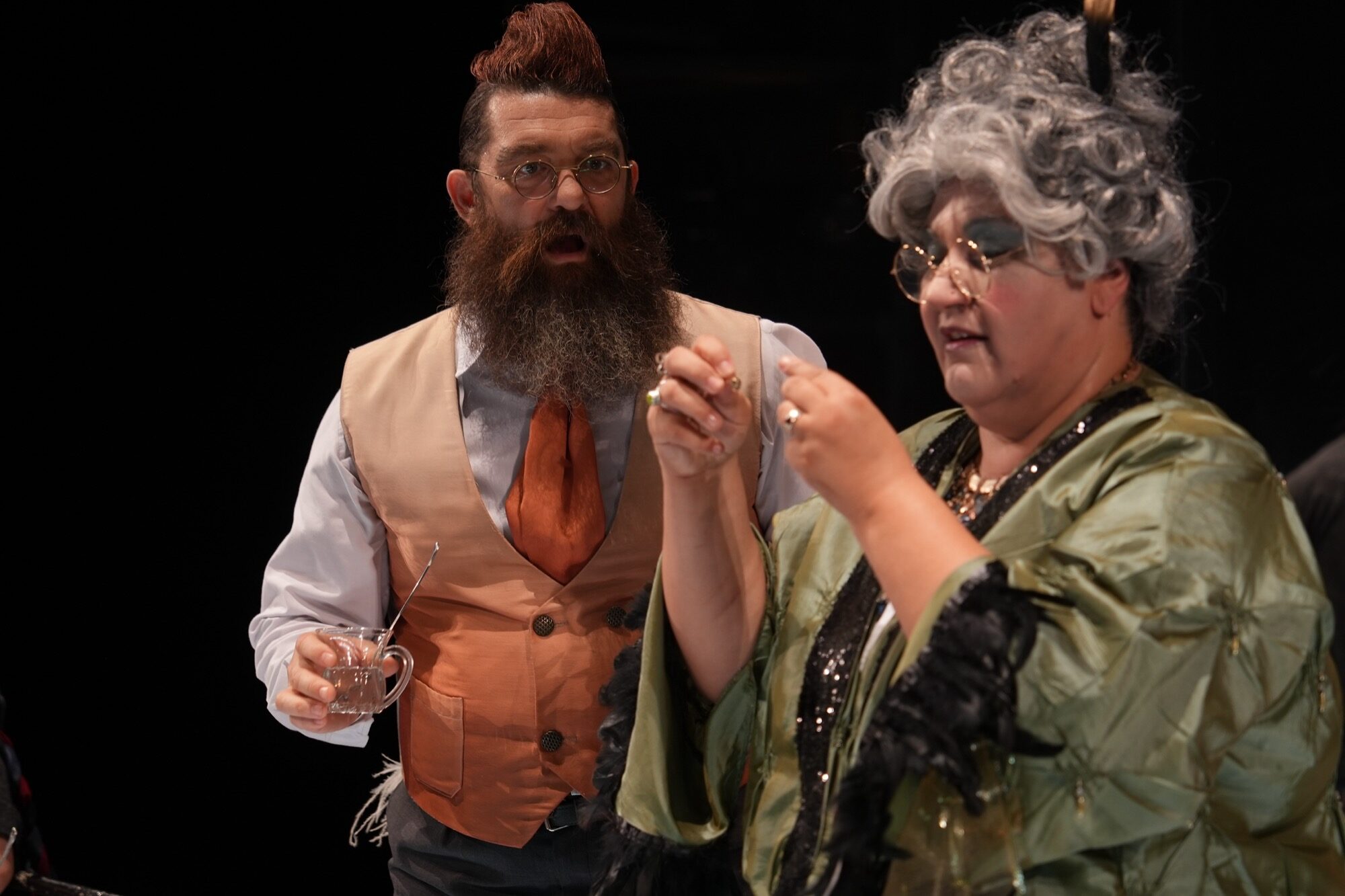
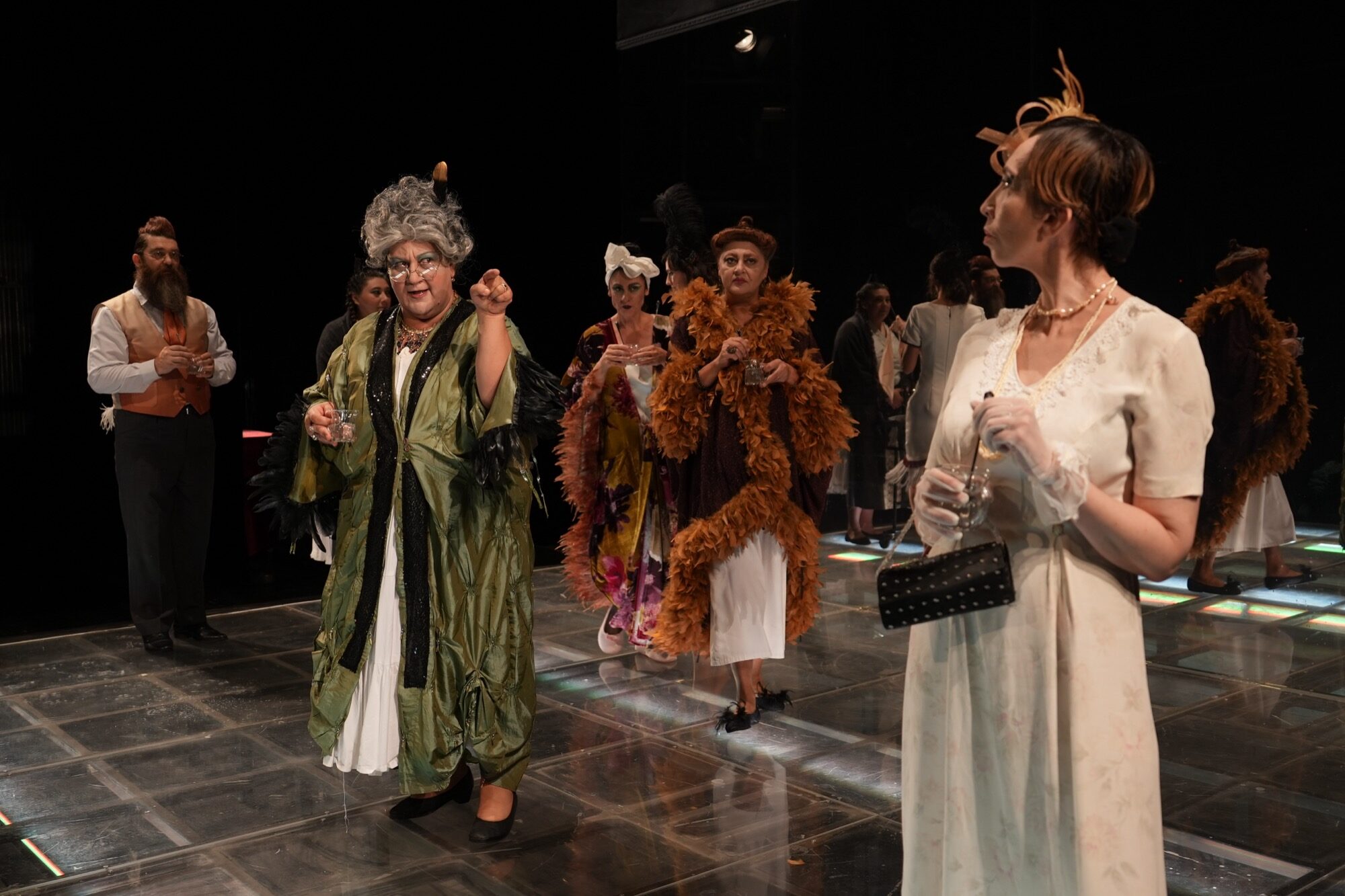
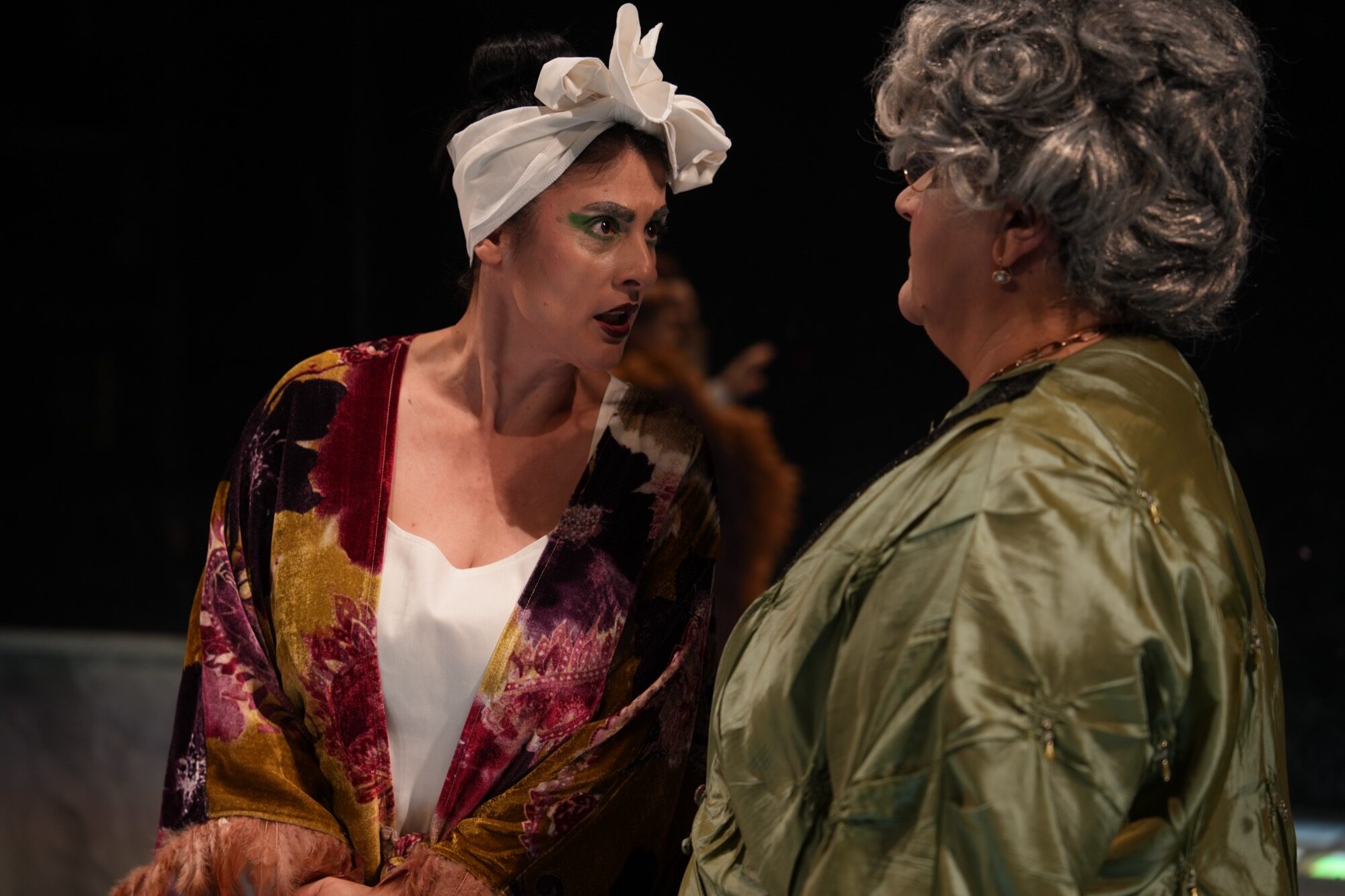
Gloria Vărzaru
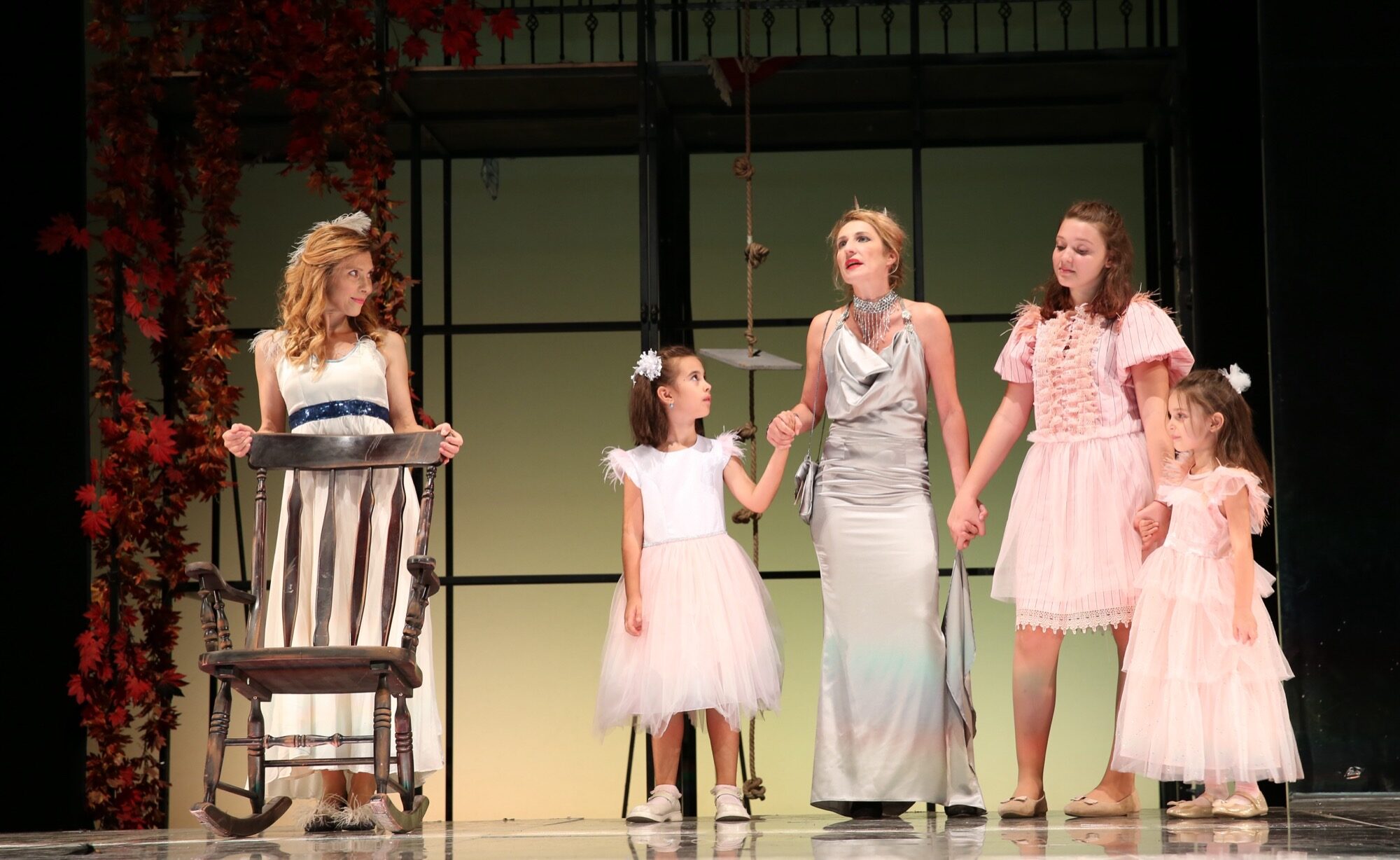
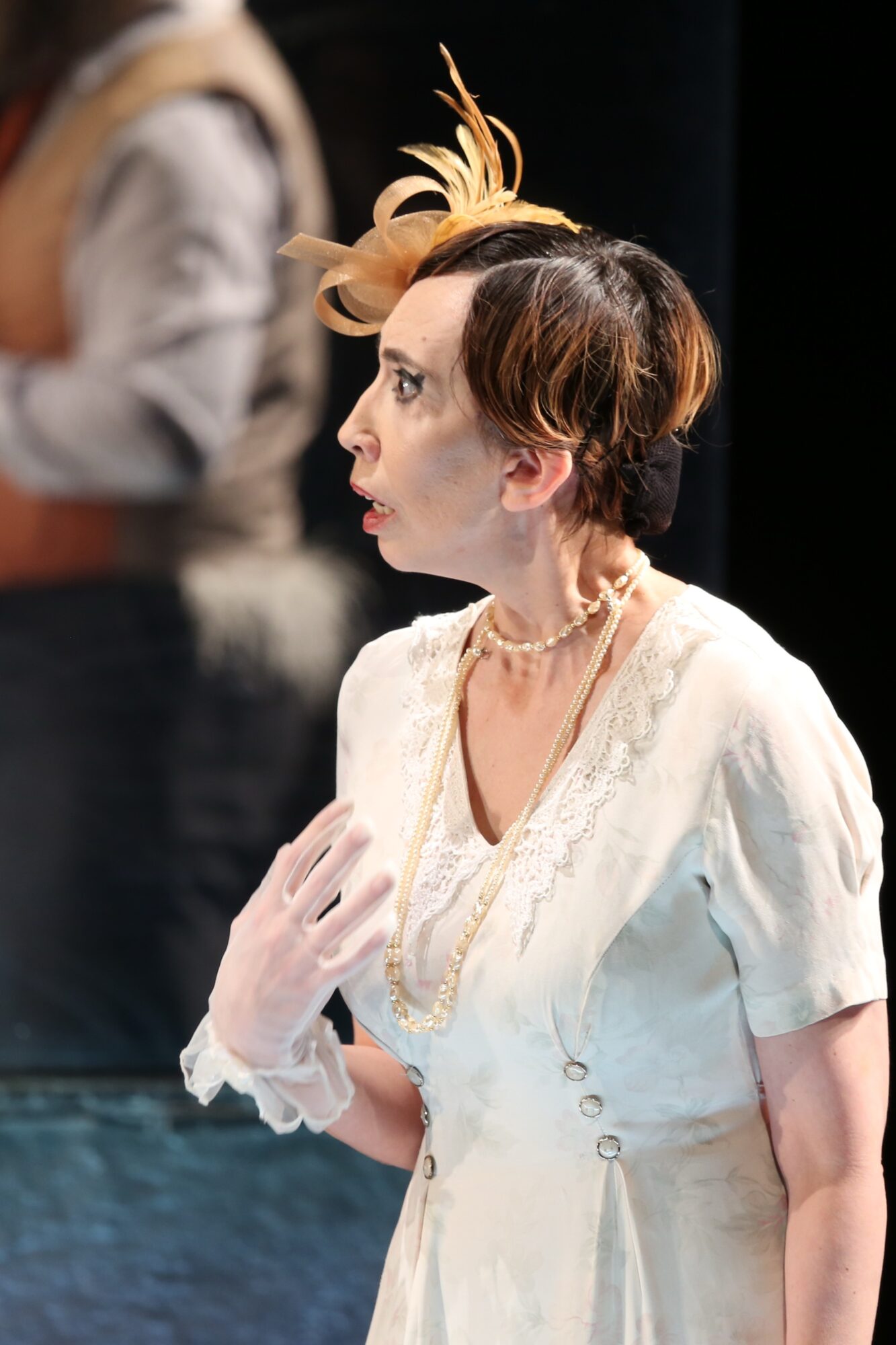
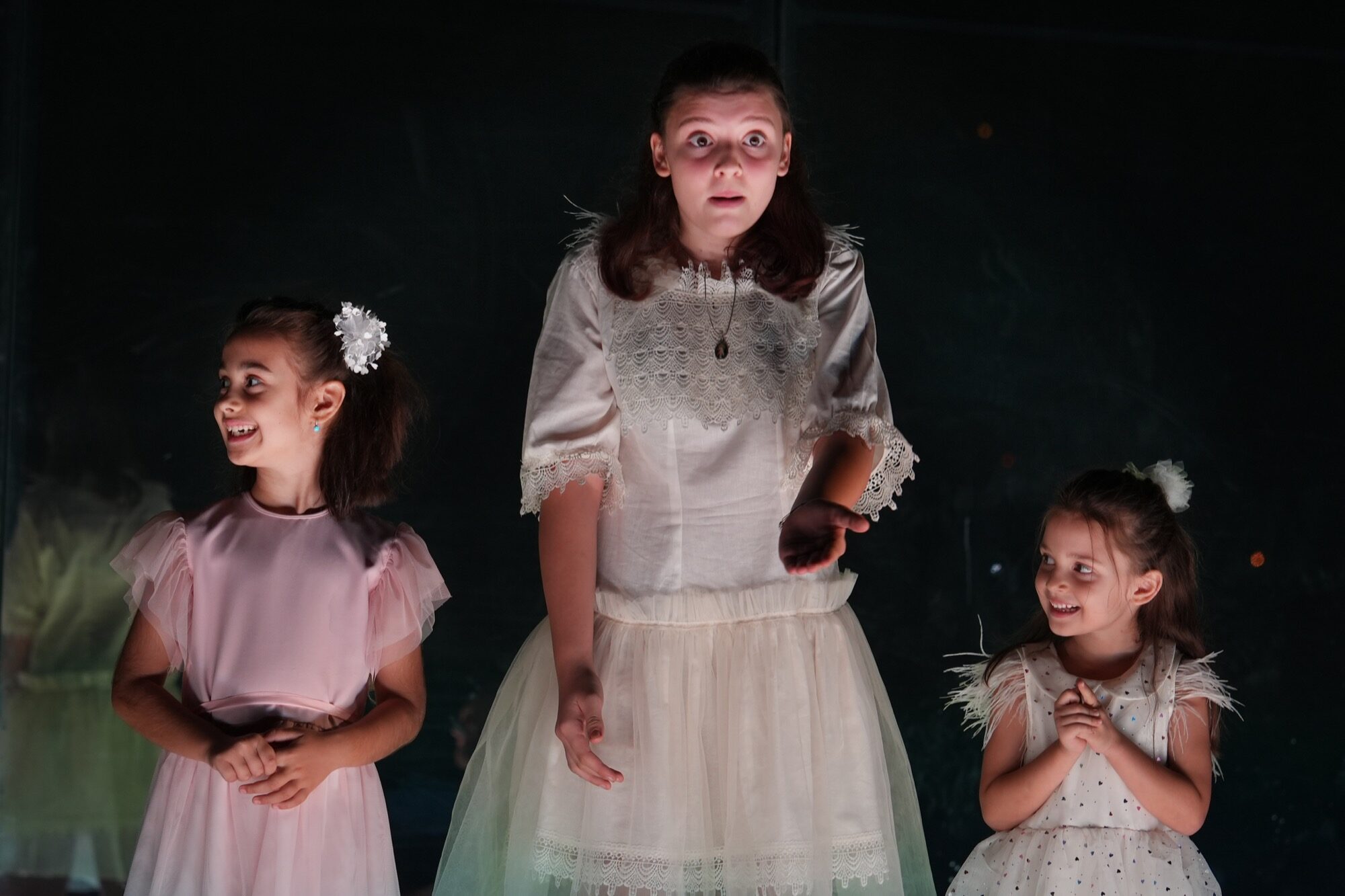
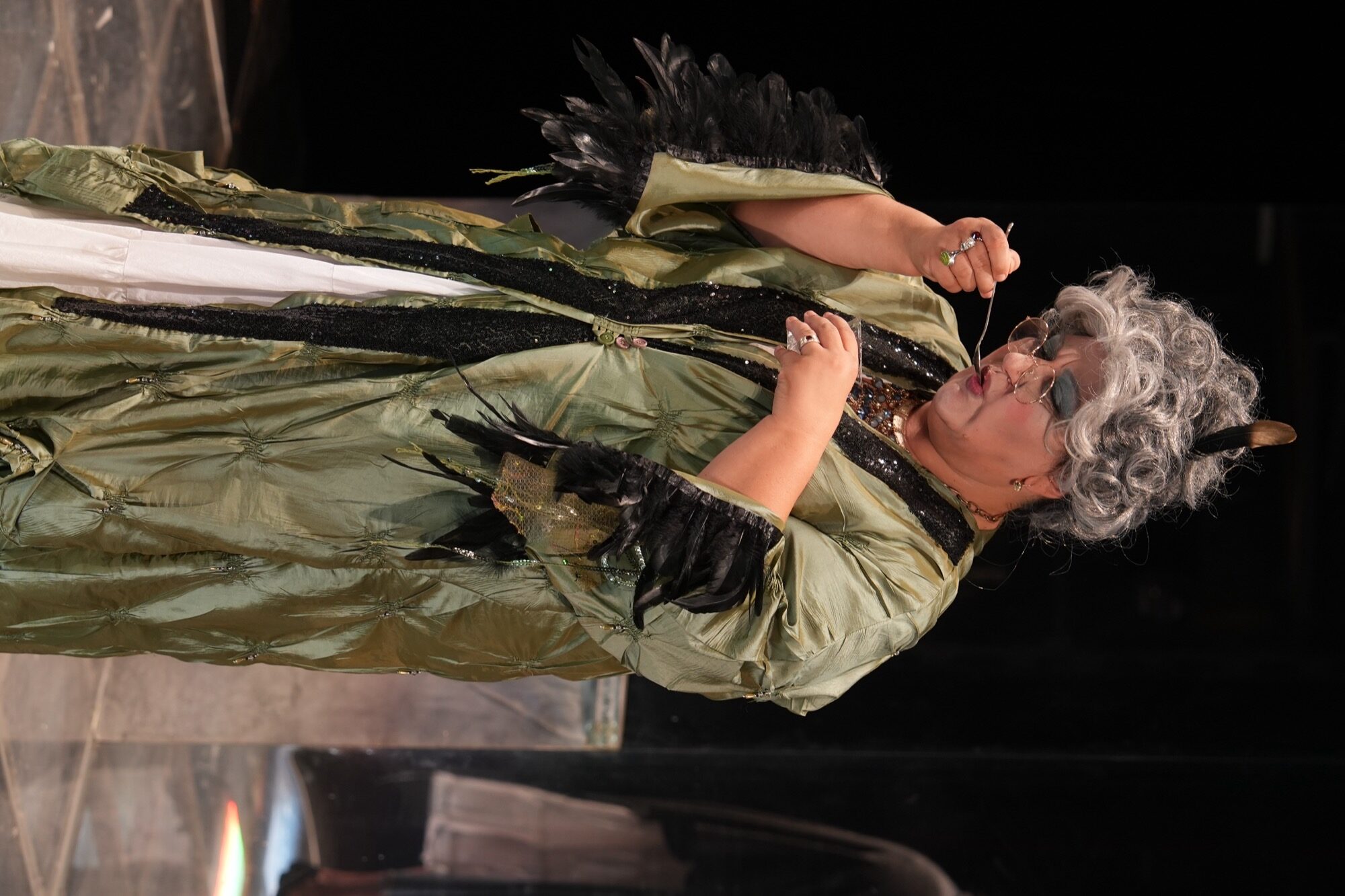
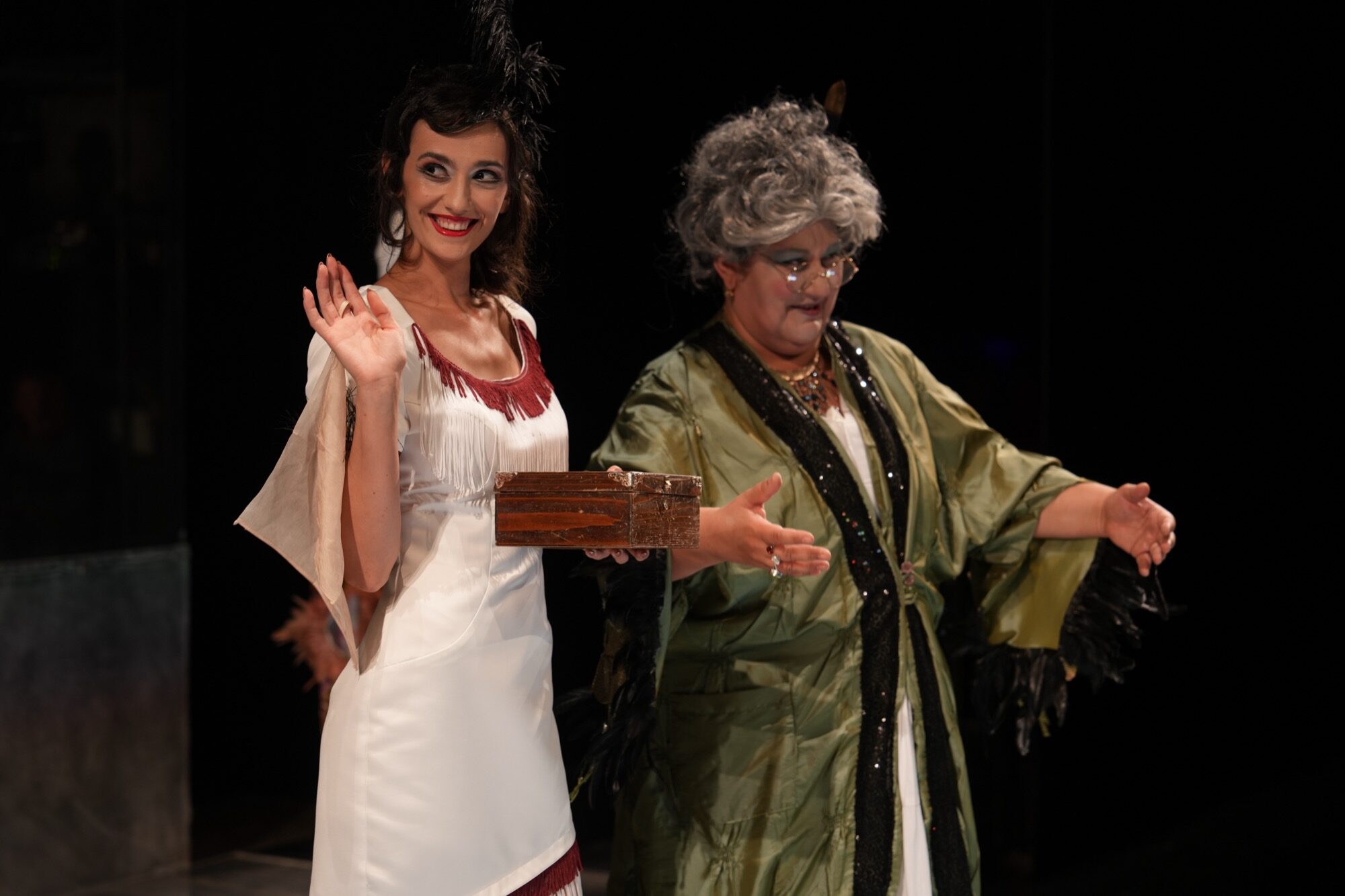
Ava Vicol si Romana Vicol
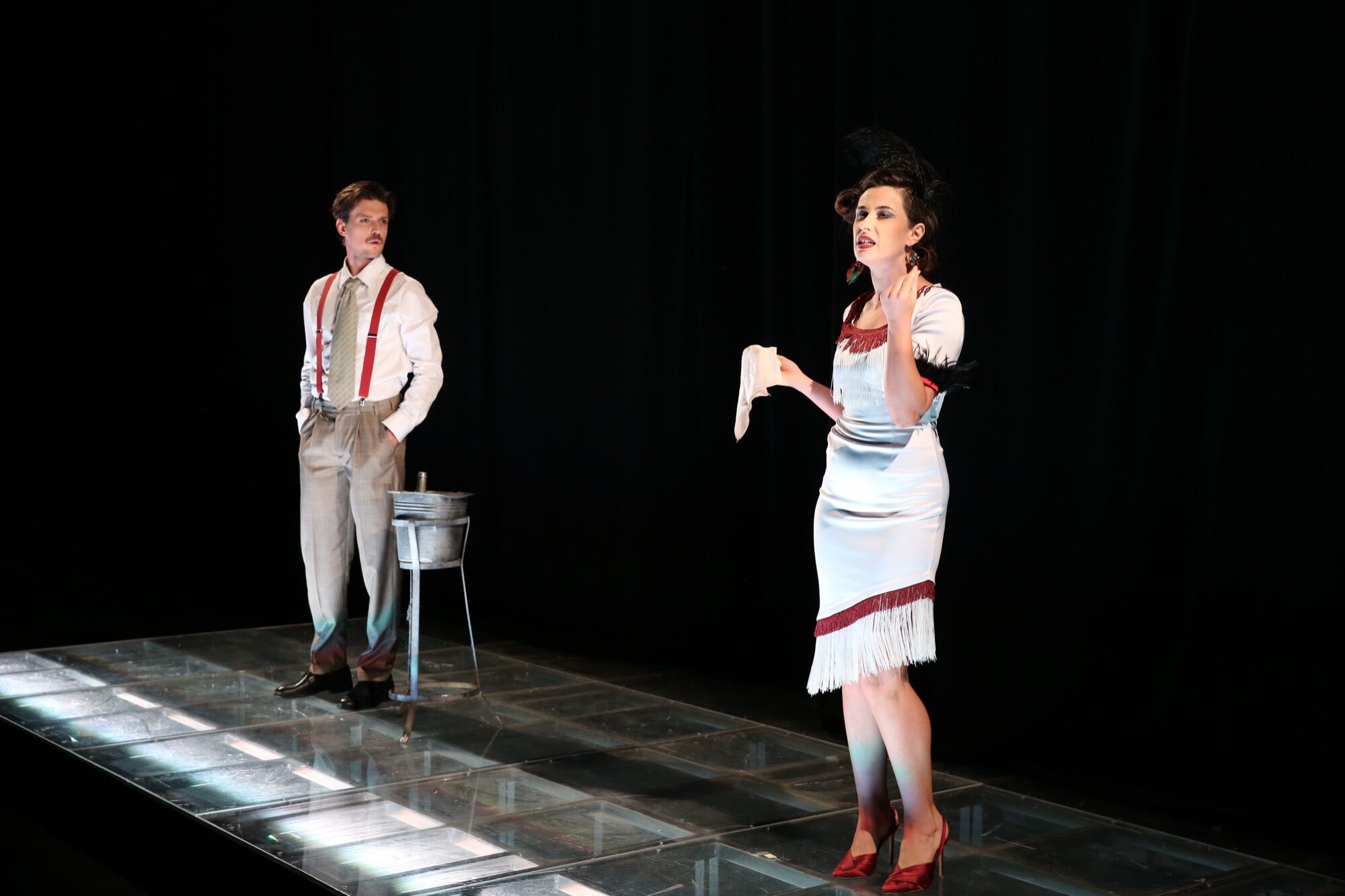
Ioana Andone
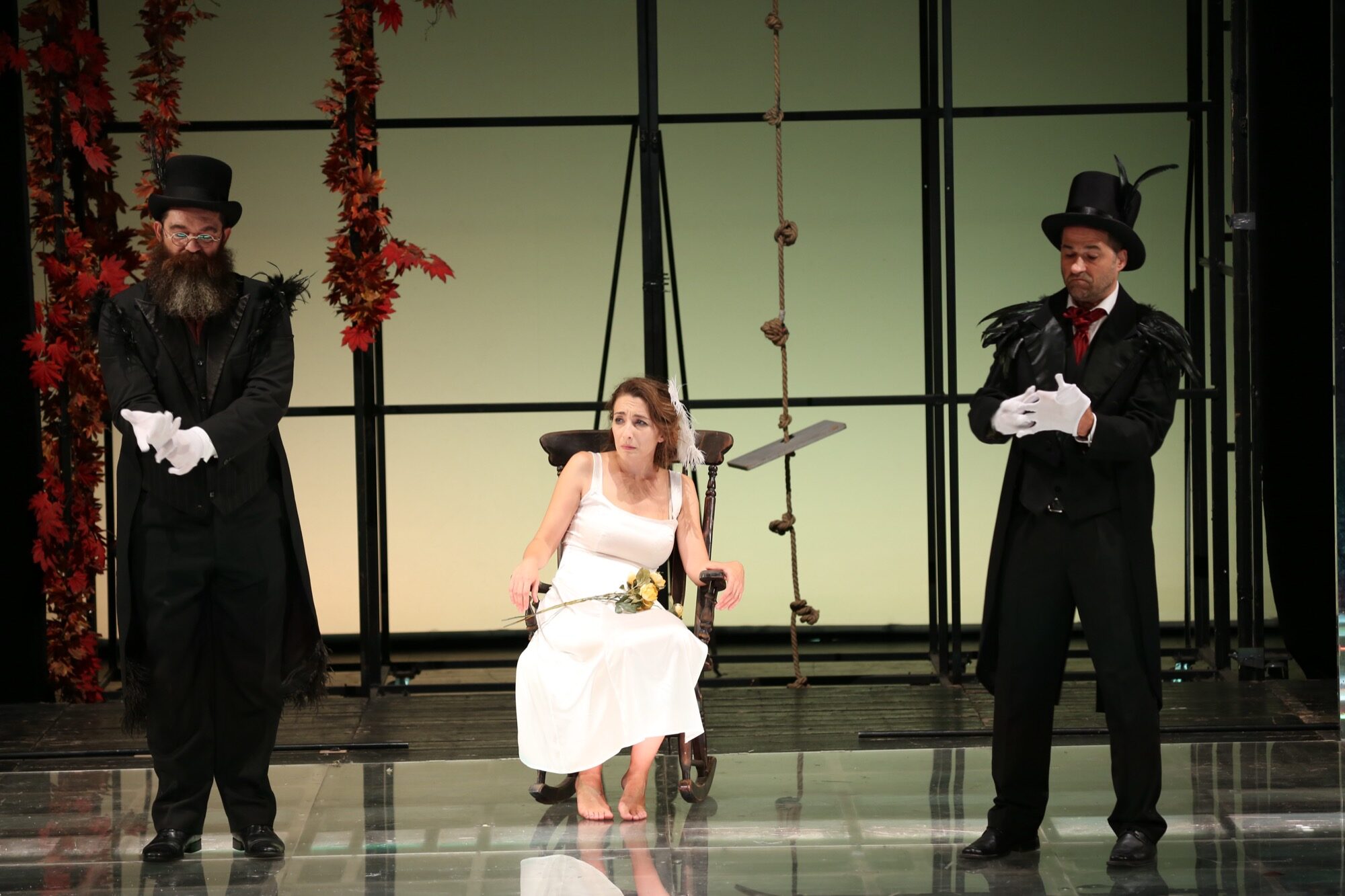
Cătălina Vînătoru
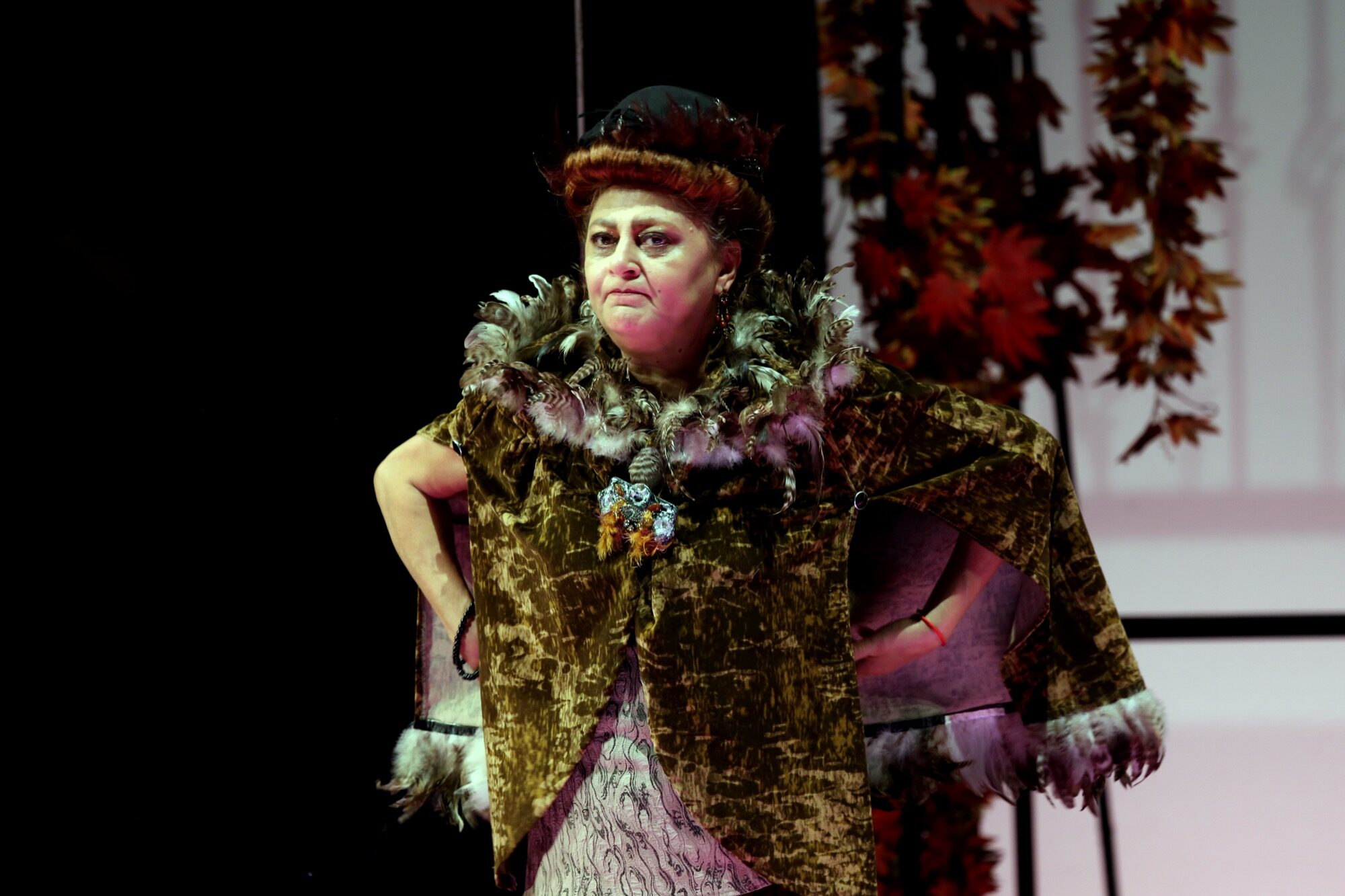
Gloria Vărzaru
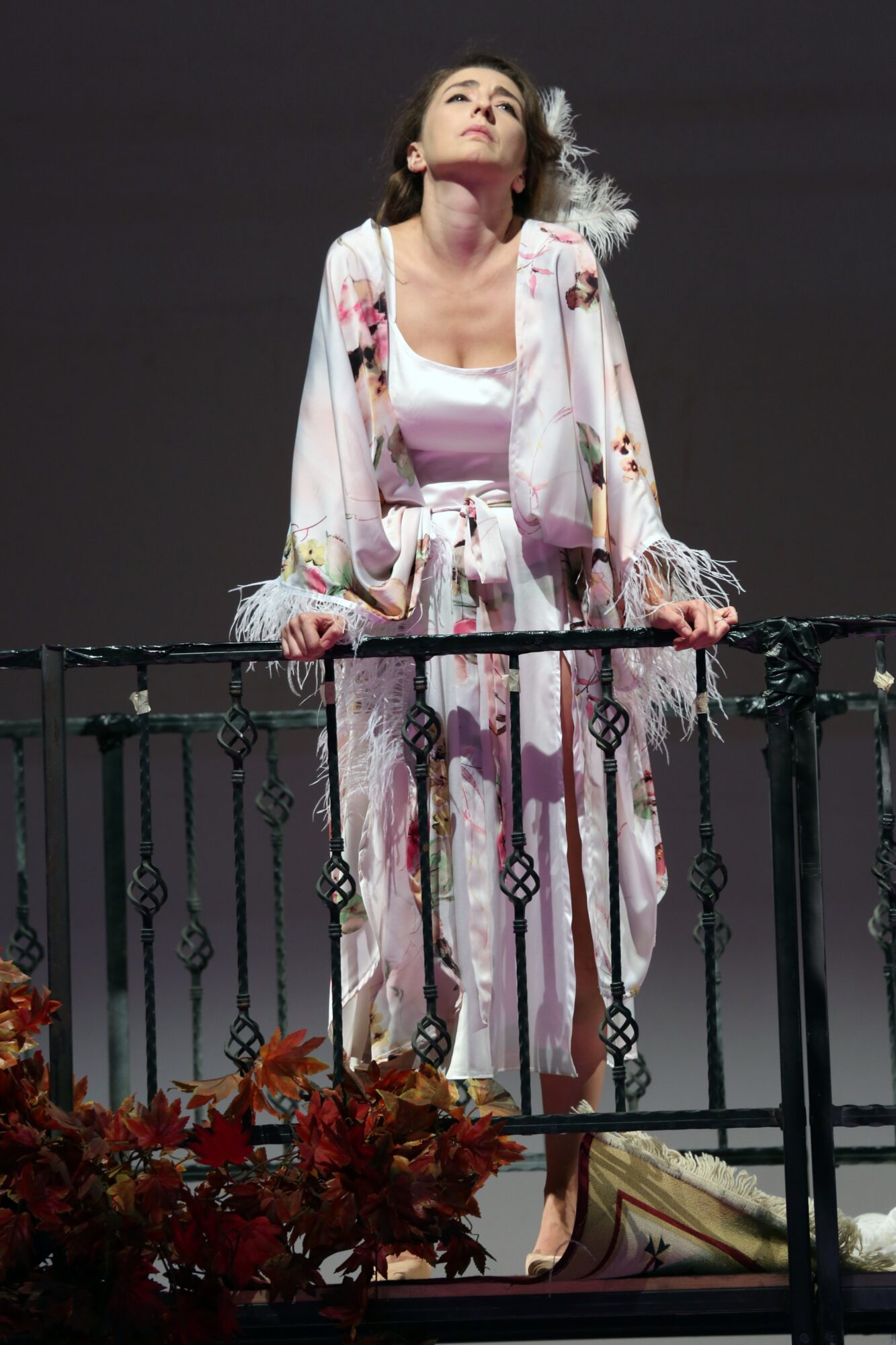
Ava Vicol si Romana Vicol
By Alexandru Kirițescu
Directed by Alexandru Boureanu
Assistant Director Mirela Cioabă
Scenic Version: Carmen Stanciu
Décor Andreea Simona Negrilă
Costumes Alexandra Constantin
Music Eugen Sandu
Makeup and hair concept: Minela Popa
Cast A:
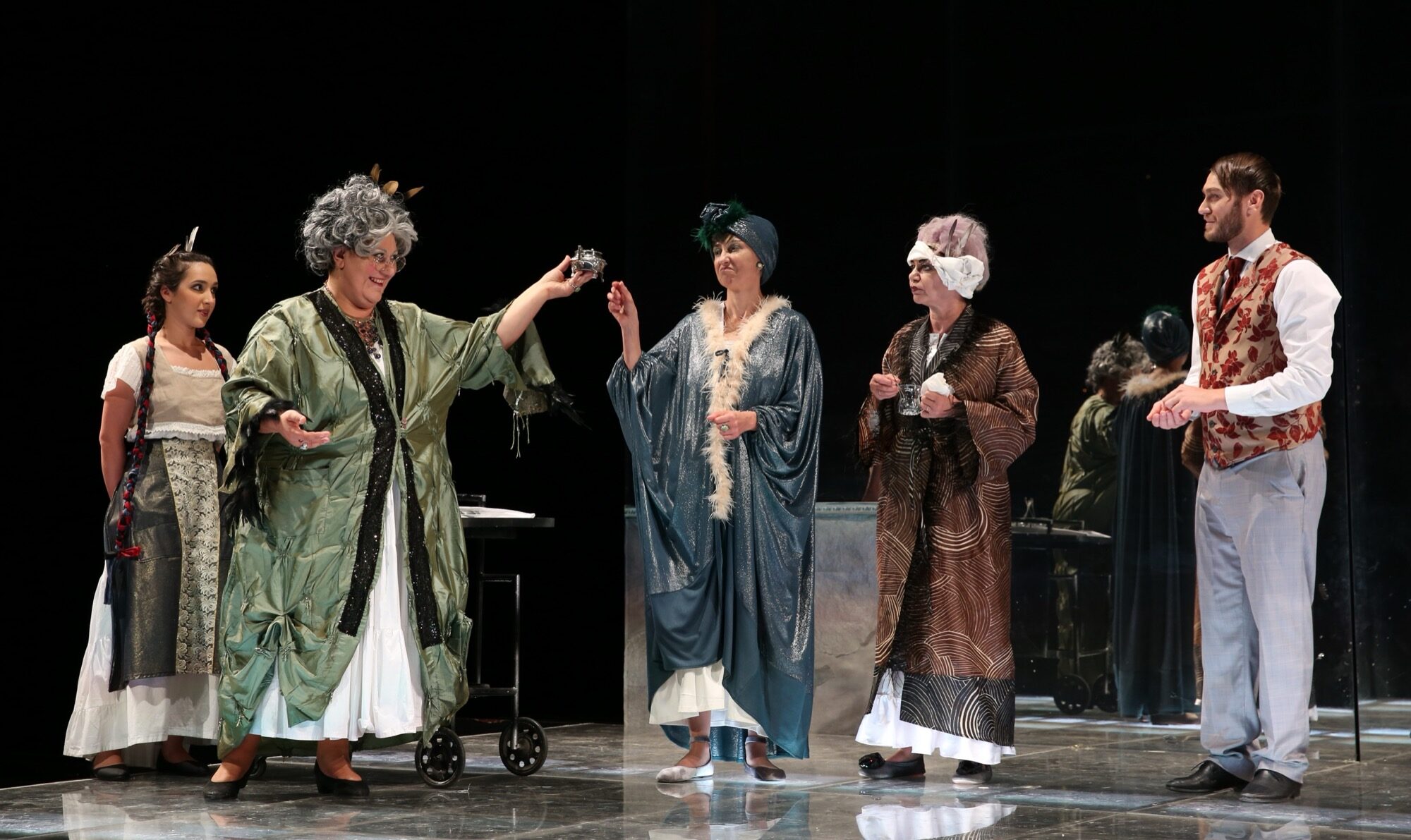
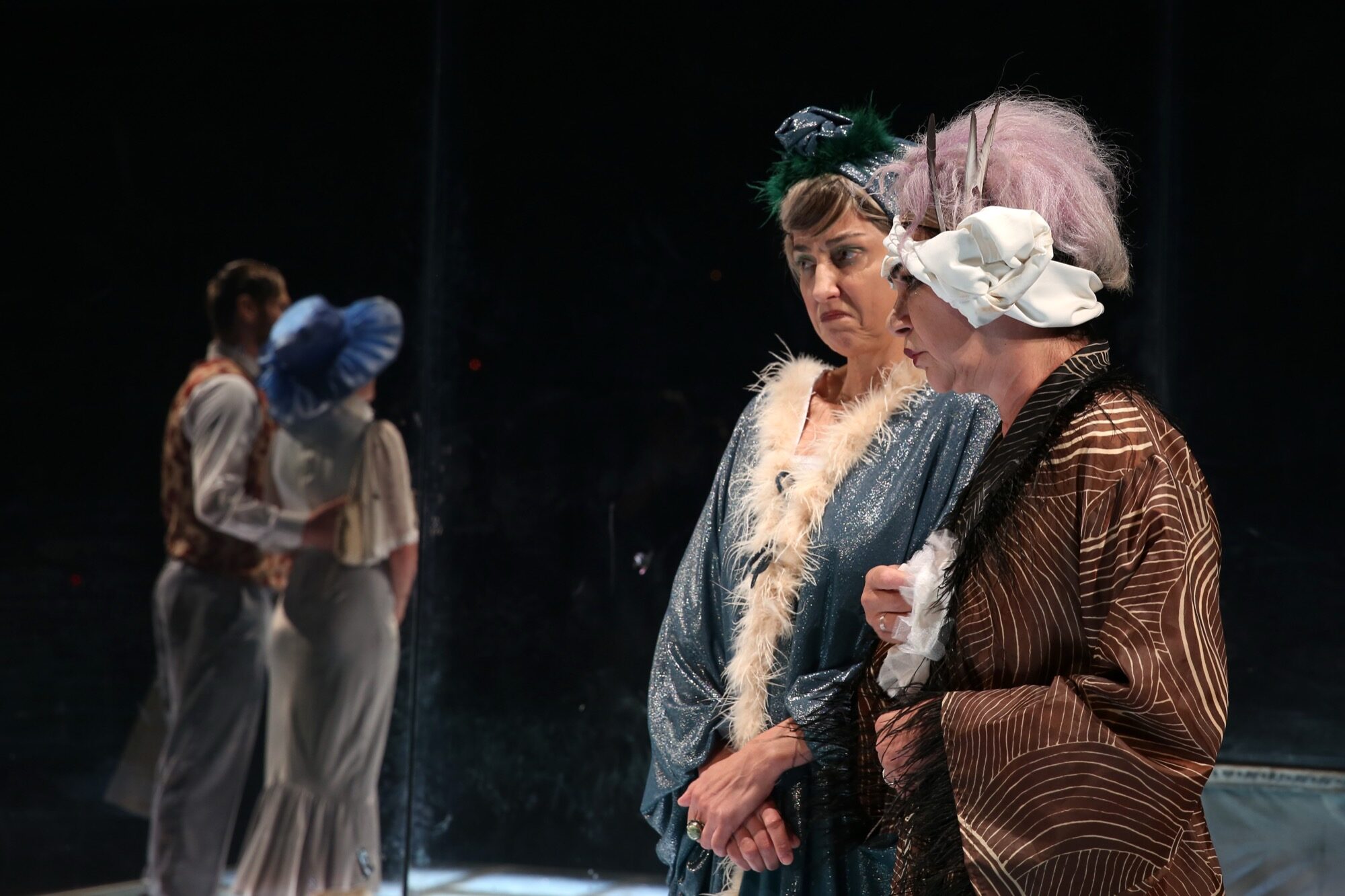
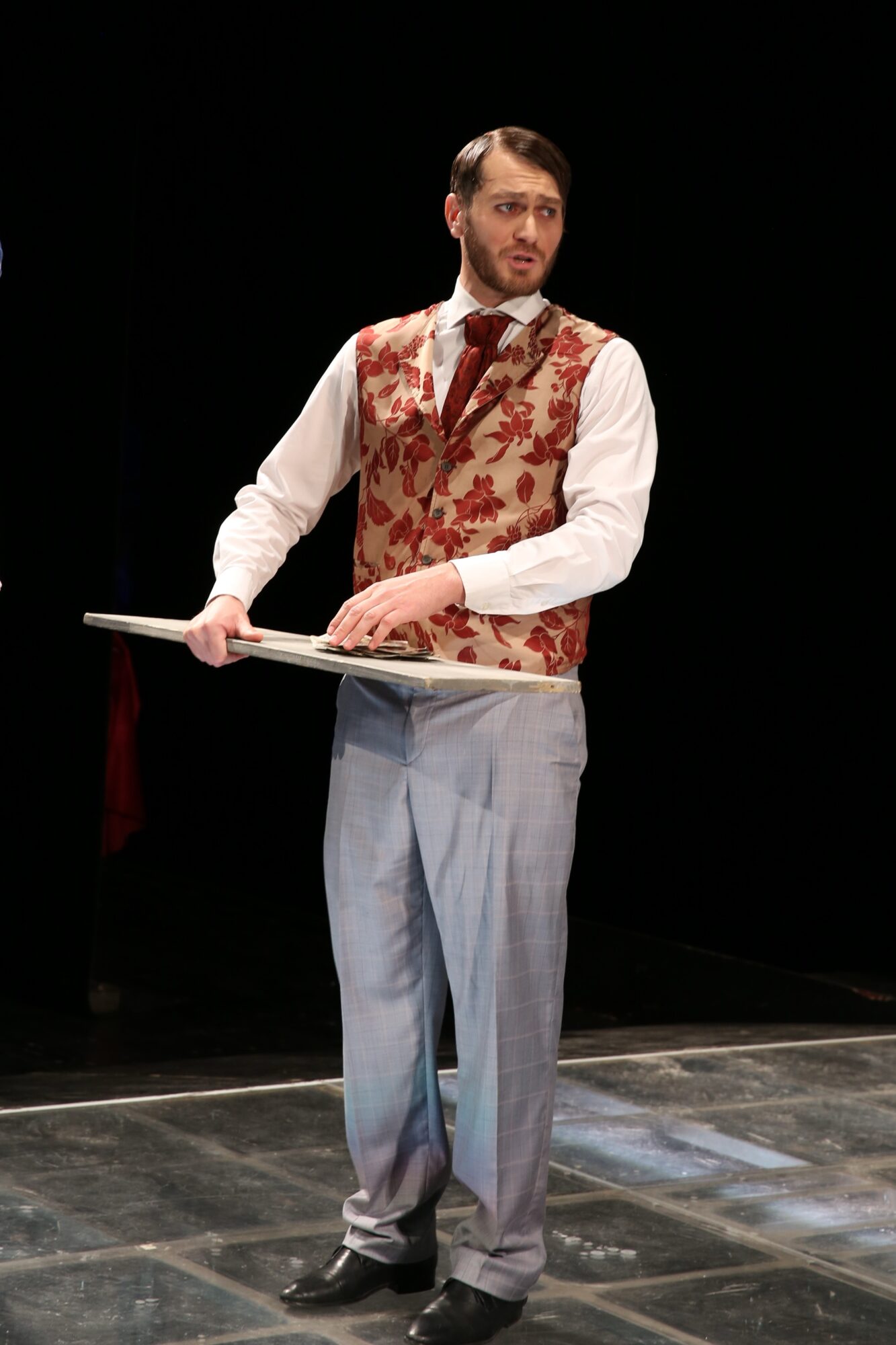
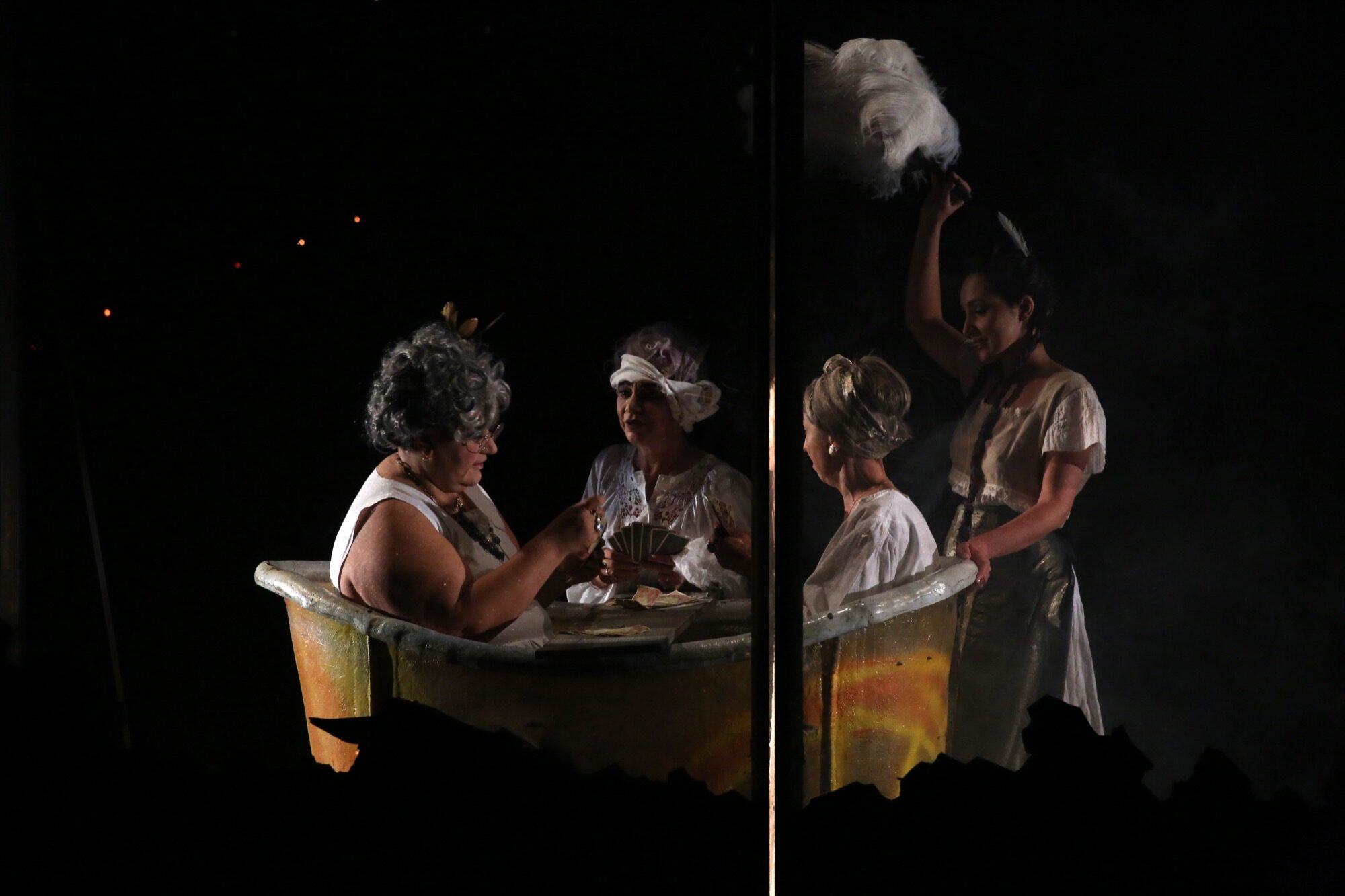
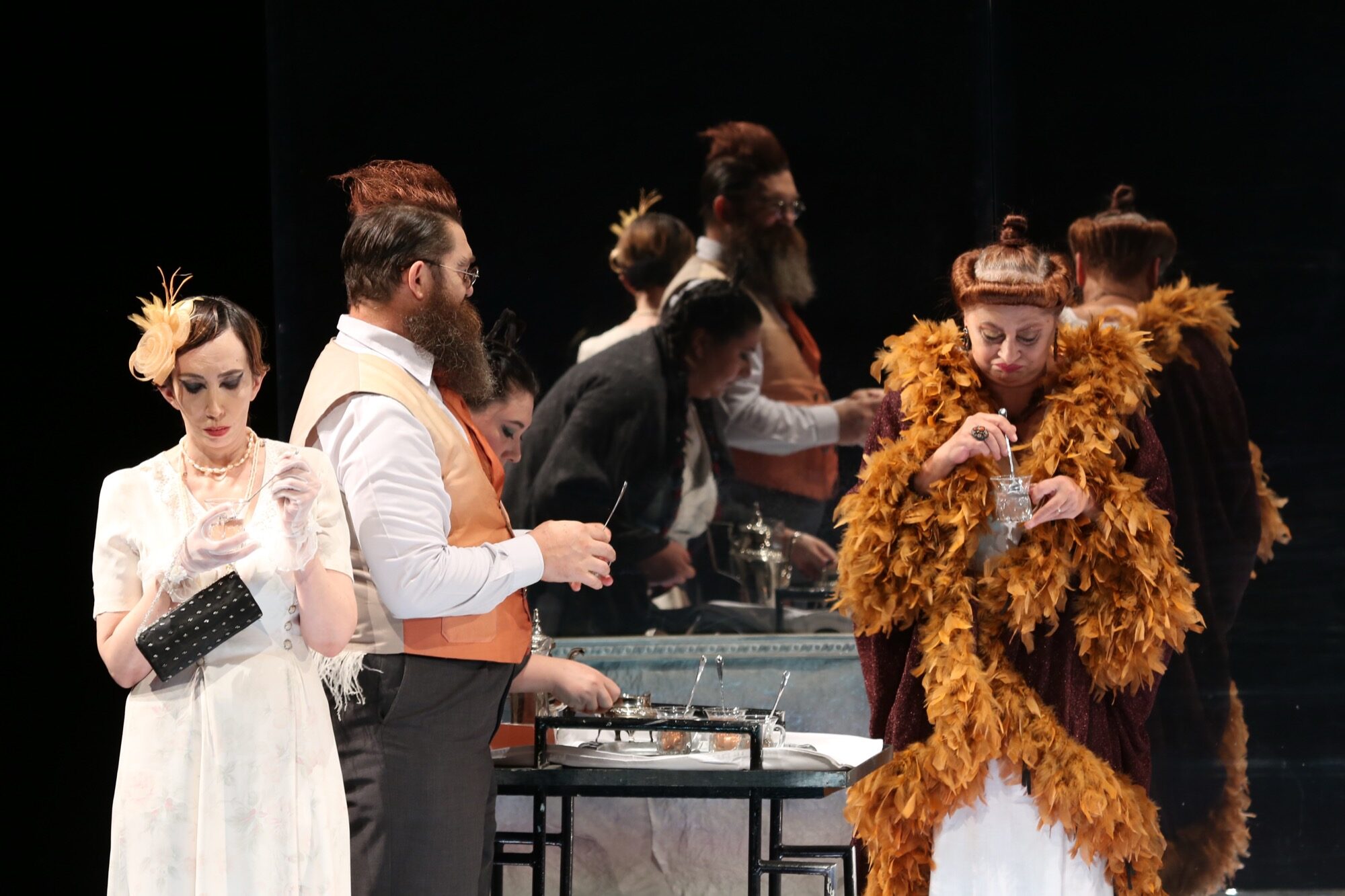
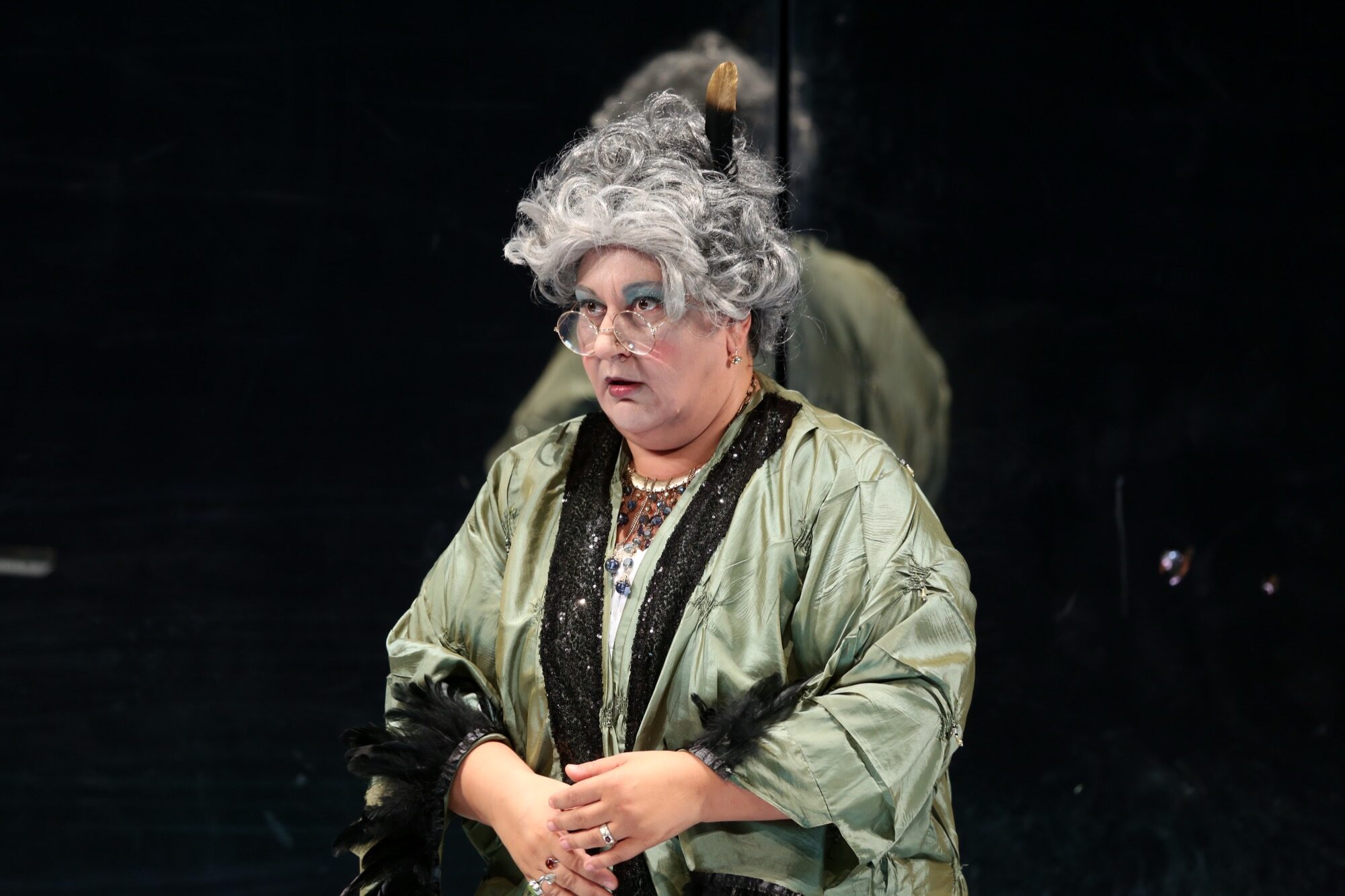
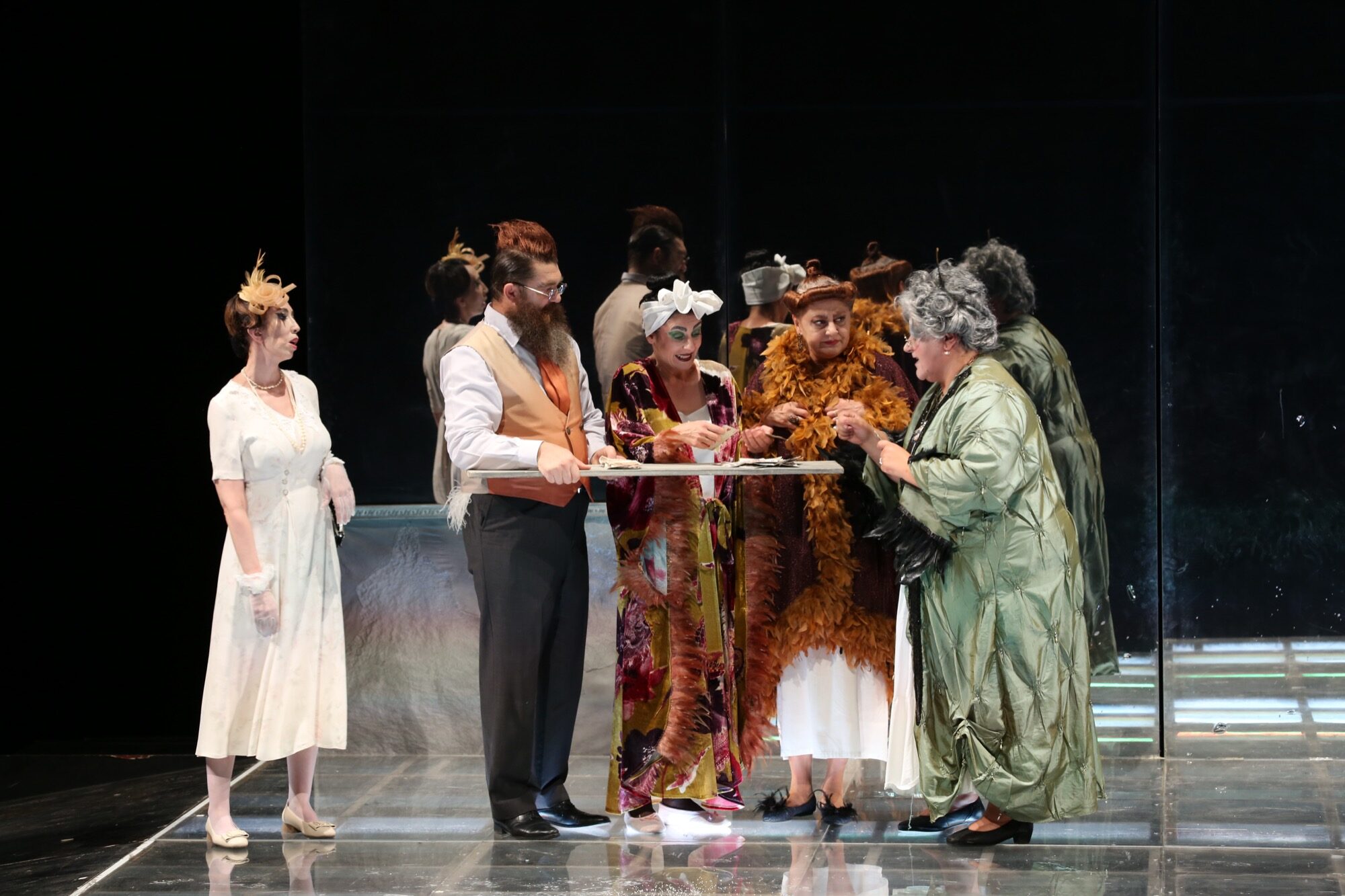
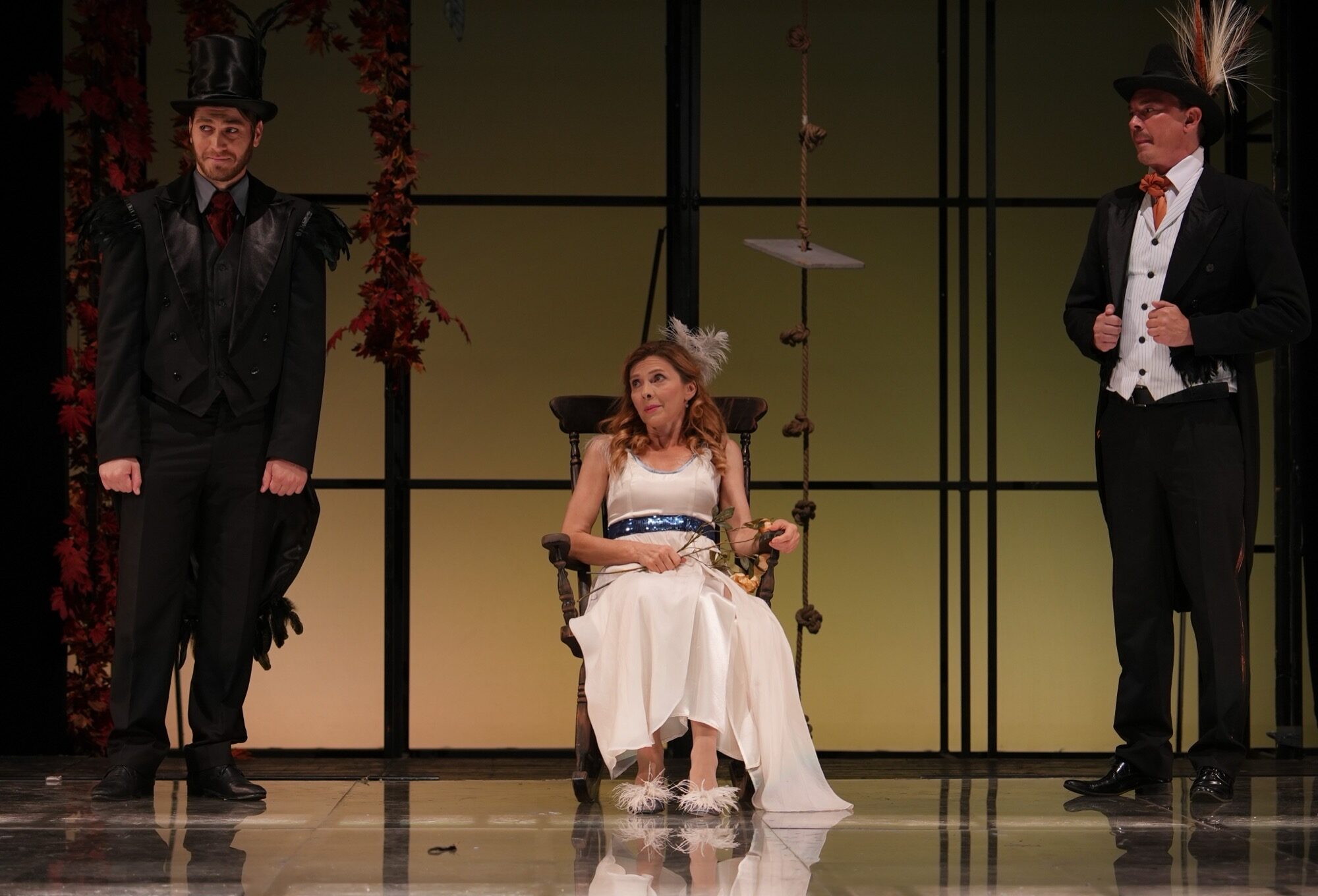
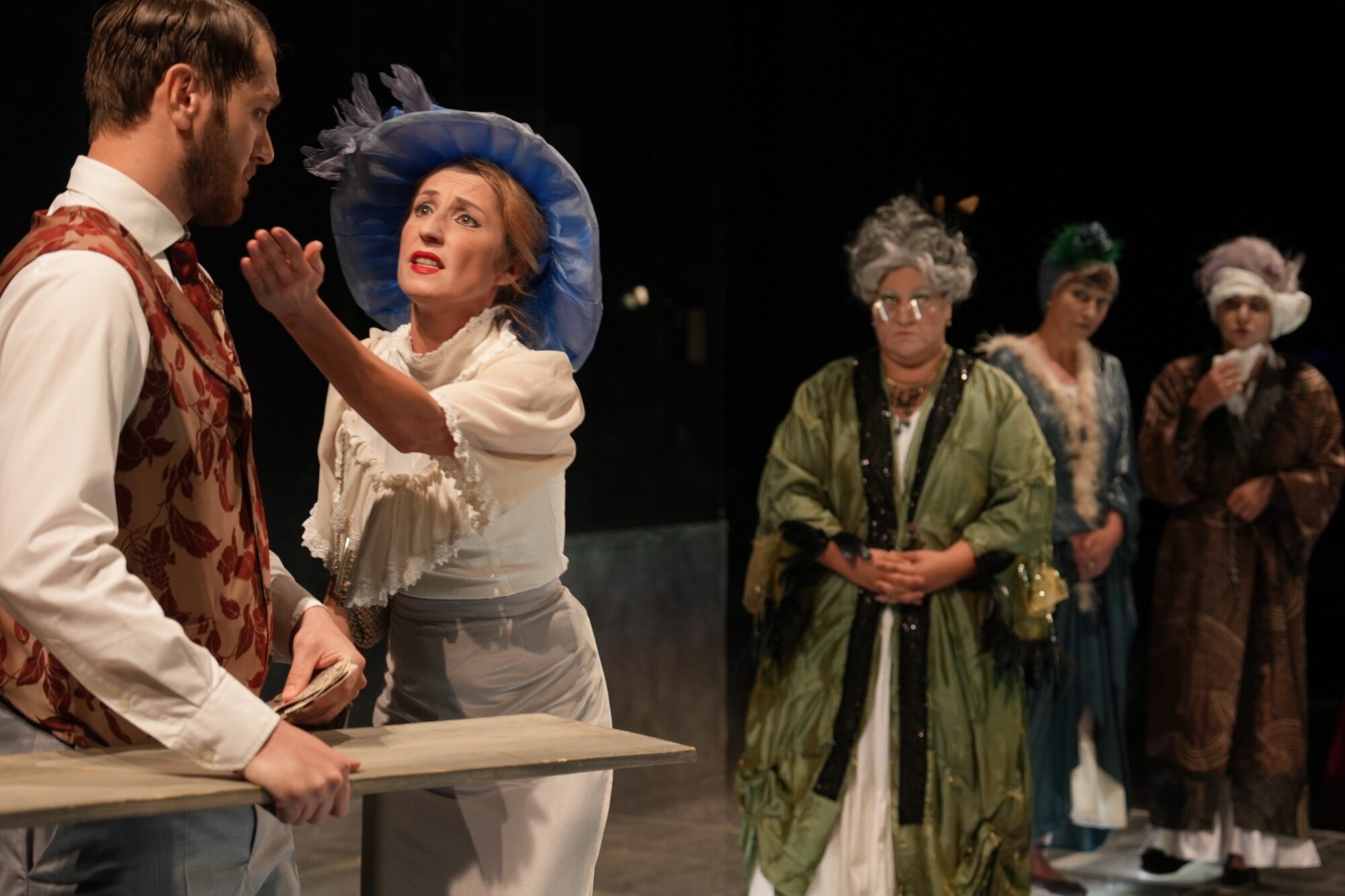
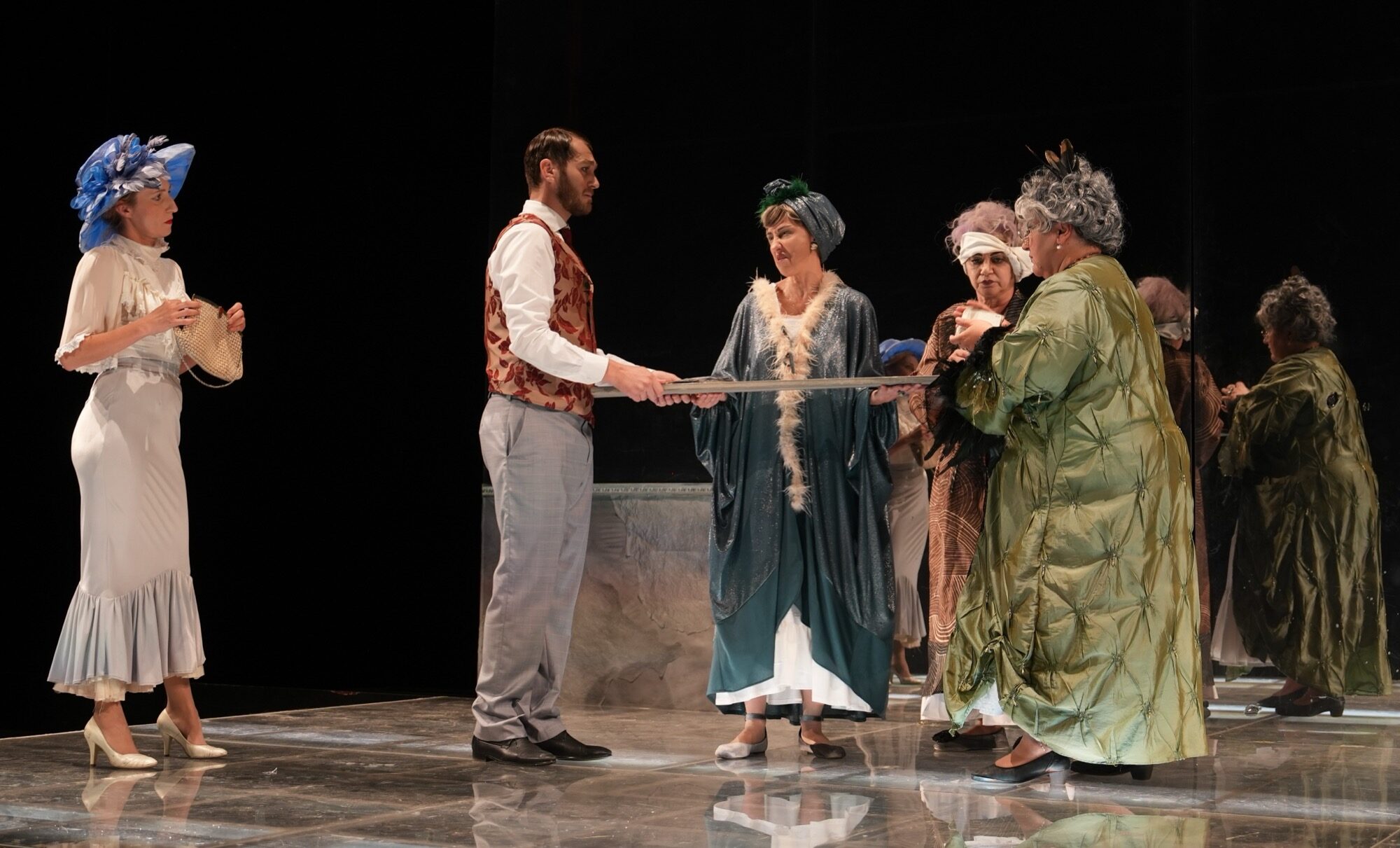
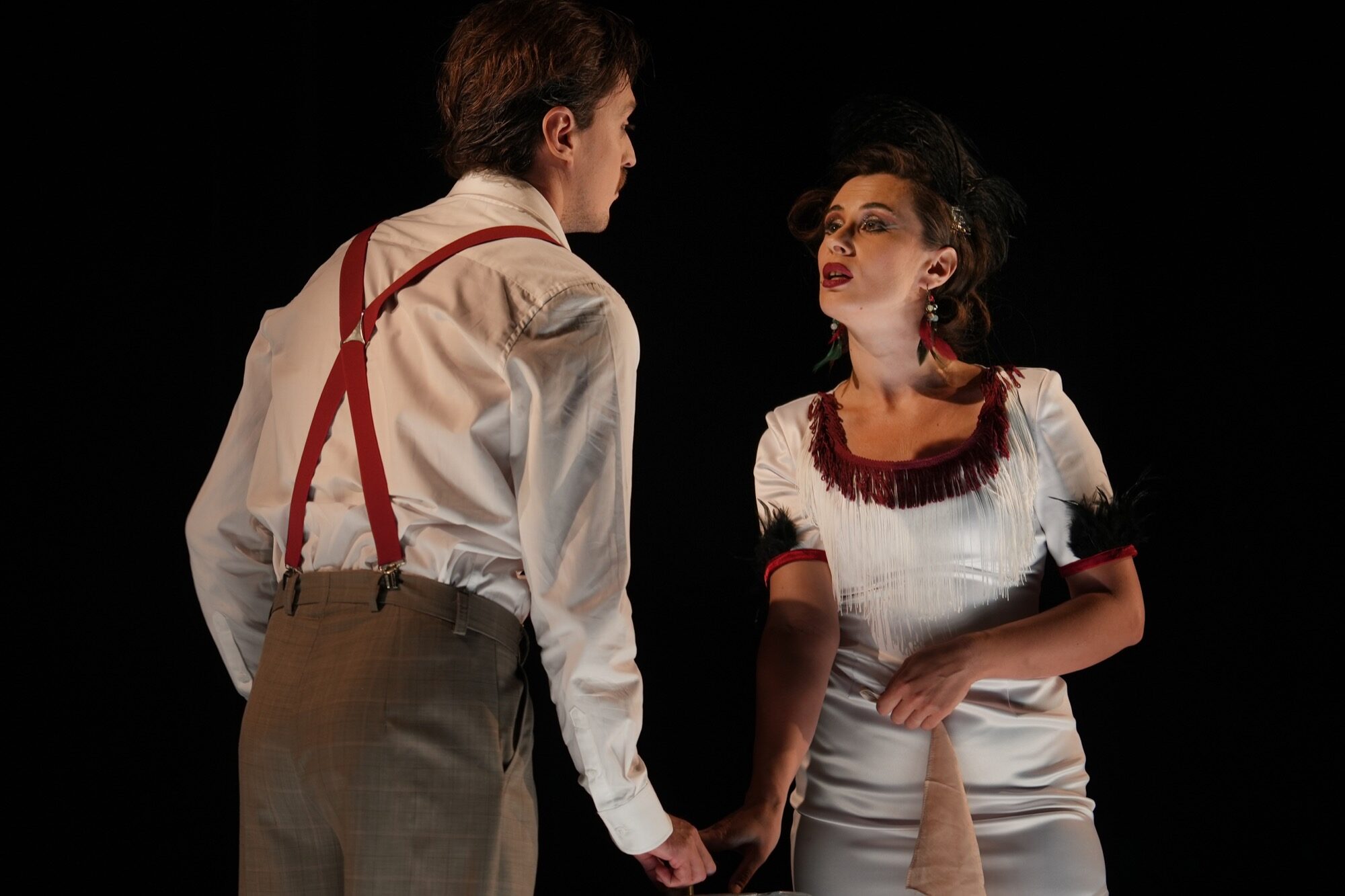
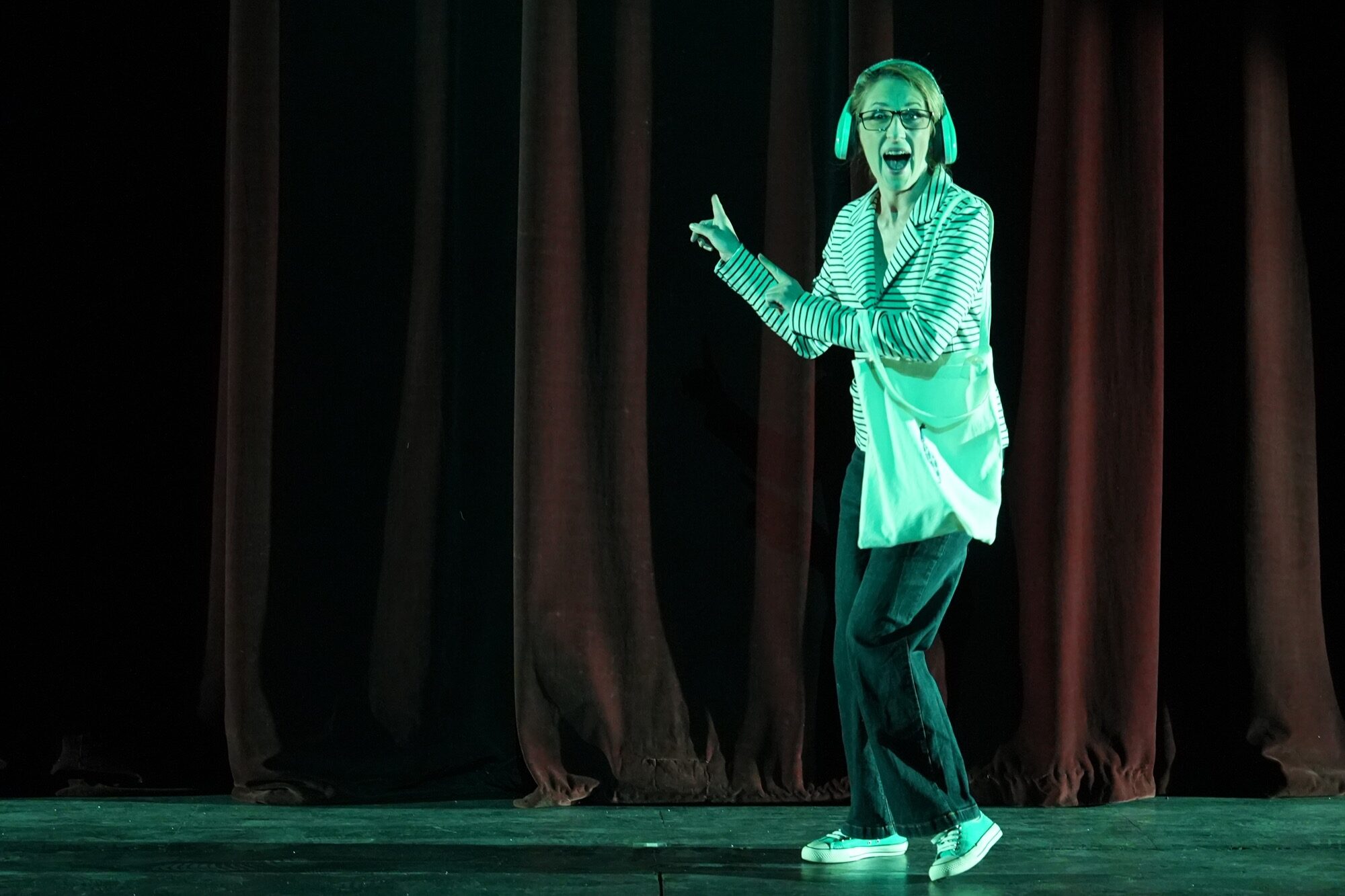
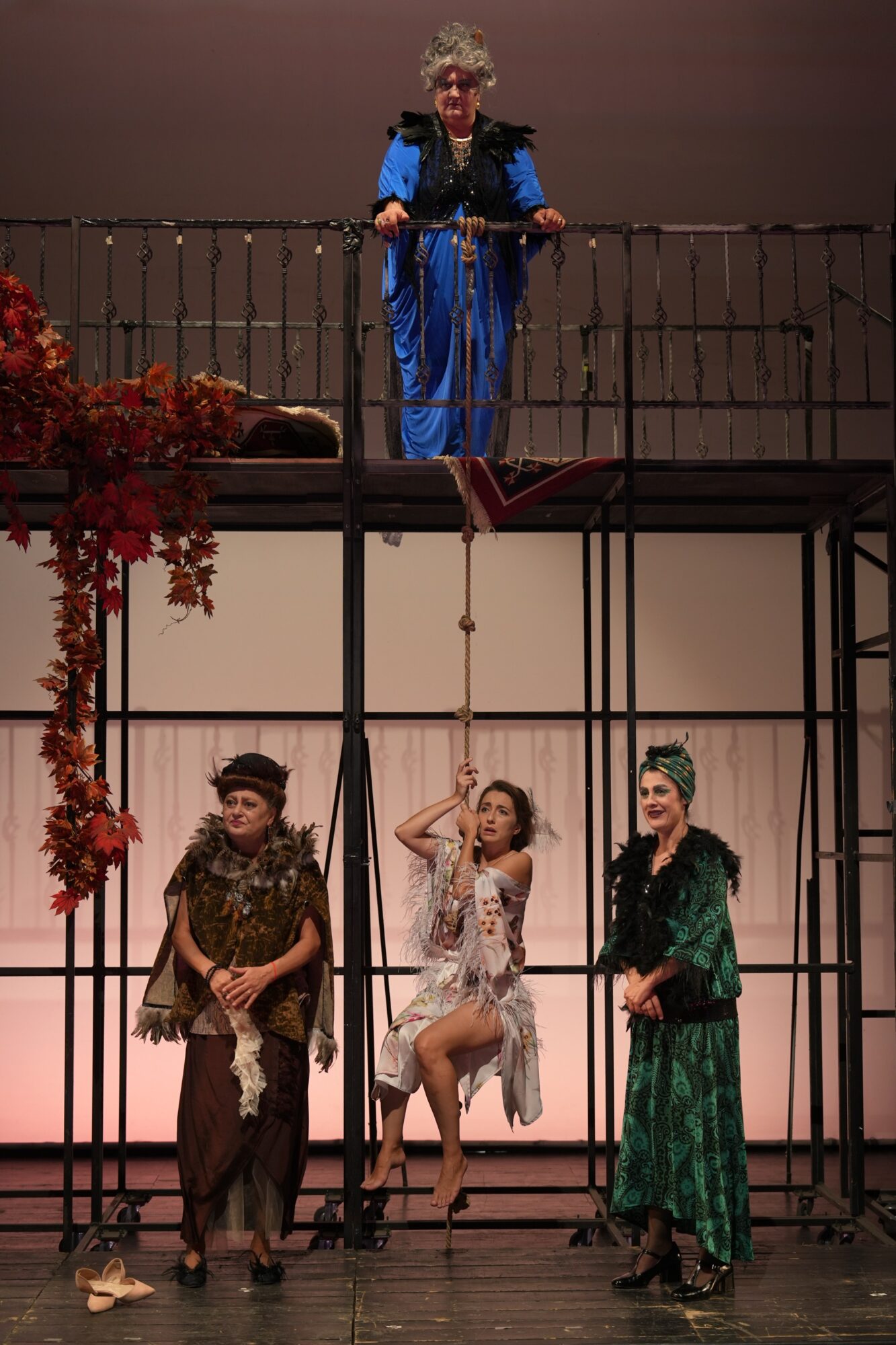
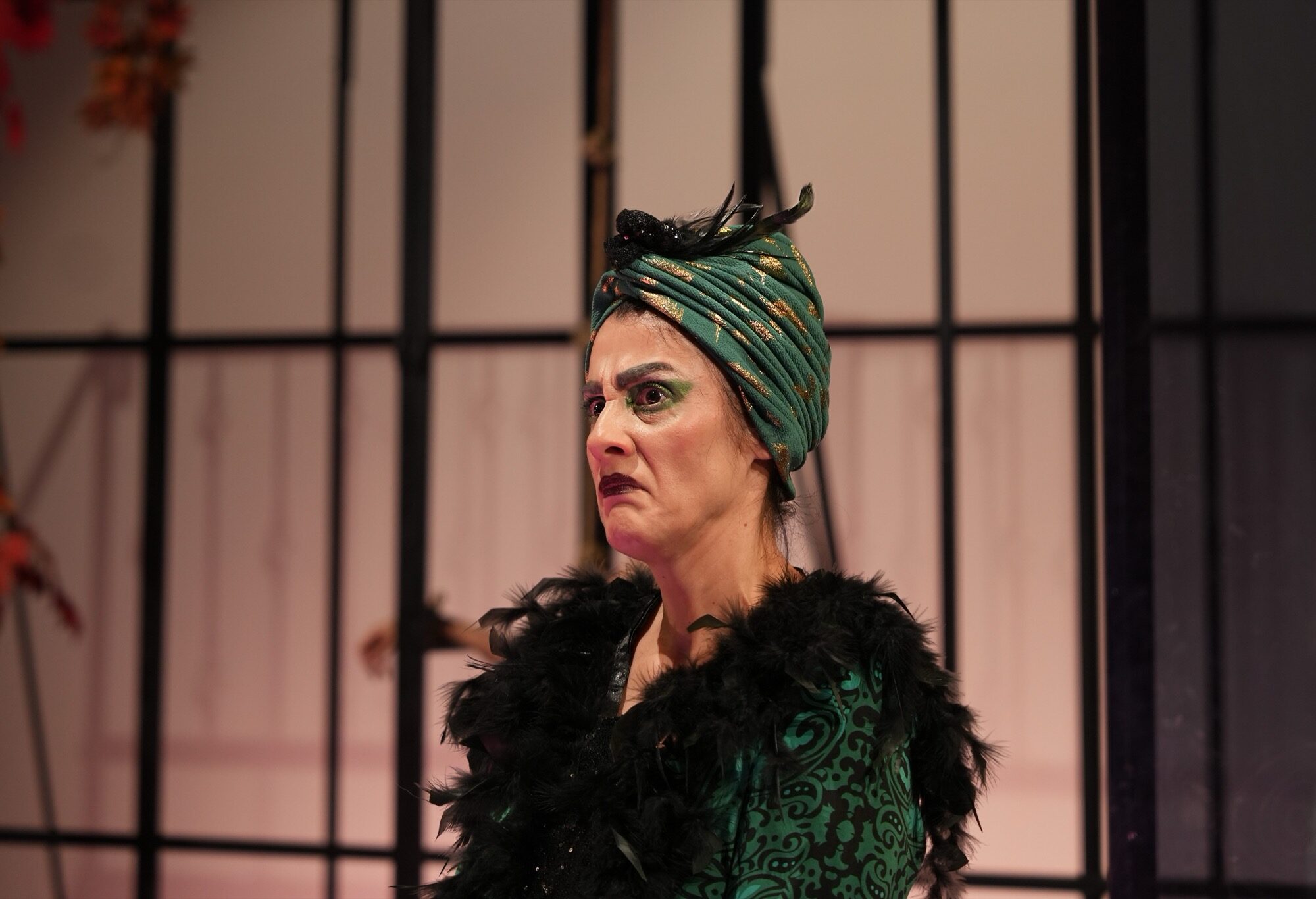
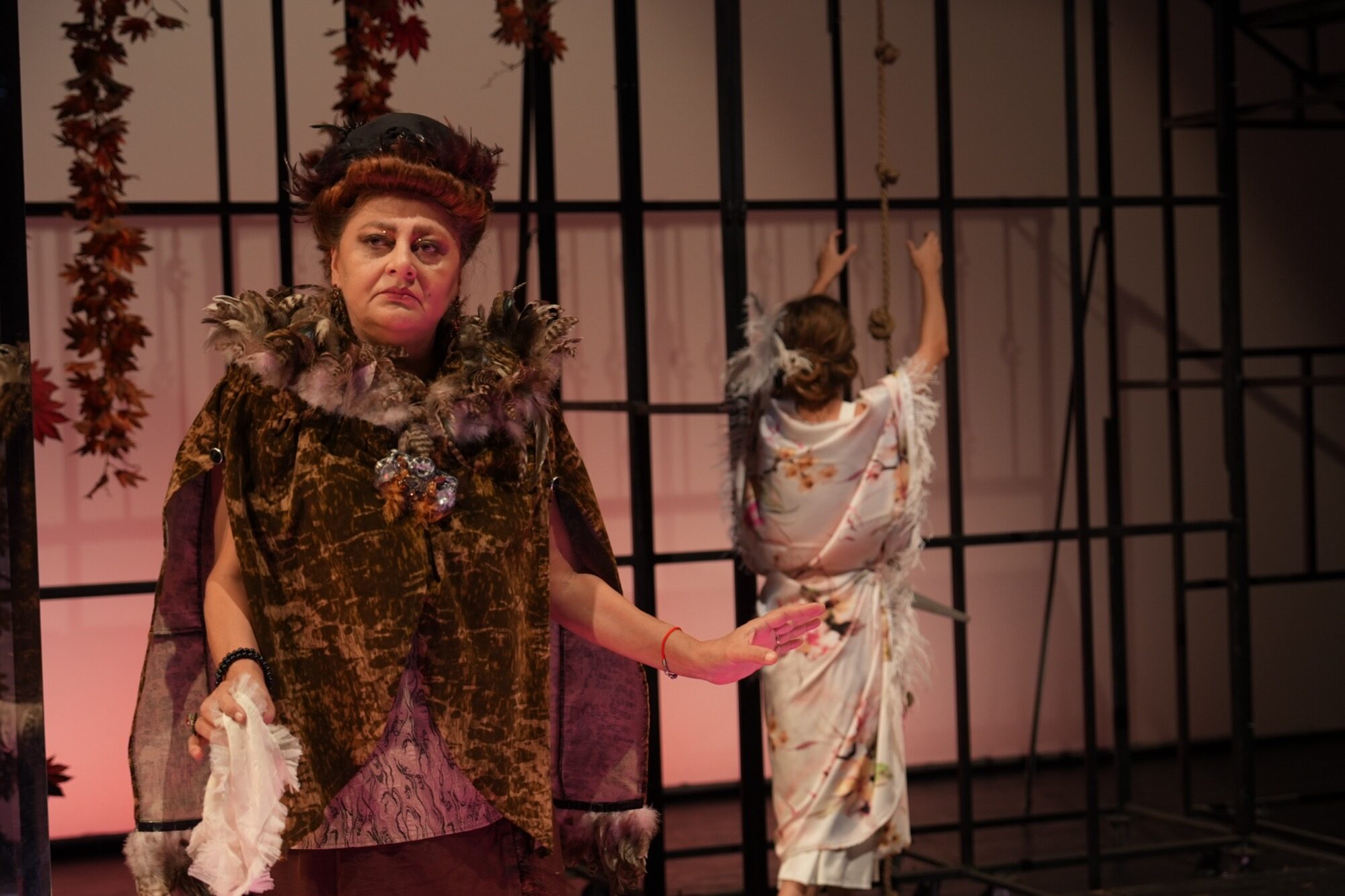
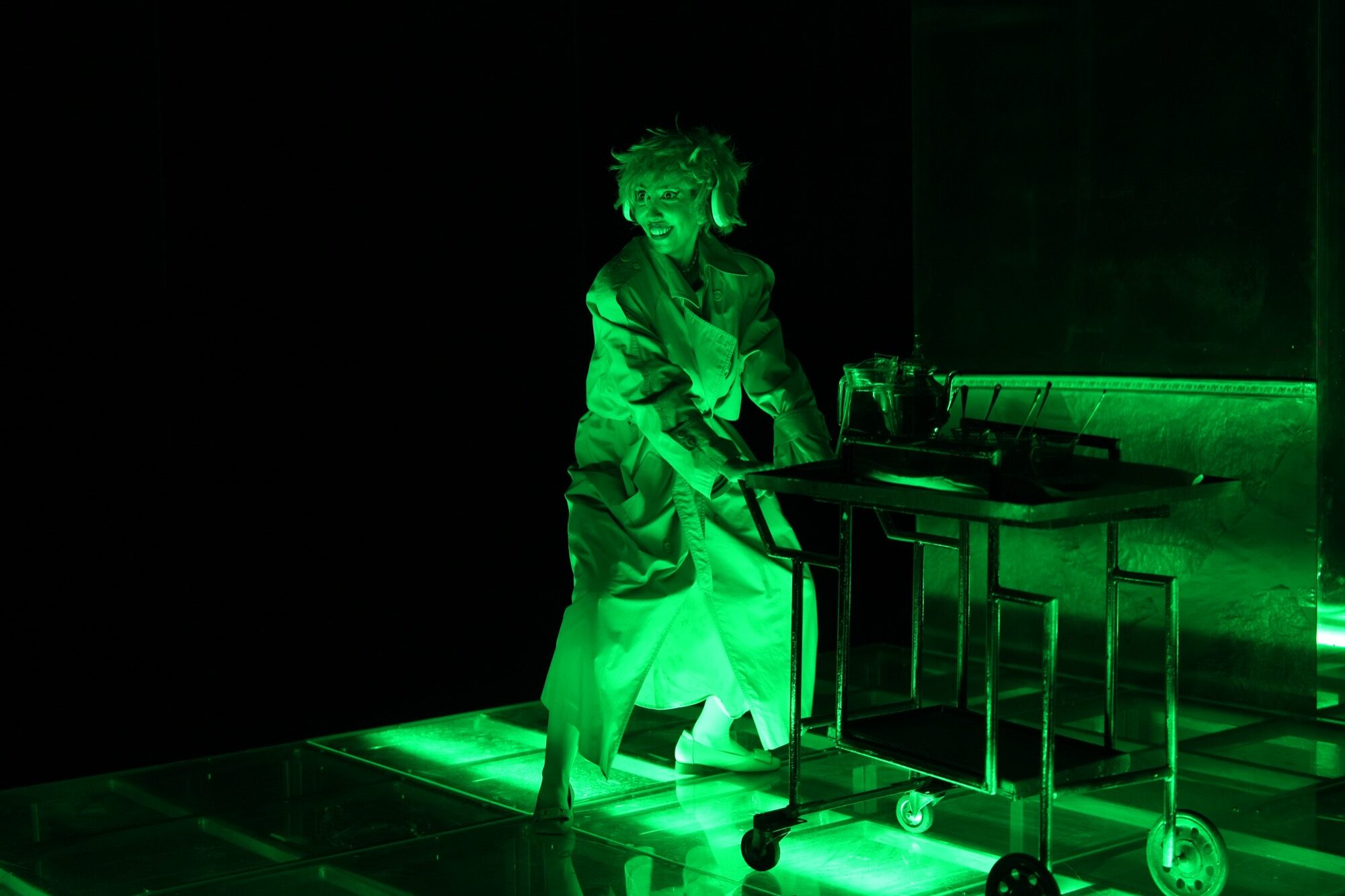
Raluca Păun (Aneta Duduleanu), Irina Danciu (Wanda Serafim), Iulia Colan (Margareta Aldea), Iulia Lazar (Colette Duduleanu), Gabriela Baciu (Fräulein), Geni Macsim (Lena), Ramona Drăgulescu (Zoia), Ioana Andone / Cătălina Vînătoru (Zamfira), Cătălin Vieru (Mircea Aldea), Ștefan Cepoi (Georges Duduleanu), Nicolae Vicol (Ianache Duduleanu), Mircea Mogoșeanu (a young man), Gloria Vărzaru, Ava Vicol and Romana Vicol (the girls Duduleanu)
Cast B:
Raluca Păun (Aneta Duduleanu), Costinela Ungureanu (Wanda Serafim), Petronela Zurba (Margareta Aldea), Alina Mangra (Colette Duduleanu), Romaniţa Ionescu (Fräulein), Anca Dinu (Lena), Corina Druc (Zoia), Roxana Mutu (Zamfira), Cătălin-Mihai Miculeasa (Mircea Aldea), Alex Calangiu (Georges Duduleanu), Claudiu Mihail (Ianache Duduleanu), Mircea Mogoșeanu (a young man), Gloria Vărzaru, Ava Vicol and Romana Vicol (the Duduleanu girls)
Stage direction Cristian Petec, Sorin Gruia
Make-up: Minela Popa, Mihaela Guran
Photo credit: Cristian Floriganță, Florin Chirea
Literary Secretary Haricleea Nicolau
Prompter: Adrian Țîrcă, Ramona Popa
Sound George Udrea
Lights Ștefăniță Rezeanu
Premiere date: 19, 20 Septembrie 2025
Duration: 135 min. cu pauză
Genre of the show: Comedy
Premiere date: 22 sept. 2017
Rerun with modified cast: 19, 20 sept. 2025
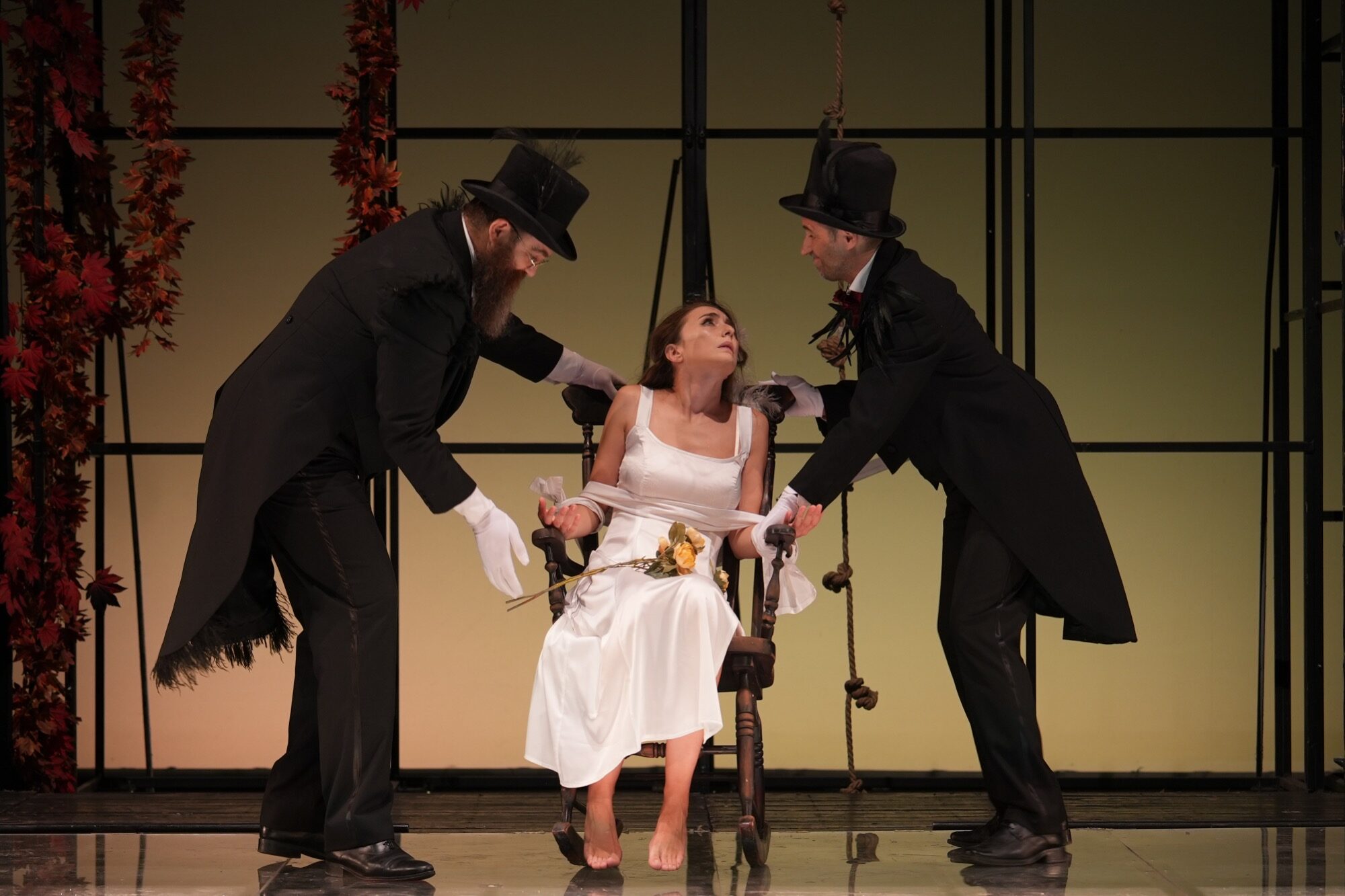
*the cast includes girls Gloria Vărzaru, Ava Vicol and Romana Vicol in the roles of the Duduleanu girls
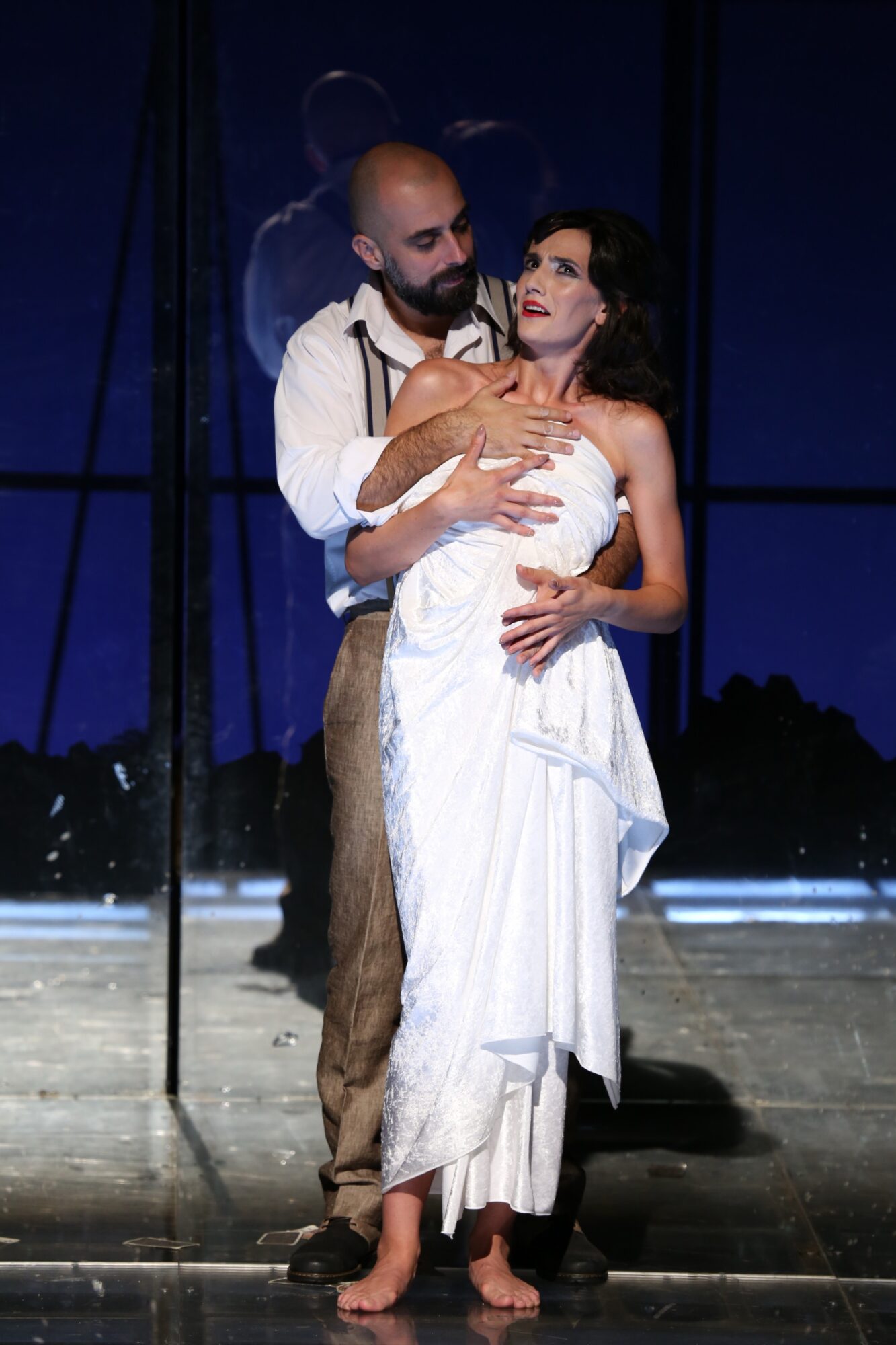
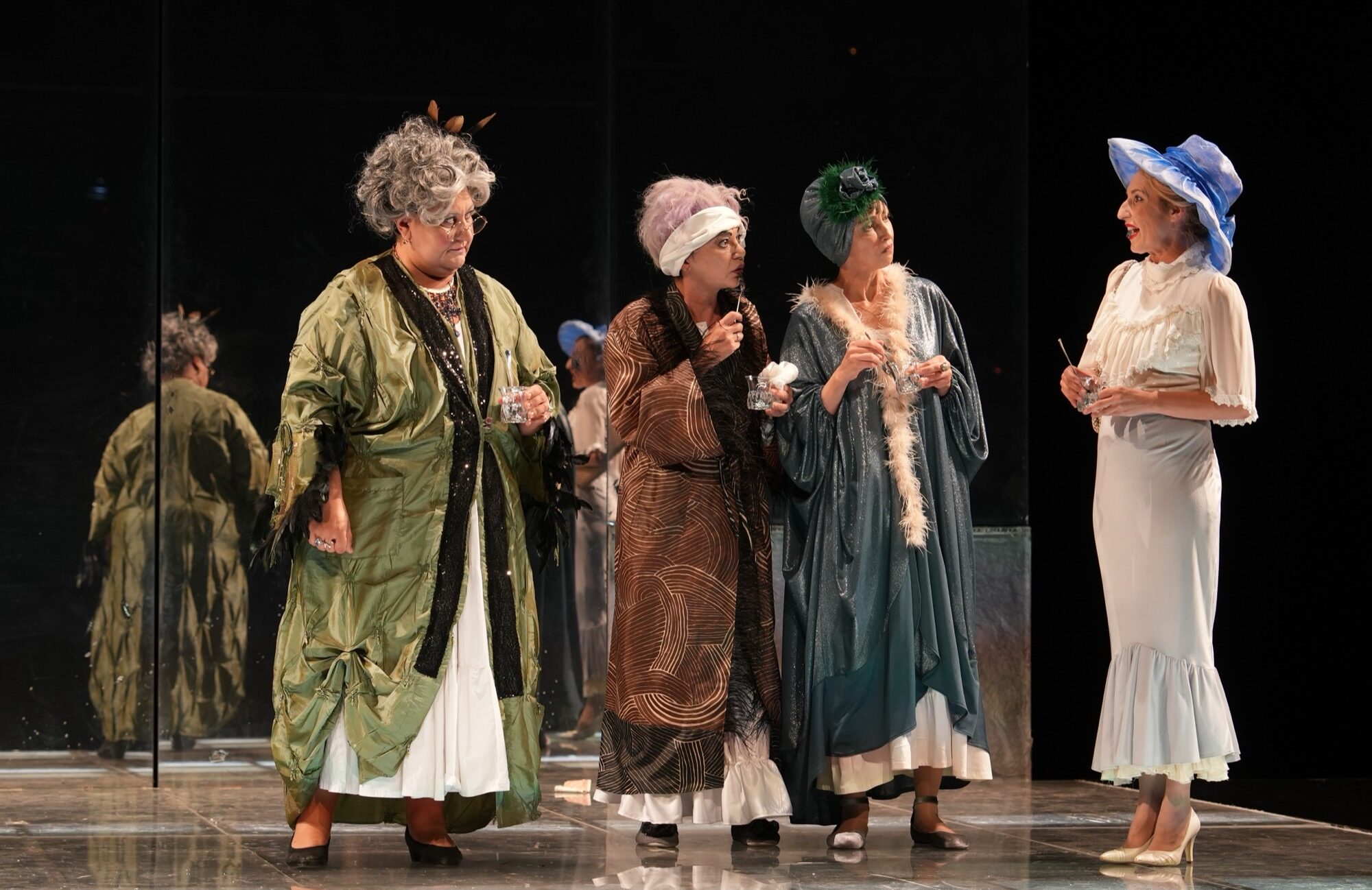
The play "Gaițele" (or "The Wasp's Nest") is one of the most valuable comedies of the interwar period in the national drama, belongs to the writer Al. Kirițescu, and the play takes place in Craiova. "Gaițele" (1932) is the play that closes the writer's bourgeois trilogy, which also includes the plays "Marcel and Marcel" (or "Anișoara and the Temptation") and "Florentina". Playwright Al. Kirițescu creates a savoury portrait of the petit bourgeoisie. Perhaps the closest to Caracalla's comedy in its satirical virulence and undeniable literary value, the play "Gaițele" reflects most clearly the writer's critical attitude towards the society of his time.
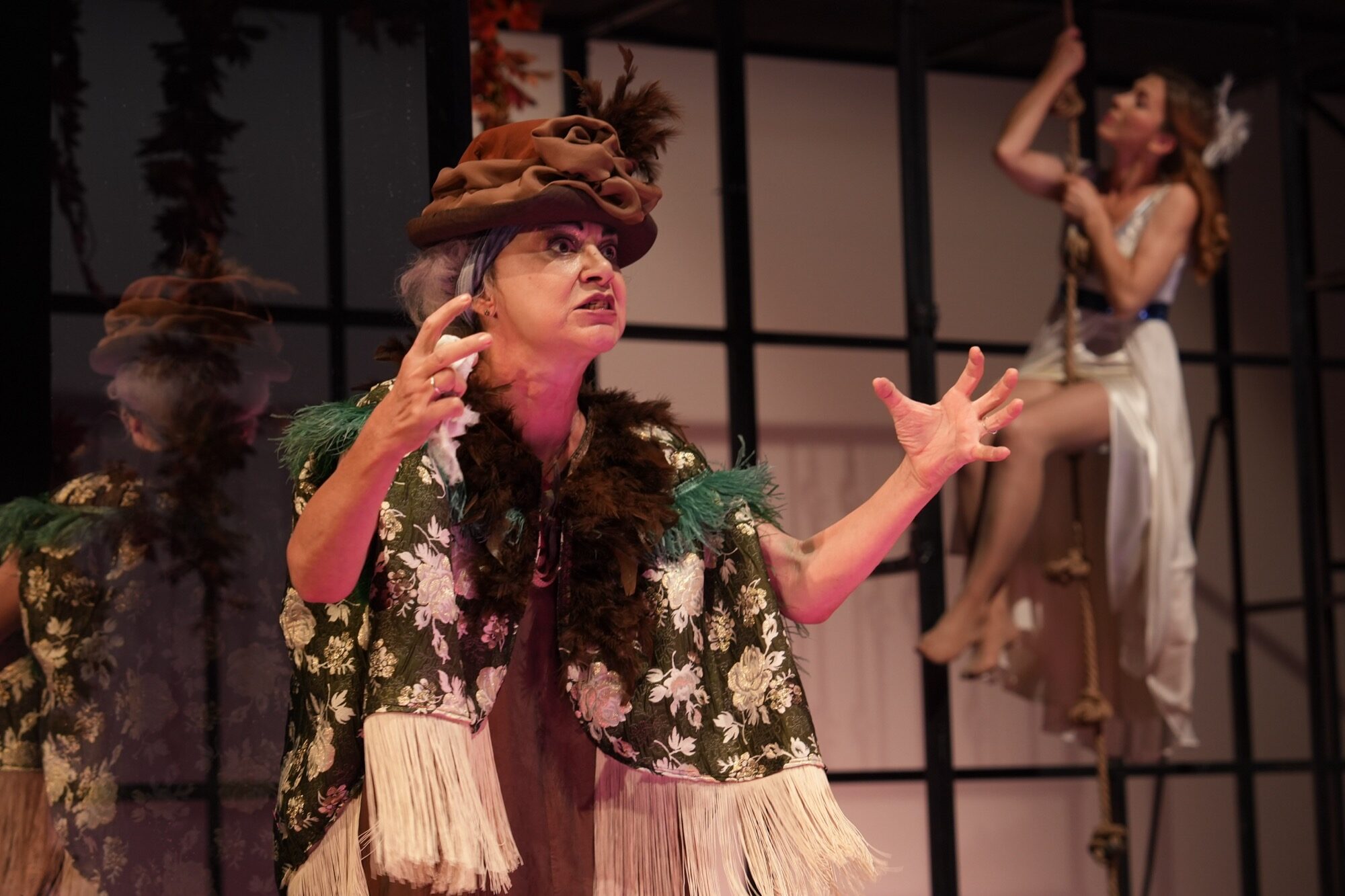
The undertaker and life in sensational-comic tones, this is the "Olteneque" recipe that Alexandru Kirițescu (1888-1951) managed to deliver impeccably in his most popular play, Gaițele, one of the most loved by successive generations of spectators. Although he wrote more than a dozen, Kirițescu seems to have written only one play, so popular did Gaițele become, even though at its premiere (1930, Regina Maria Theatre) critics called it "a flop"! Camil Petrescu received it with indulgence, but reproached the author for using French expressions (nest of wasps, not "viespar", as we Romanians say...). During the proletculture period, through the voice of the direction critics, "Gaițele" became an occasion for, how else, vilifying the Romanian bourgeoisie.
Alone, only Radu Stanca (Notes on Alexandru Kirițescu's Theatre, Tribuna, 1958) will make a reading uninfluenced by the tone of the time, but Stanca was a man of the theatre and a professional to boot. The author, Mircea Ghițulescu informs us in the medallion dedicated to the author in "The History of Romanian Literature. Dramaturgia" (Ed. TracusArte, 2008), he will not try to separate the waters from the dry land either, not wanting to get into unnecessary polemics with the doctrine of the time. So to speak, the "morbid farce" survived on its own, especially through what Ghițulescu remarked to be "the unusual sound composition that can be treated as an eccentric choral score".
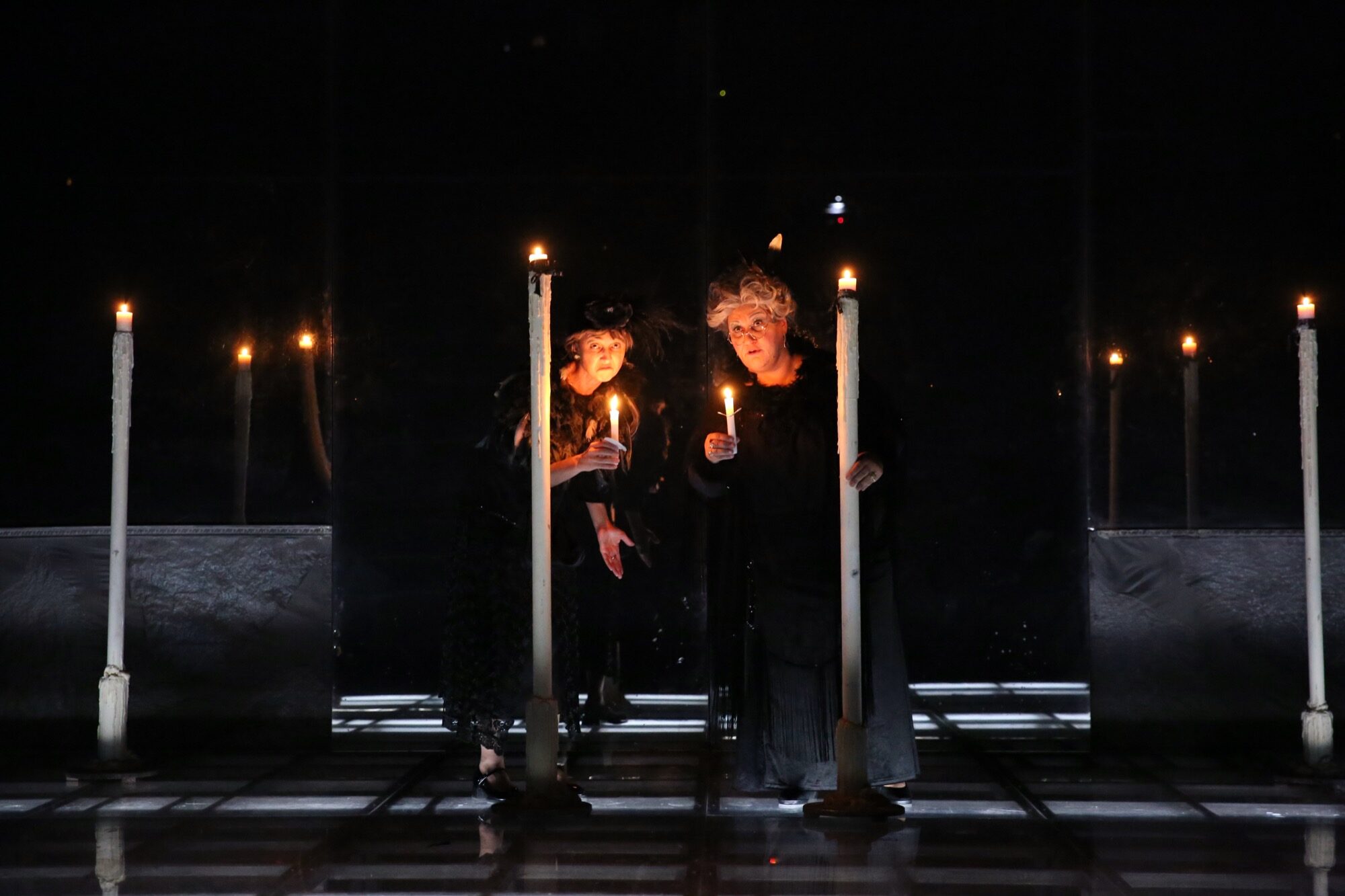
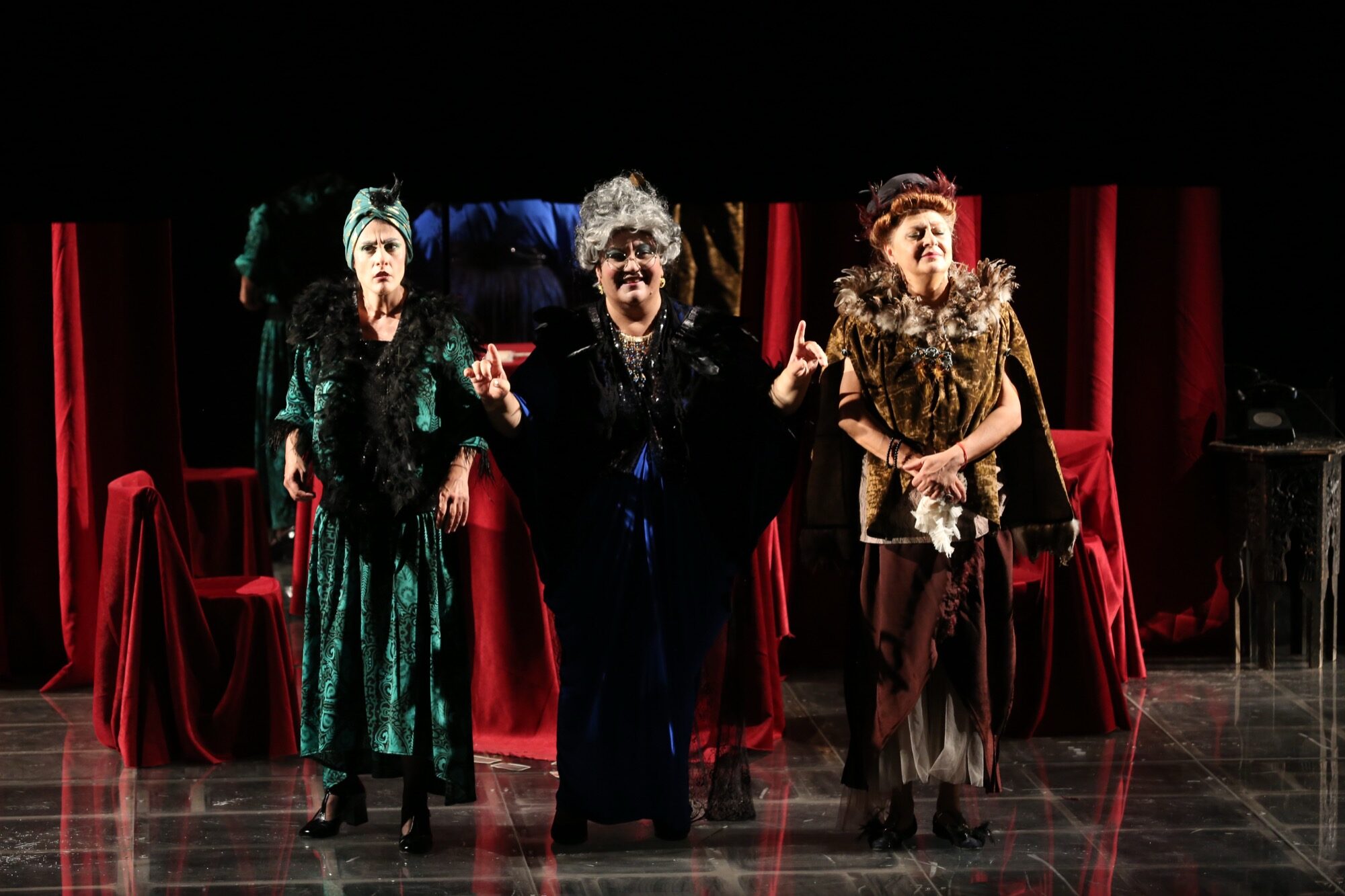
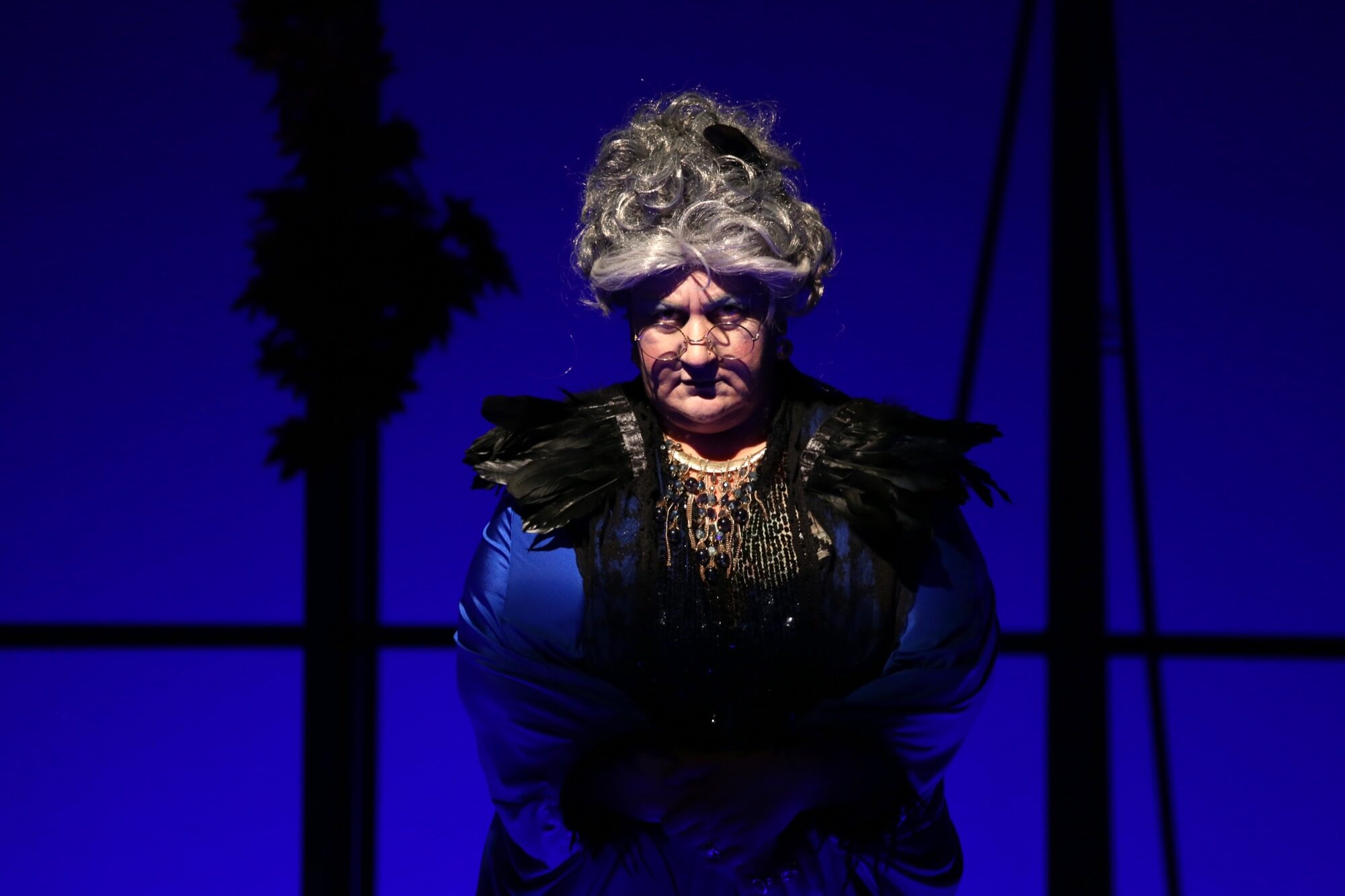
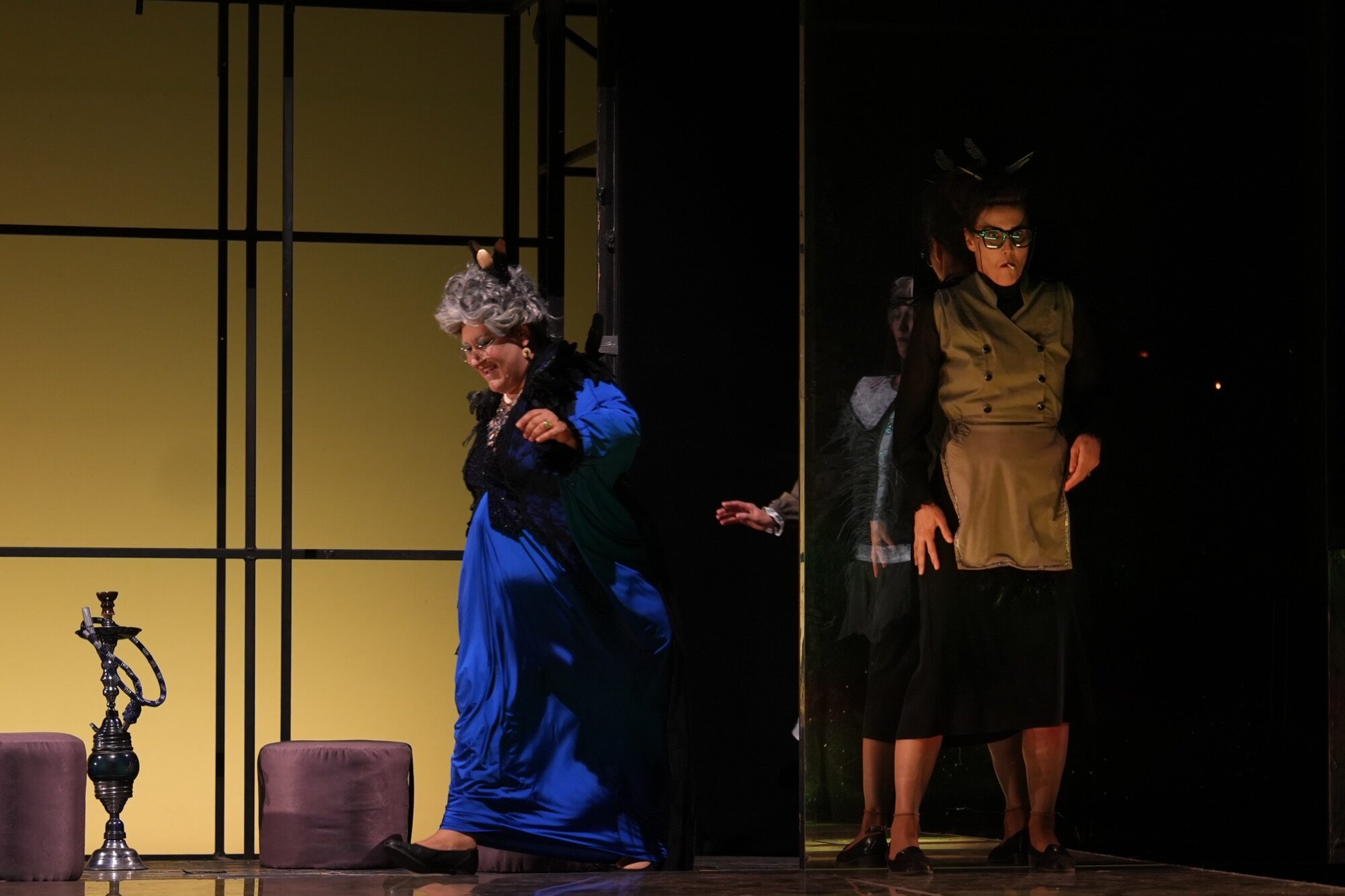
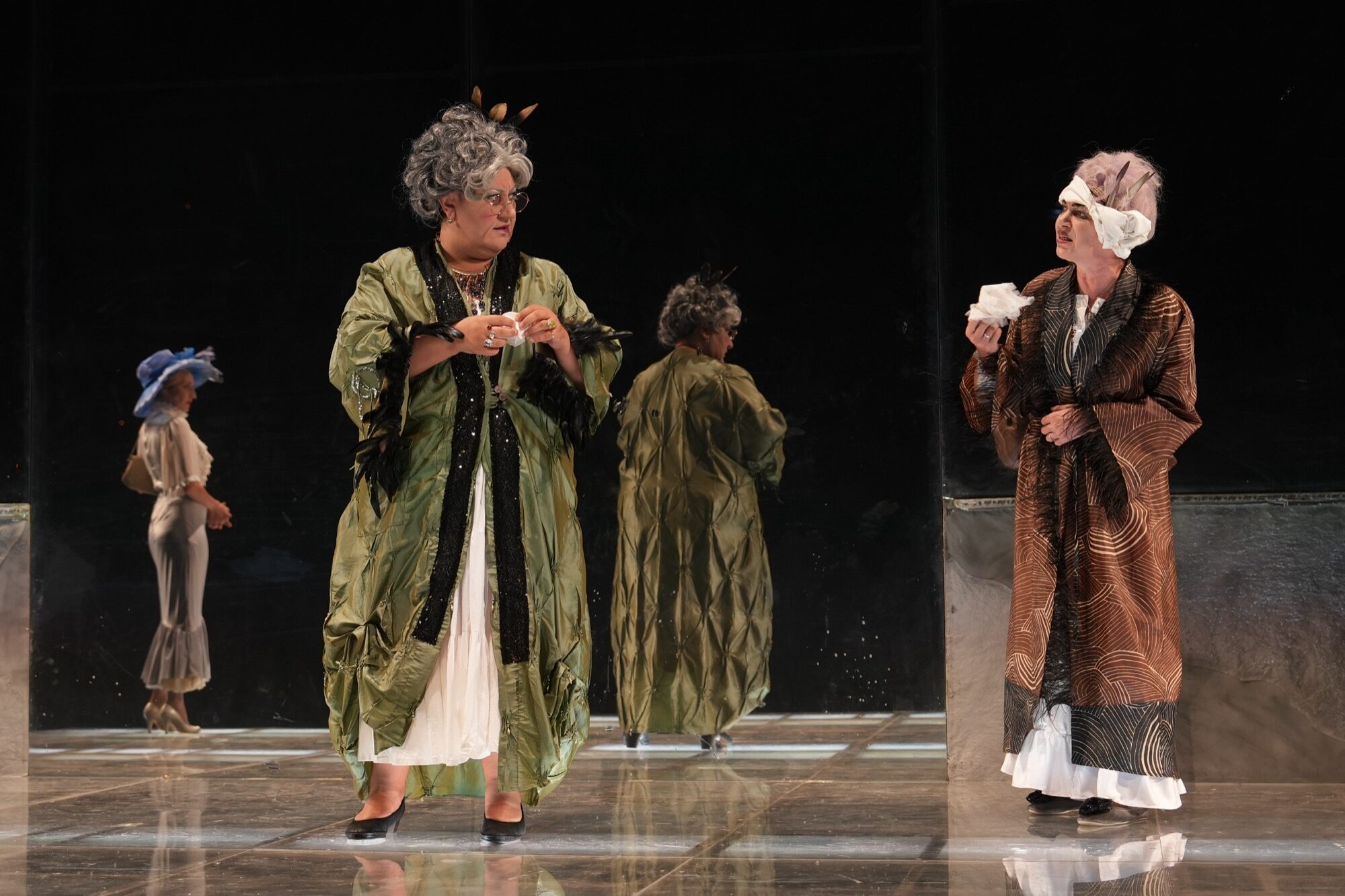
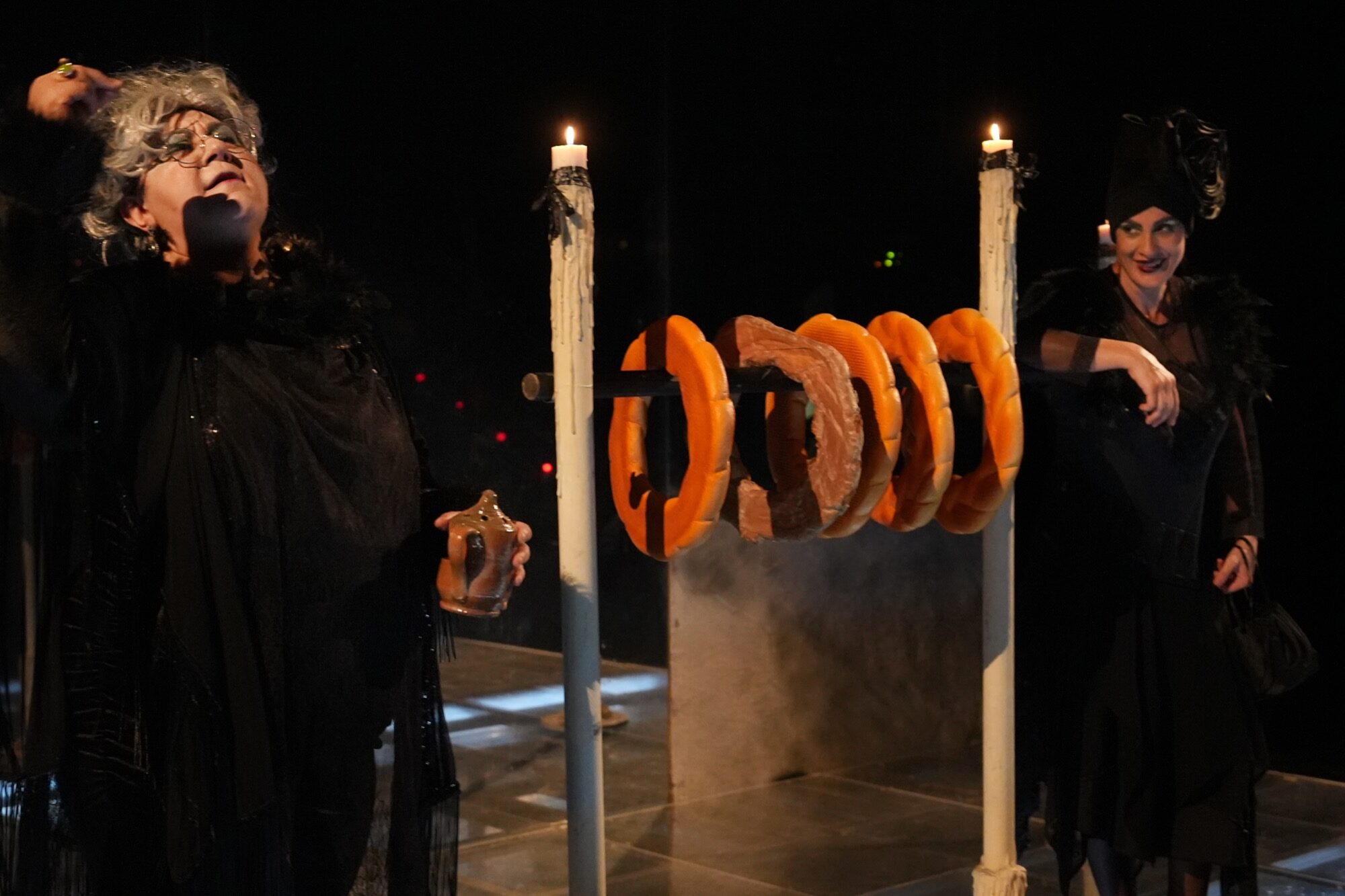
The three Oltence, Aneta, Zoia and Lena, in love with the spectacle of the death of the others, are like the three Erinis of Greek mythology (in our country they would be more simply called cobe), only in a minor, talkative key, prophesying doom with a cheerful-apocalyptic tone, sweetened with grumbling and sarcasm, as others are with the coliva of the parastas: the best in the world, it is known.
Kirițescu is still sensational today because, in large part, we haven't changed either: we like to show off and we do it beautifully."
Nicolae Coande
Niciun rezultat pentru ""
Tastează pentru a începe căutarea...