Minela Popa
Ioana Cojocărescu
By: William SHAKESPEARE
Text Translation: George VOLCEANOV
Artistic direction and stage adaptation: Silviu PURCĂRETE
Set Design: Dragoș BUHAGIAR
Original music:: Vasile ȘIRLI
Assistant Director: Raluca PĂUN
Show graphics: Cristina PURCĂRETE
Literary secretaries: Haricleea Nicolau & Denisa Neațu
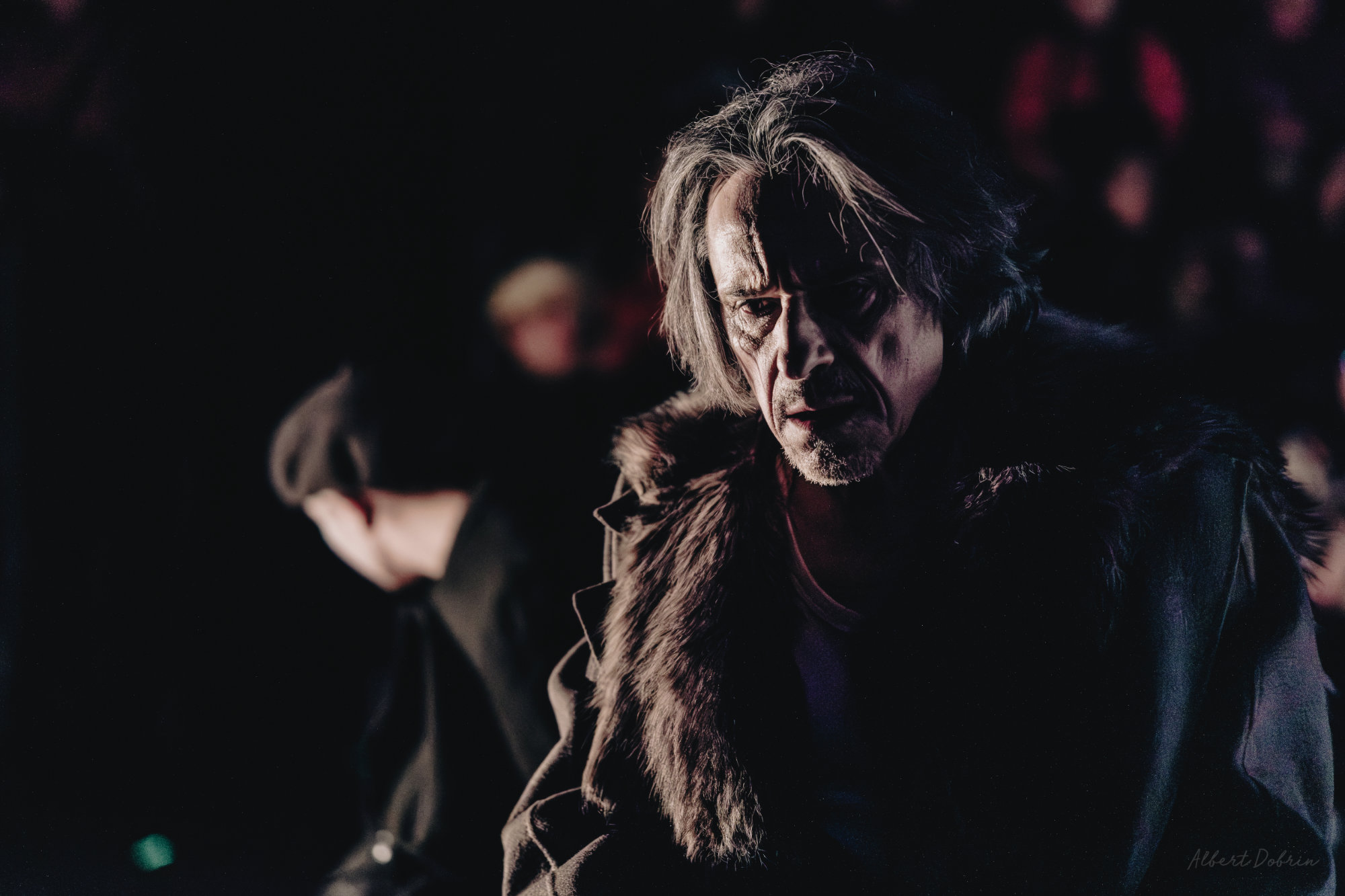
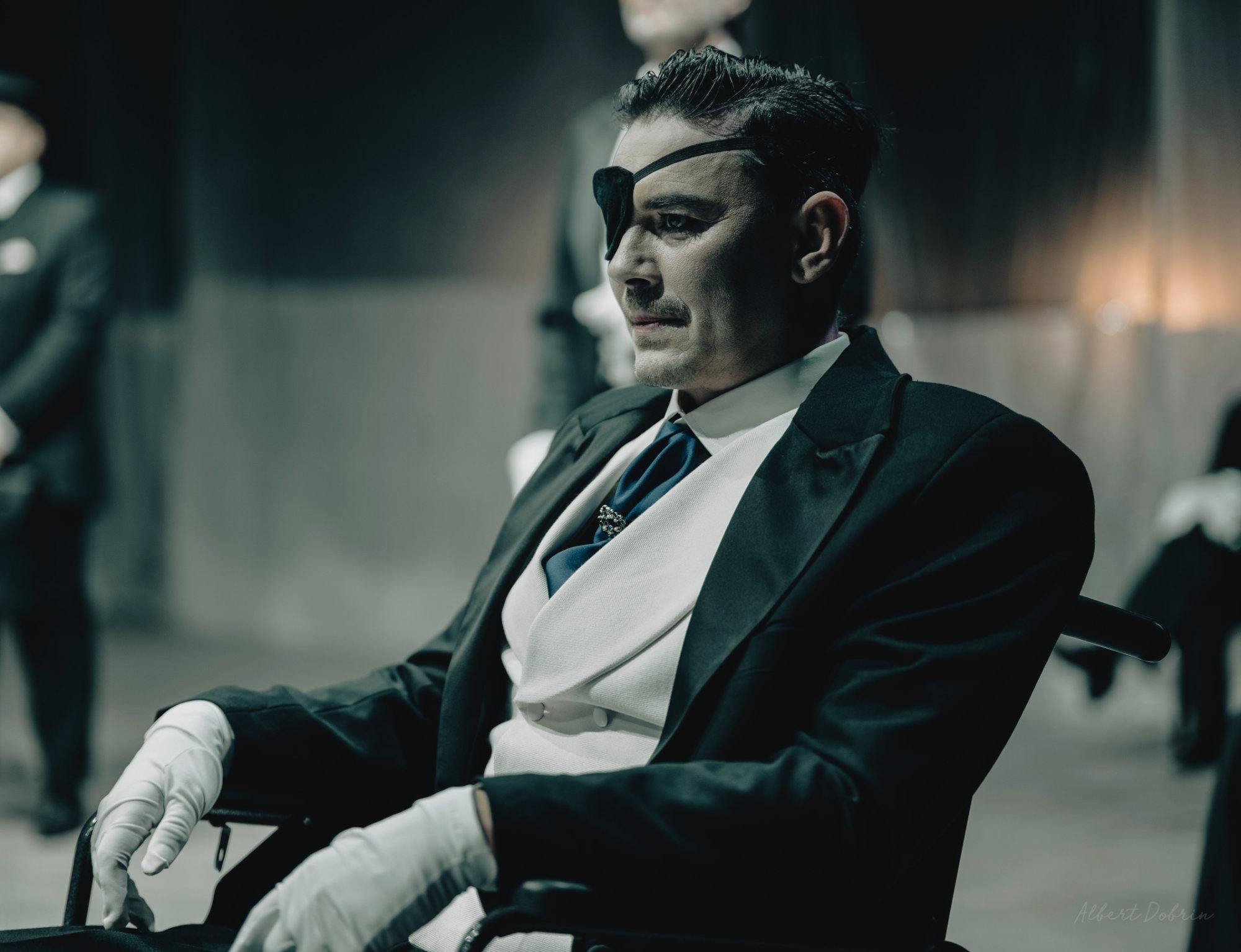
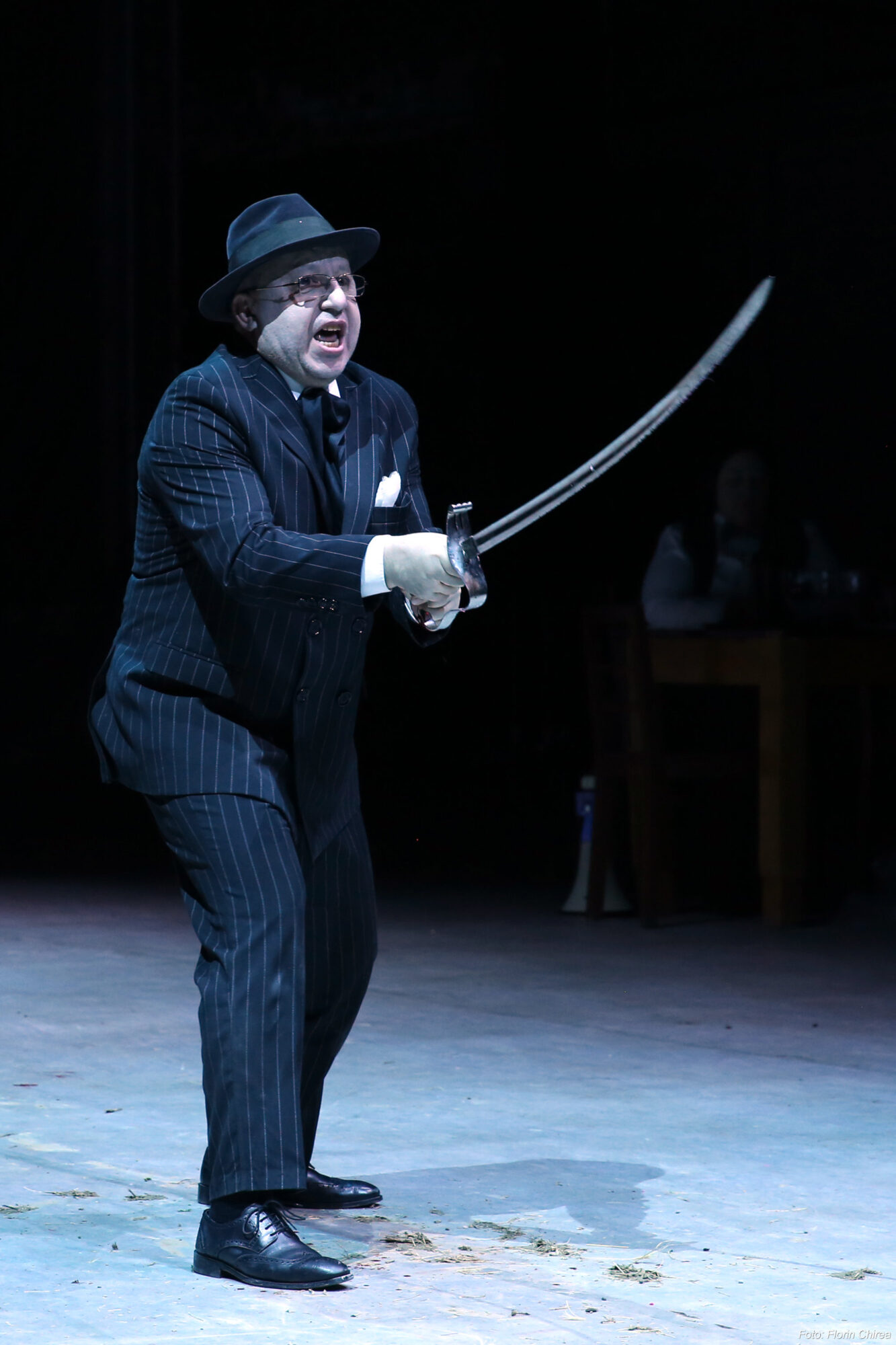
Cast:: Regele Lear (Claudiu Bleonț), Goneril (Romanița Ionescu), Ducele de Albany (Cătălin Vieru), Regan (Iulia Colan), Ducele de Cornwall (Alex Calangiu), Cordelia și Bufonul (Costinela Ungureanu / Ioana Cojocărescu), Regele Franței (Mircea Mogoșeanu/Adrian Tudor), Contele de Kent (Angel Rababoc), Contele de Gloucester (Sorin Leoveanu), Edgar (George Albert Costea), Edmund (Ovidiu Cârstea), Oswald (Nicolae Poghirc), Raluca Păun, Minela Popa (Minela Zamfir), Un slujitor (Adrian Țîrcă), Slujitorii (Sorin Gruia, Nicolae Guran, Constantin Ciuică, Nicolae Dumitrașcu, Costinel Nicu, Nicolița Răducanu, Cristina Birtu, Monica Dragomir, Mirela Ștefan, Lavinia Petec, Maria Ungureanu, Anca Rădulescu)
Sound: Emy GURAN
Lights: Ștefăniță REZEANU, Marian TUDORACHE
Stage direction: Sorin GRUIA
Photo credit: Cristian Floriganță, Mihaela Marin, Florin Chirea, Albert Dobrin
Prompter: Adrian ȚÎRCĂ
Producer: Marius PÎRLEA
Premiere date: 20, 21 februarie 2026
Duration: 140 min. fără pauză
*Show recommended for people over 14 years old
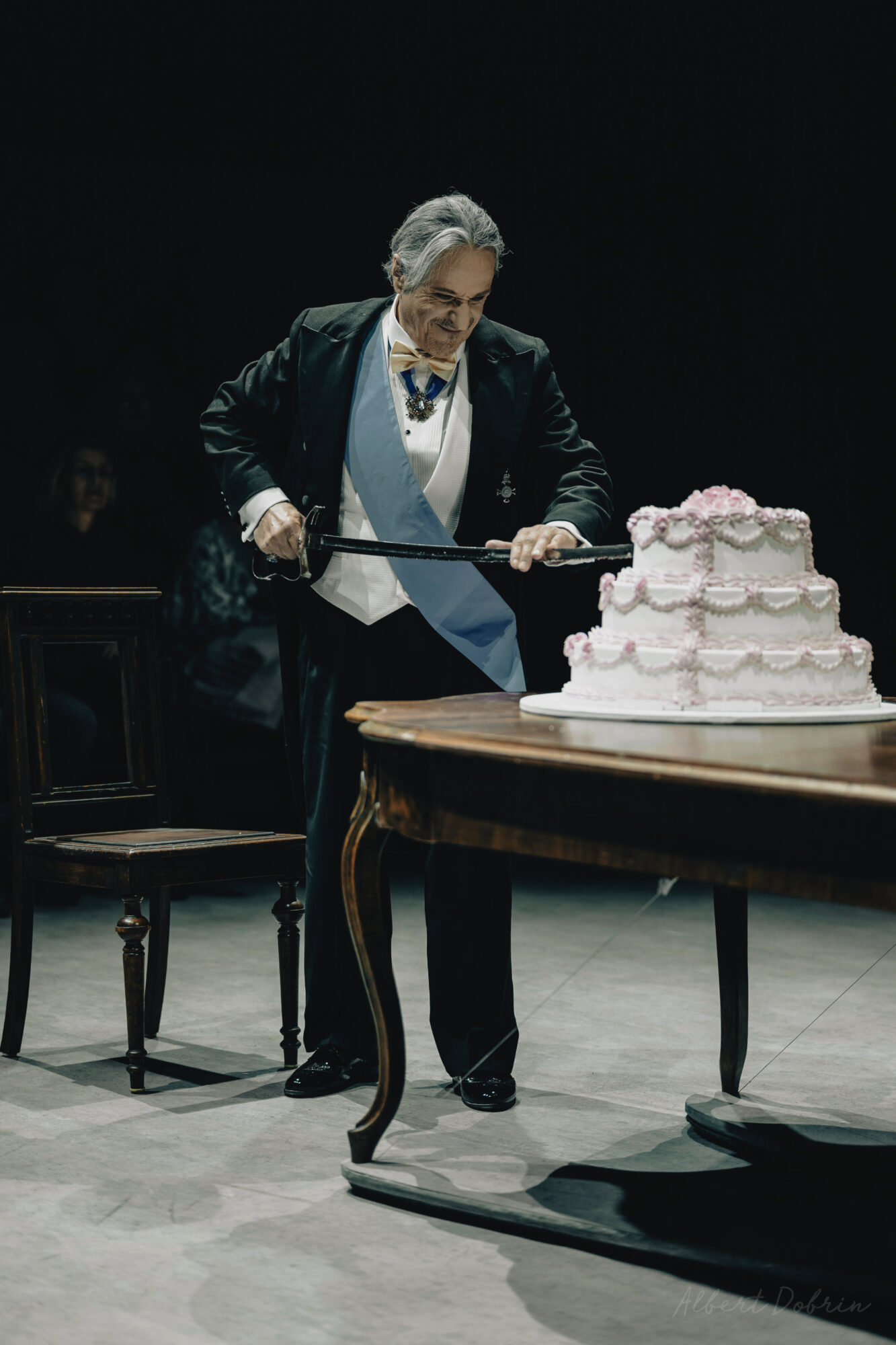
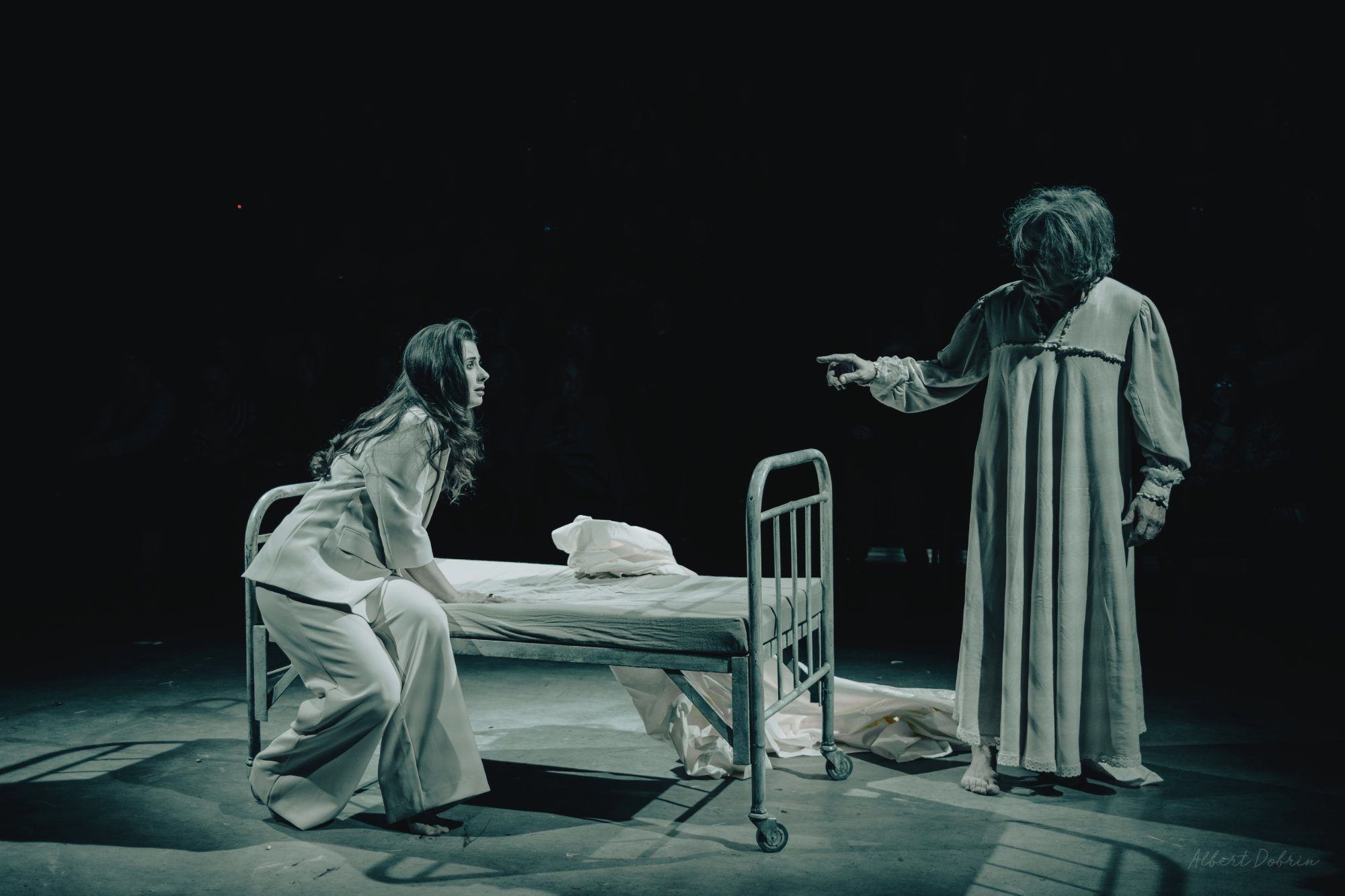
Written around 1604, the tragedy King Lear is considered one of the most profound reflections on the human condition and family bonds. A profound analysis of madness, betrayal, and the consequences of abdication, this tragedy highlights Lear's transition from tyrant to powerless man.
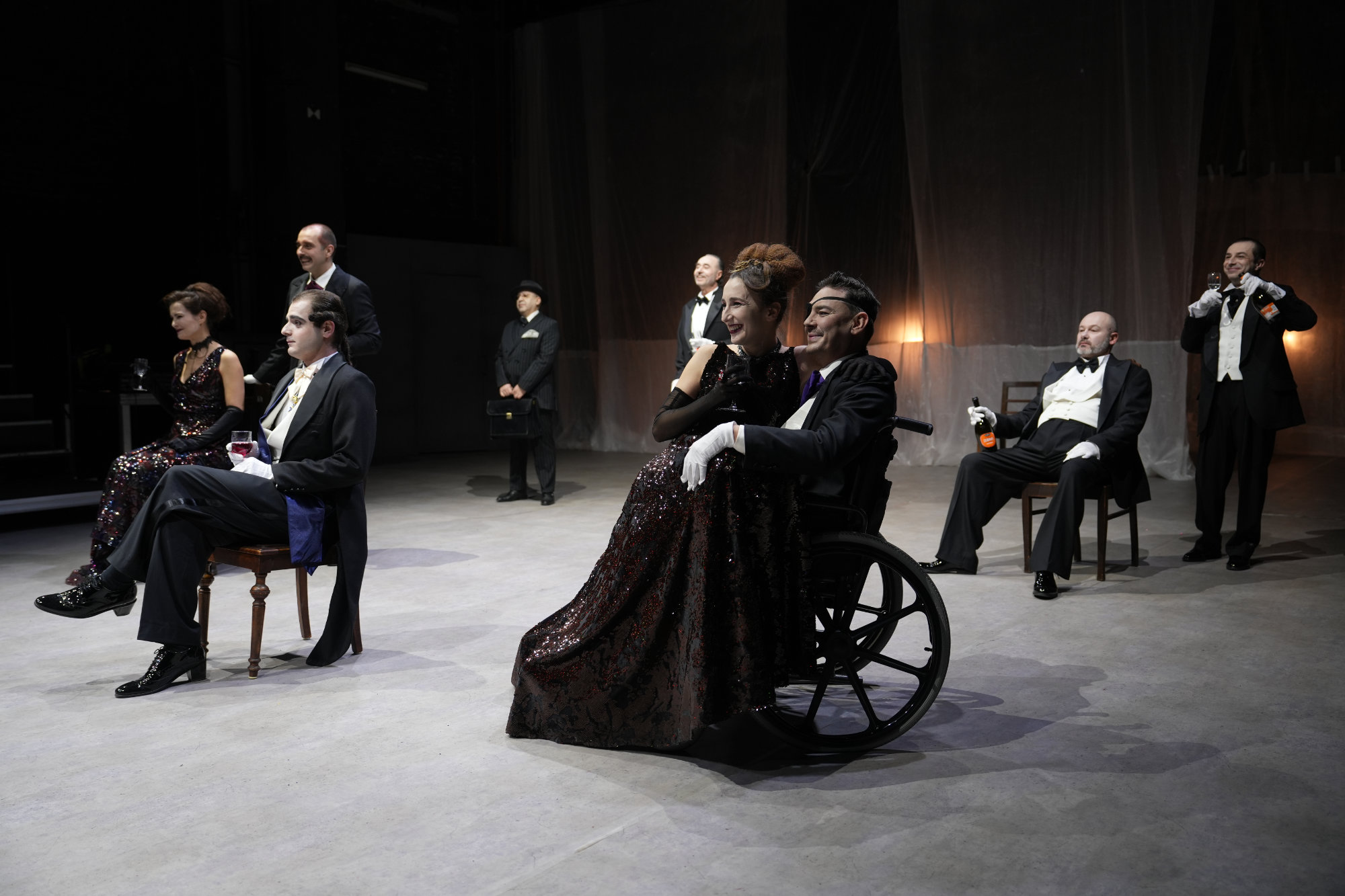
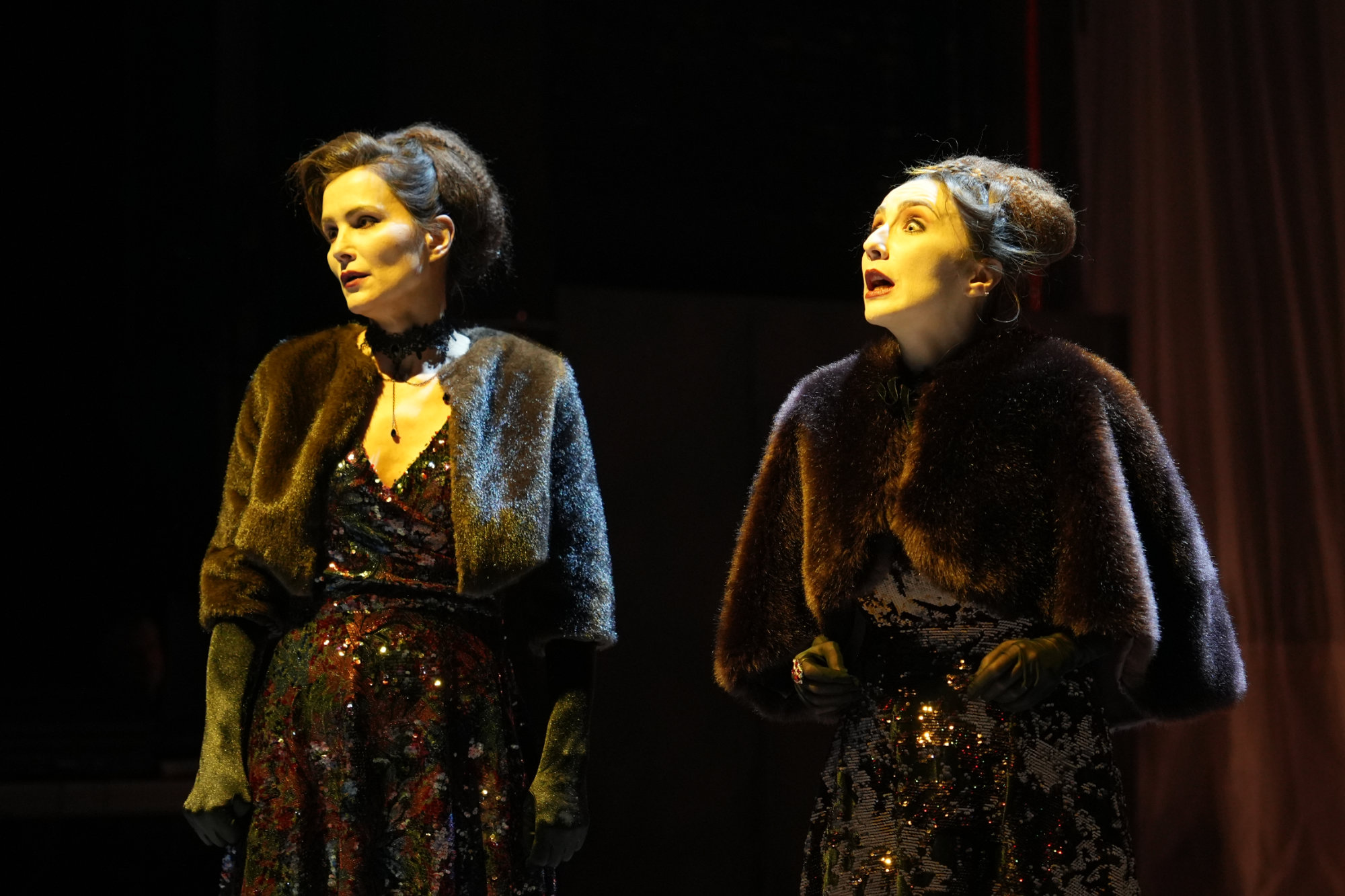
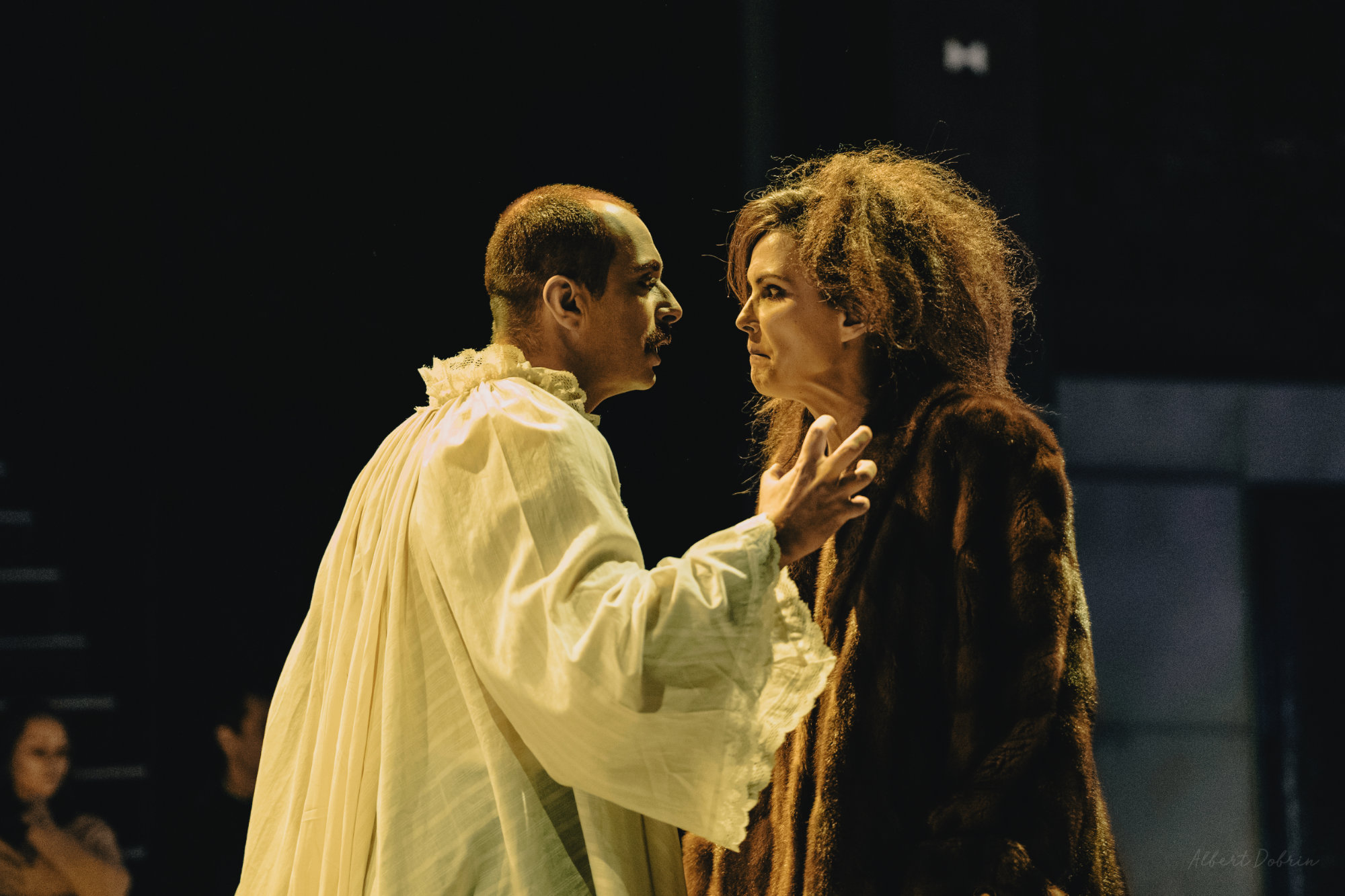
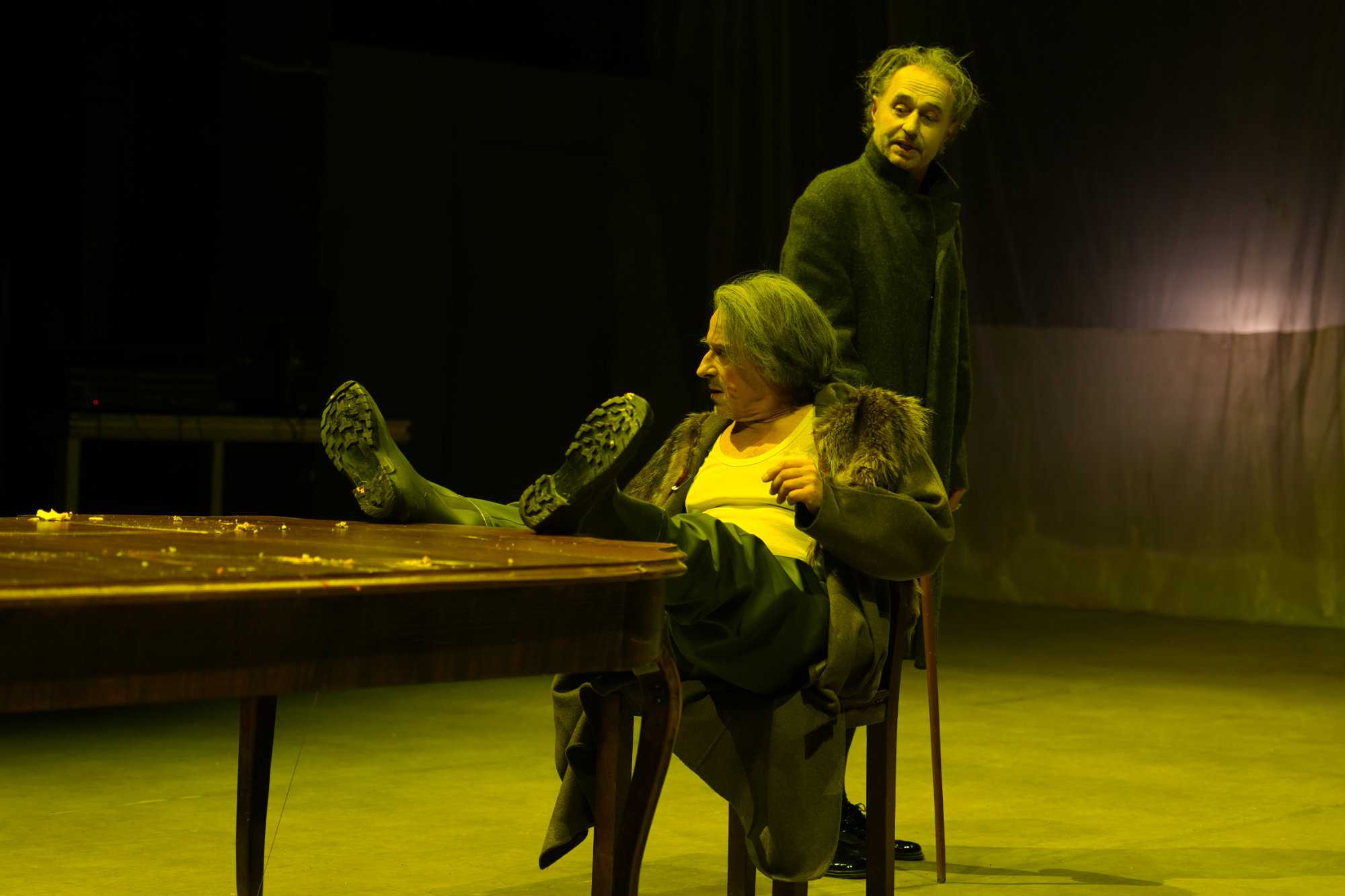
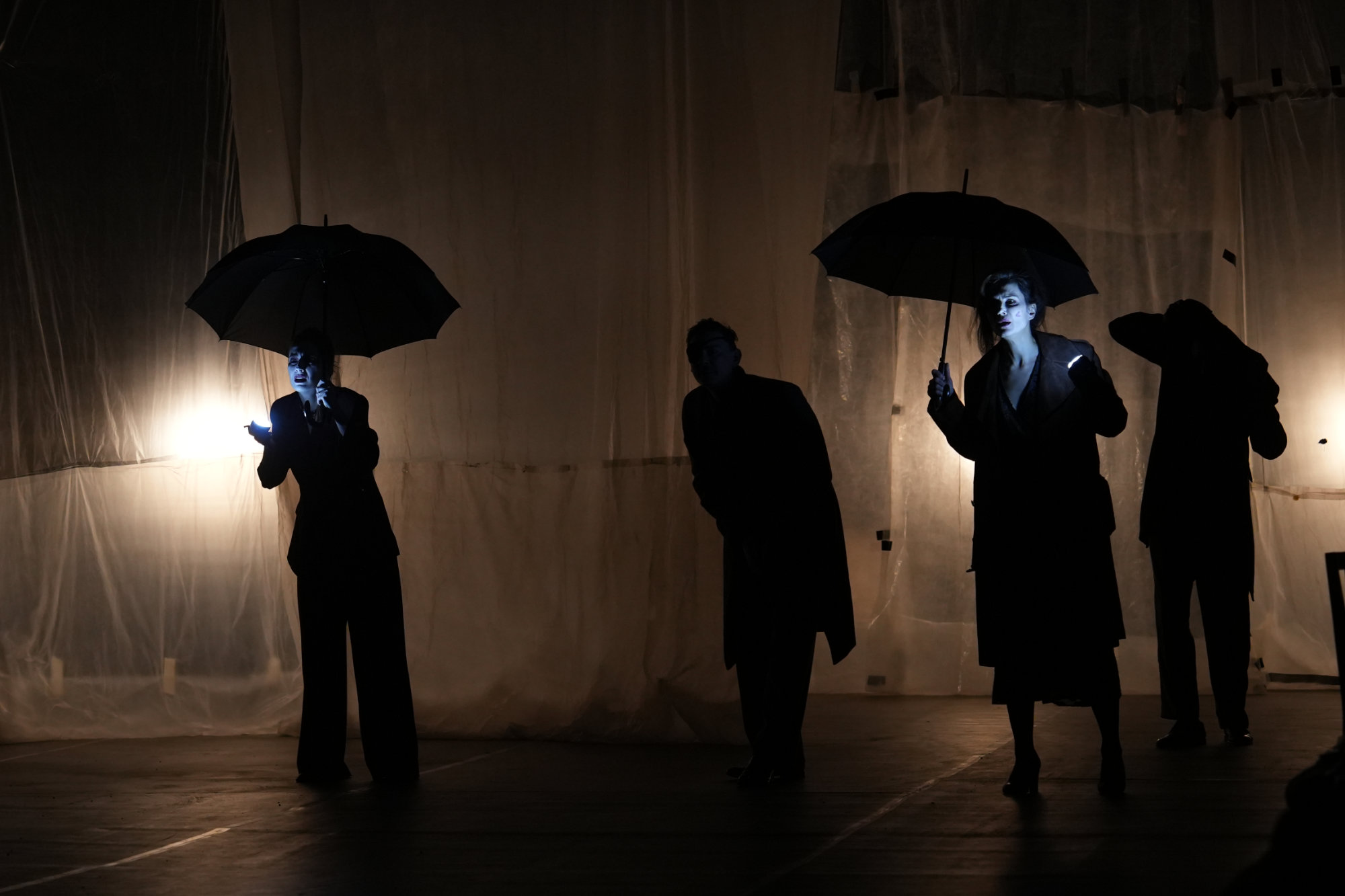
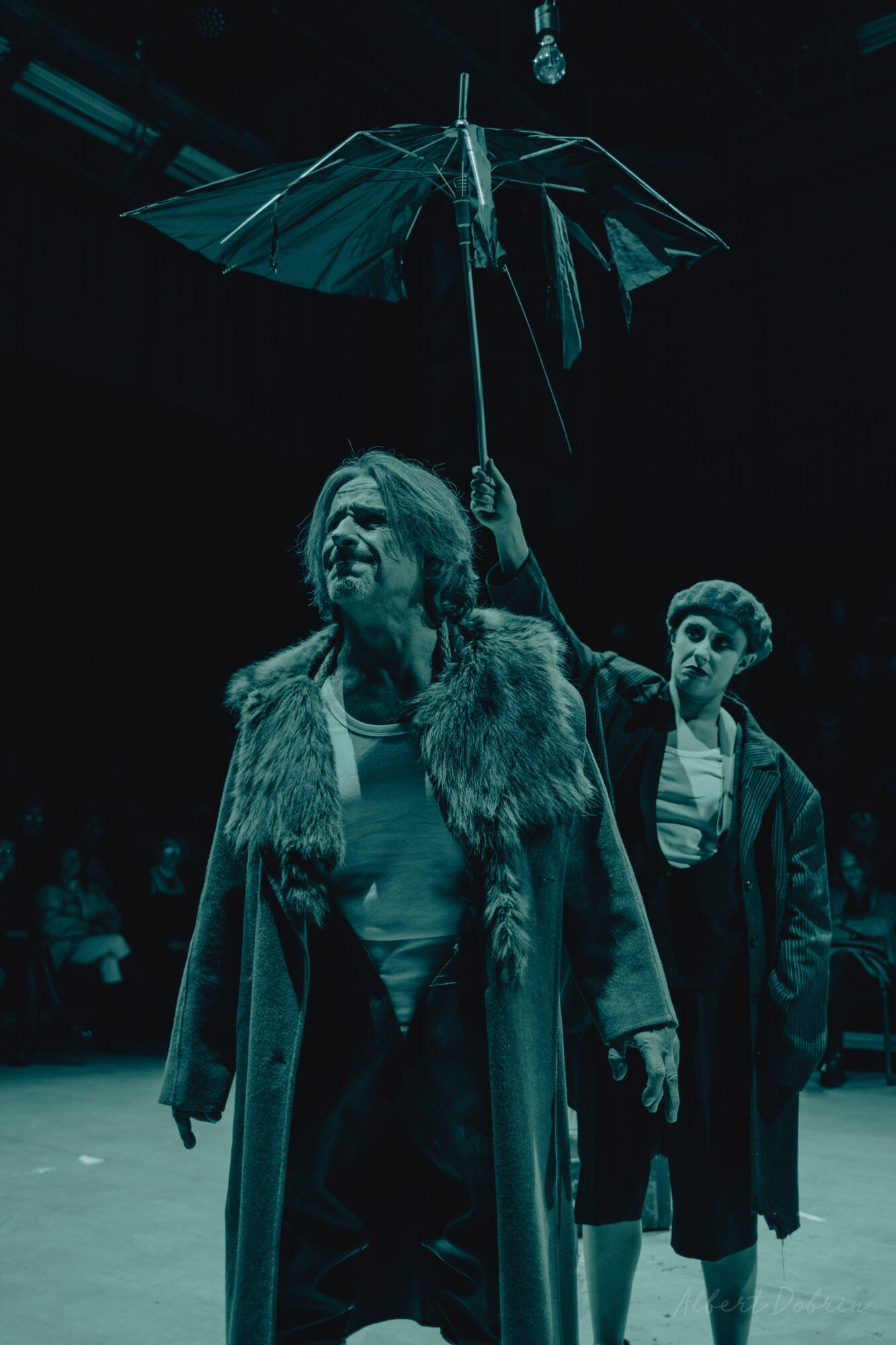
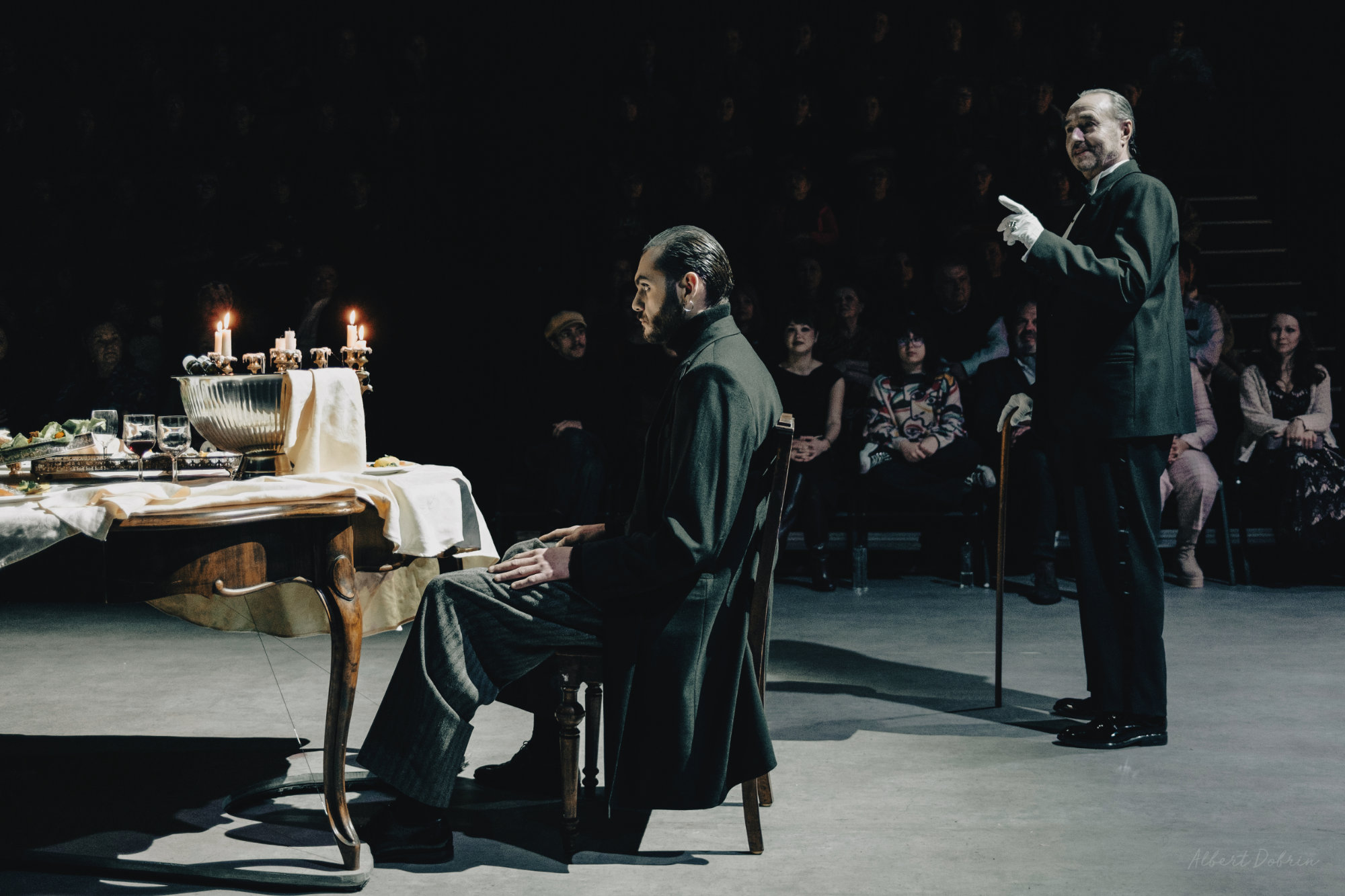
King Lear follows the decline of the British monarch who decides to divide his kingdom between his three daughters (Goneril, Regan, Cordelia) and proposes a test of love to them. The eldest daughters, Goneril and Regan, flatter him with grandiose declarations, while the youngest, Cordelia, the most sincere, refuses to join in the game of flattery. Her simple answer angers Lear who disinherits her and banishes her from the kingdom. Goneril and Regan, once they have seized power, no longer have any respect for their father, reduce his personal guard, despise him and banish him. Humiliated and rejected, Lear loses his mind and wanders through the storm, accompanied only by the Jester and the Earl of Kent.
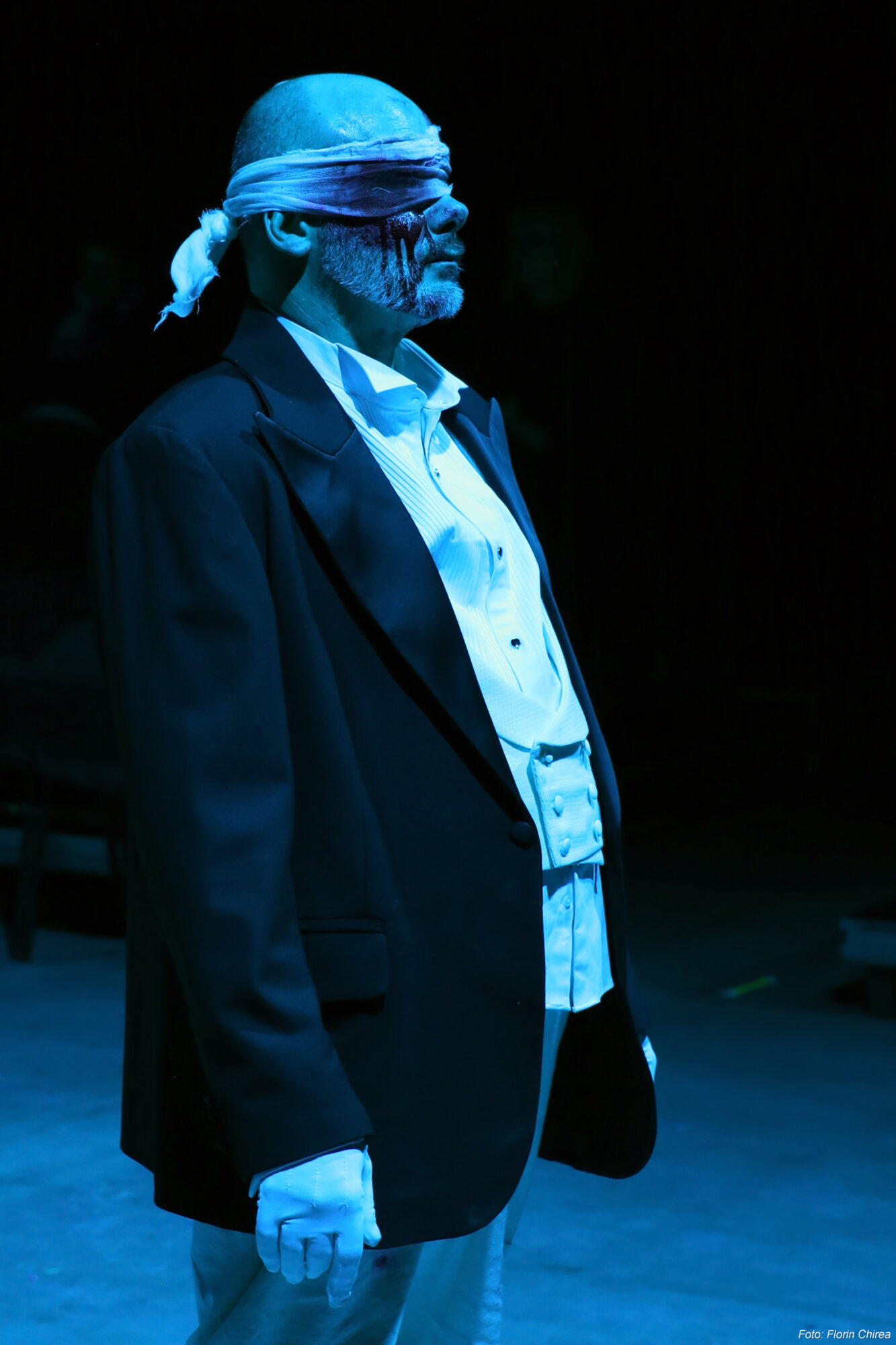
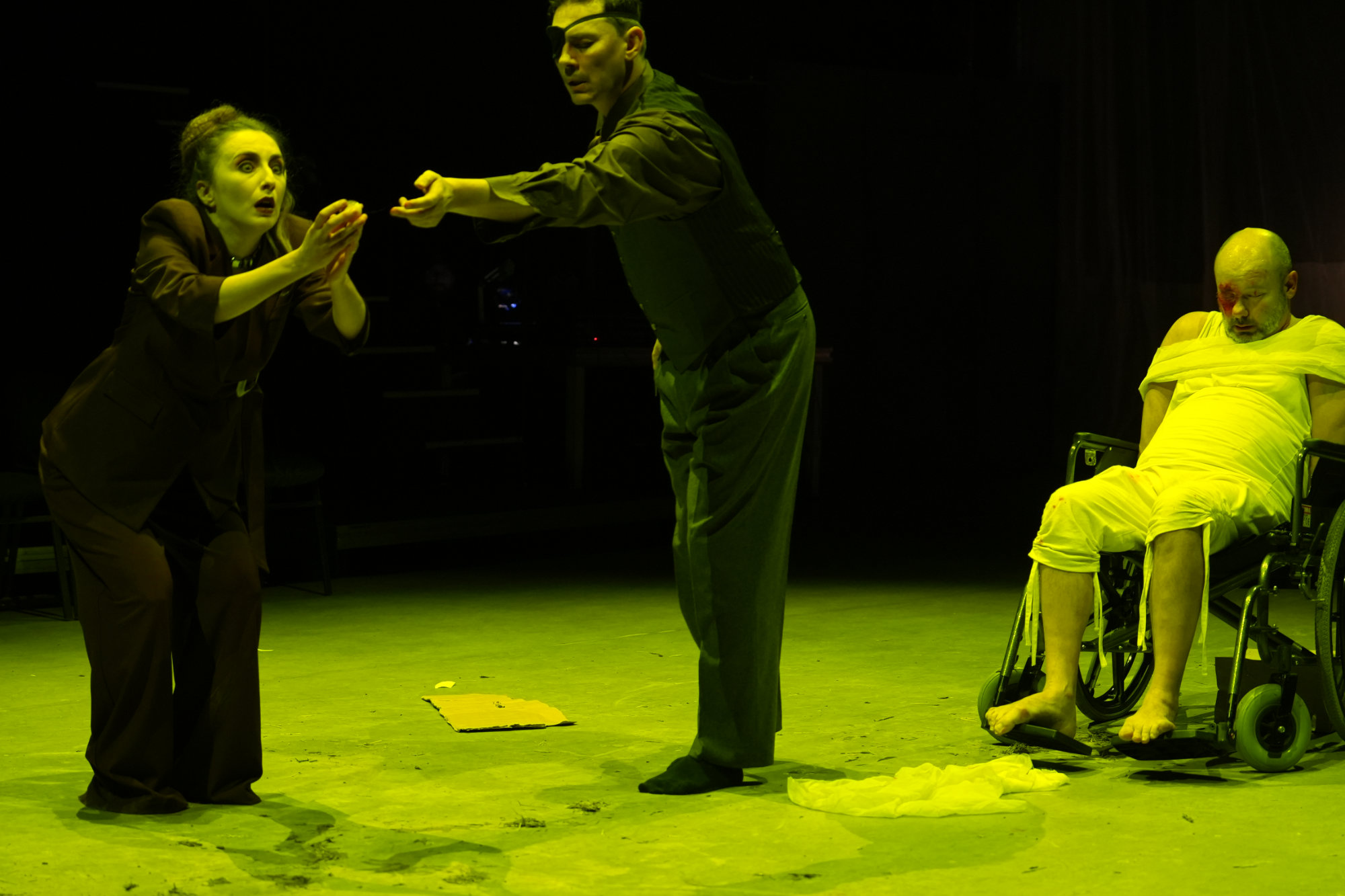
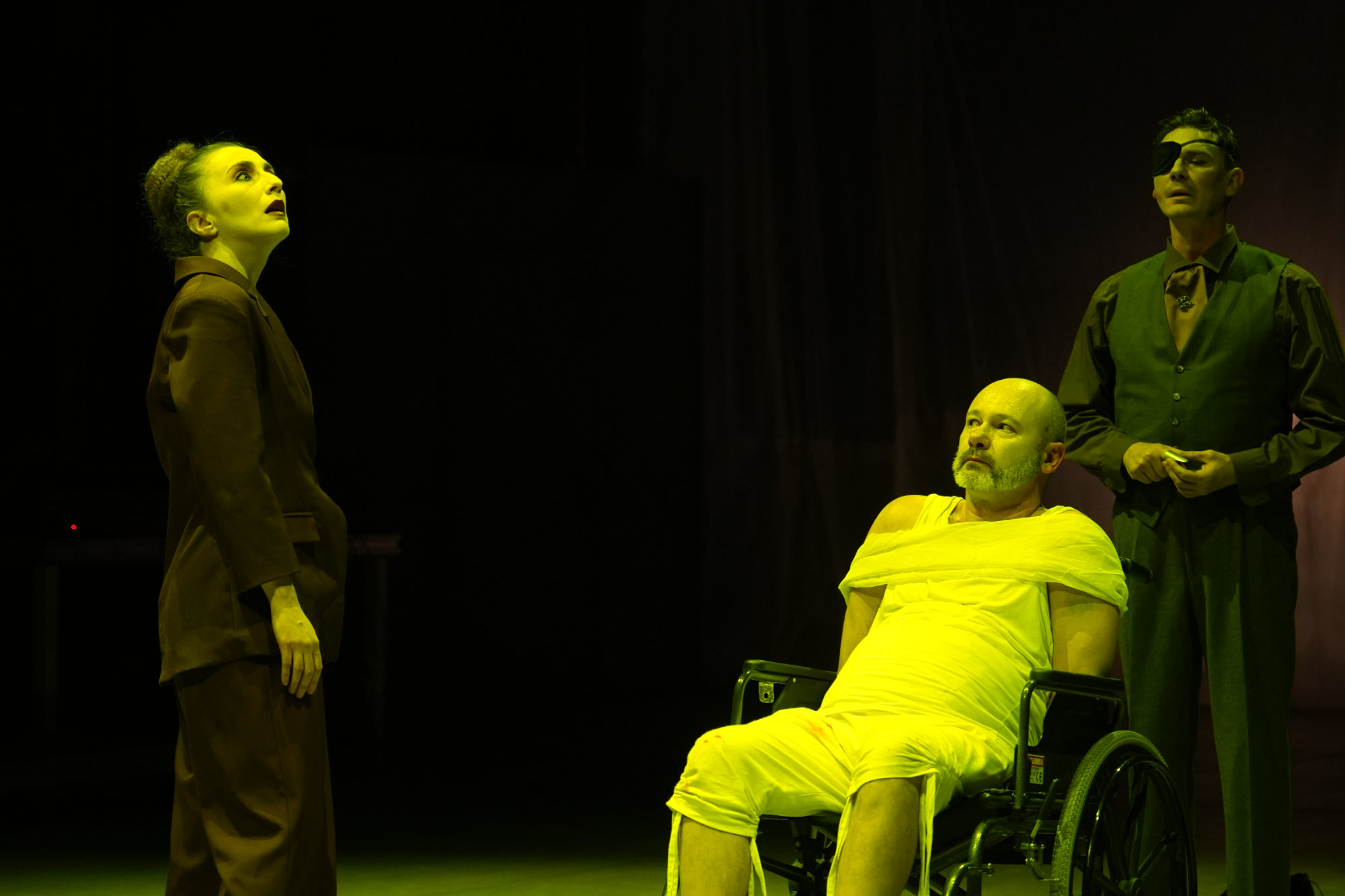
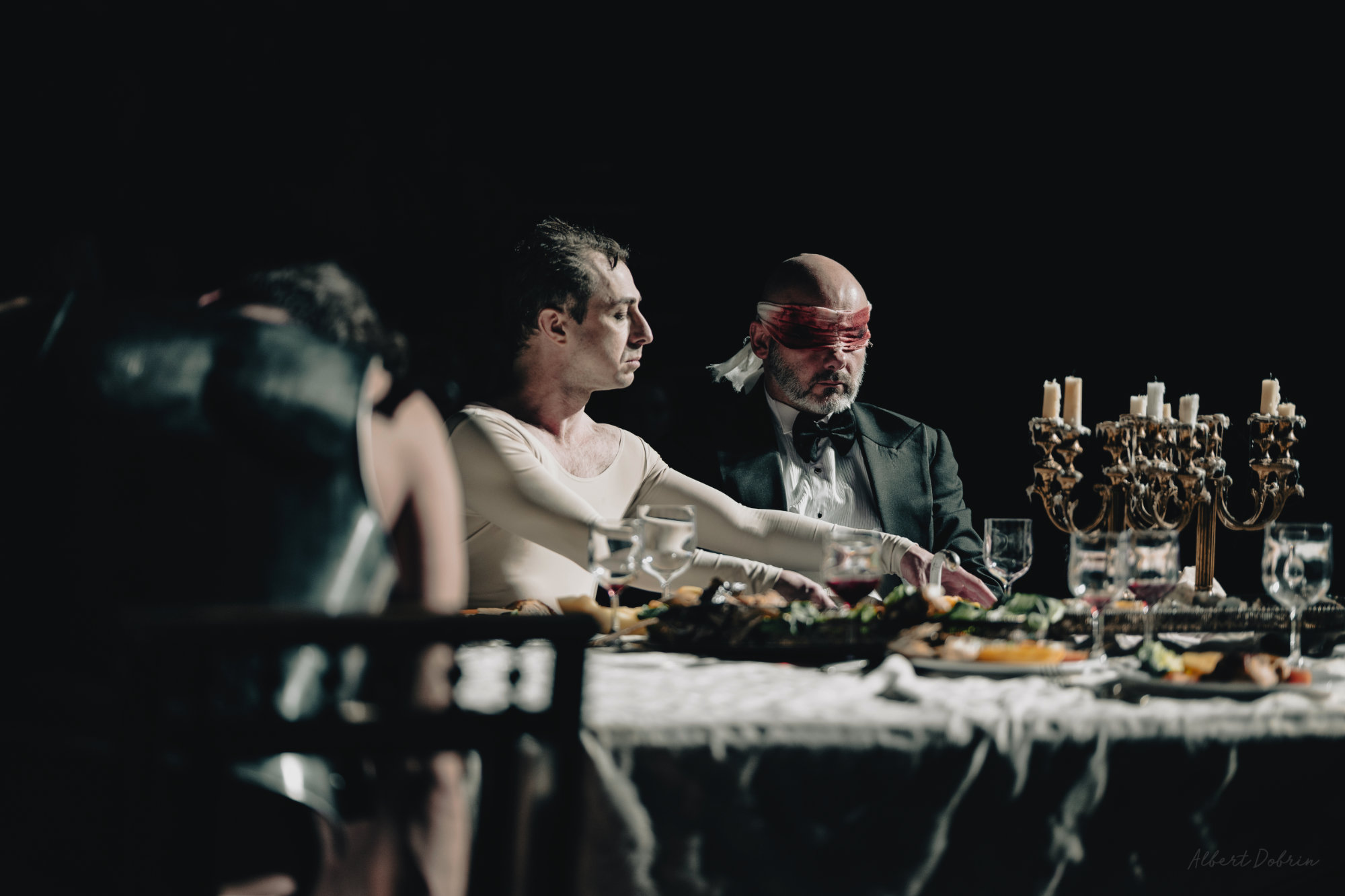
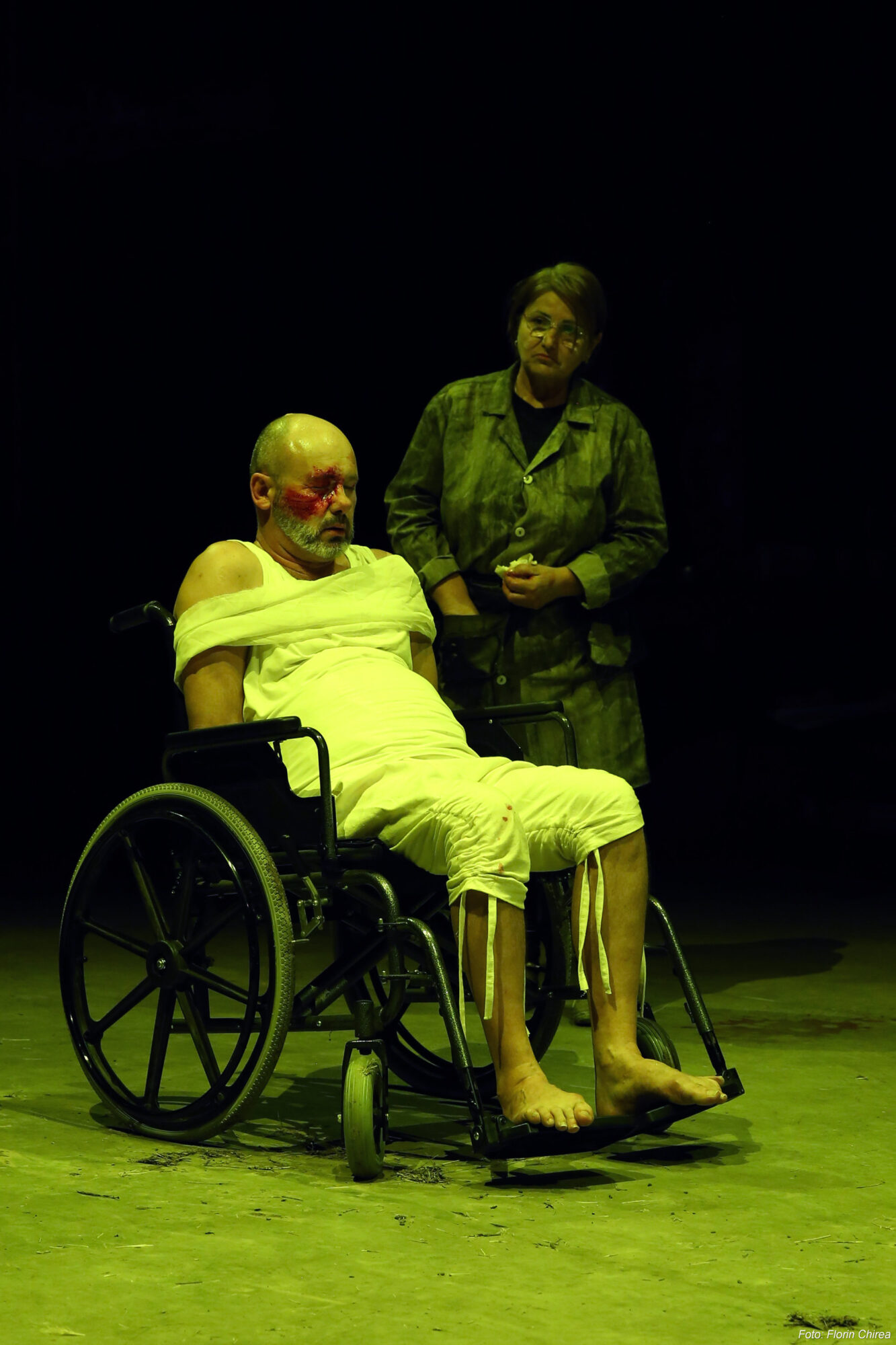
In parallel, there is a secondary conflict: the Earl of Gloucester is betrayed by his illegitimate son, Edmund, who, driven by ambition, deceives his father with a forged letter, making him believe that his legitimate son, Edgar, is plotting to kill him. Regan and her husband, the Duke of Cornwall, blind the Earl of Gloucester.
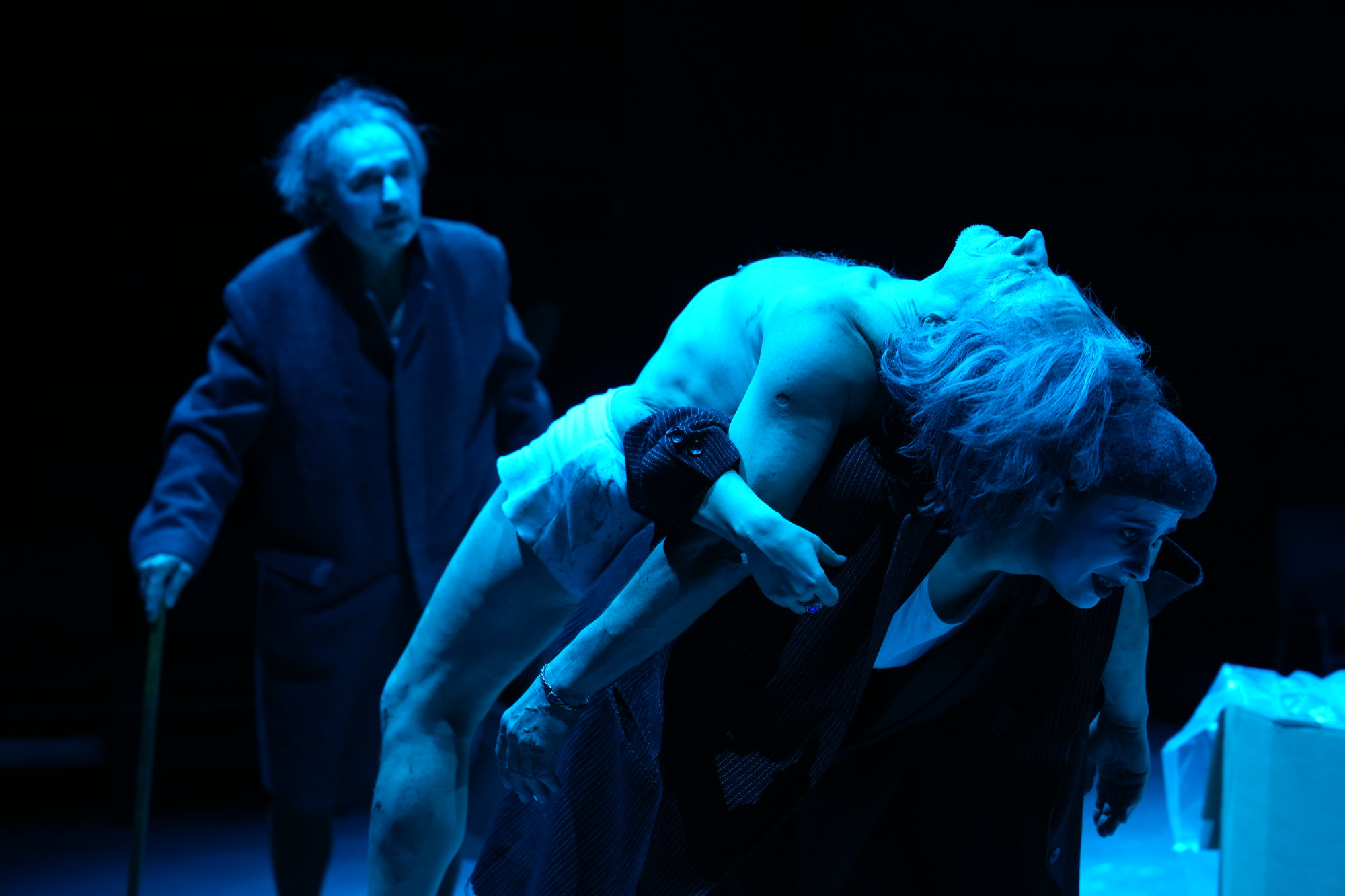
Cordelia returns from France with an army to rescue her father, but is defeated and executed in prison. Goneril poisons Regan out of jealousy for Edmund, then commits suicide. Lear dies of grief, holding Cordelia's lifeless body, who had been hanged in prison on Edmund's orders.
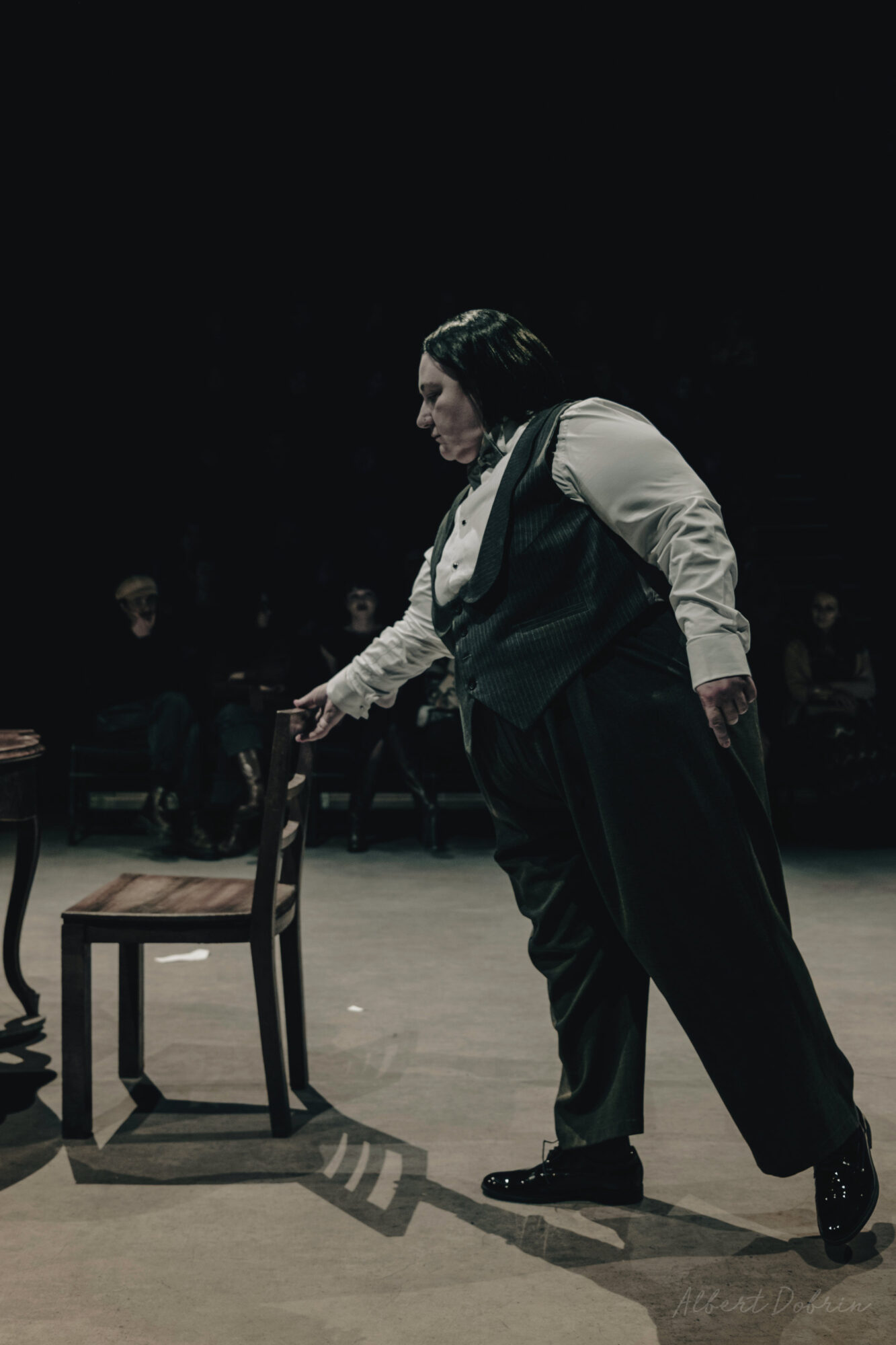
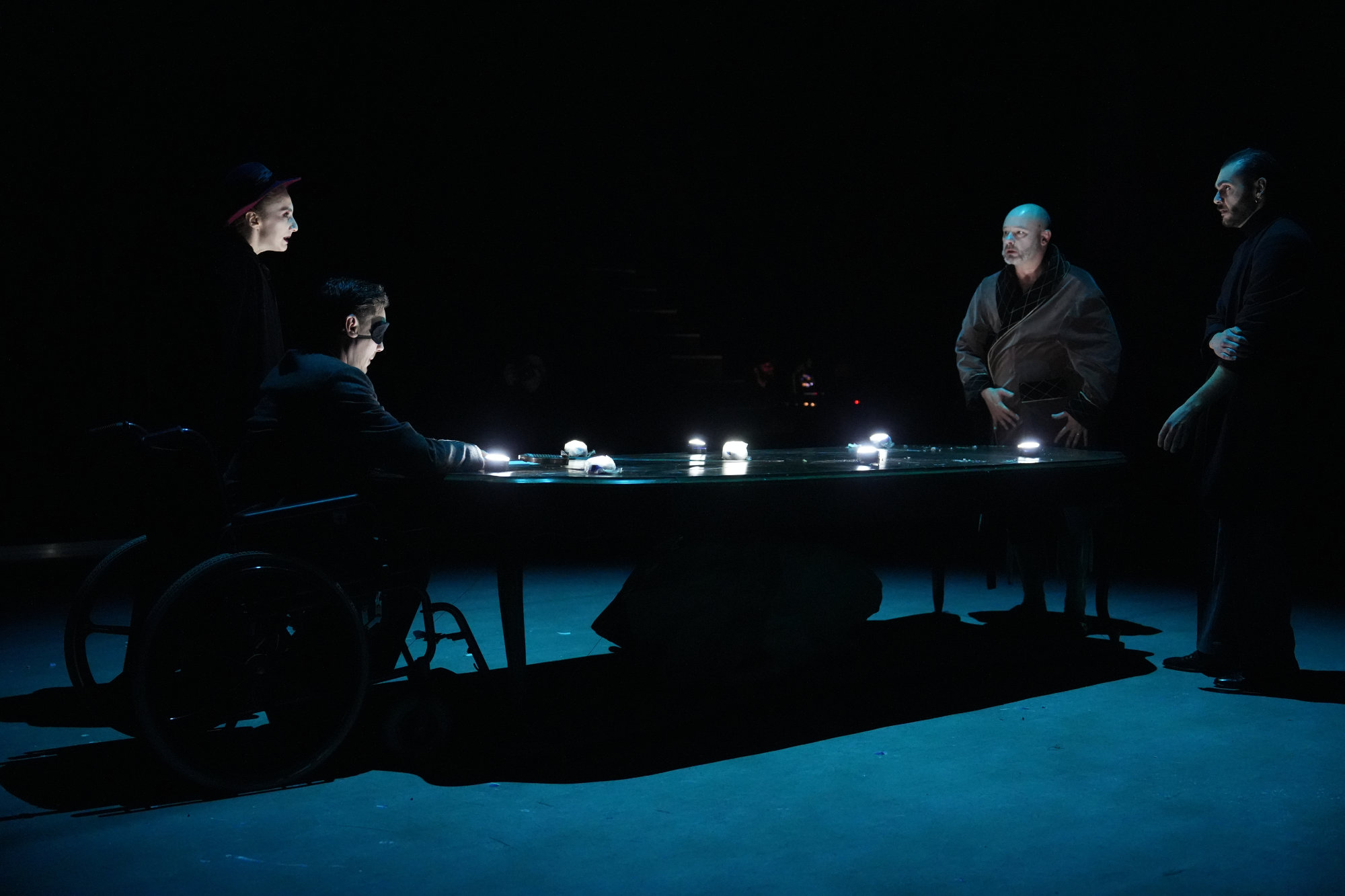
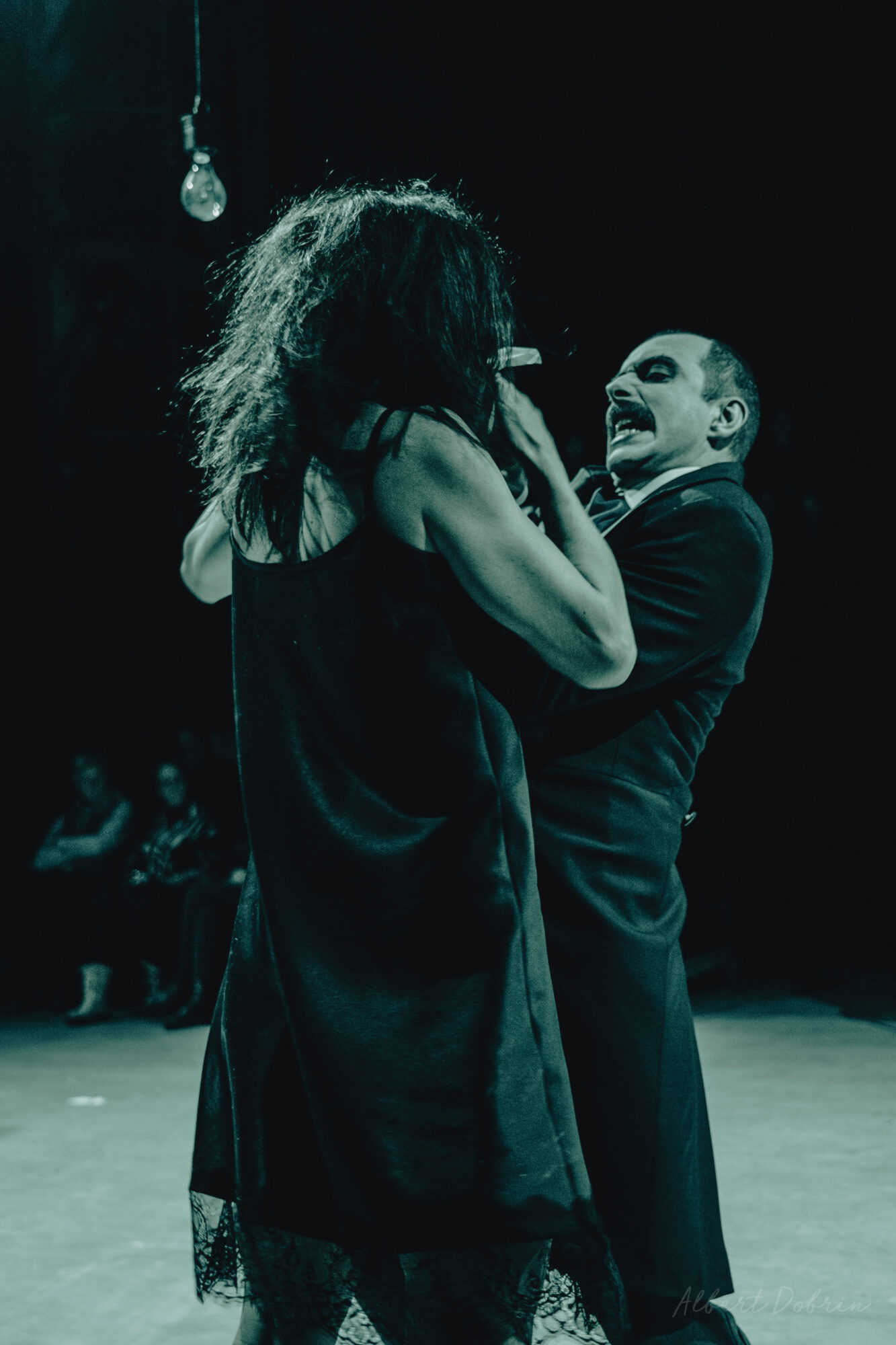
„Regele Lear is a dense, thick text, with strong themes. Silviu Purcărete's performance is harsh, unforgiving, oppressive, direct. Frustration. A cruel play. A performance like an anatomical study of the diabolical and defiant mind of man. A study of the types of power and paranoia, of madness and insanity, a cynical study, like the play, uncarnal, visceral and intense. (…)
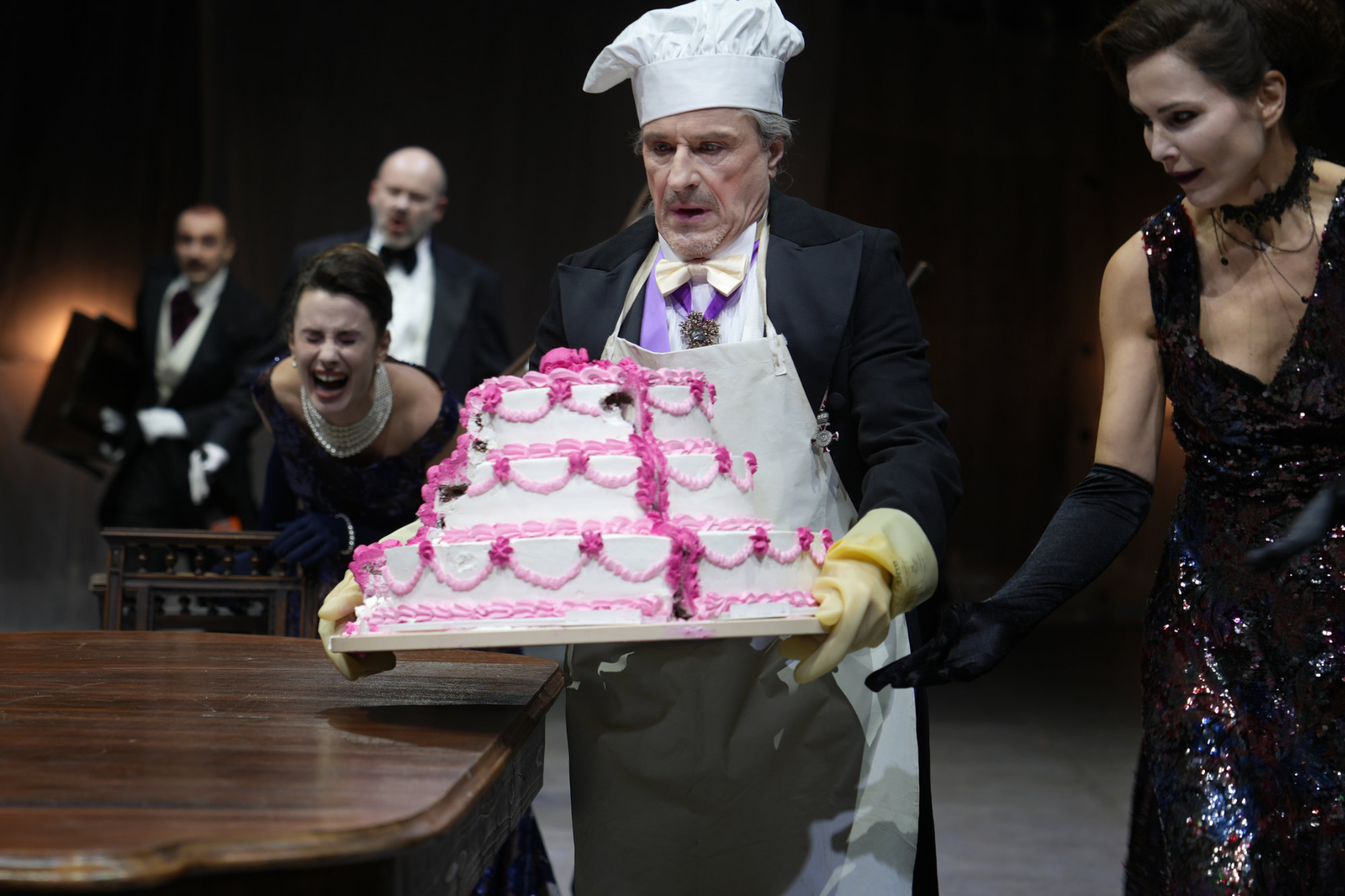
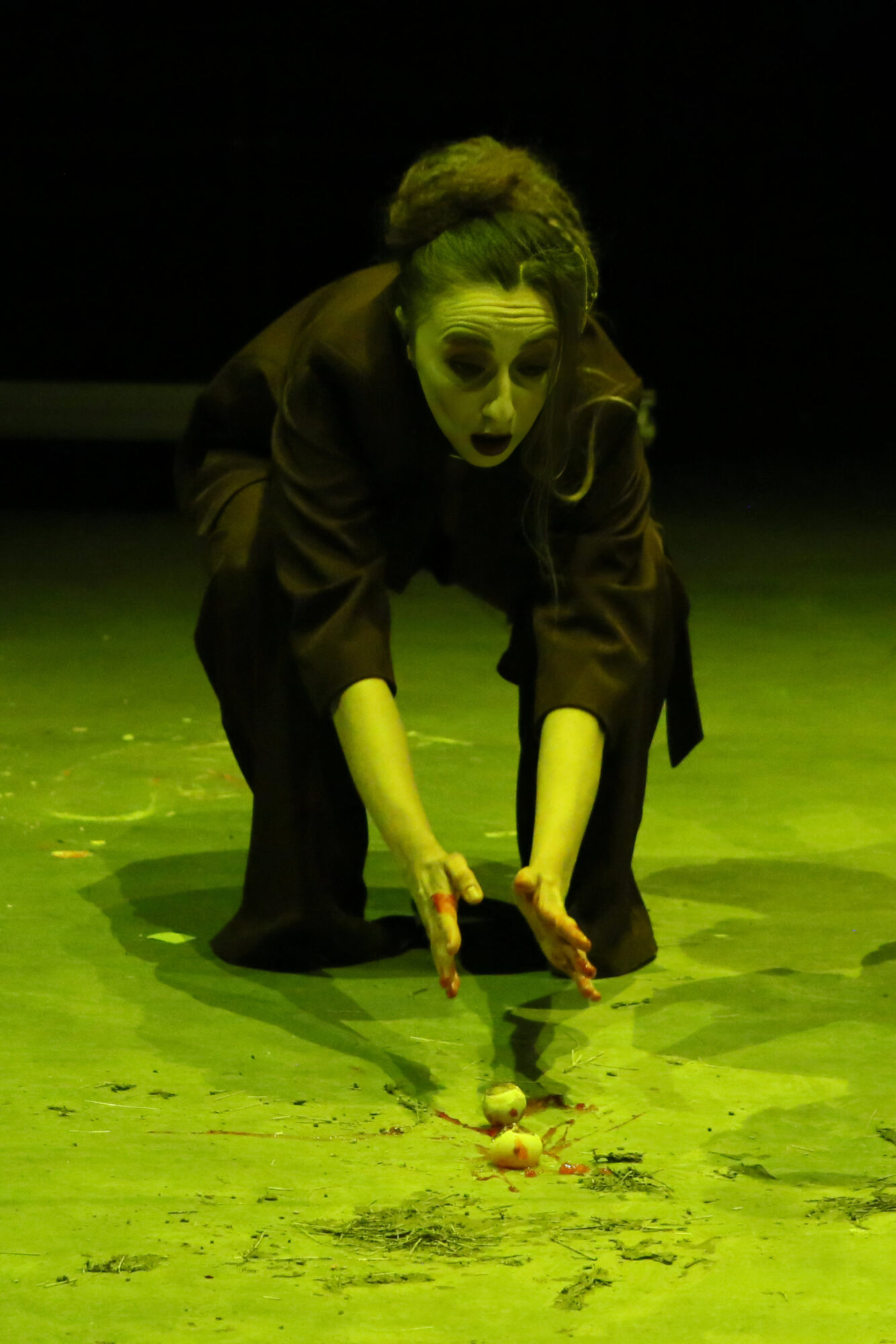
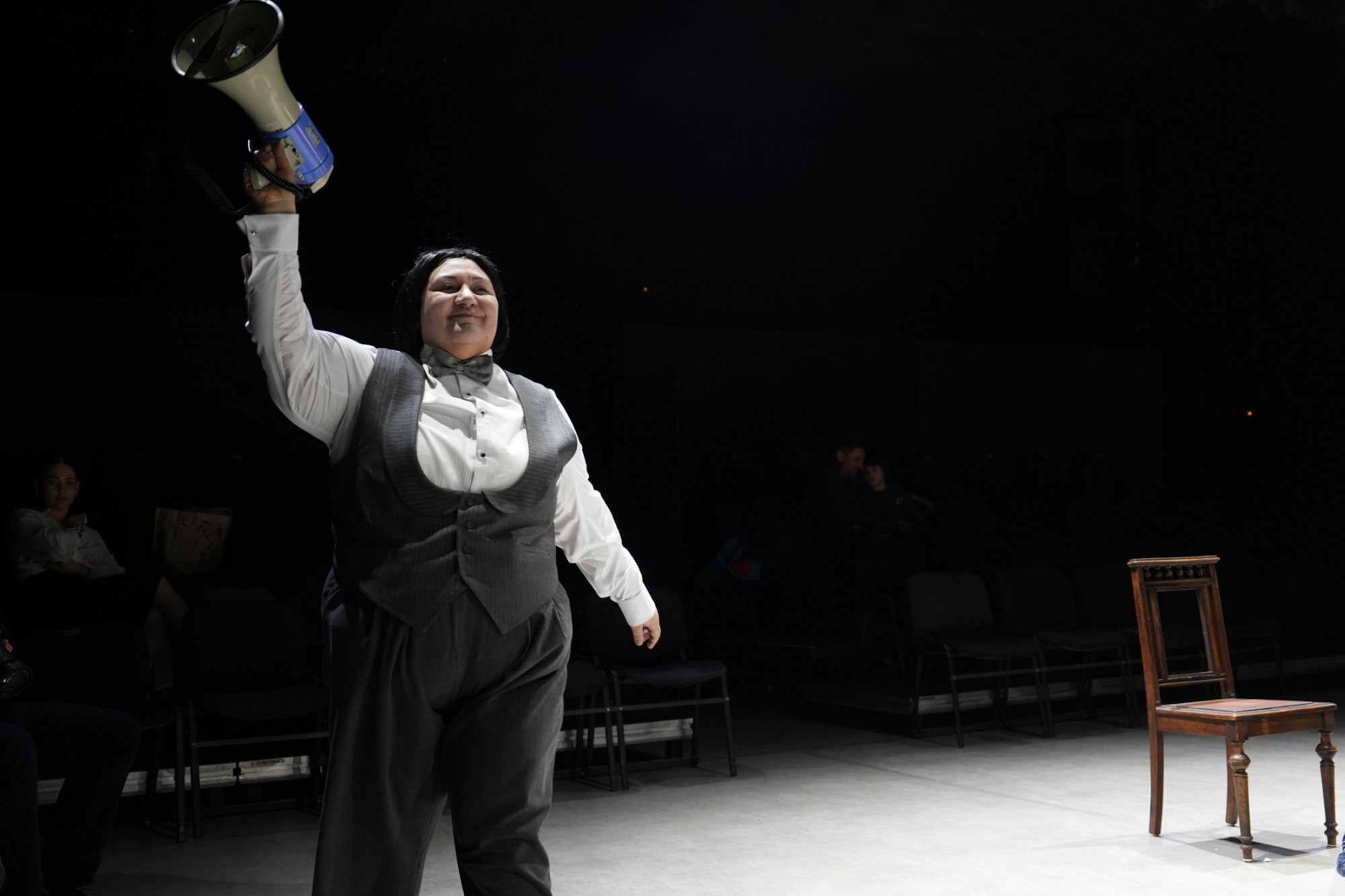
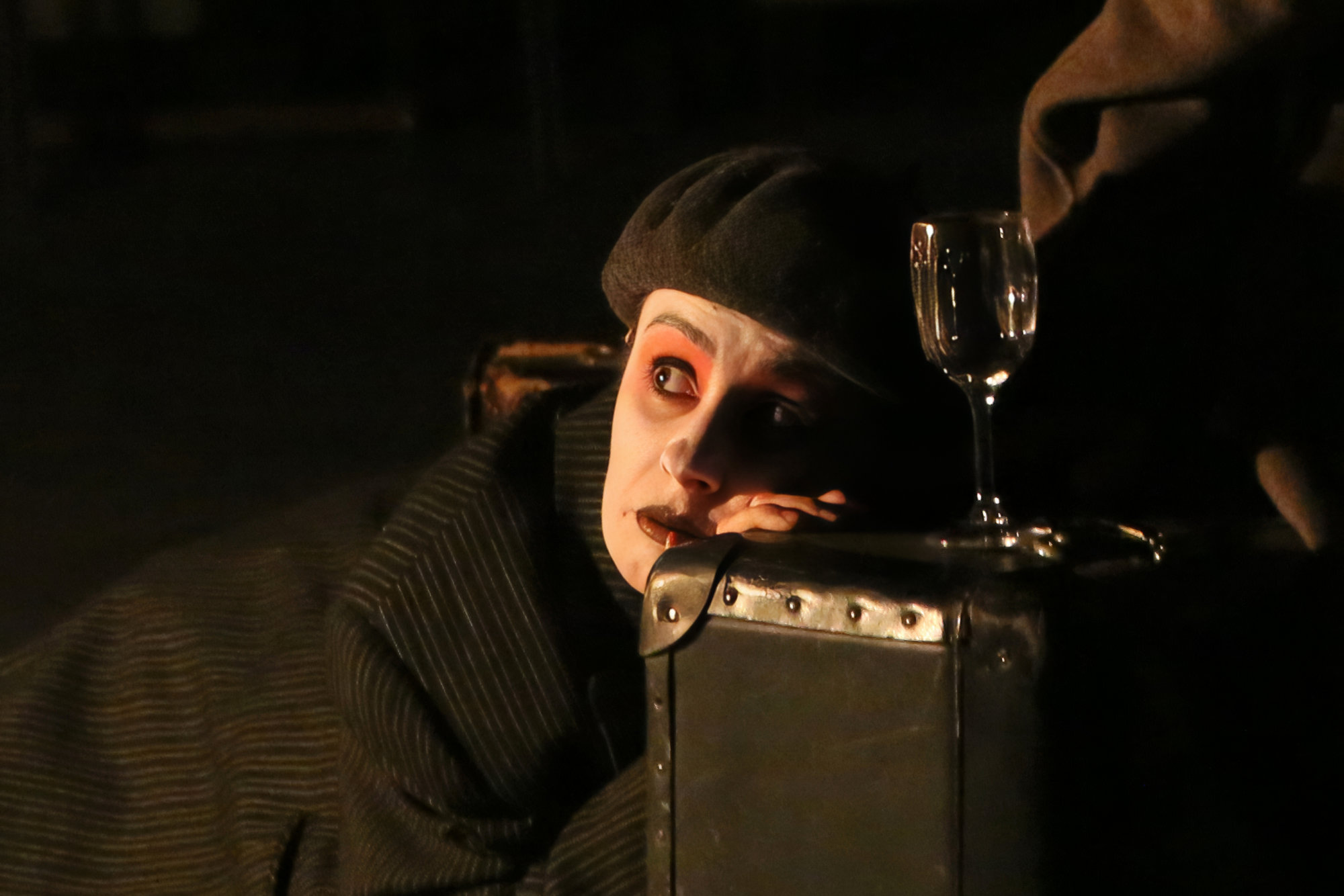
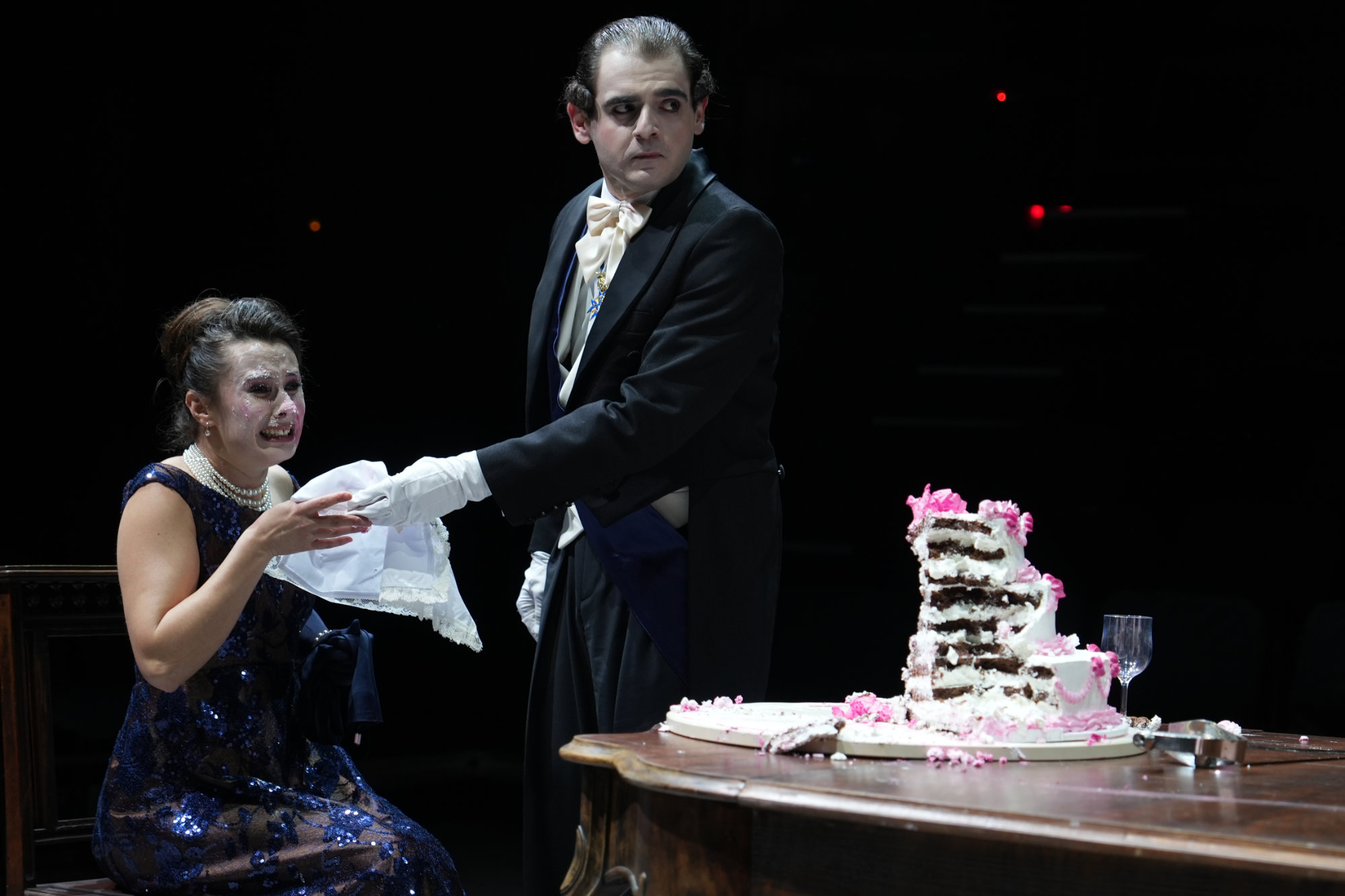
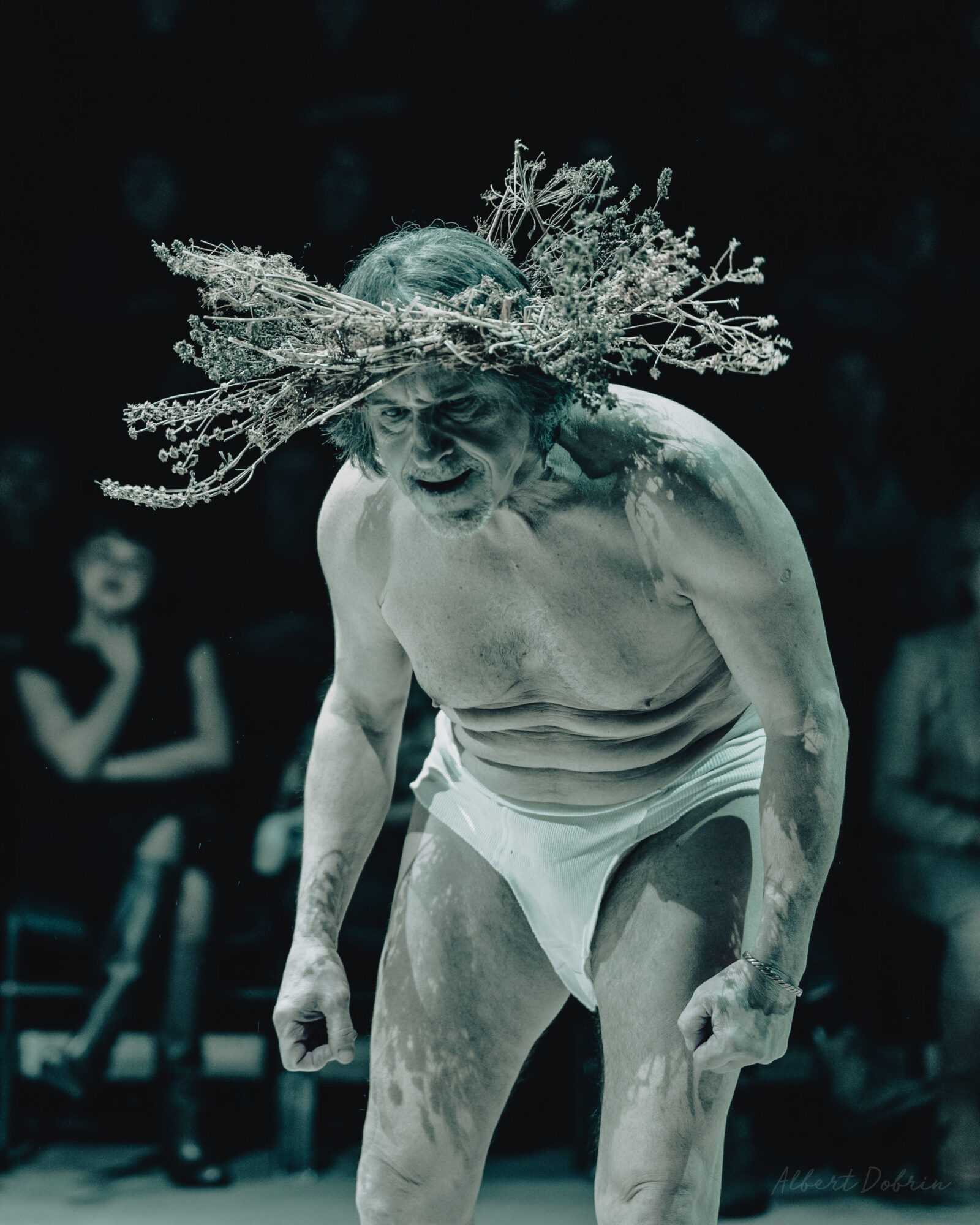
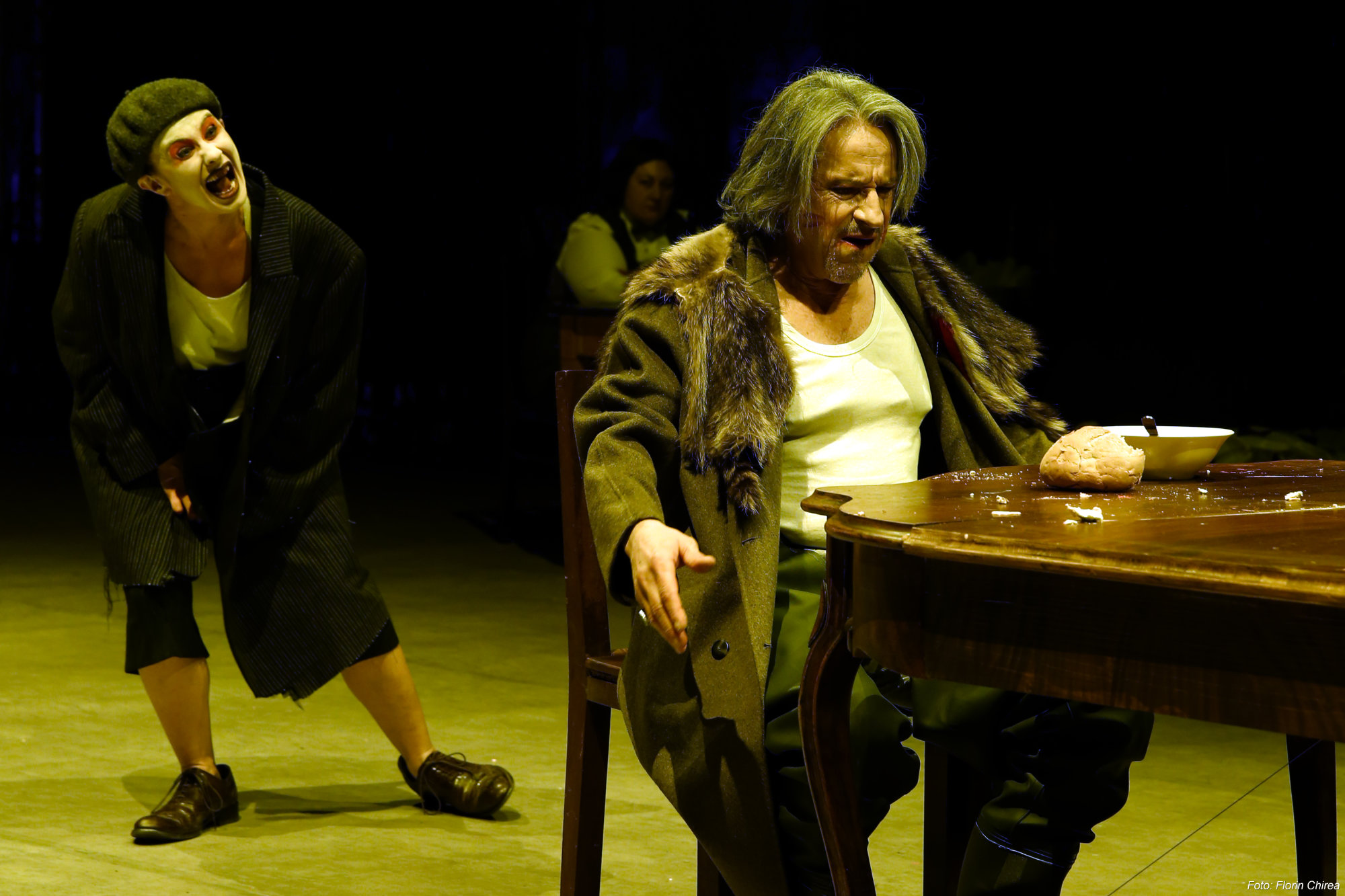
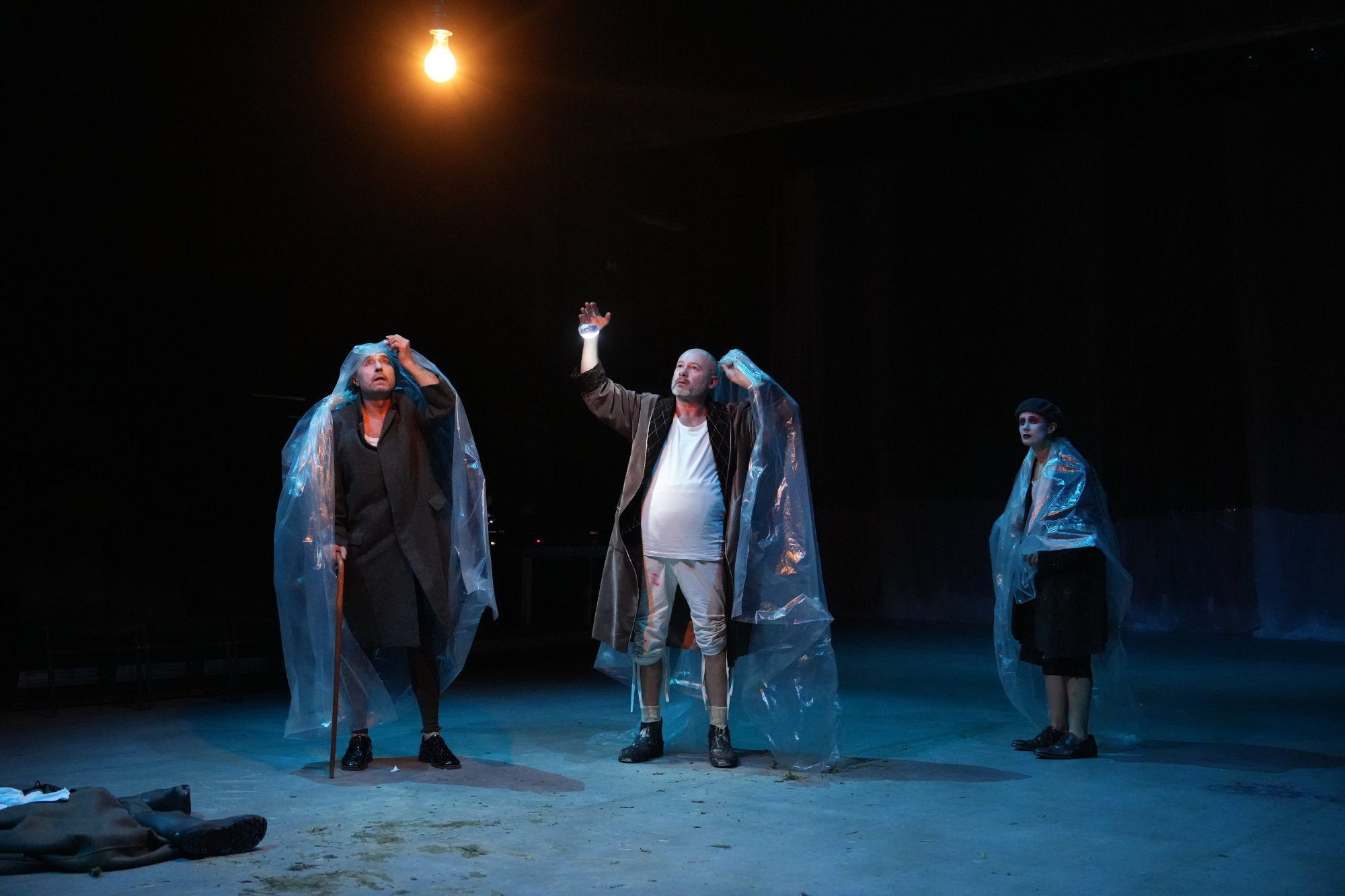
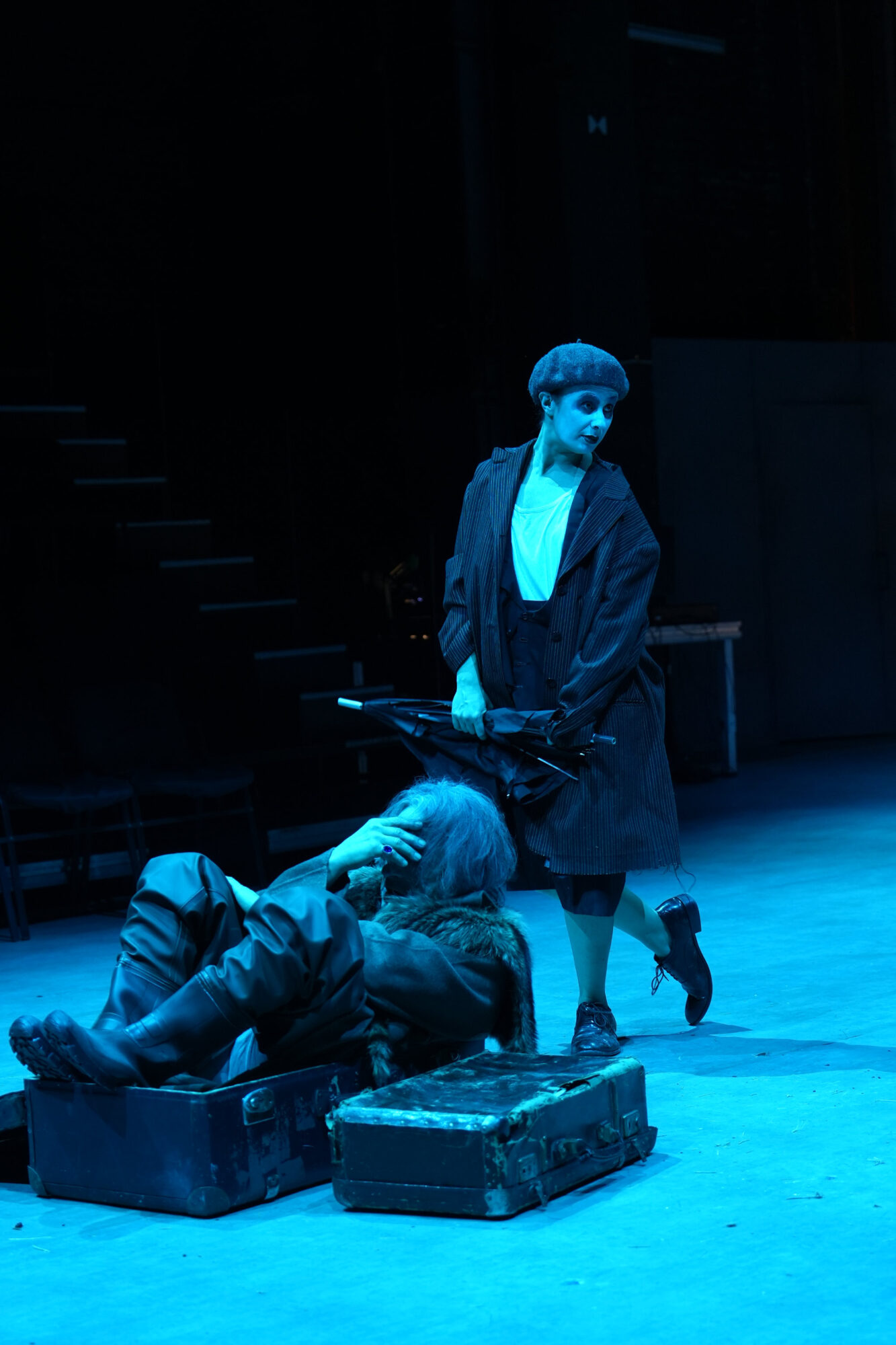
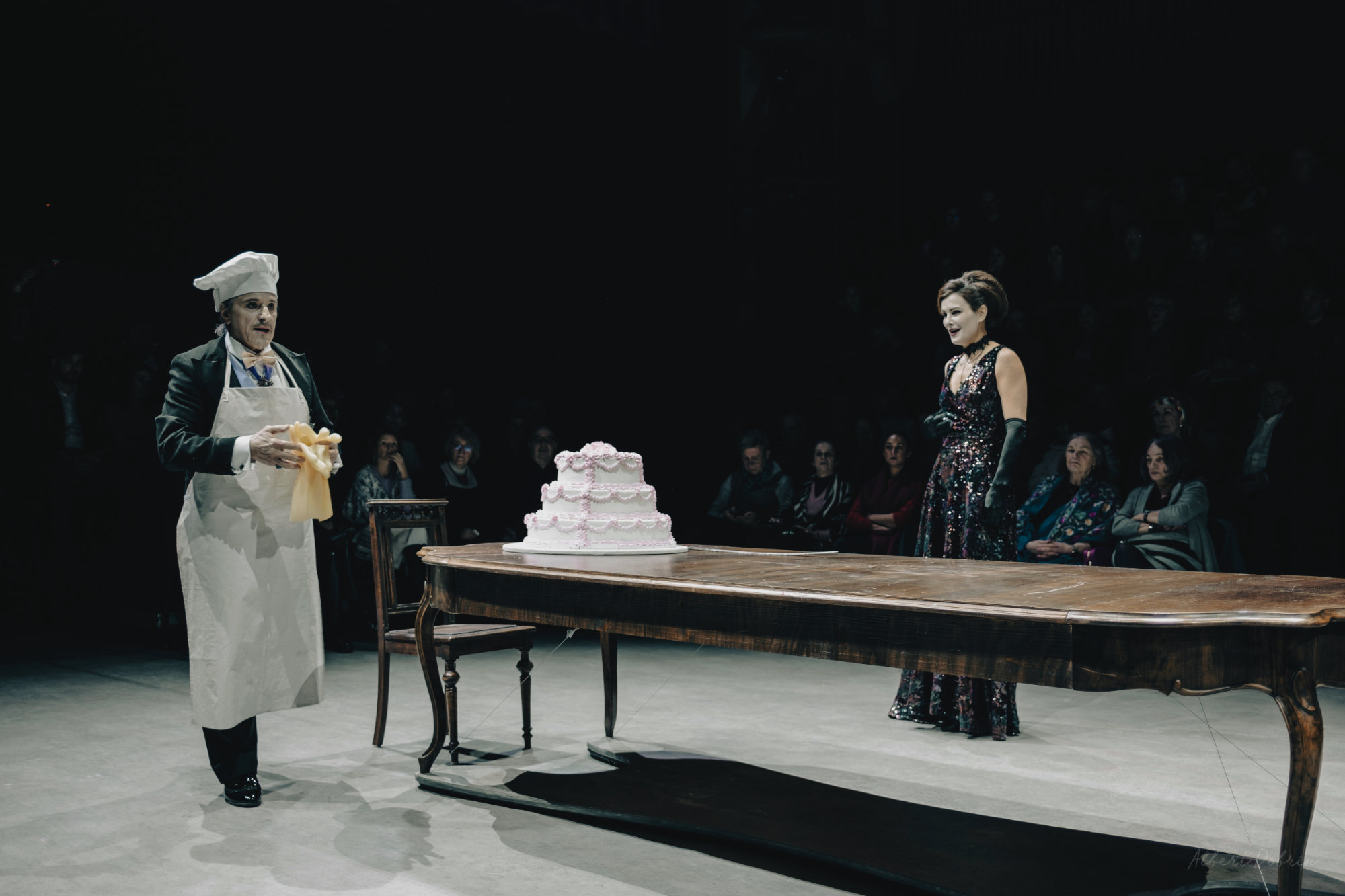
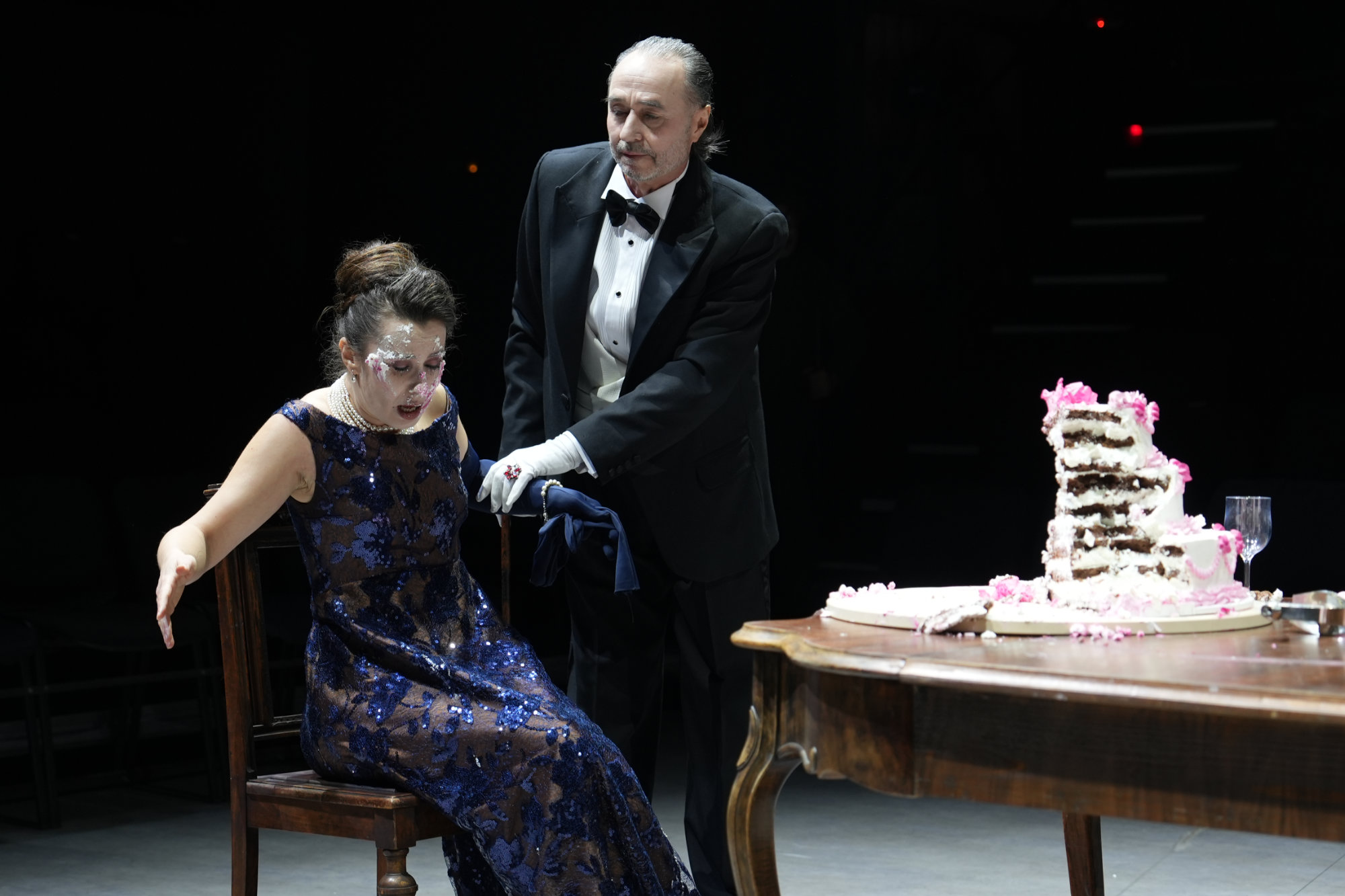
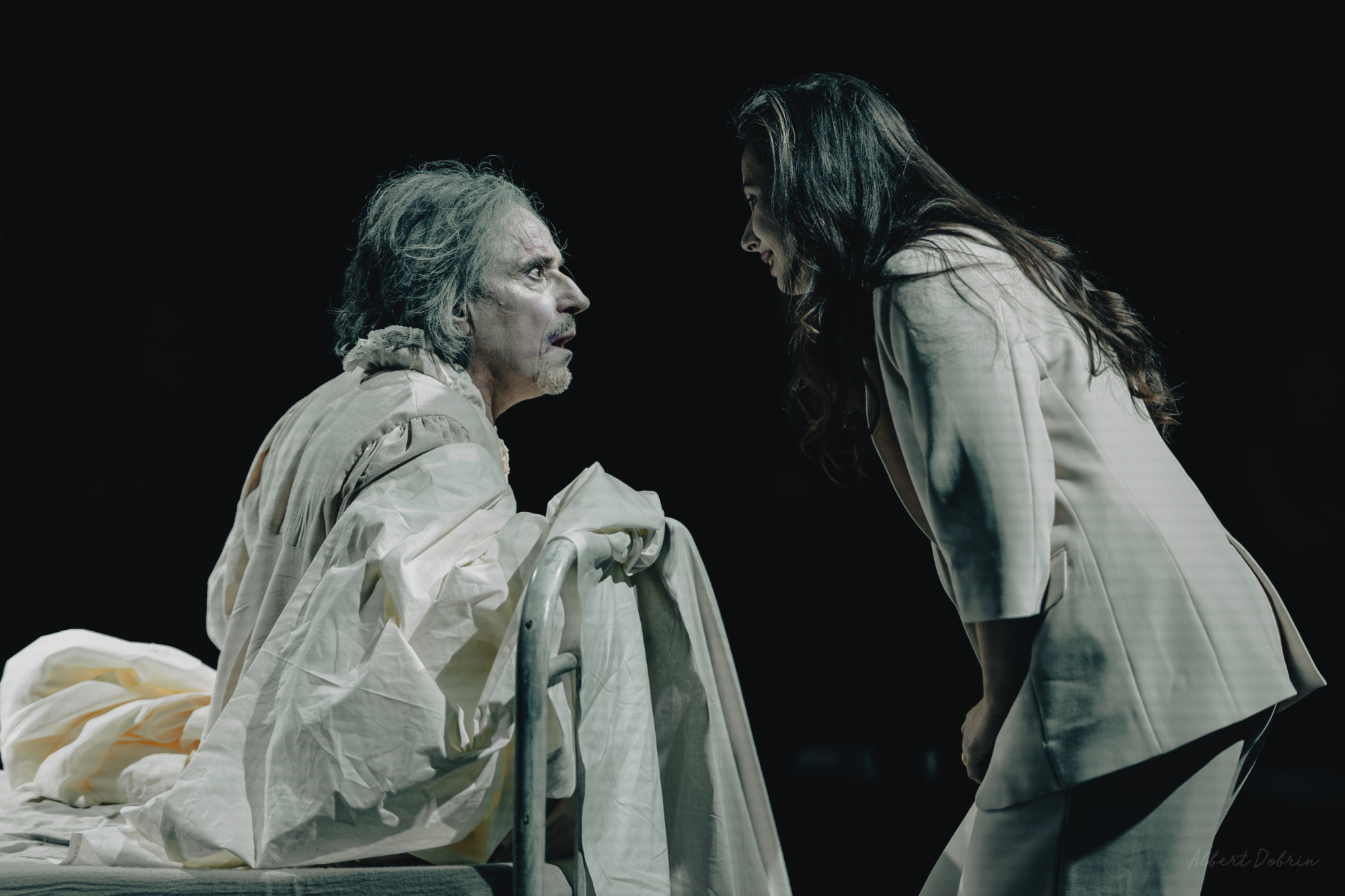
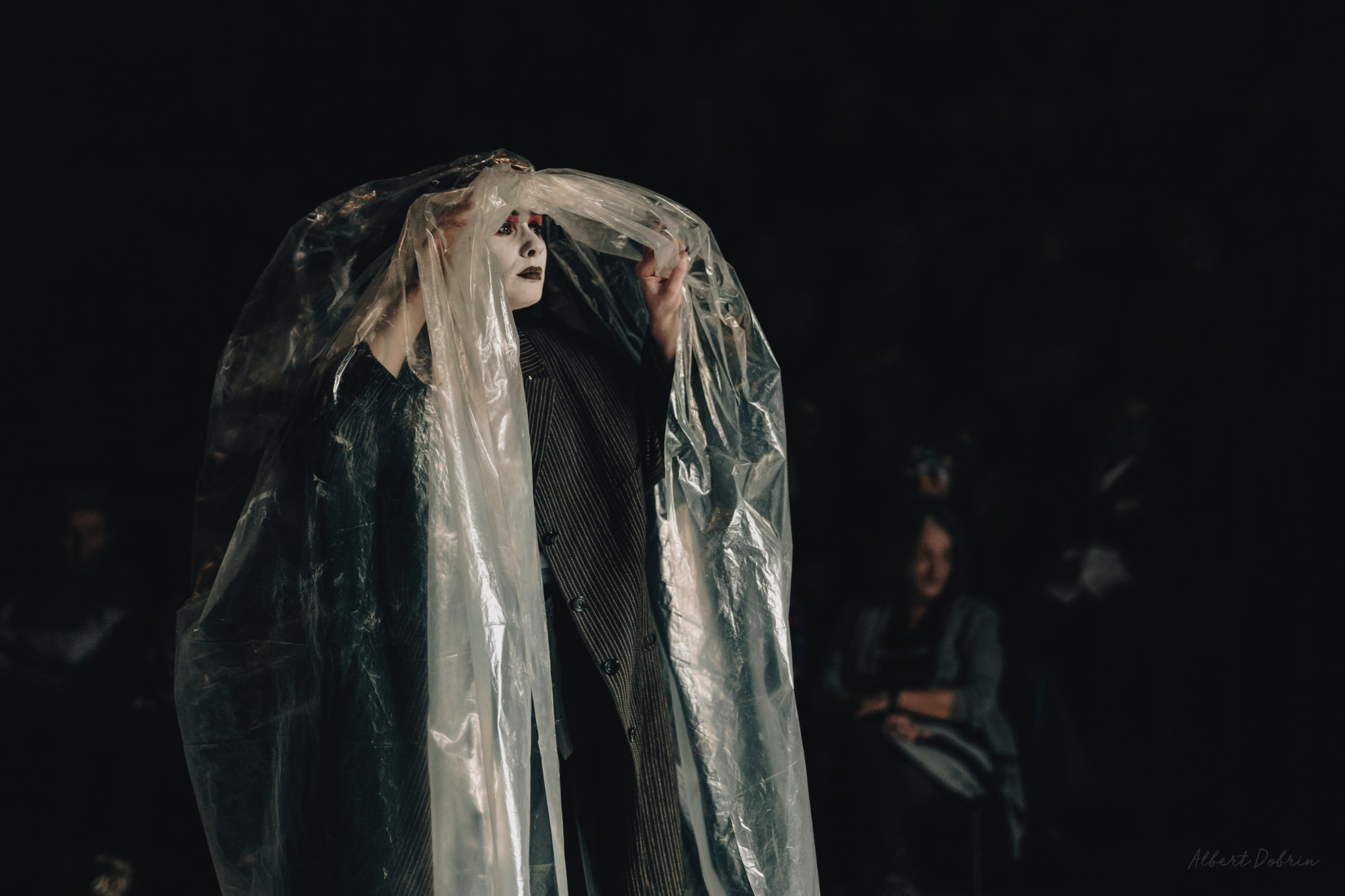
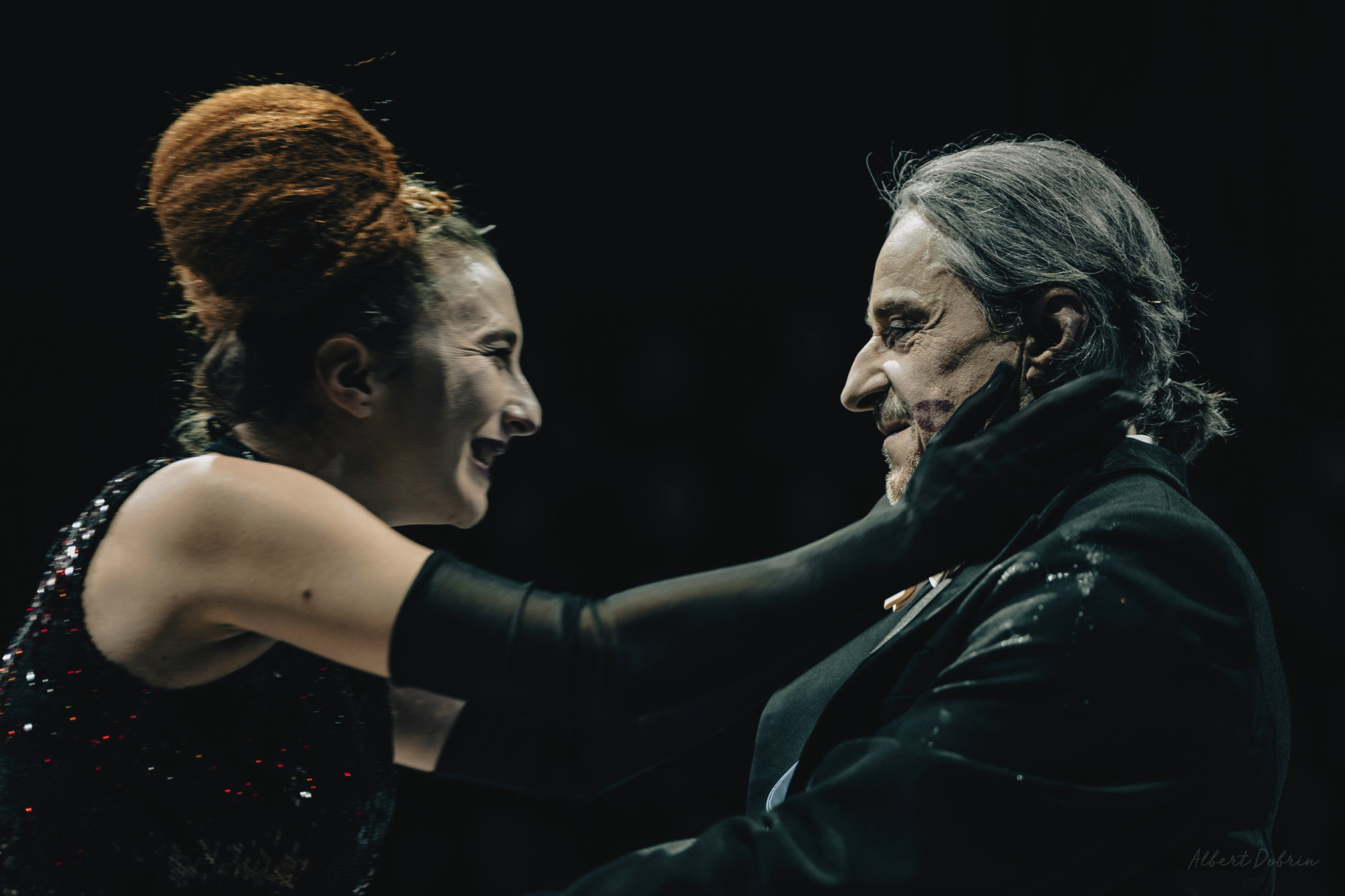
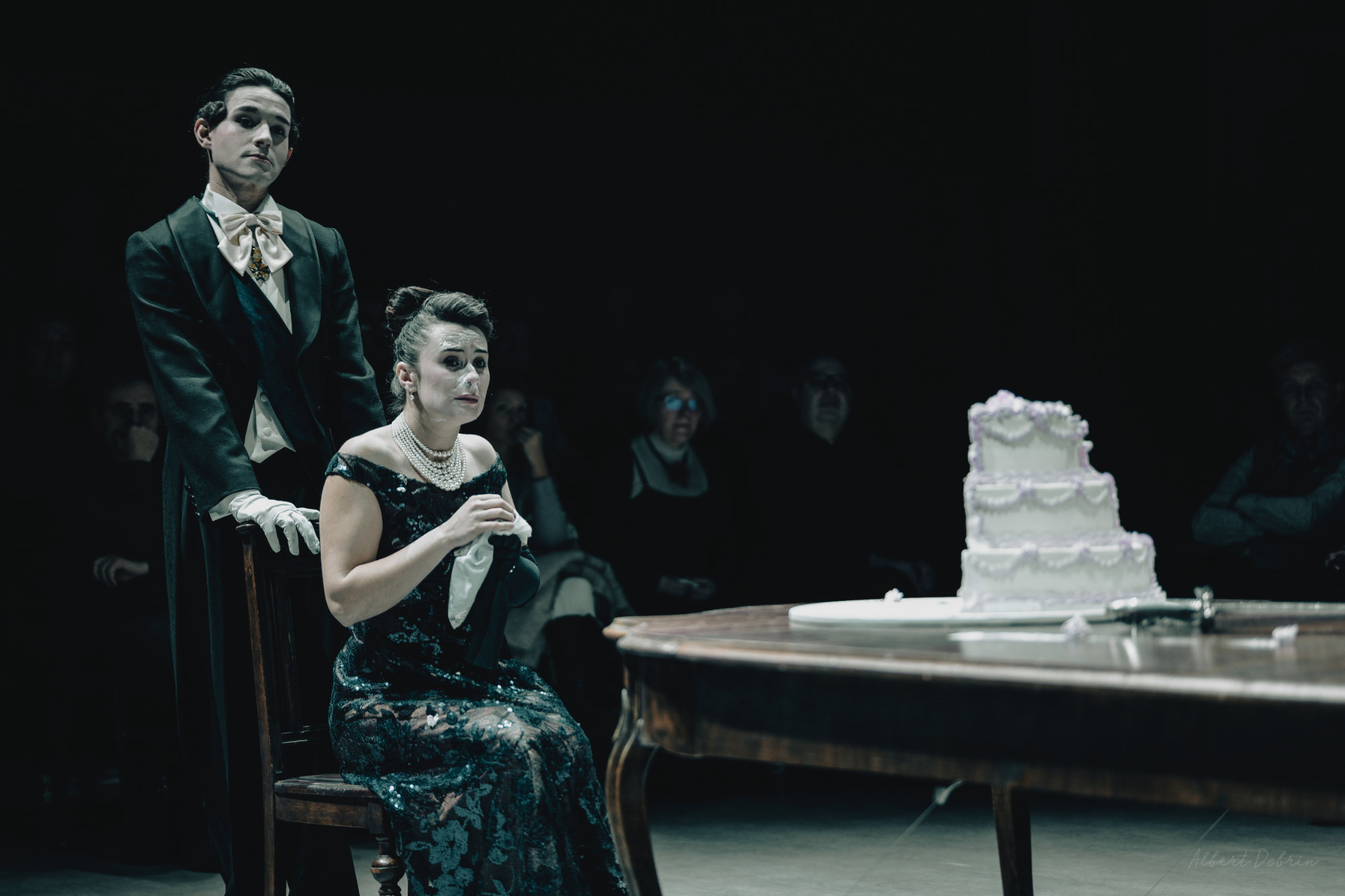
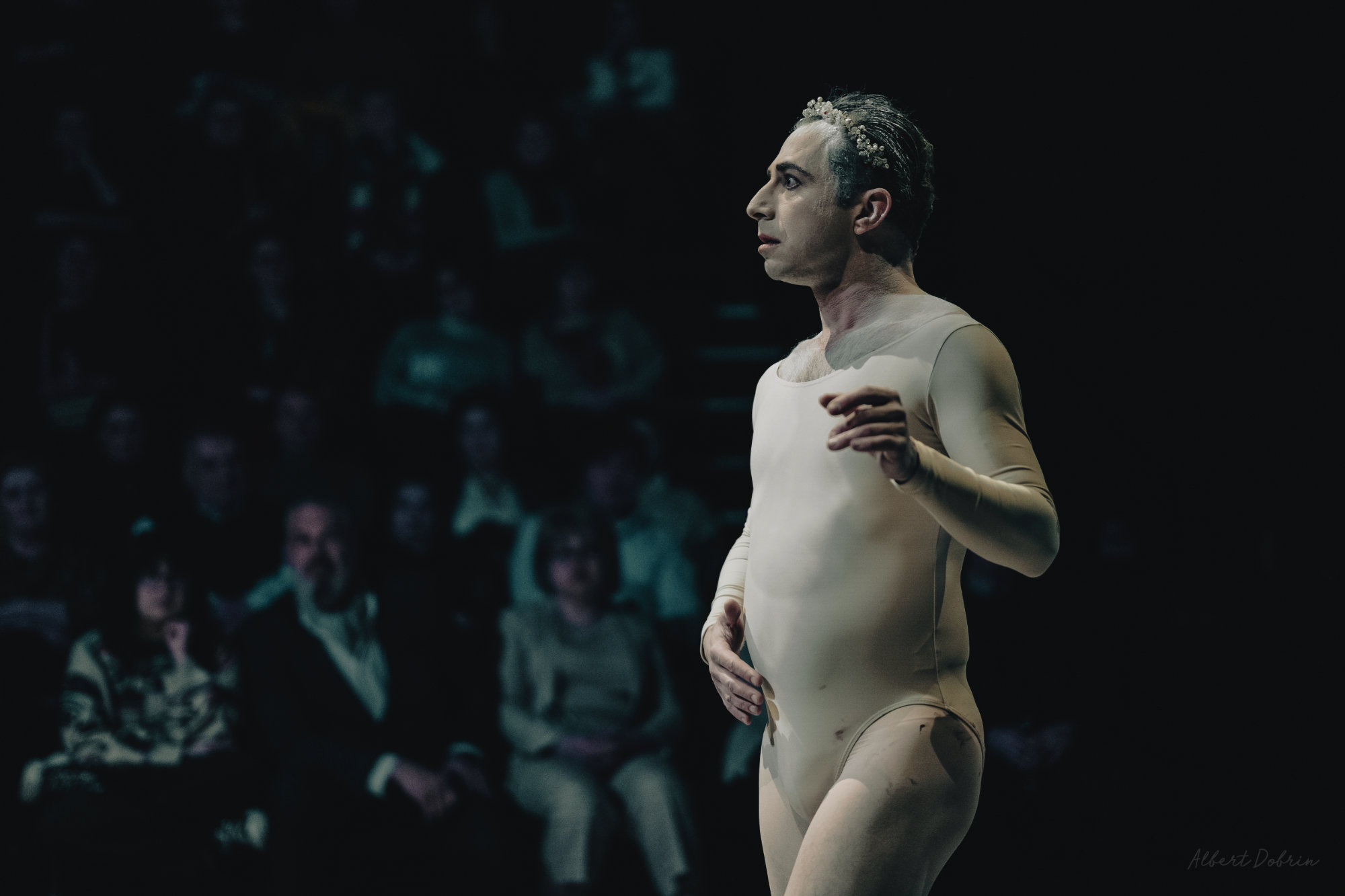
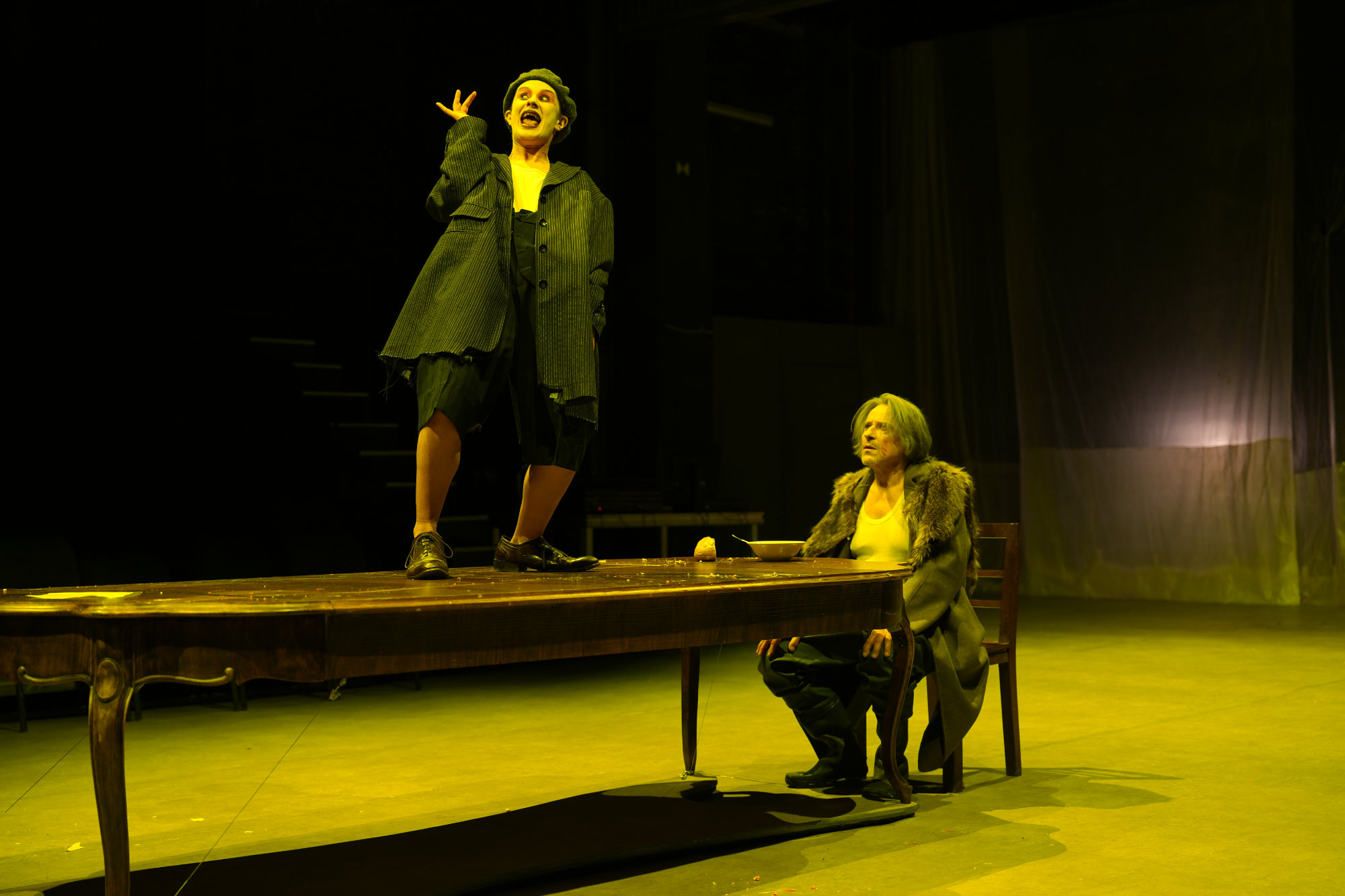
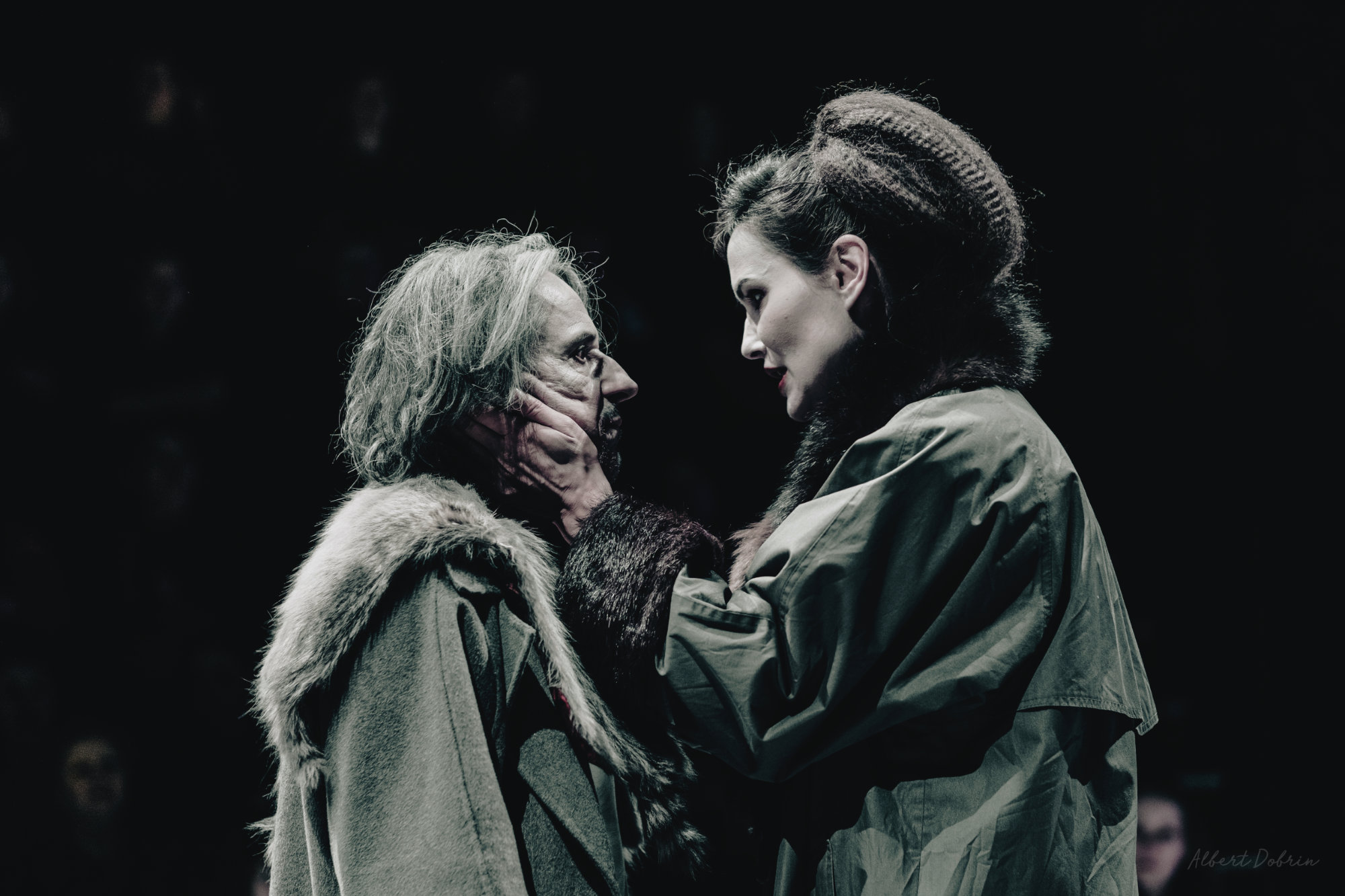
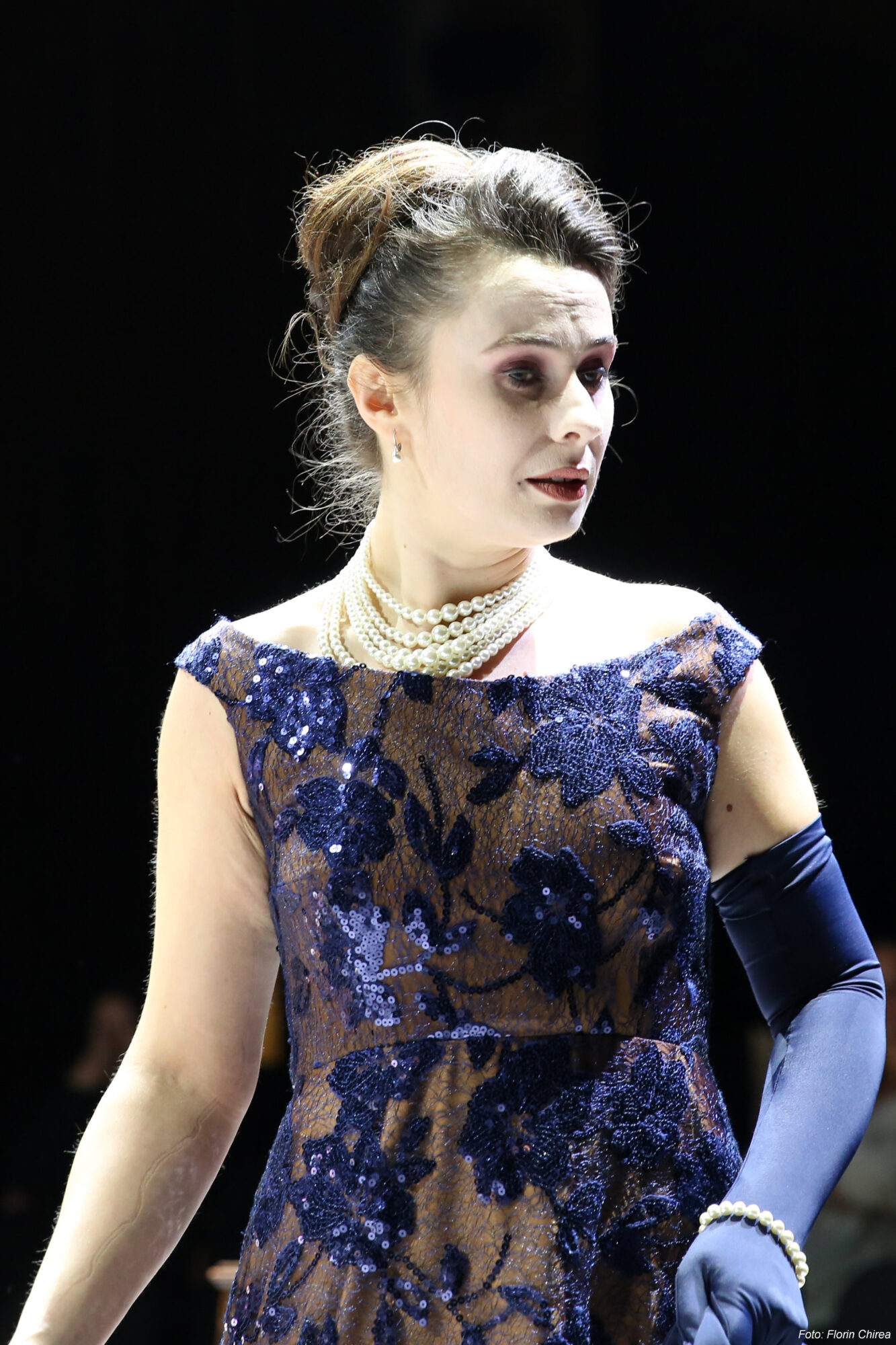
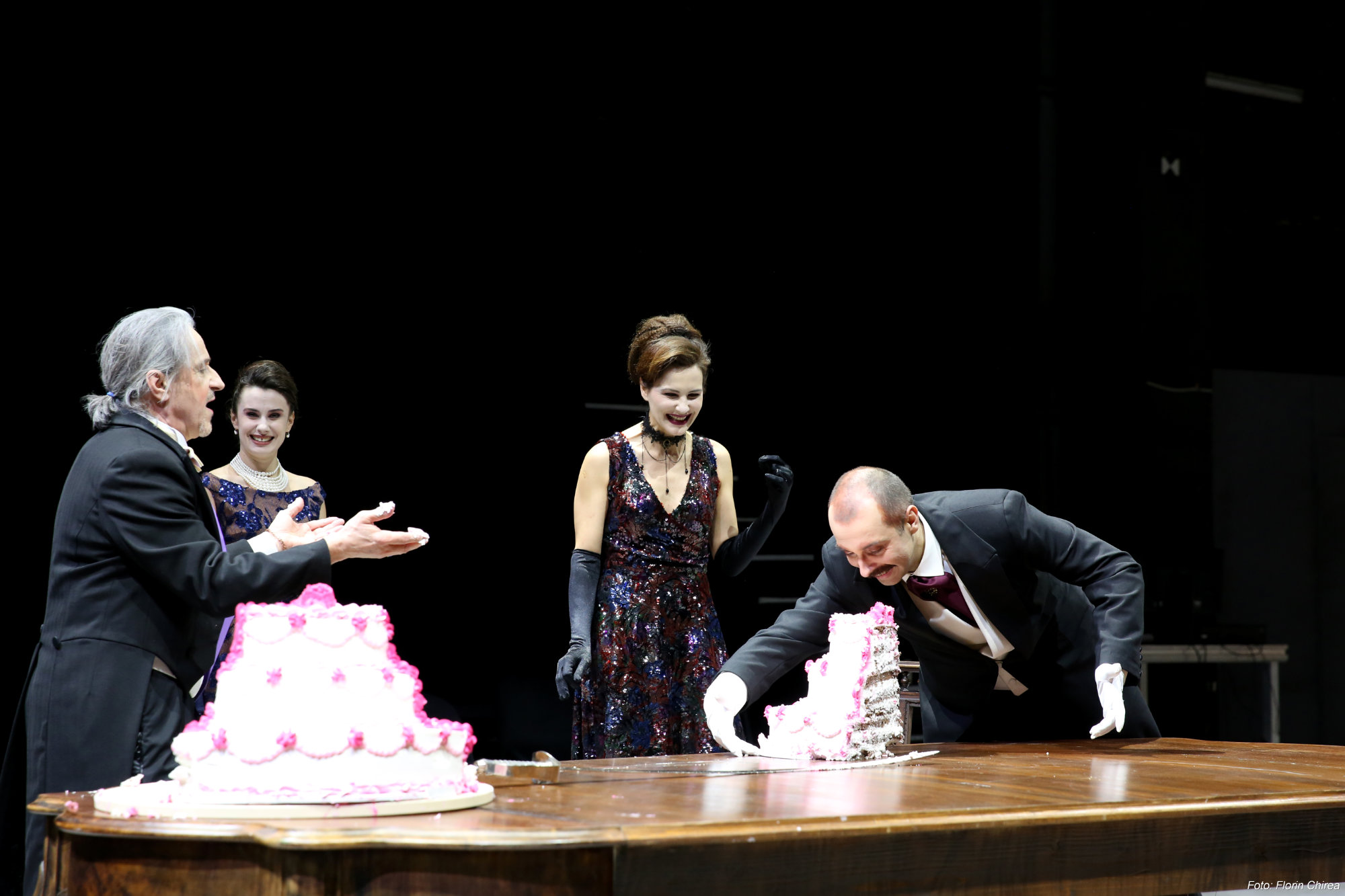
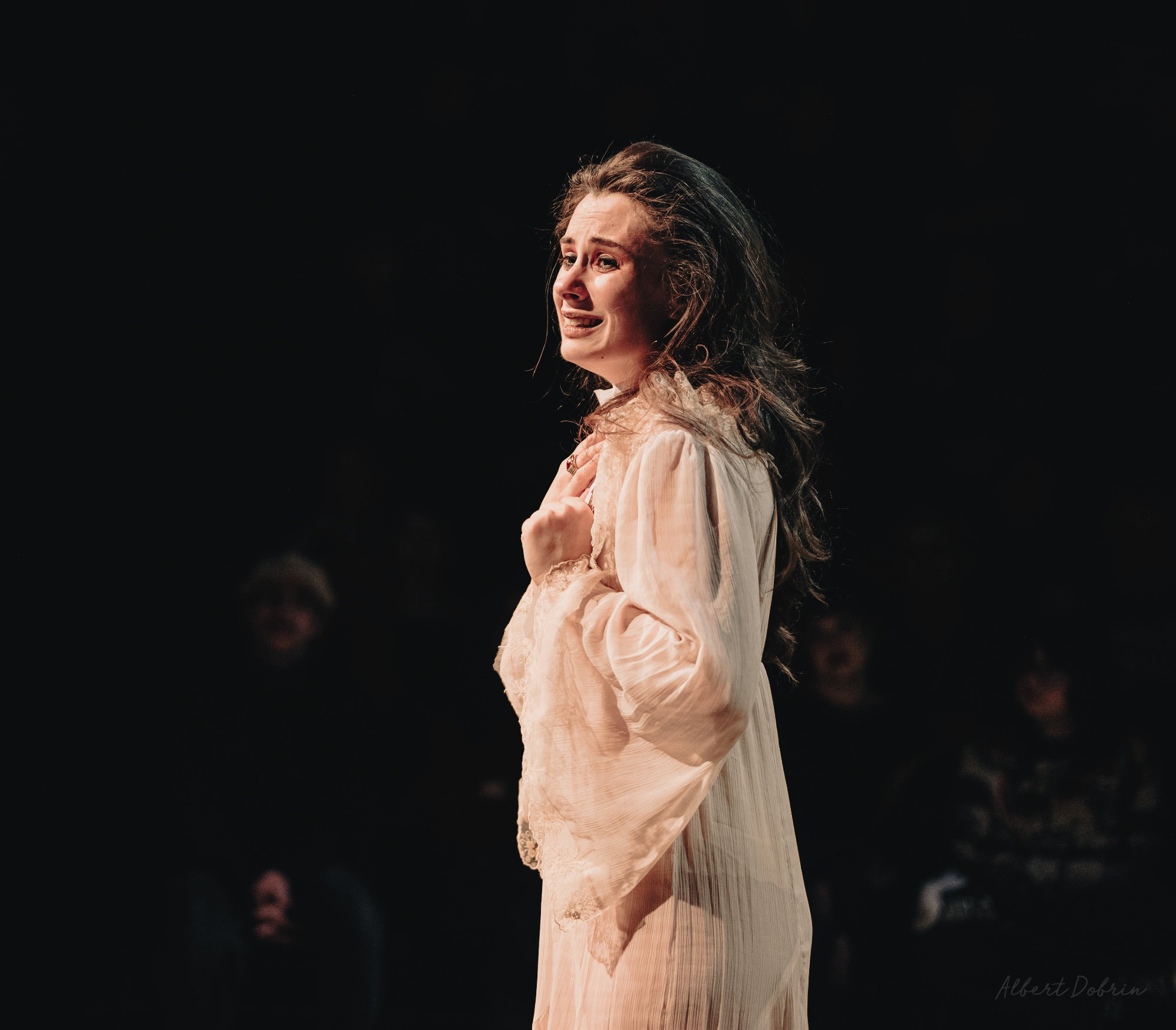
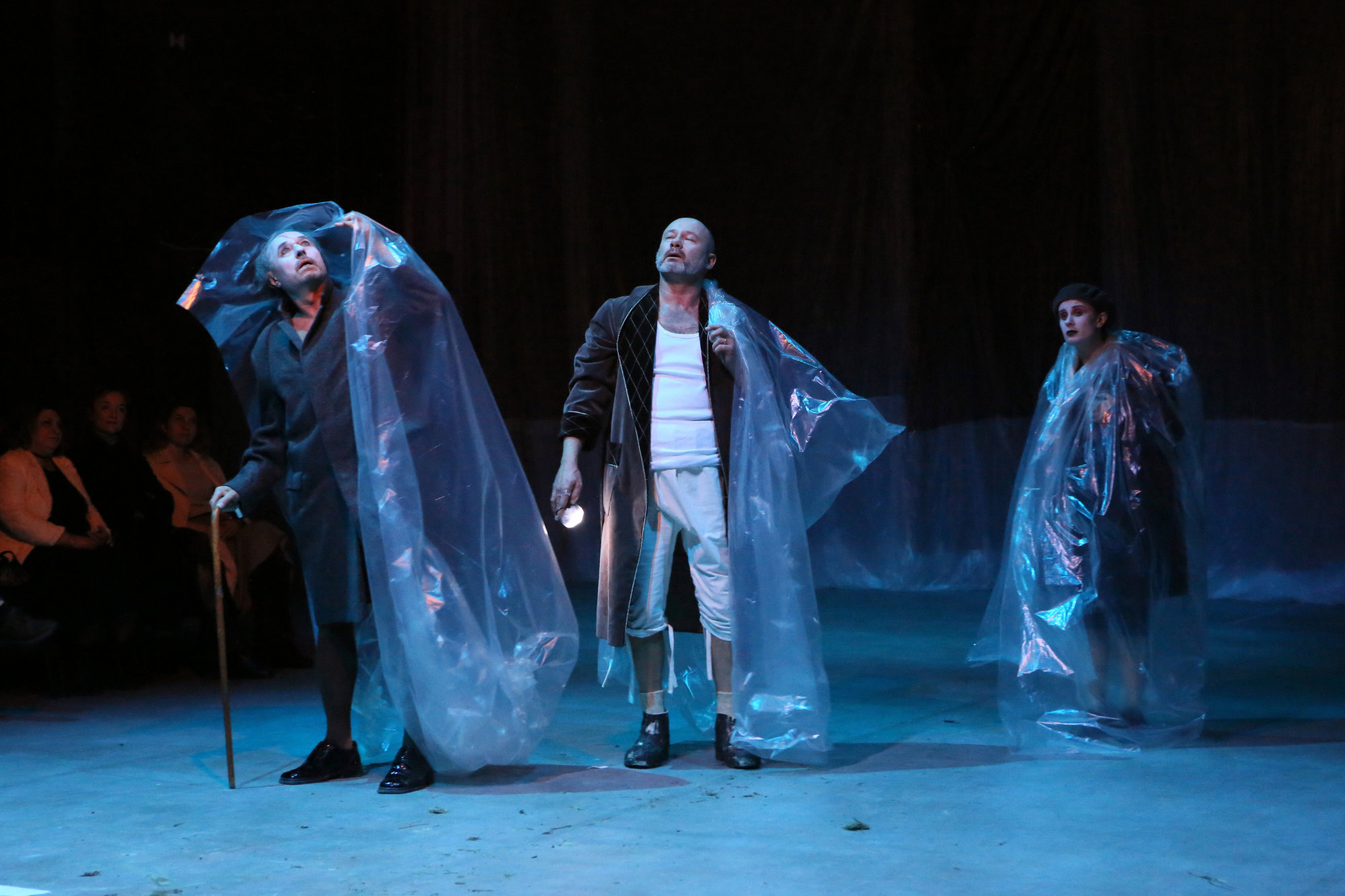
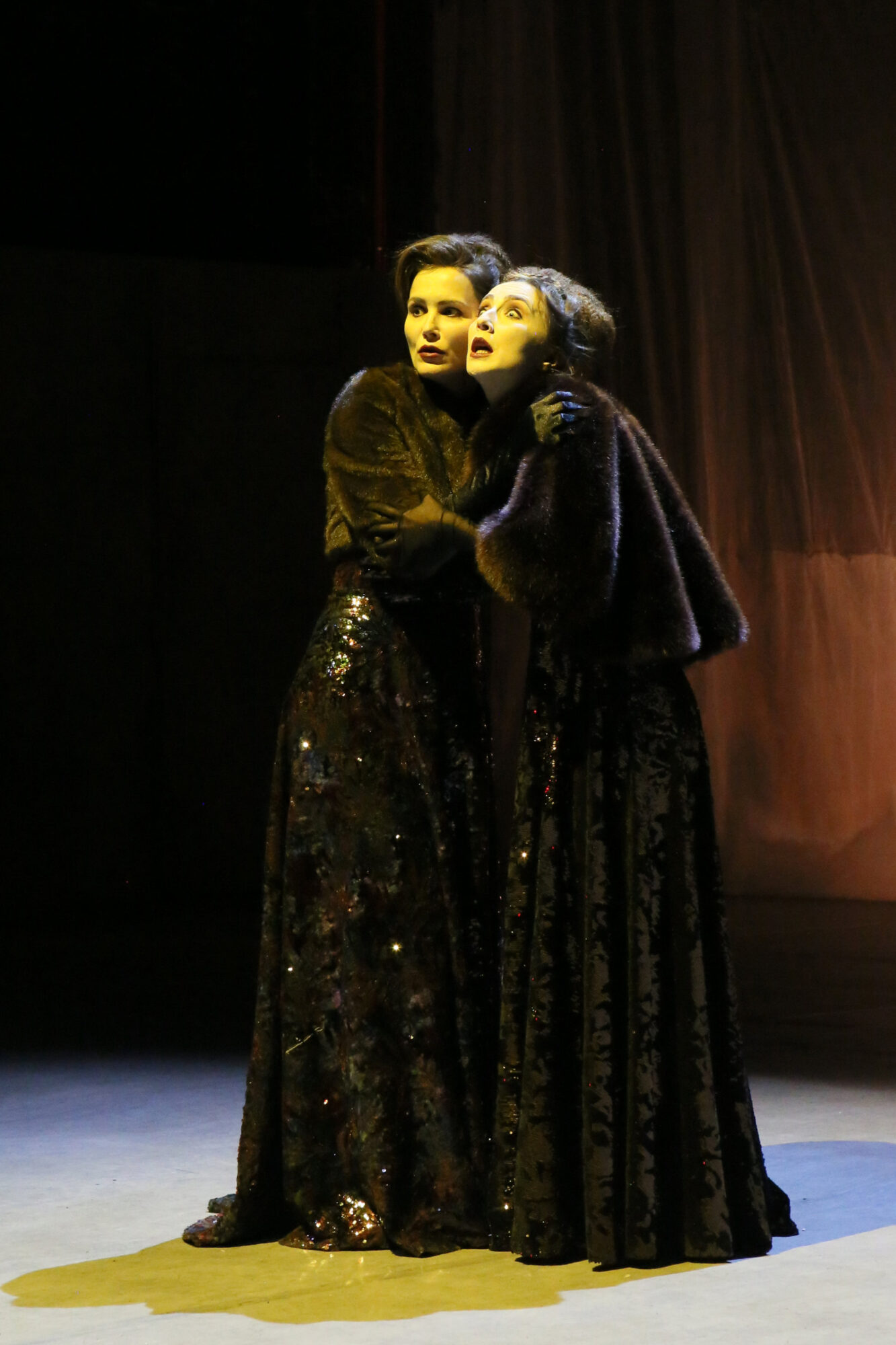
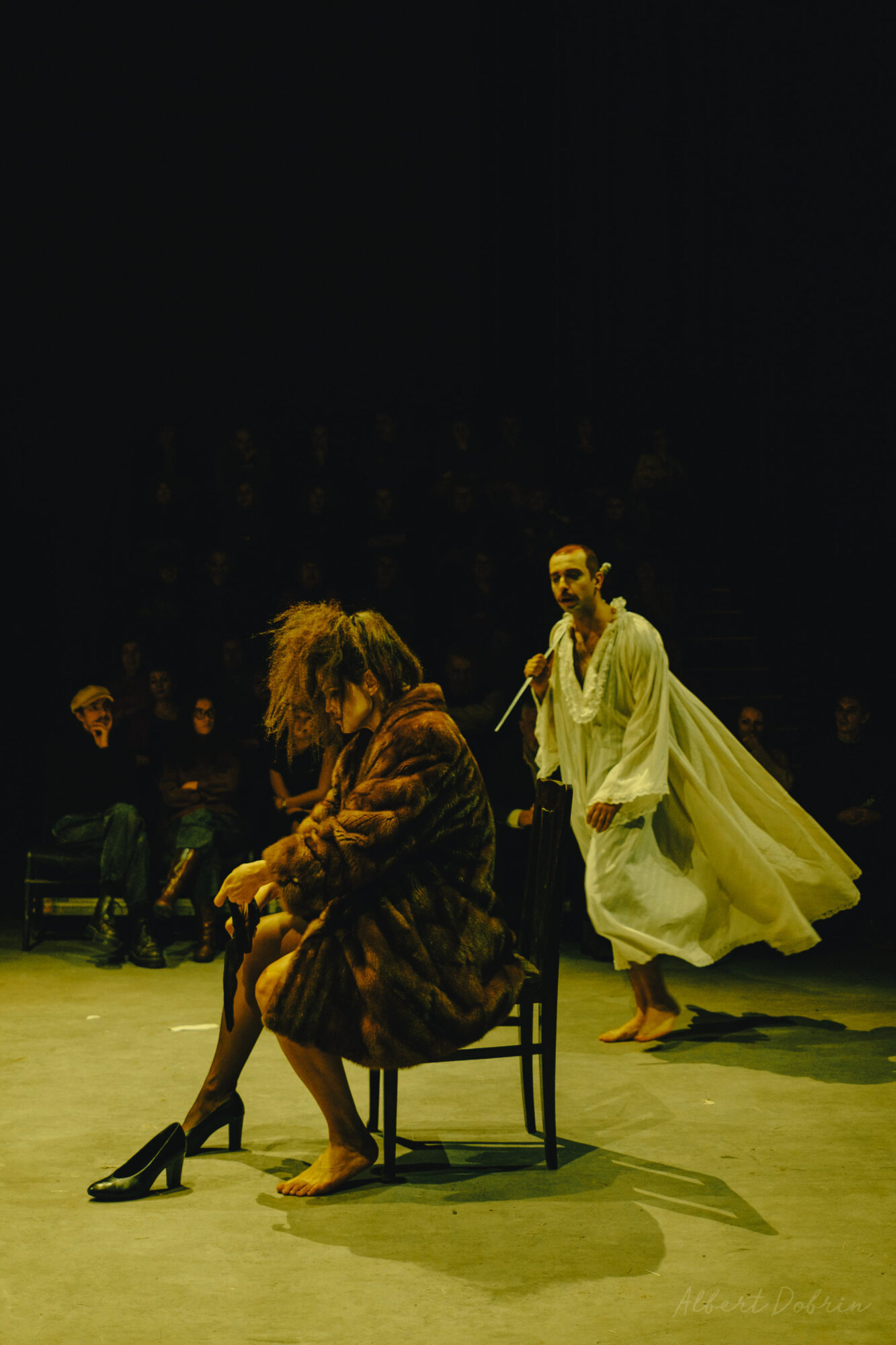
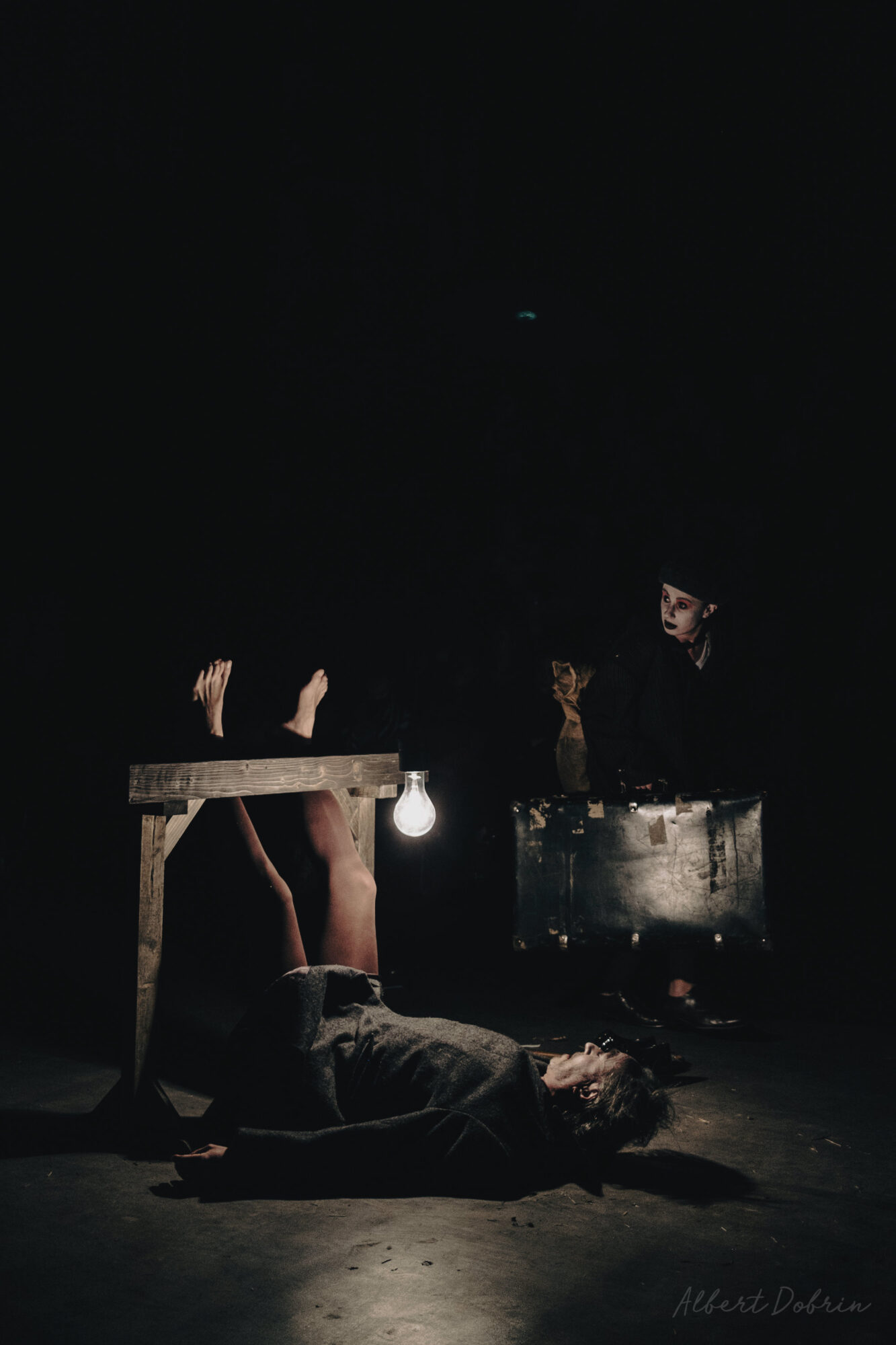
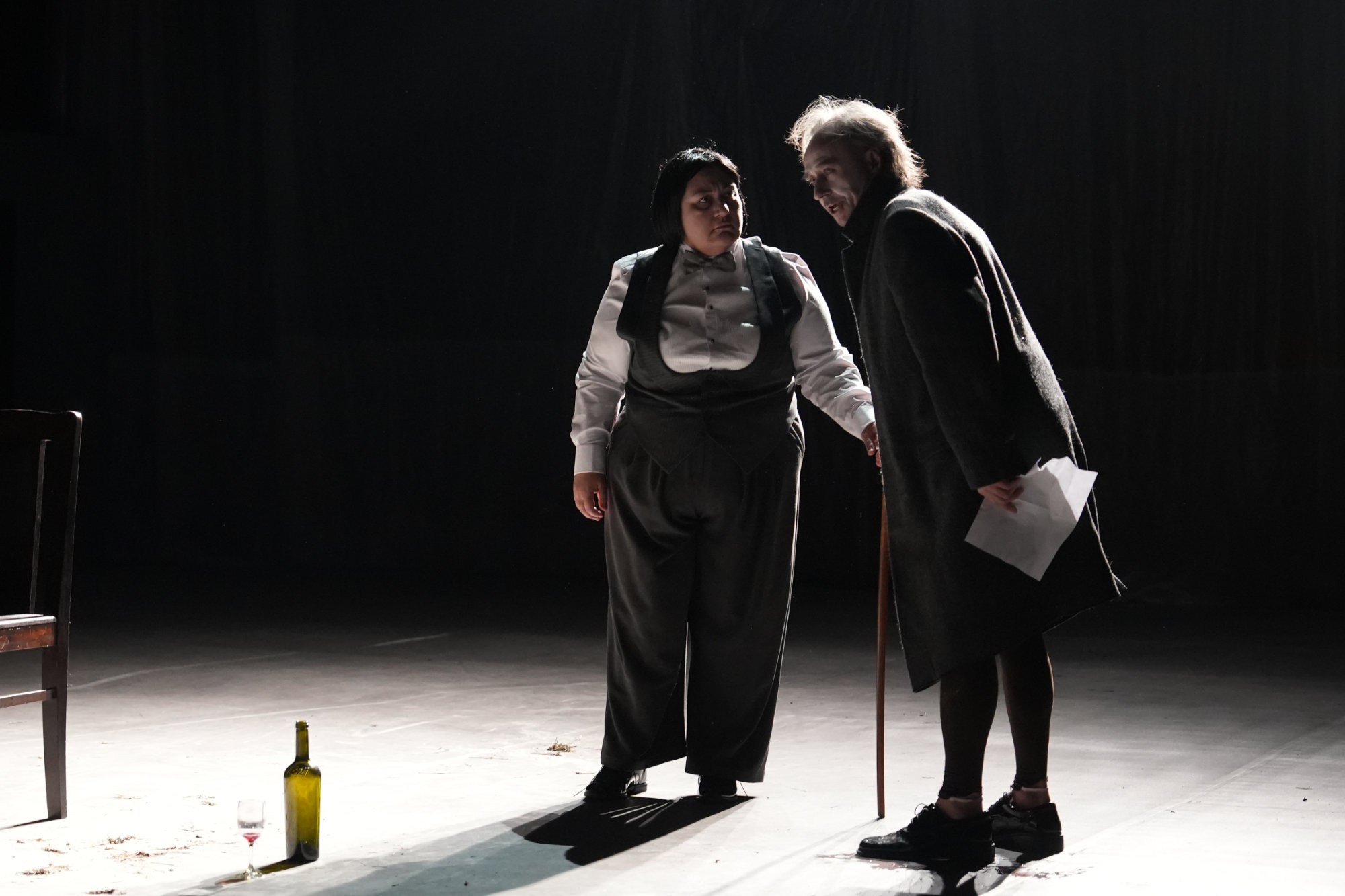
A powerful gesture, a key to Purcărete's choice: Furious, Lear smears Cordelia with whipped cream on her face. A make-up, a face, one character on top of the other: Cordelia and the Jester, two characters played by the same Fellini-like actress, Costinela Ungureanu, a different kind of gnome in Jester, both sarcastic and protective, a tender and vulnerable Cordelia, a body that takes any form, a voice that always changes under faces of amazement. Eyes that see disaster and cannot prevent it. A skillful body, hidden under a beret and wearing men's shoes fifteen sizes too big, clown shoes, a woman's body transvestite in a masculine allure. Feminine/Male and the theme of transvestite in Purcărete, explored again, differently. A certain fragility and candor drive Costinela Ungureanu's scores. (…)
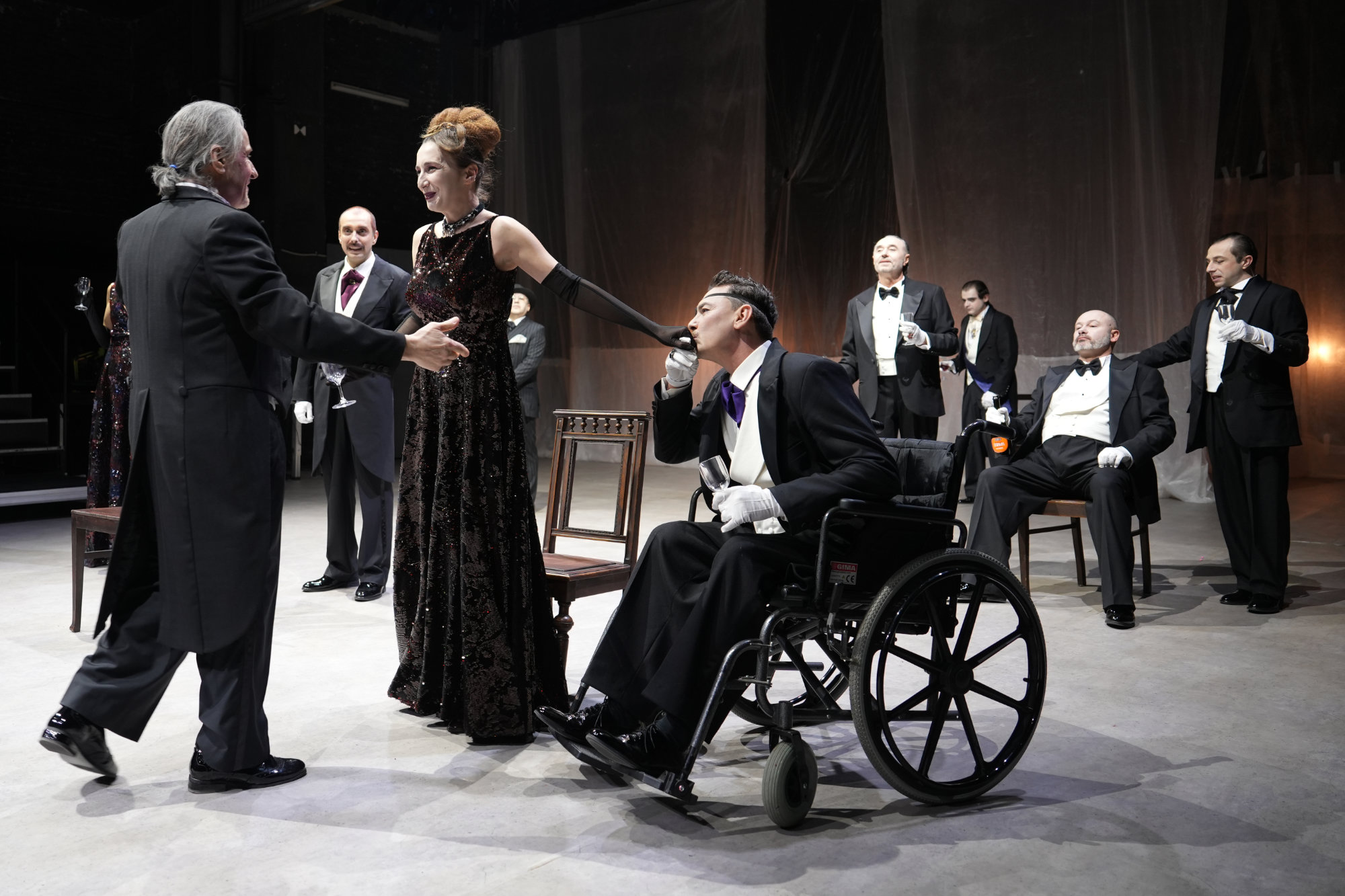
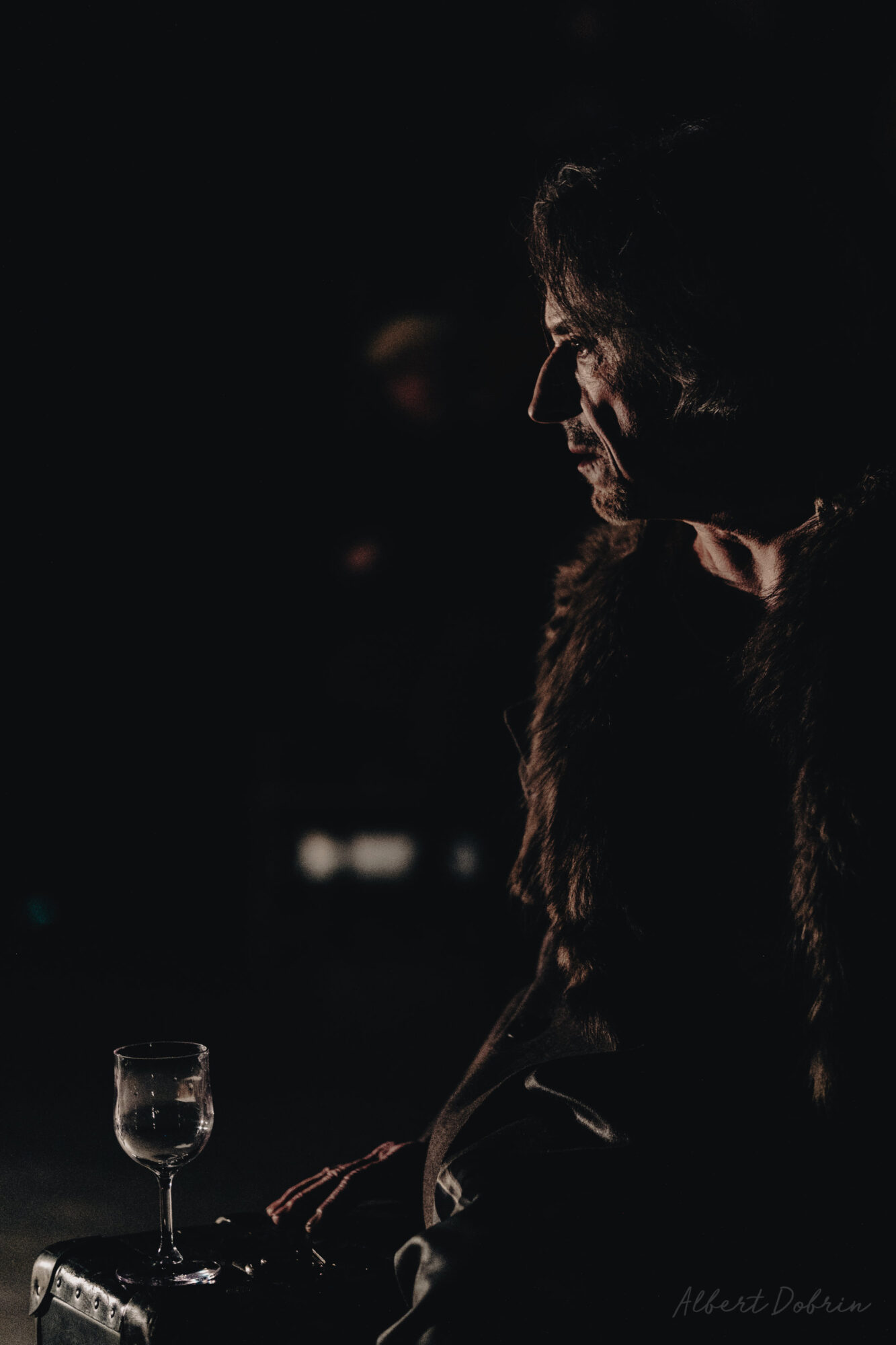
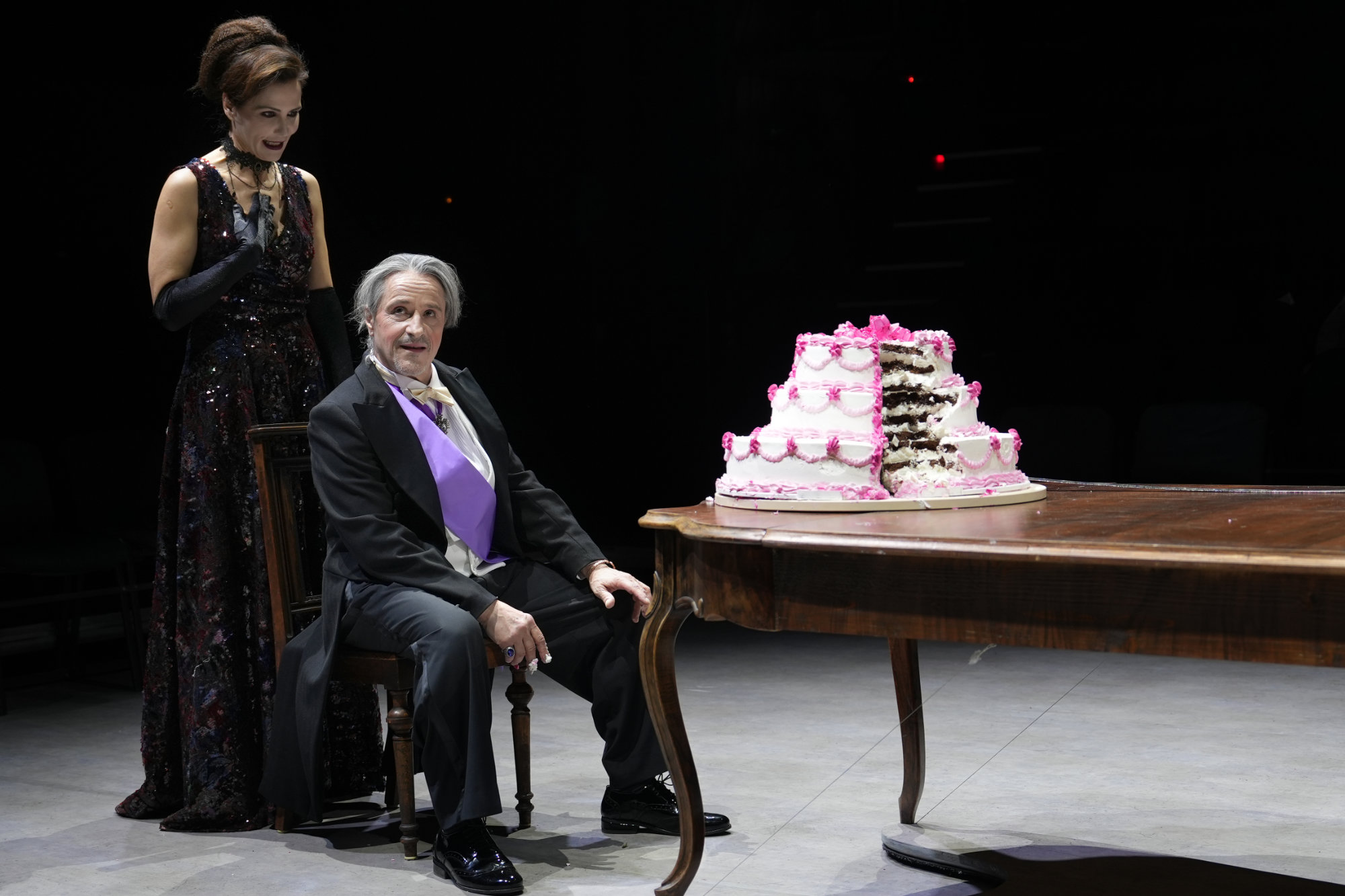
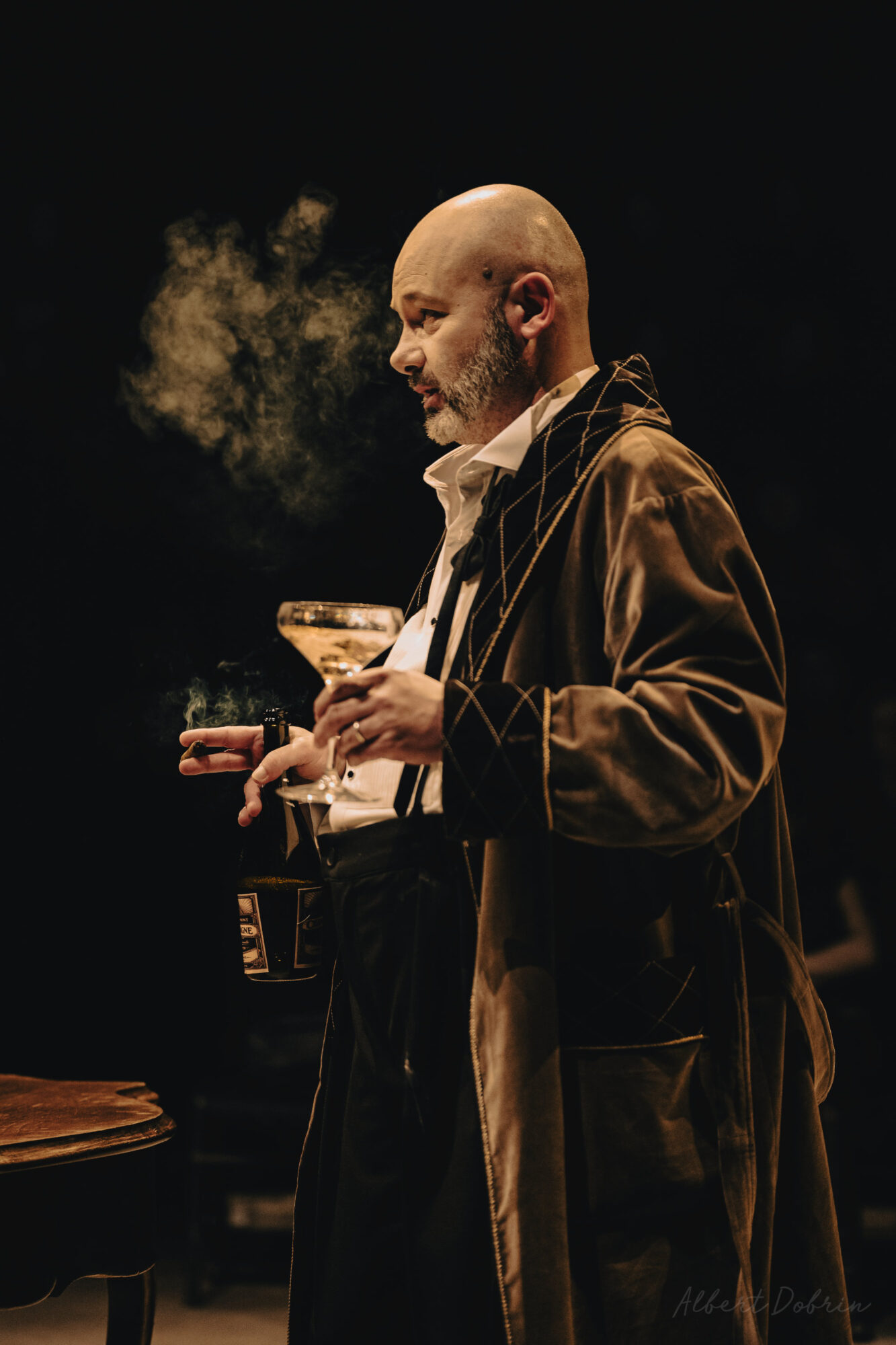
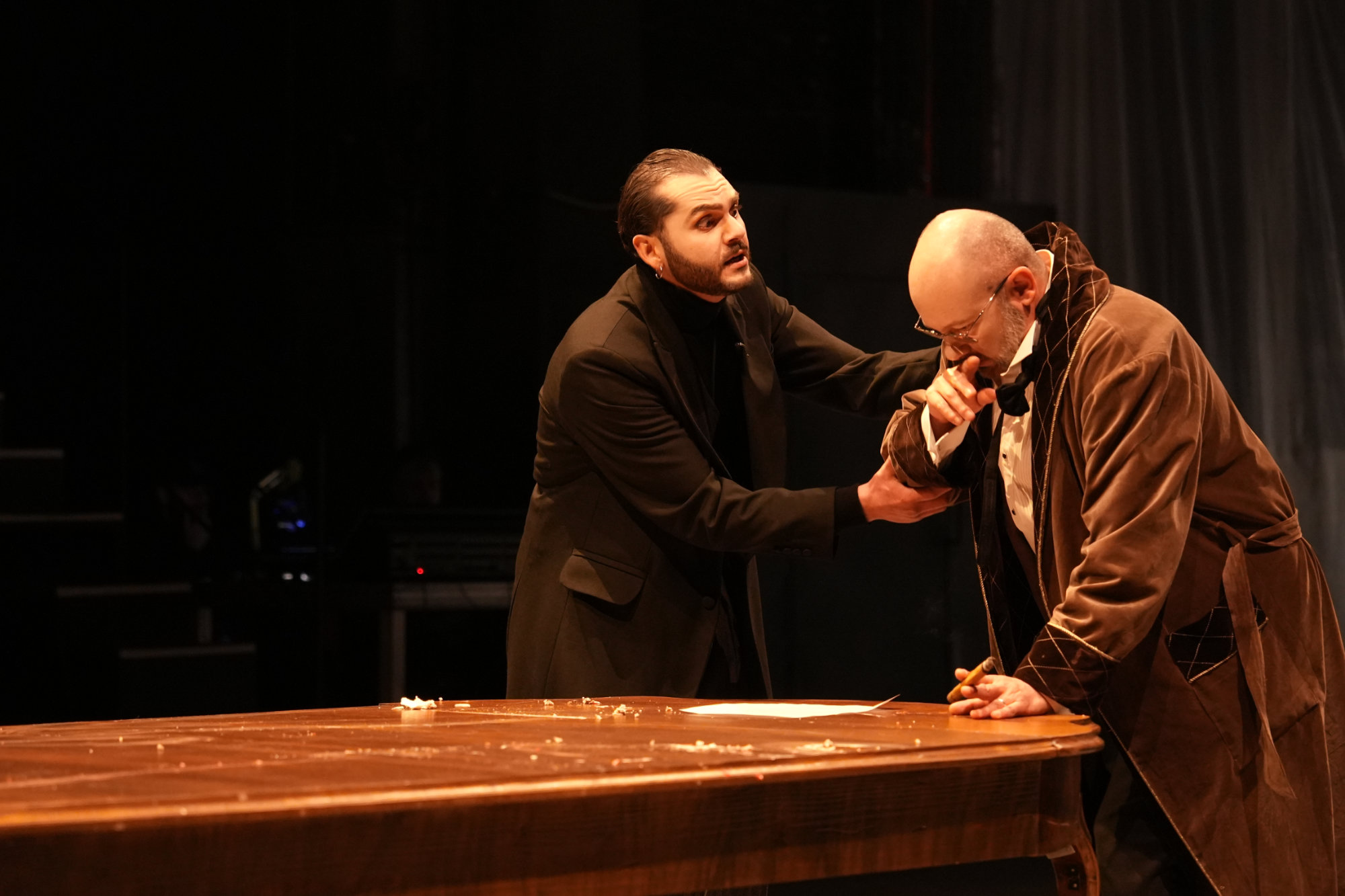
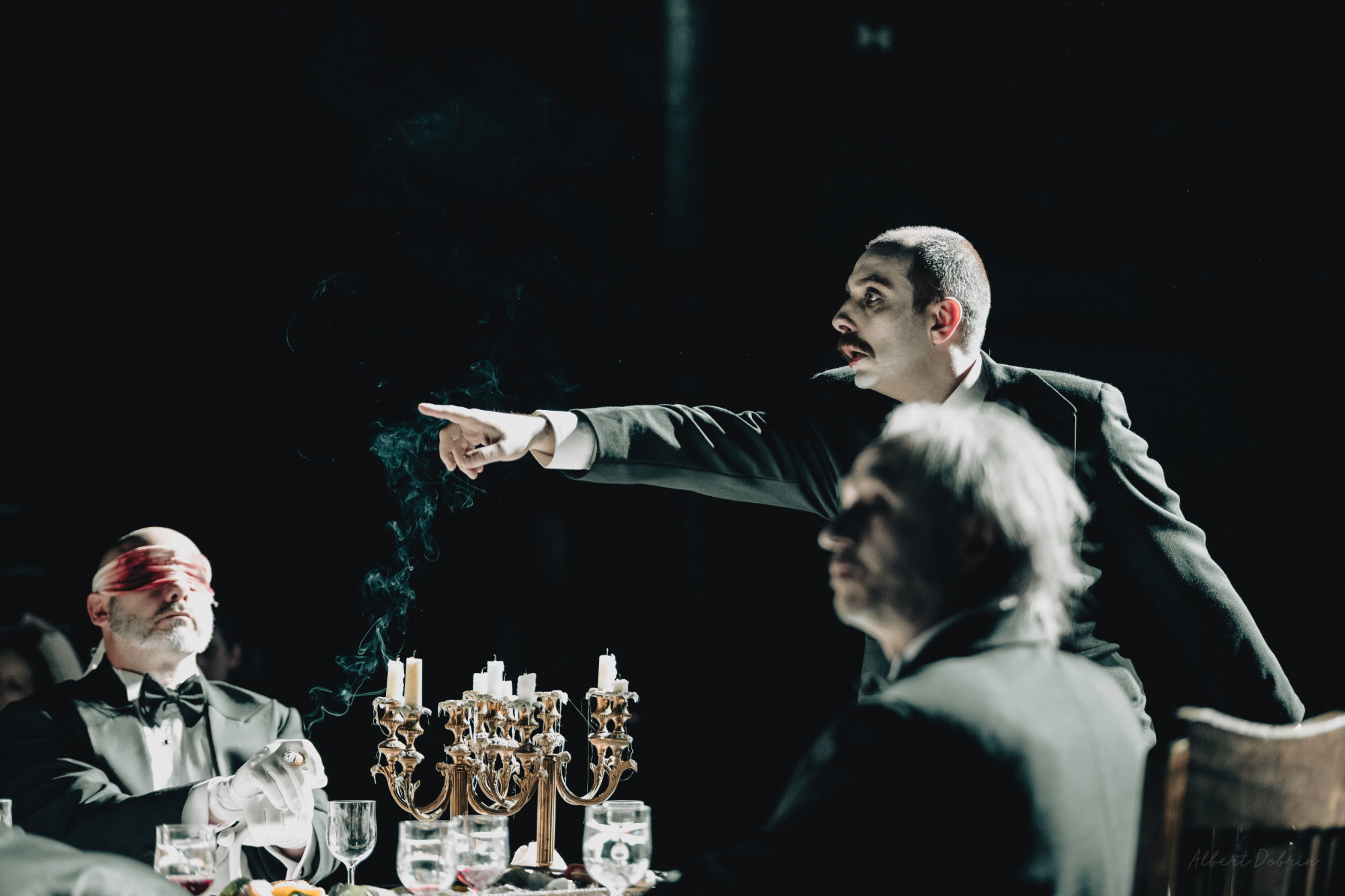
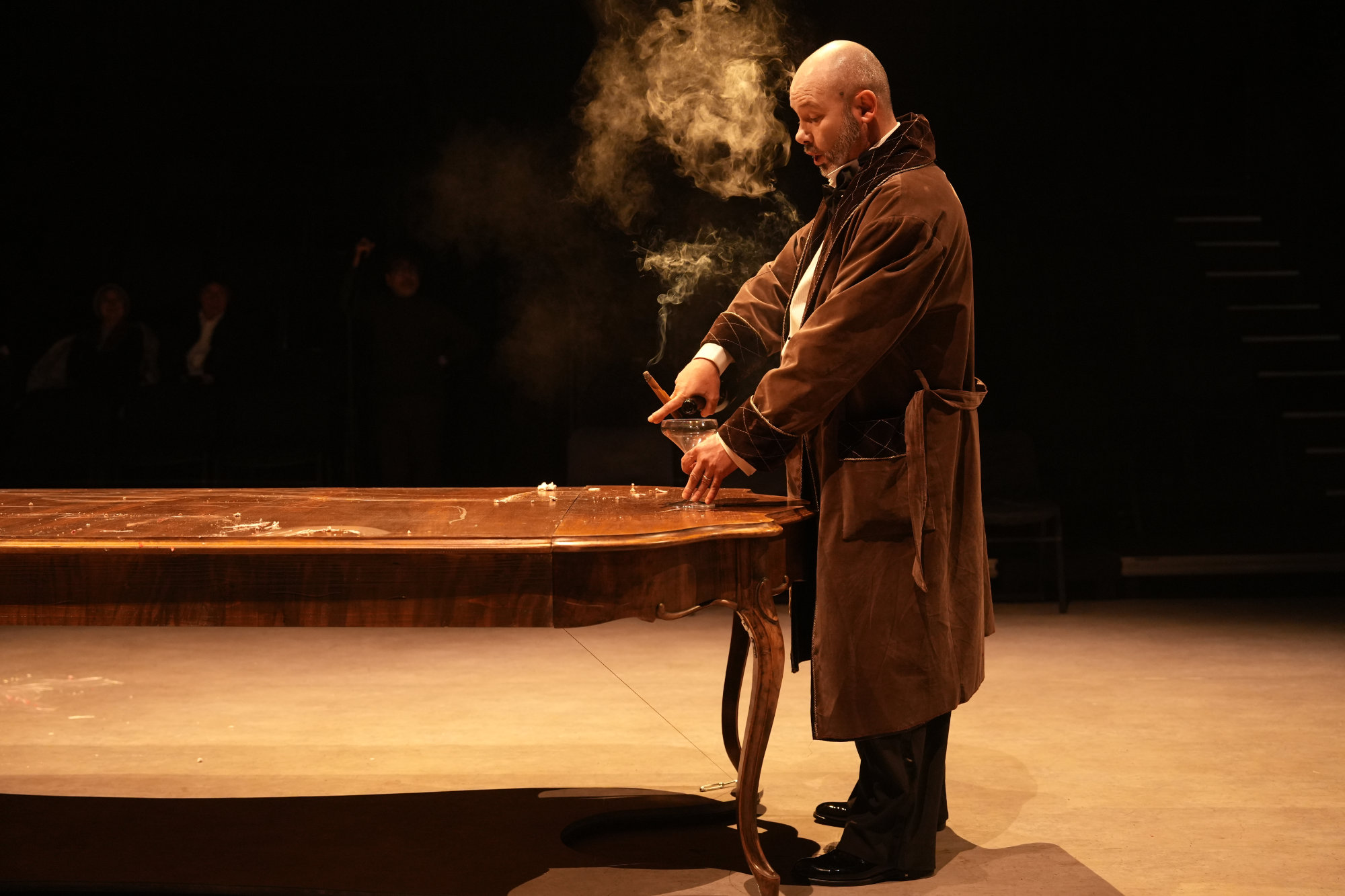
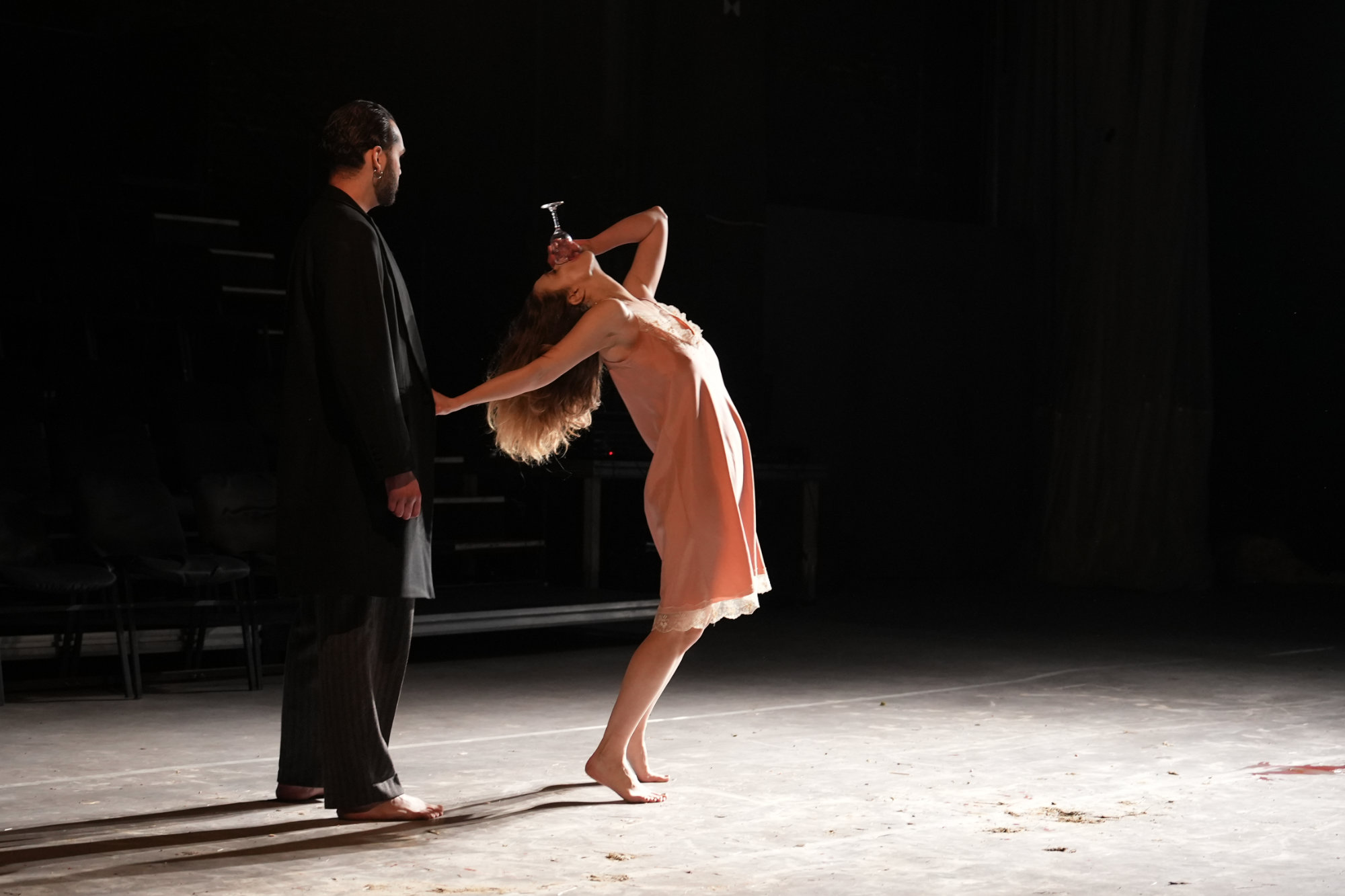
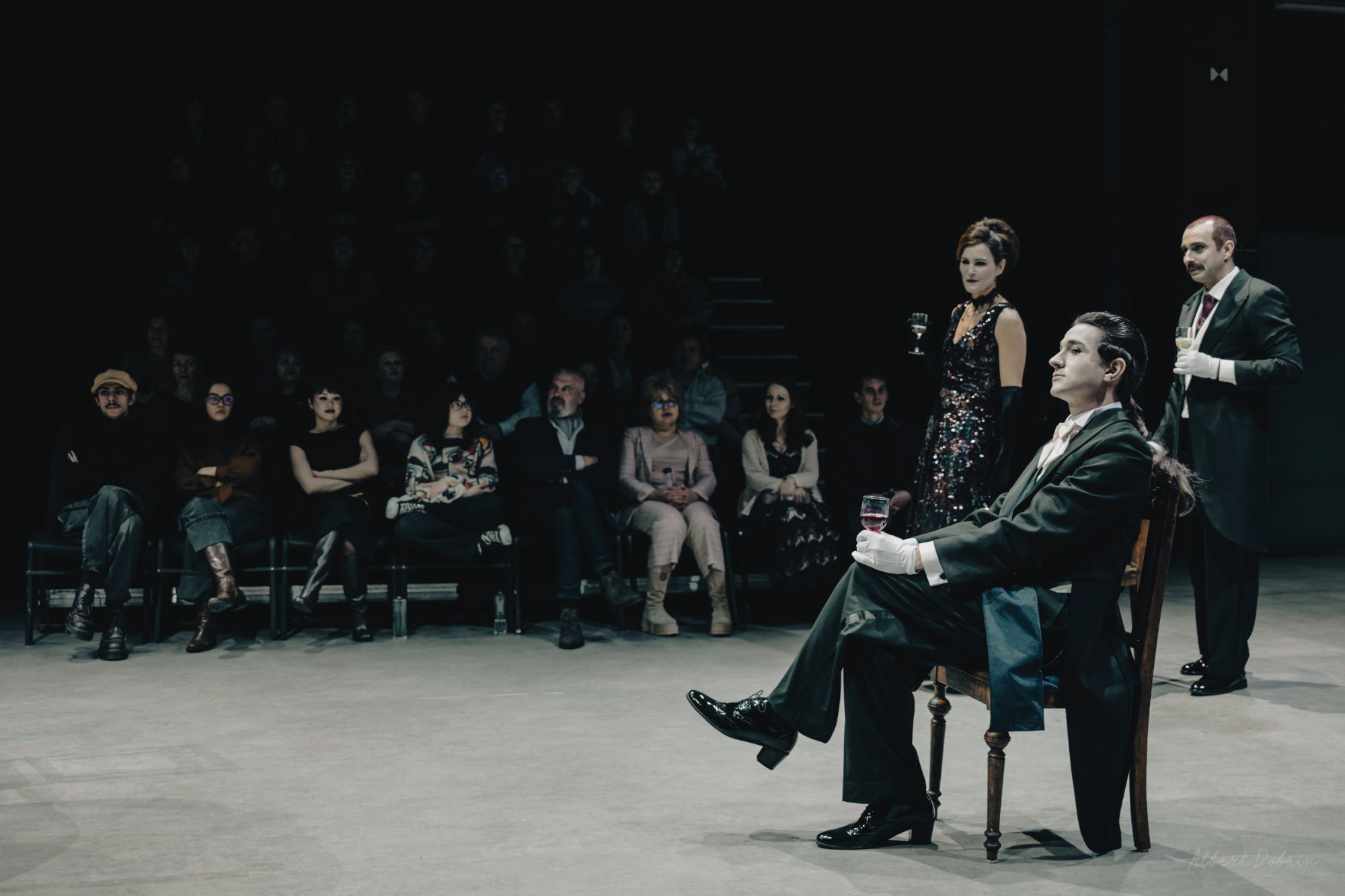
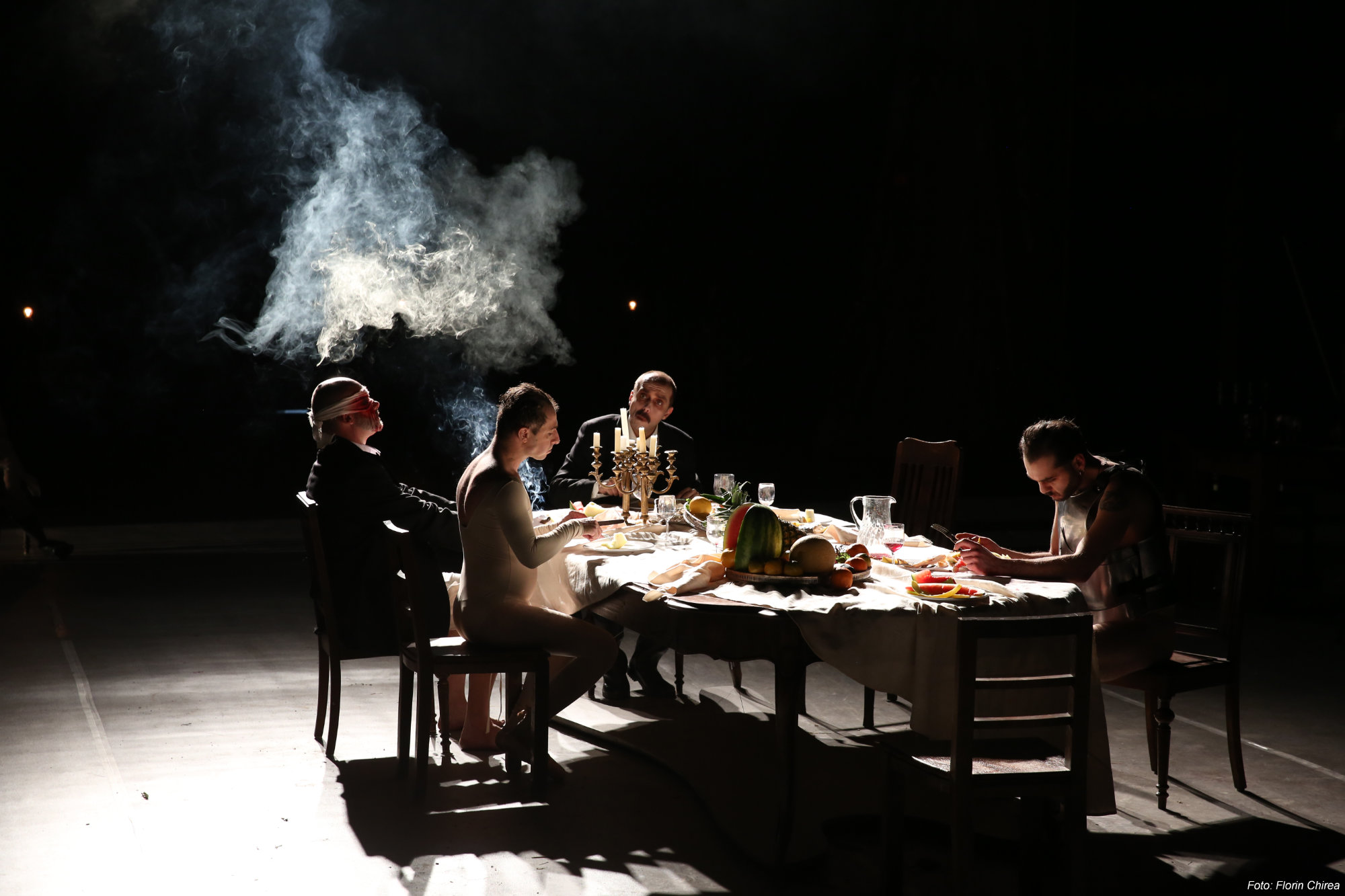
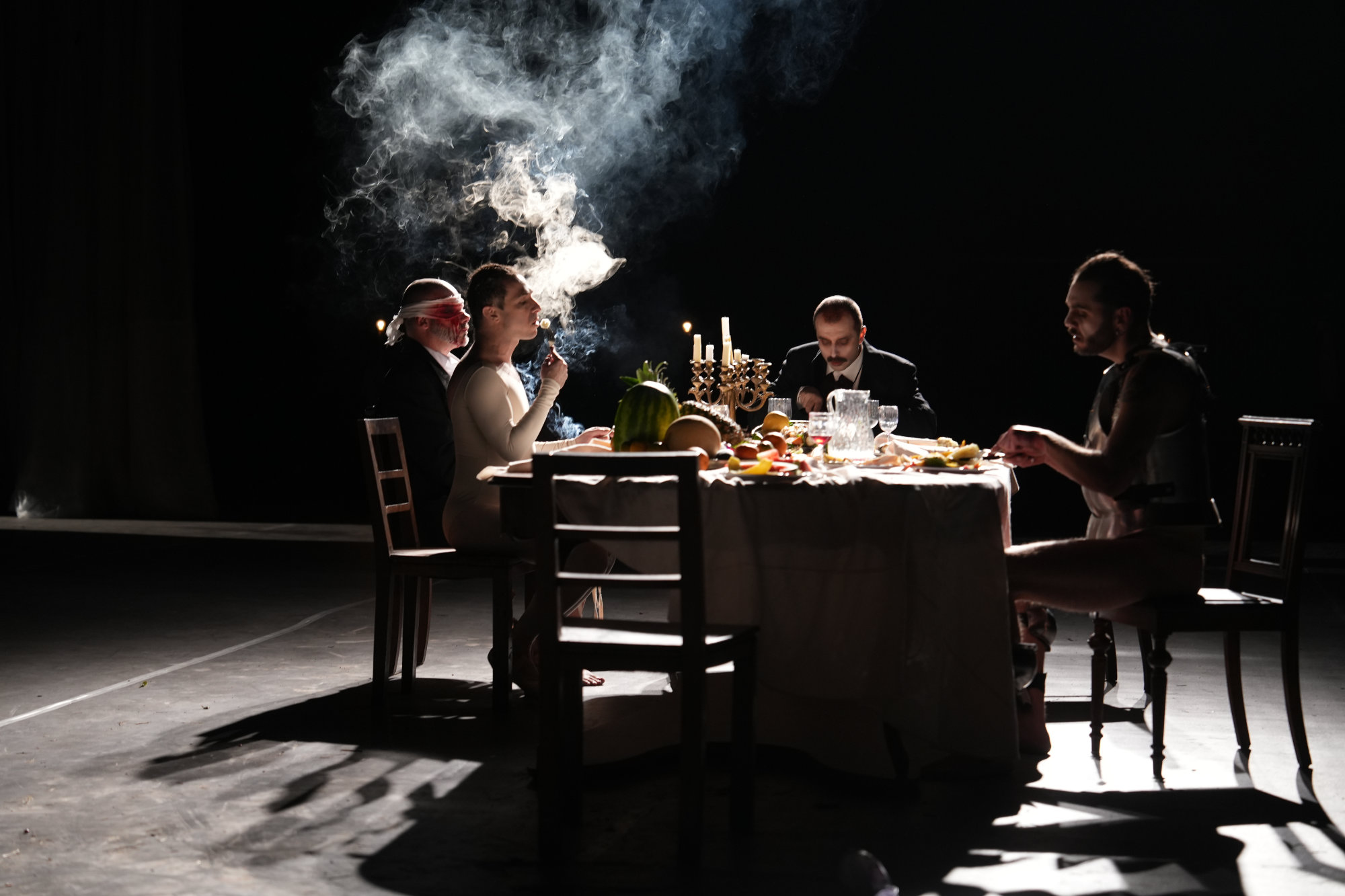
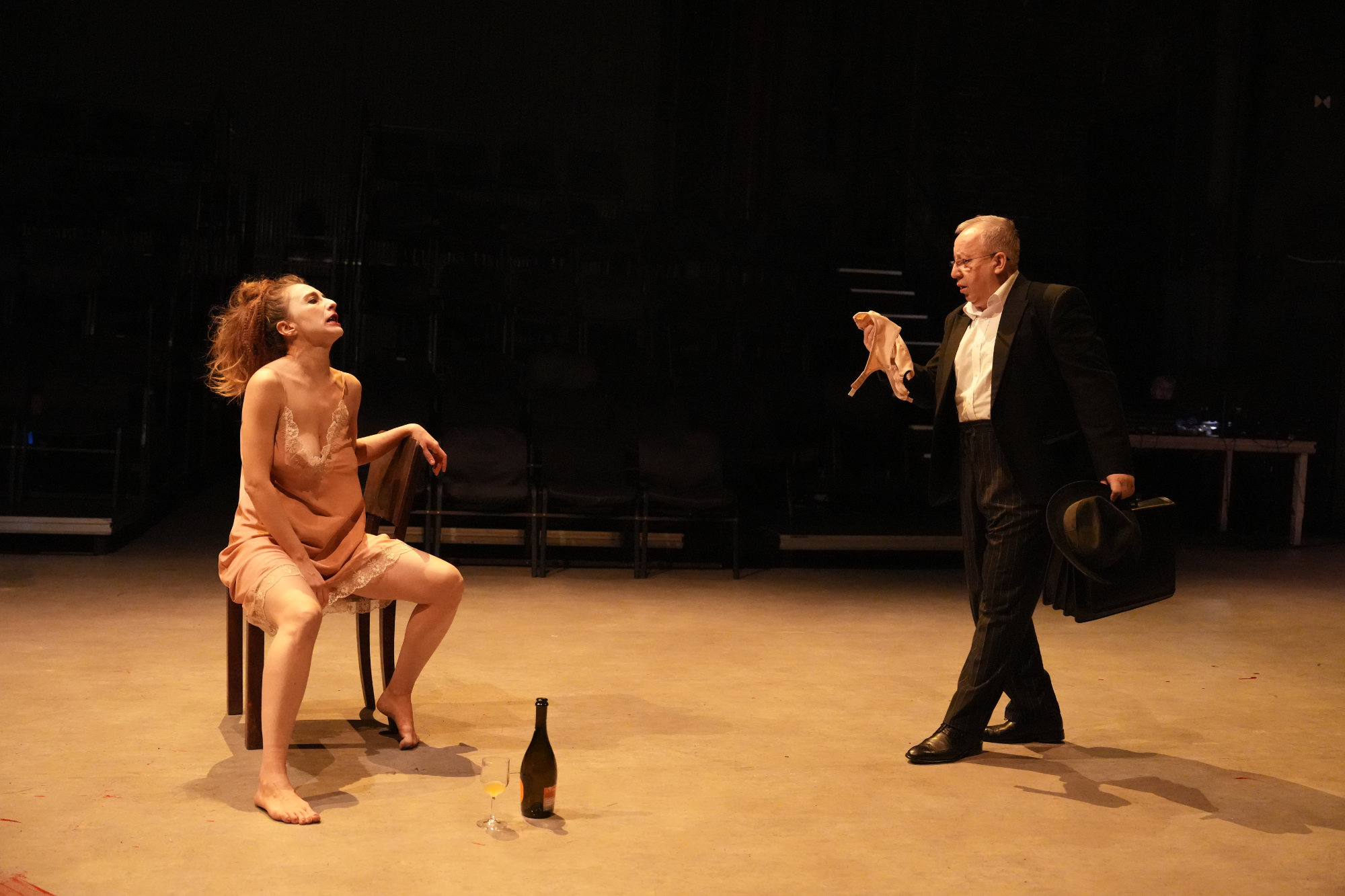
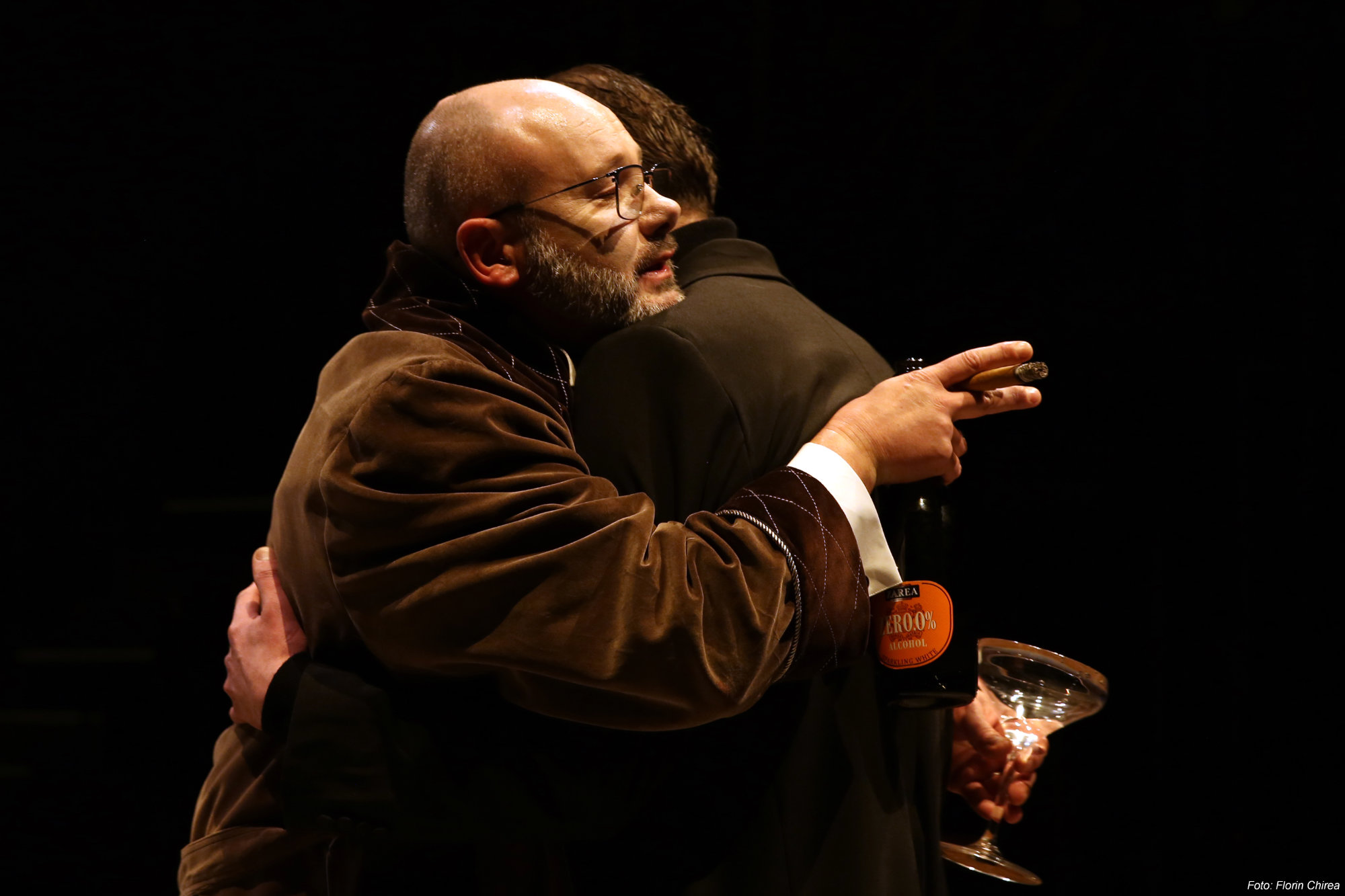
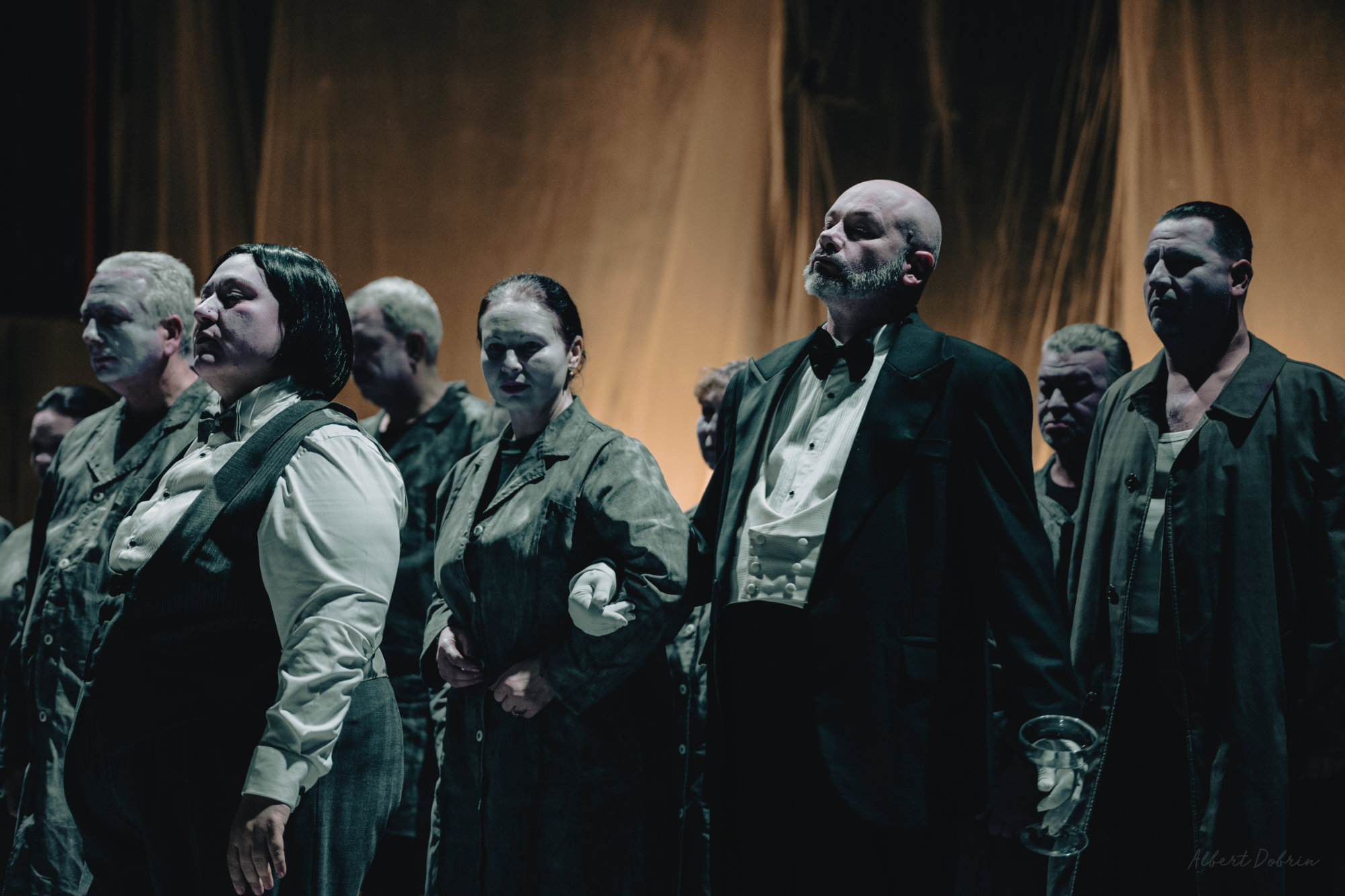
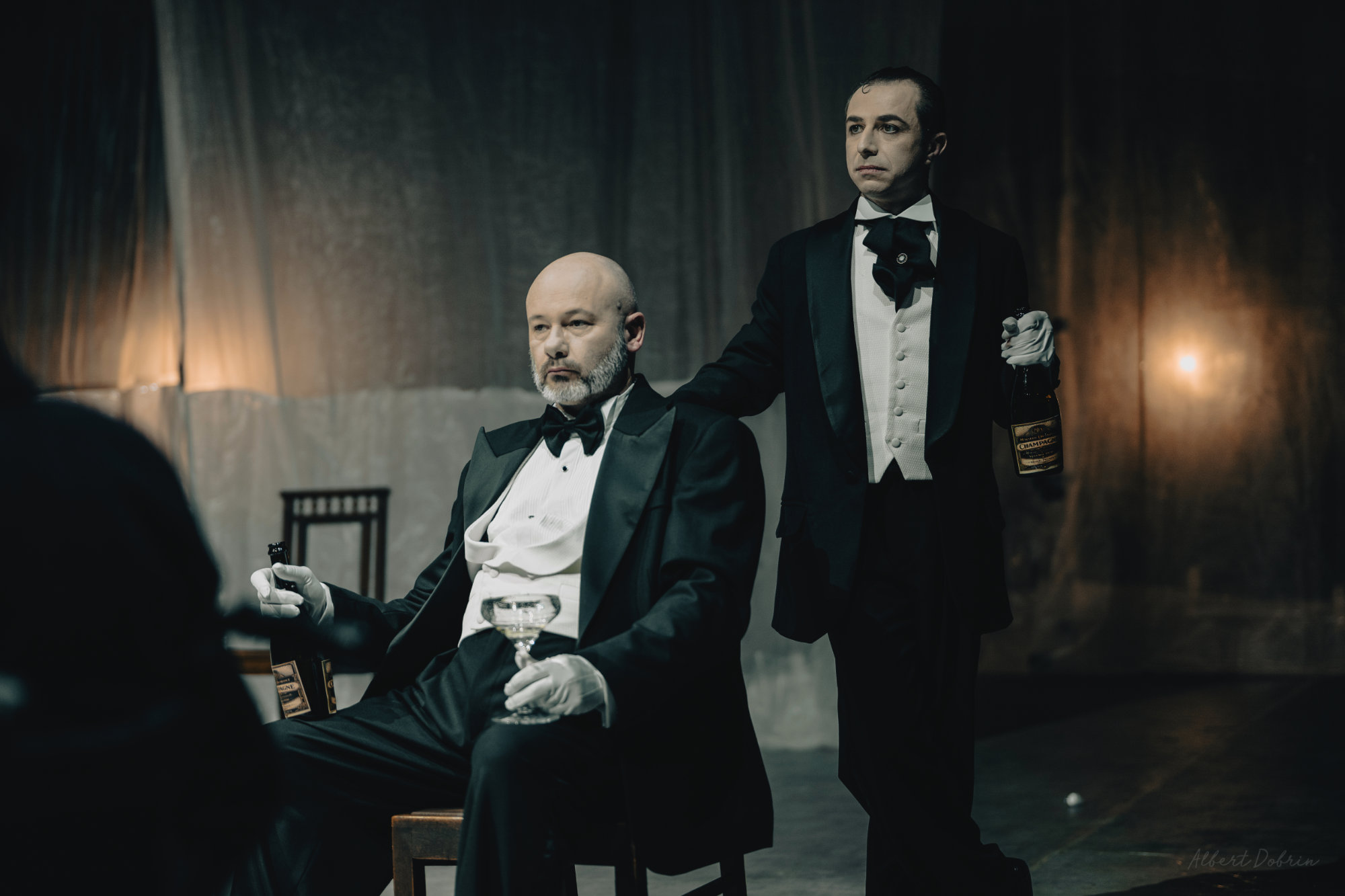
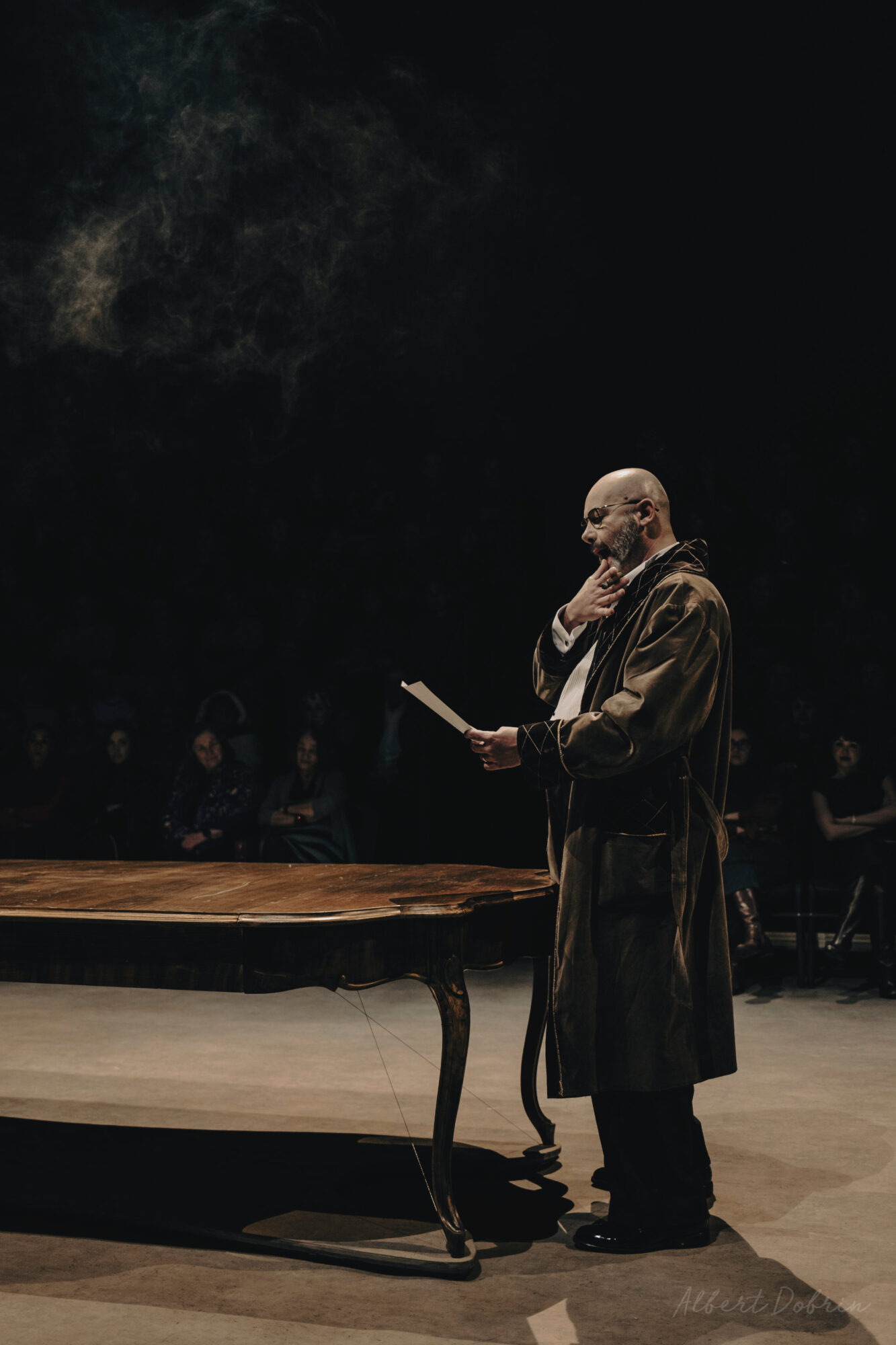
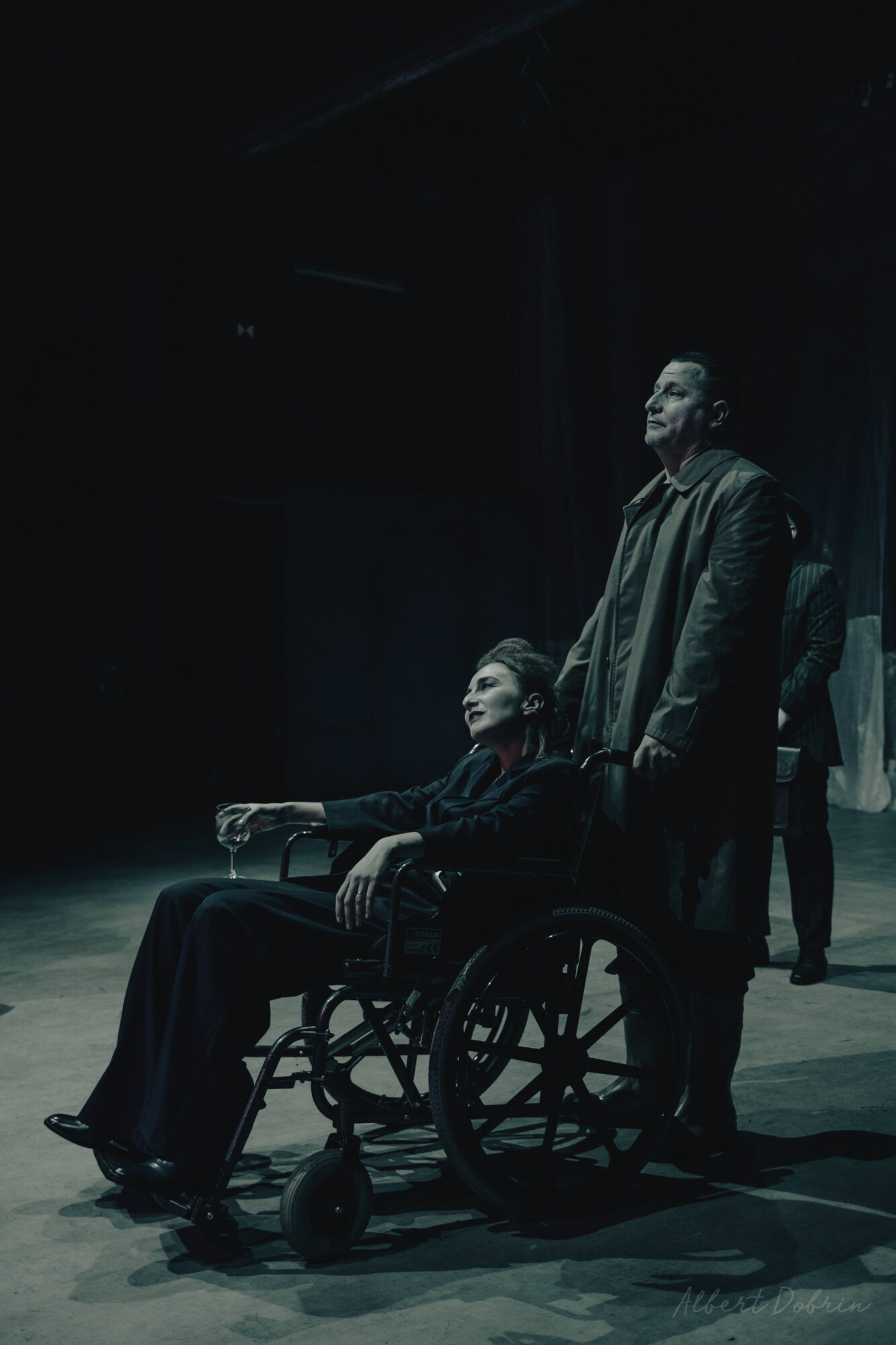
A great character in this text: Gloucester. And an impeccable Actor: Sorin Leoveanu. A fool at the ball, well-drunk with champagne, unsure of his balance, cunning and in a Bacchic mood, slightly detached from reality and still haunted by the story of the two sons, Edmund, the illegitimate, and Edgar, the extravagant (…) Sorin Leoveanu immerses himself in this character and carries him throughout the show like a double. In words, in looks, in silences, in gestures, in despair, in cigar smoke, in a perfect enunciation, with a perfect technique, an exercise in maturity and a Purcărete code from which he does not deviate at all.
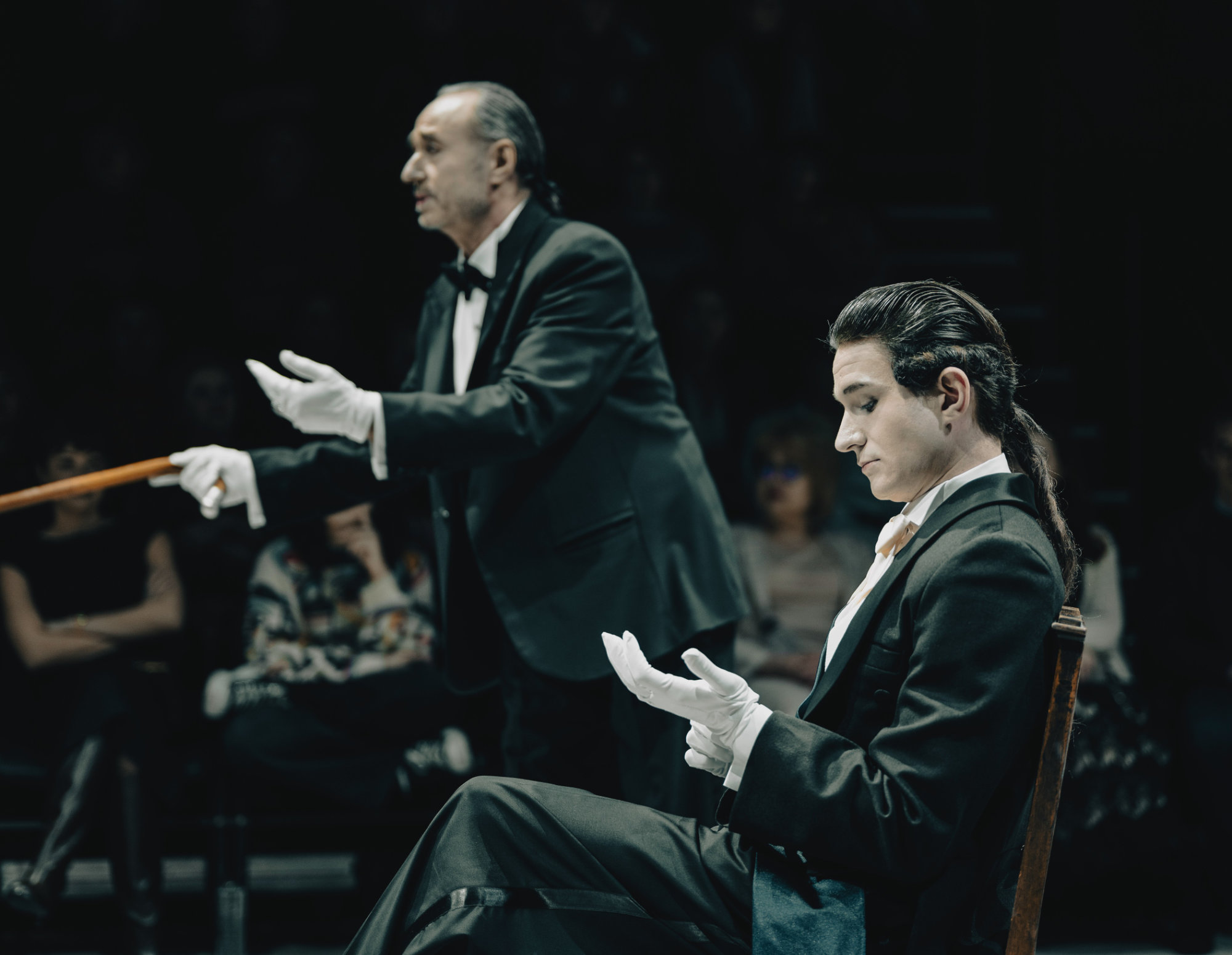
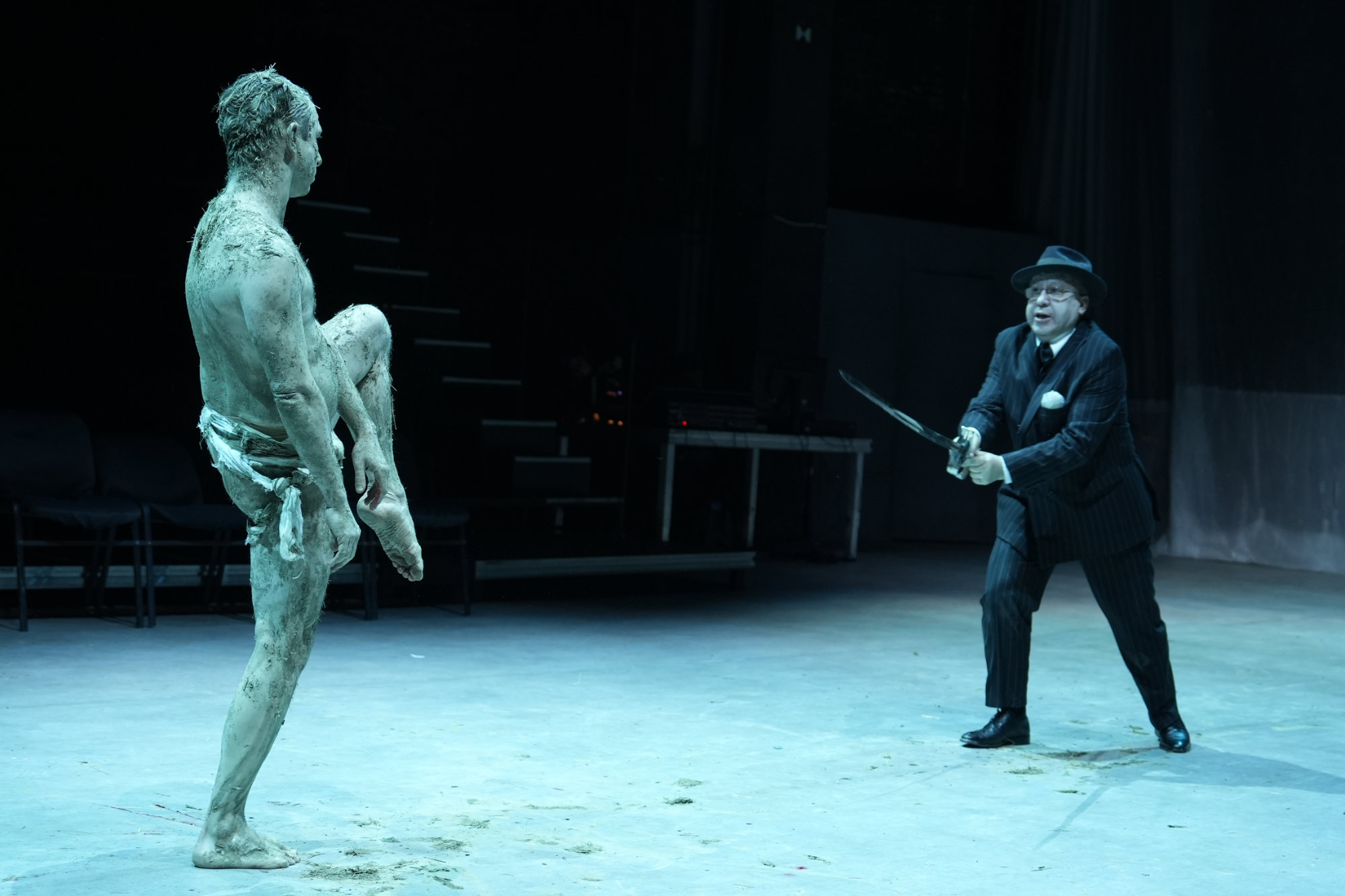
A major stage construction is George Albert Costea's Edgar. Impressive. Jumps from one register to another. A perfectly chosen tonality. A noble delivery. A character a little playful in his bitterness. Without any slip into melodramaticism. Who speaks the end of the show dryly, whitely, like a sentence.”
Marina Constantinescu, A Game. And Its Consequences (I), Literary Romania,
10/2026
https://romanialiterara.com/2026/03/un-joc-si-consecintele-lui-i/
„King Lear is a dense, thick text, with strong themes. Silviu Purcărete's performance is harsh, unforgiving, oppressive, direct. Frustration. (…) A performance like an anatomical study of the diabolical and defiant mind of man. A study of the types of power and paranoia, of madness and insanity, a cynical study, like the play, incarnate, visceral and intense. (…) Purcărete creates a performance-study about love. About the dangerous game of power that alters humanity, responsibility and, ultimately, dignity. (…) Vasile Șirli's music pinches, whips, mourns. Purcărete's sirens. The sirens of wars that darken the earth. (…)
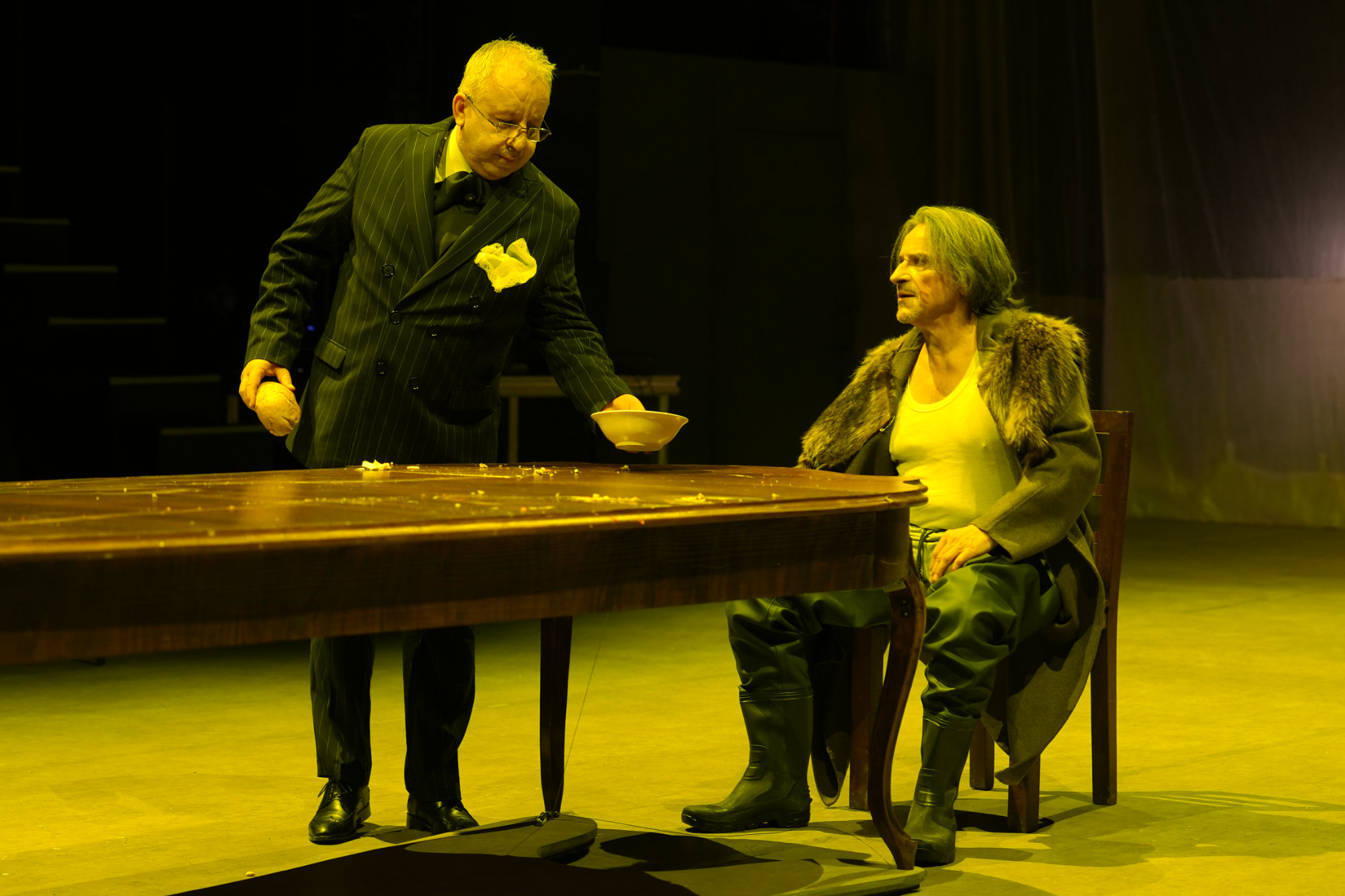
And a troupe of Actors who are still subtly researching the scores annotated by their director. A troupe like a chamber music orchestra. Perfectly tuned. Claudiu Bleonț explores a serious register, of a sweeping drama. Most of the time as if in a trance, Bleonț goes through the chain of consequences triggered by his arrogant gesture step by step.
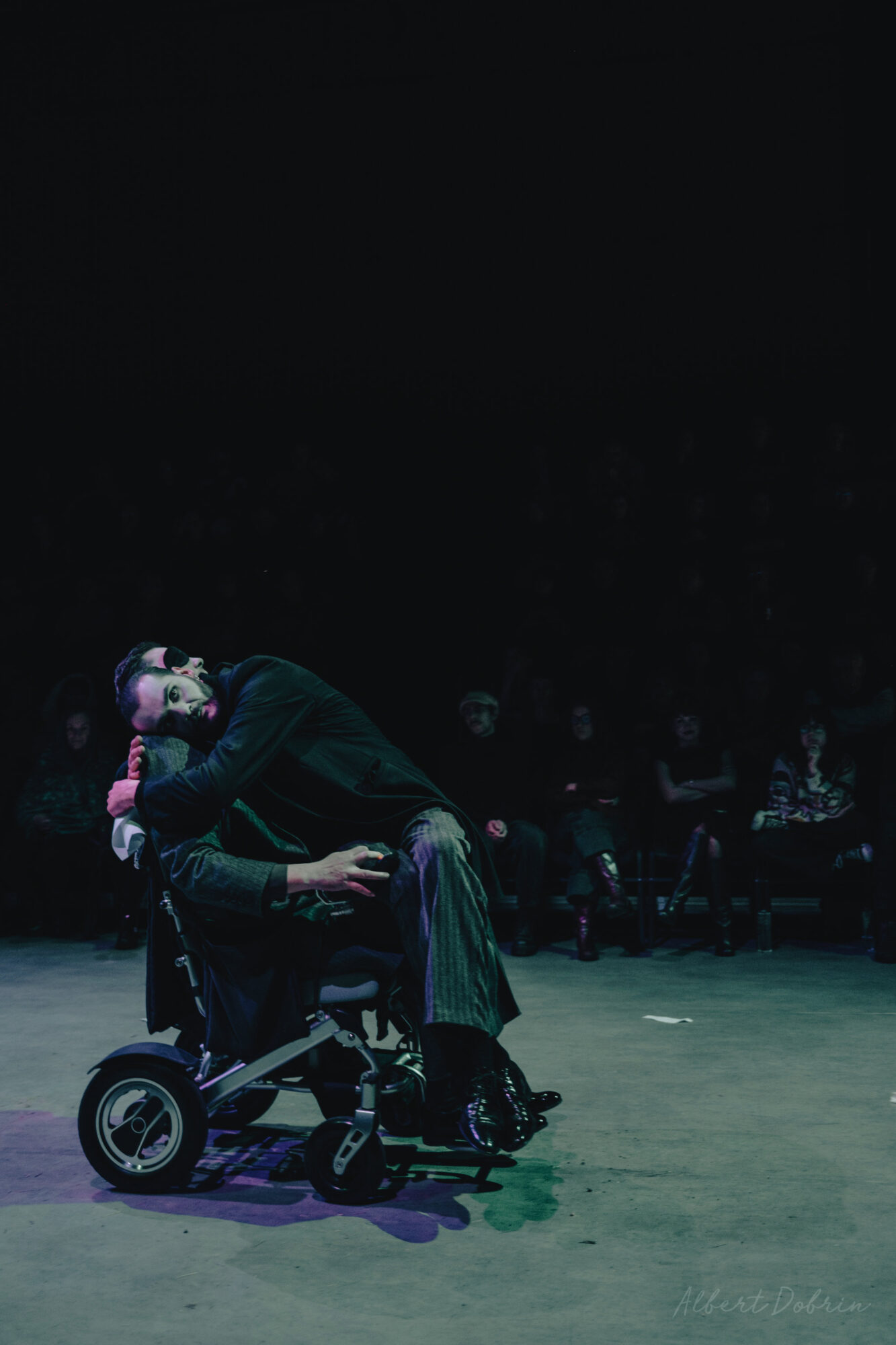
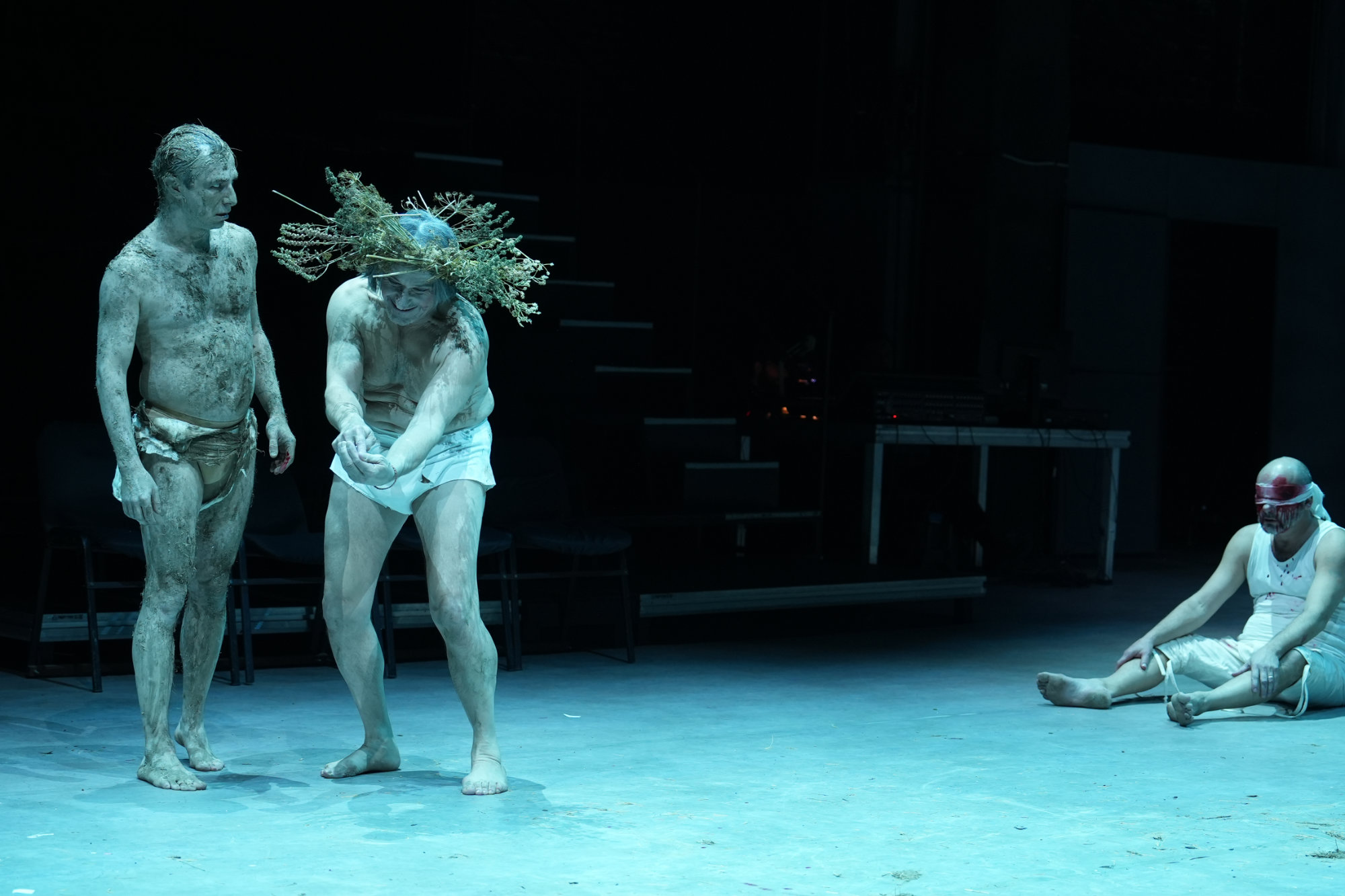
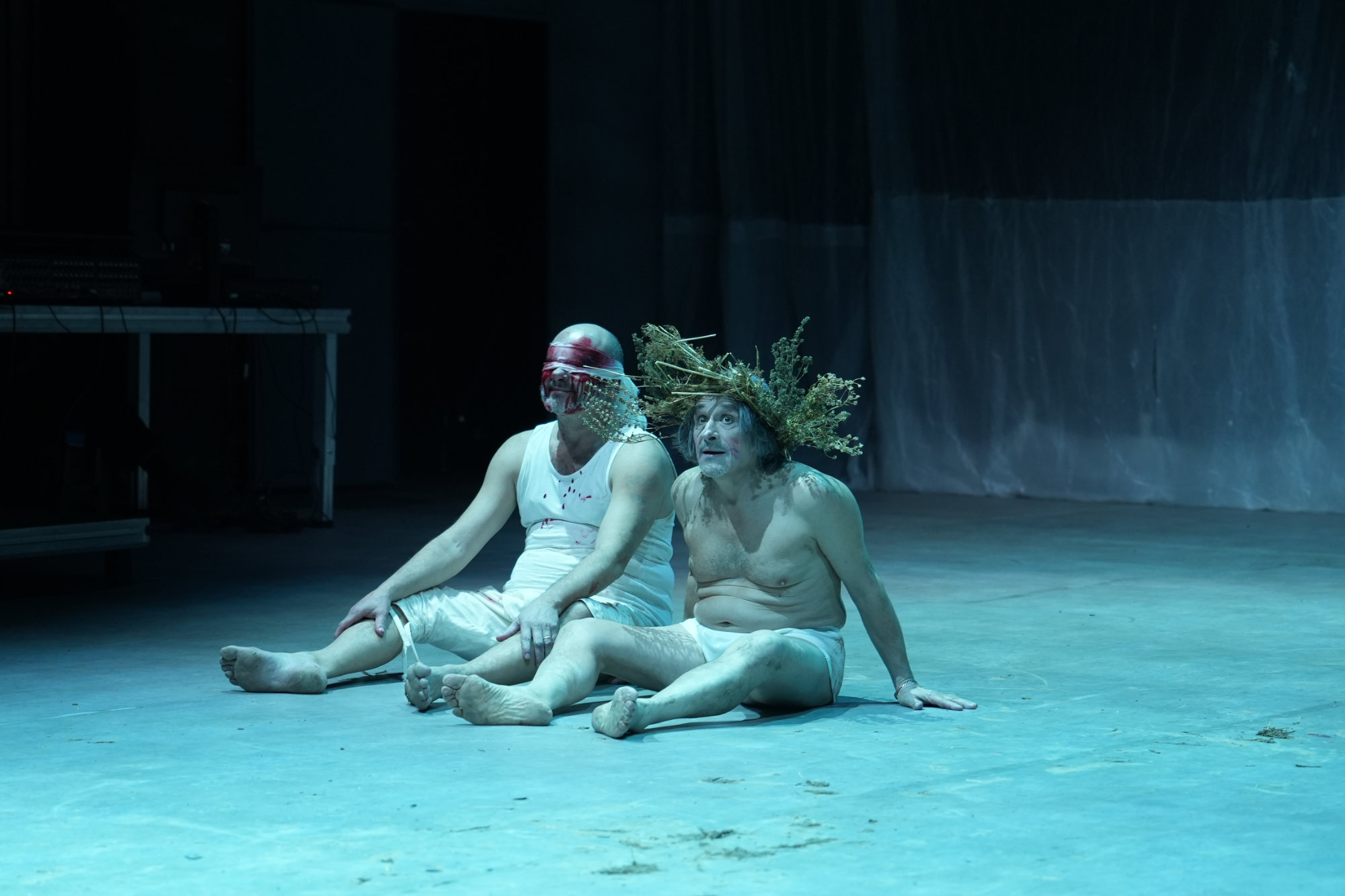
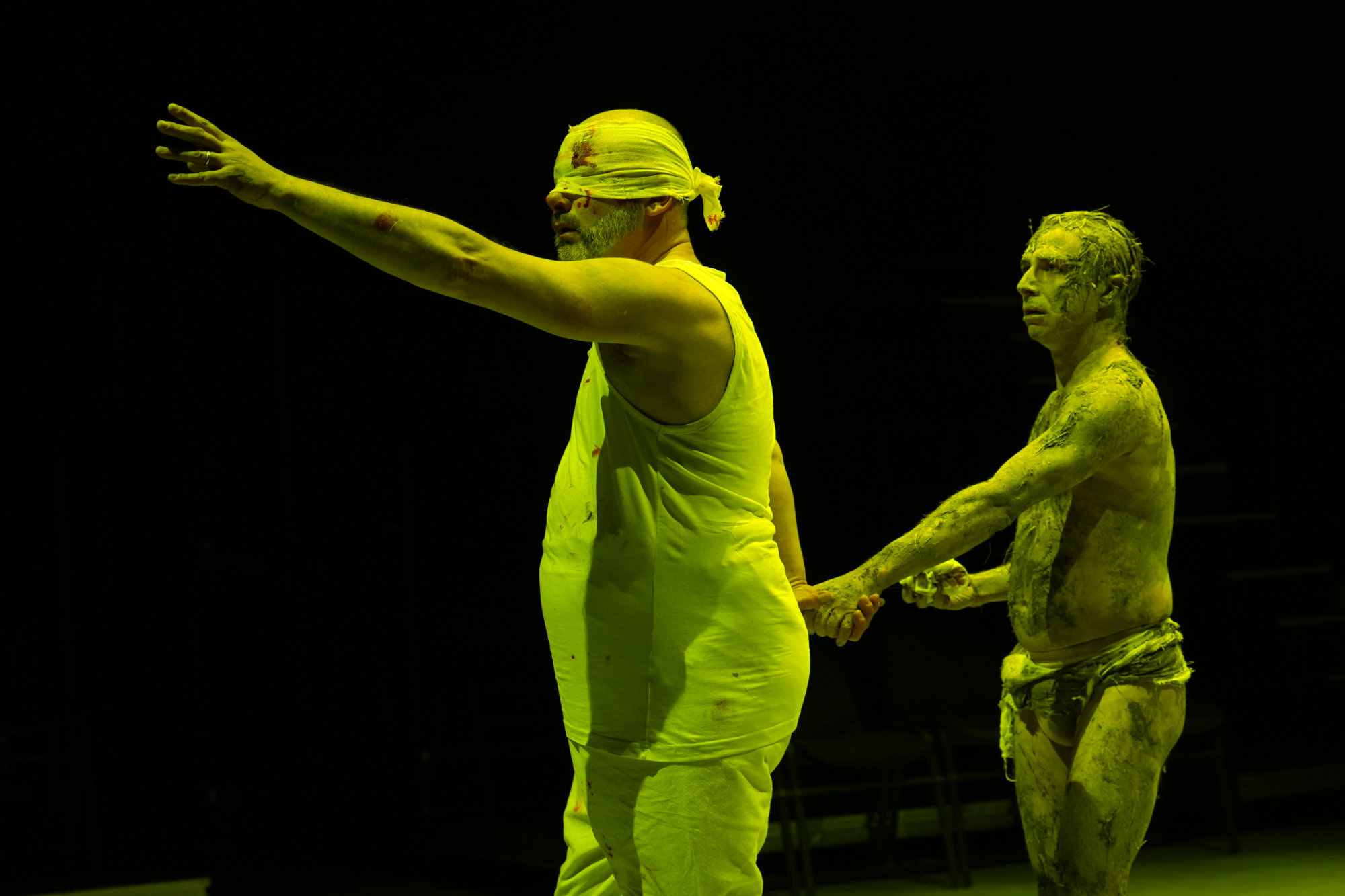
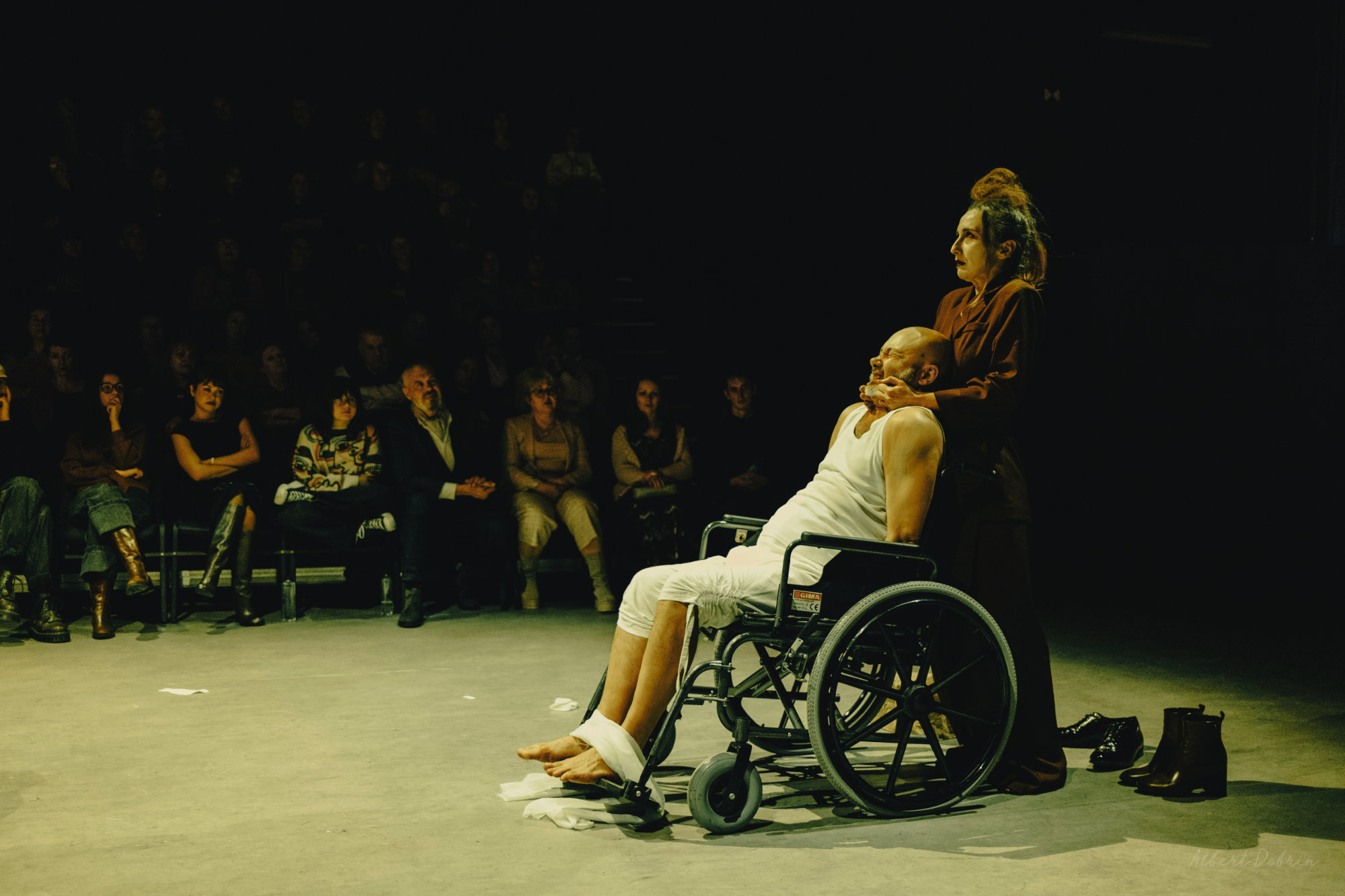
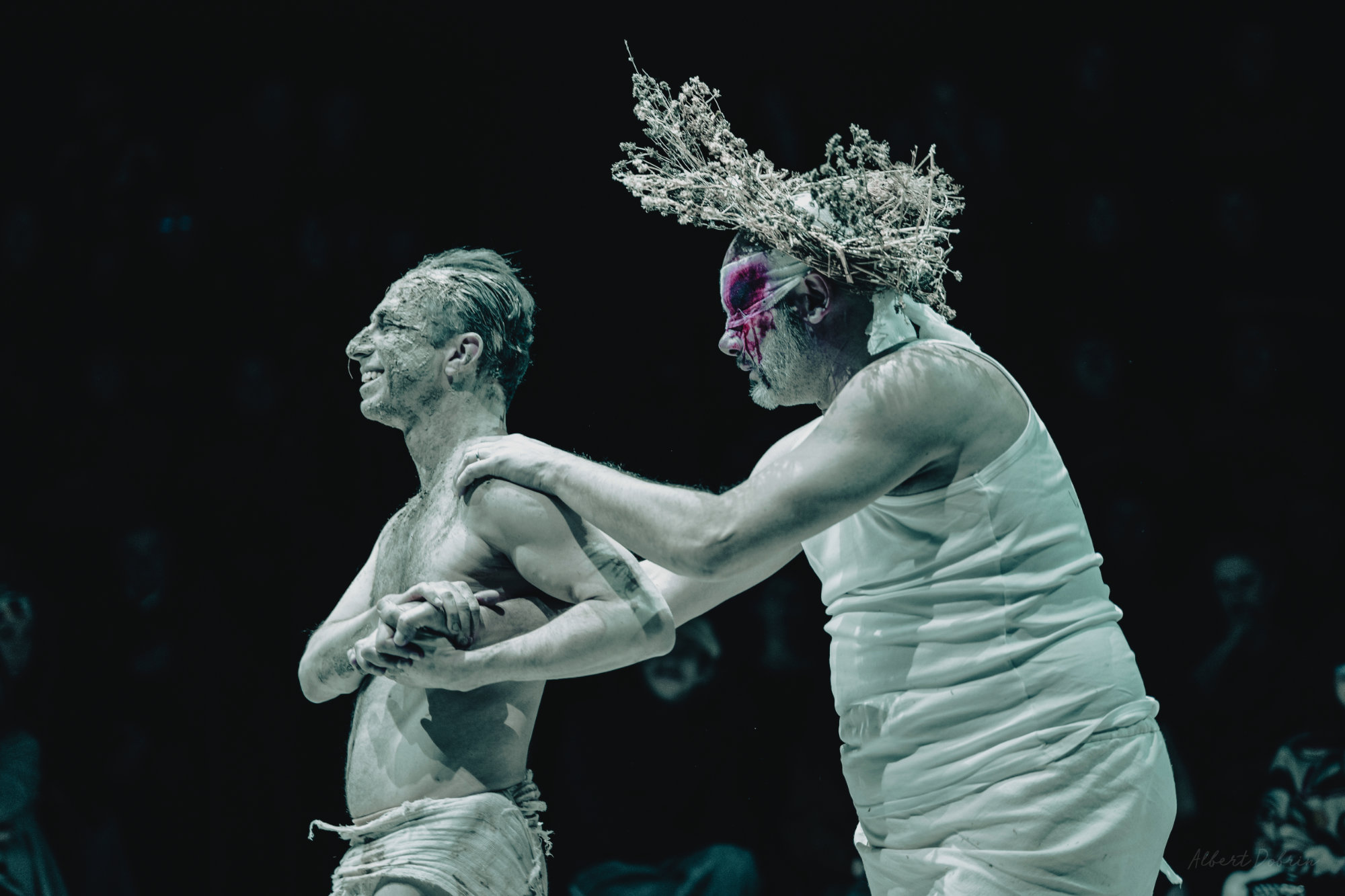
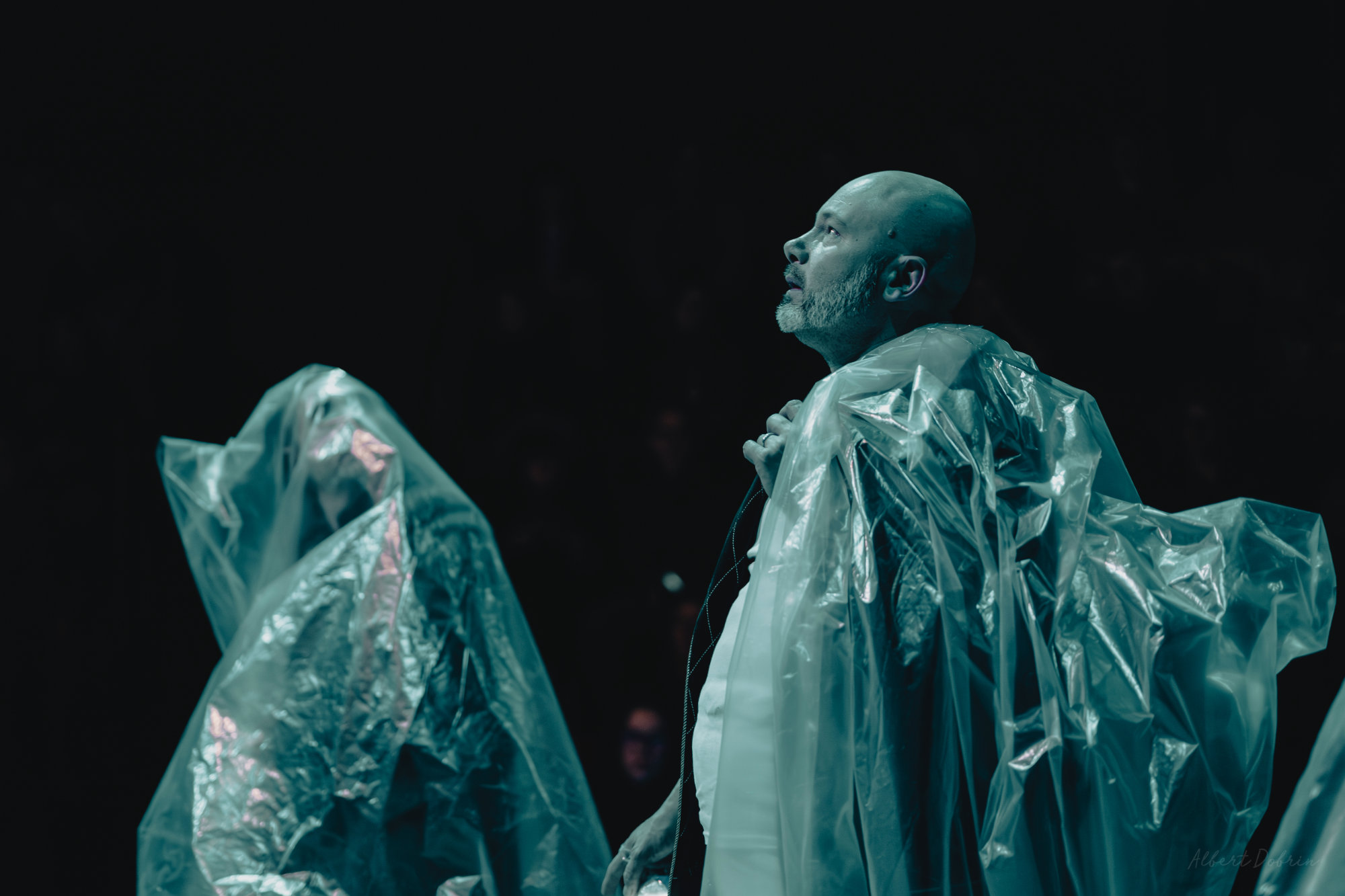
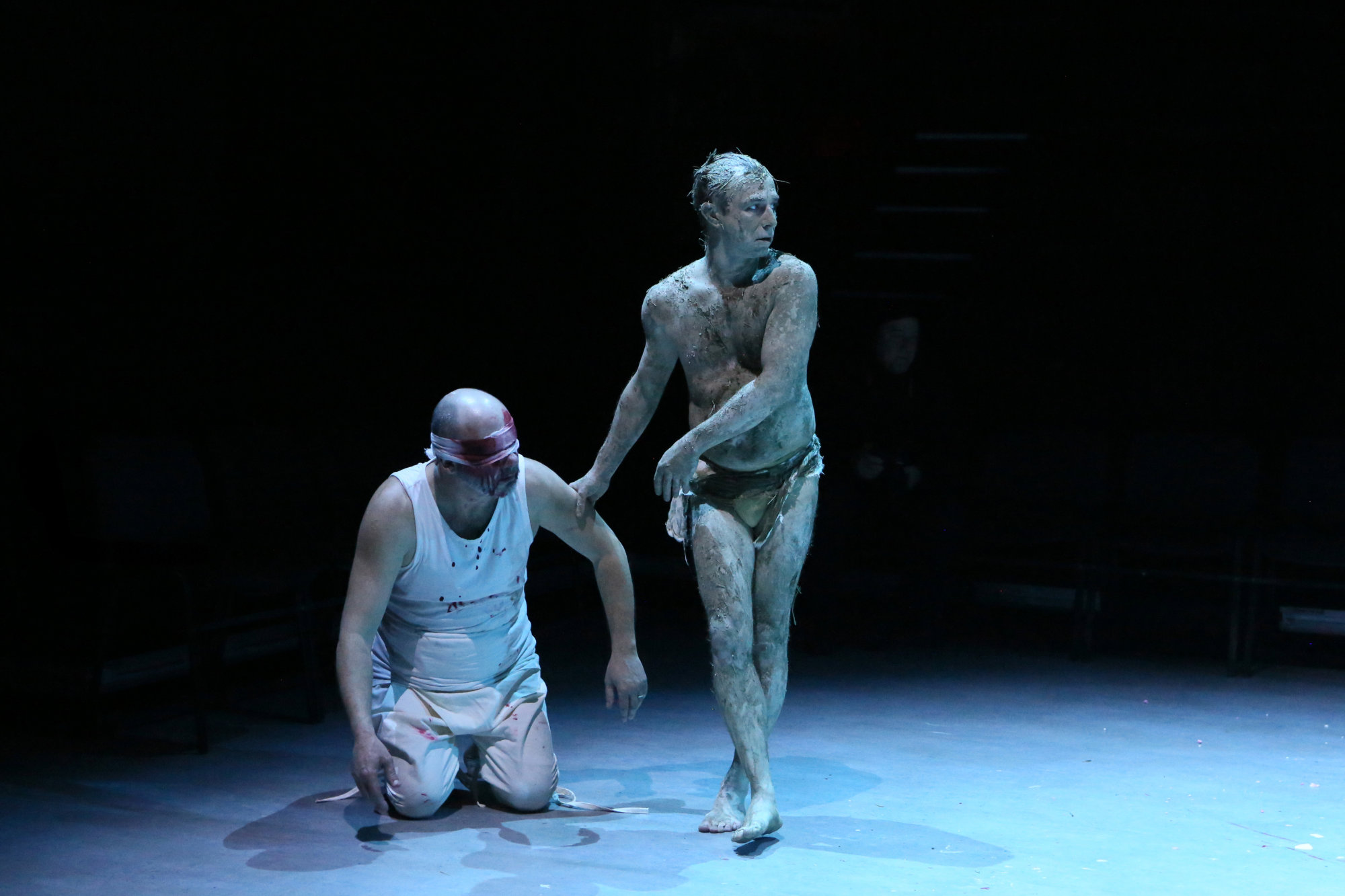
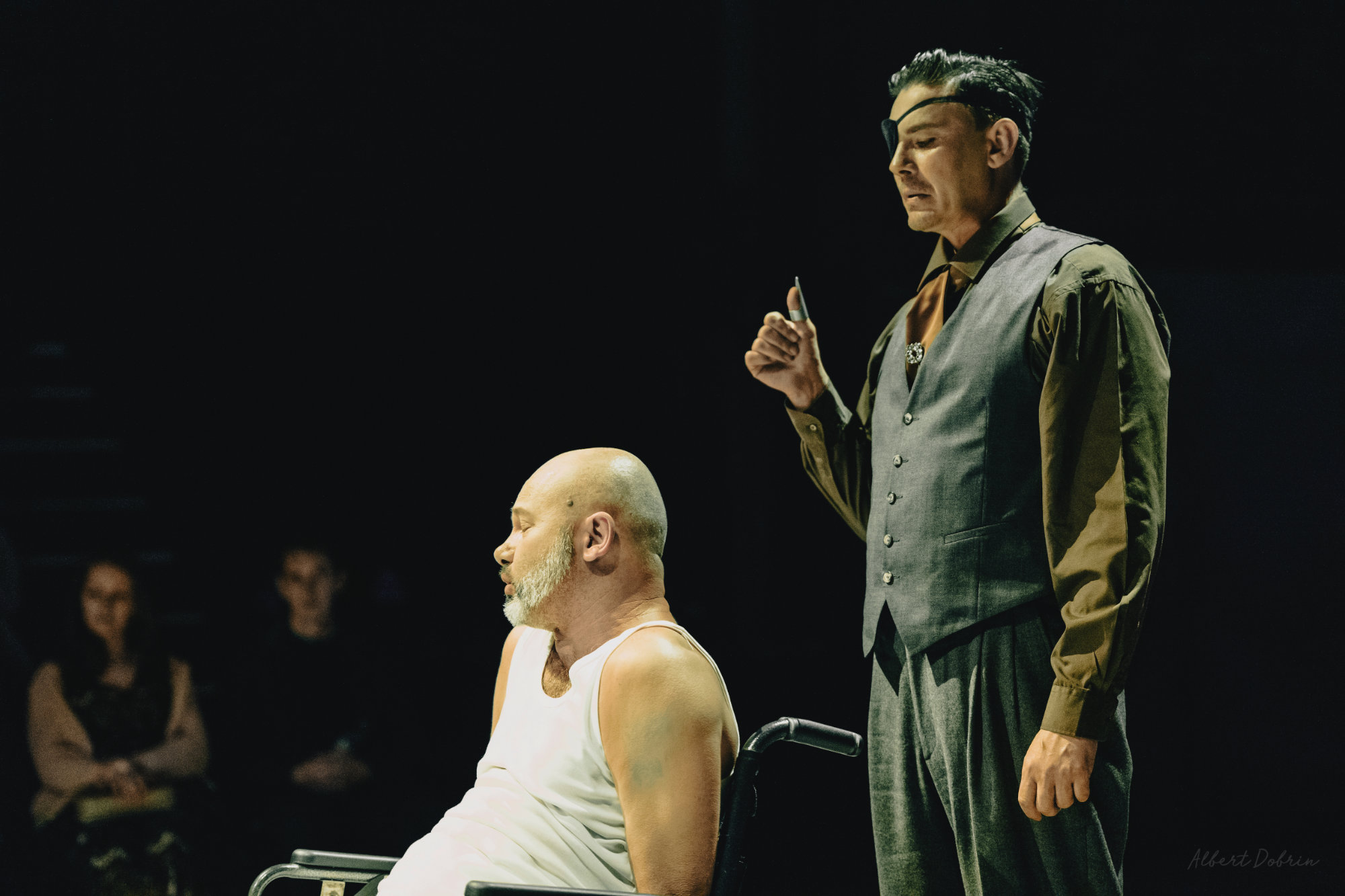
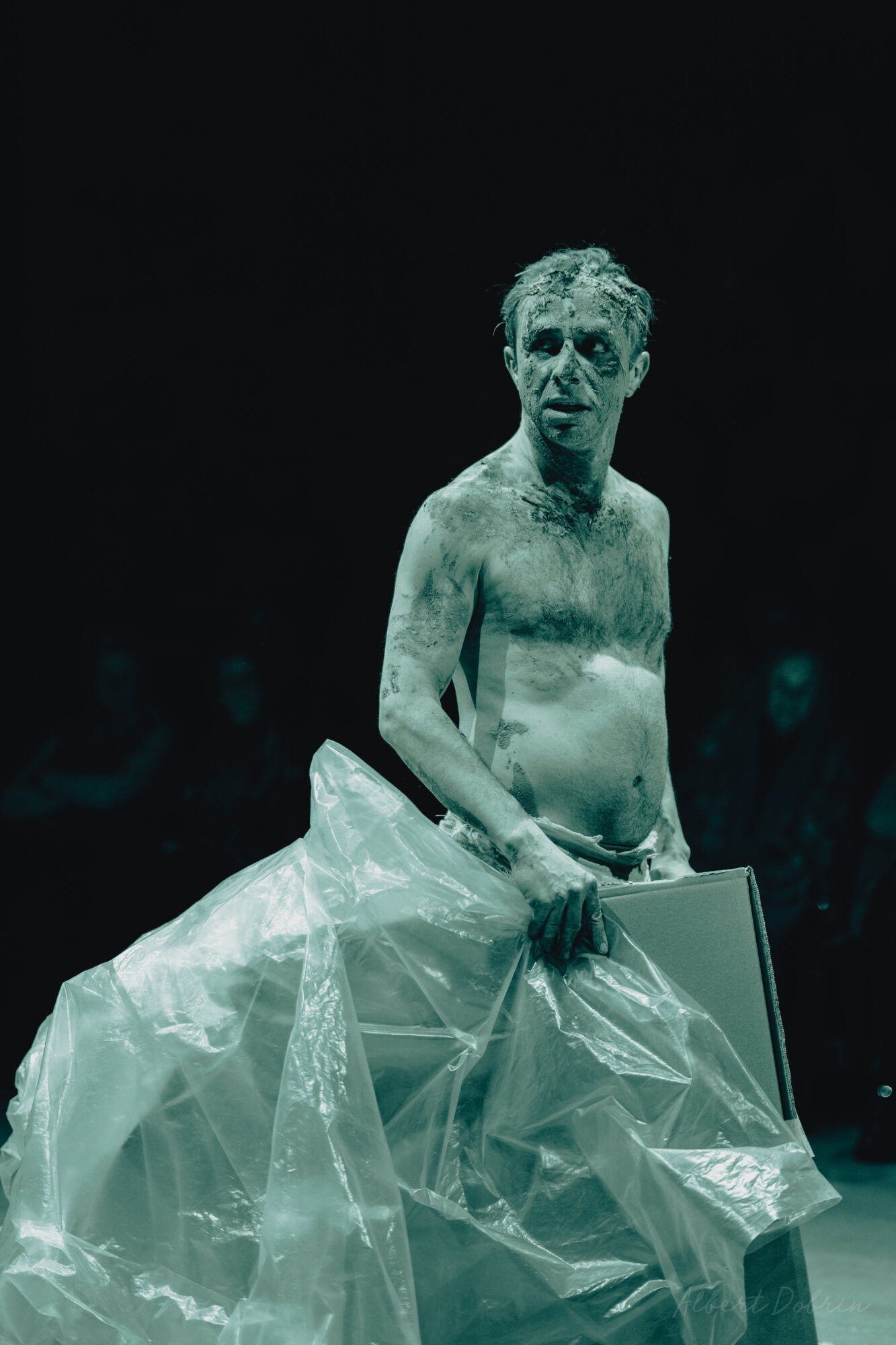
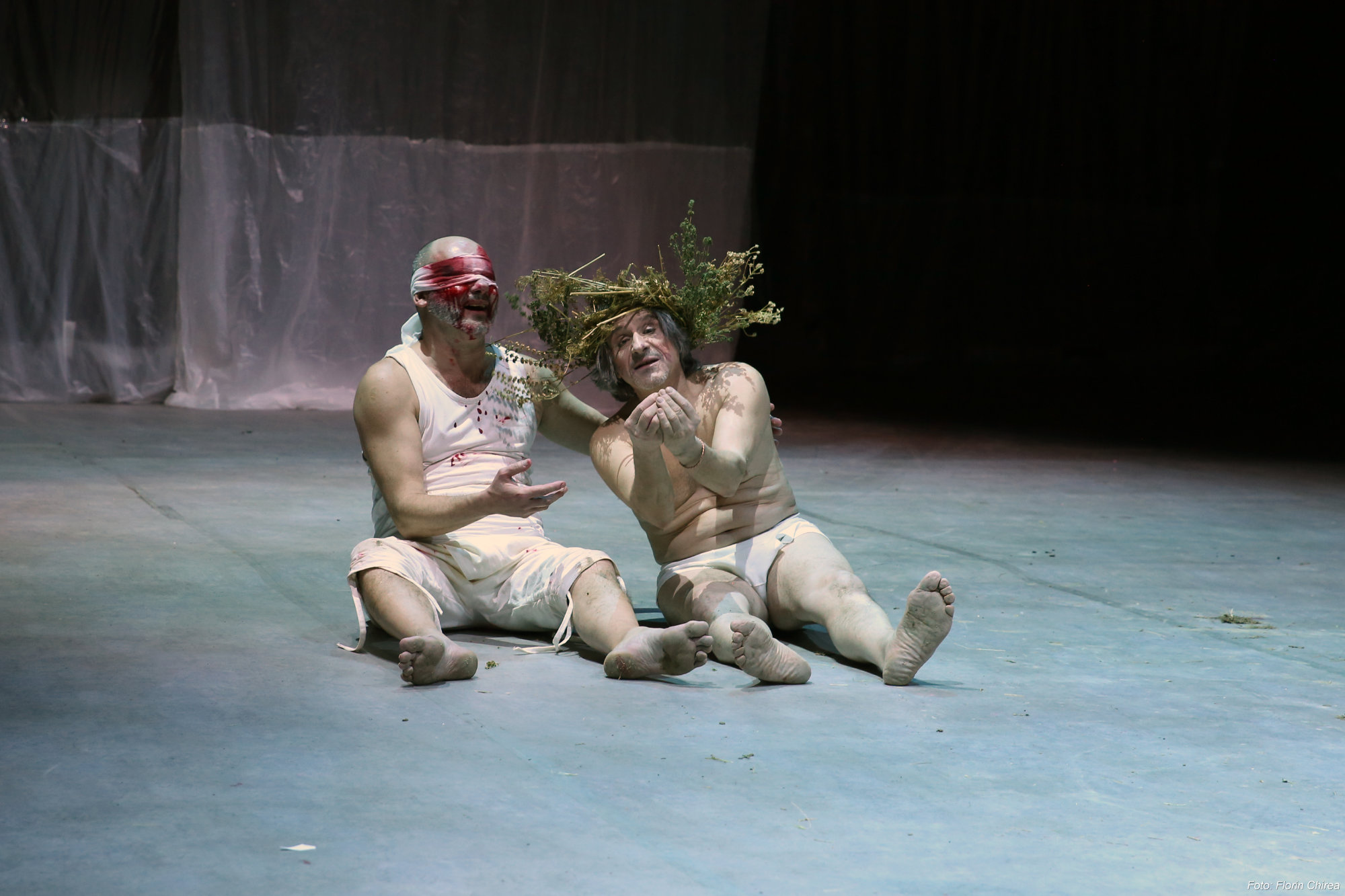
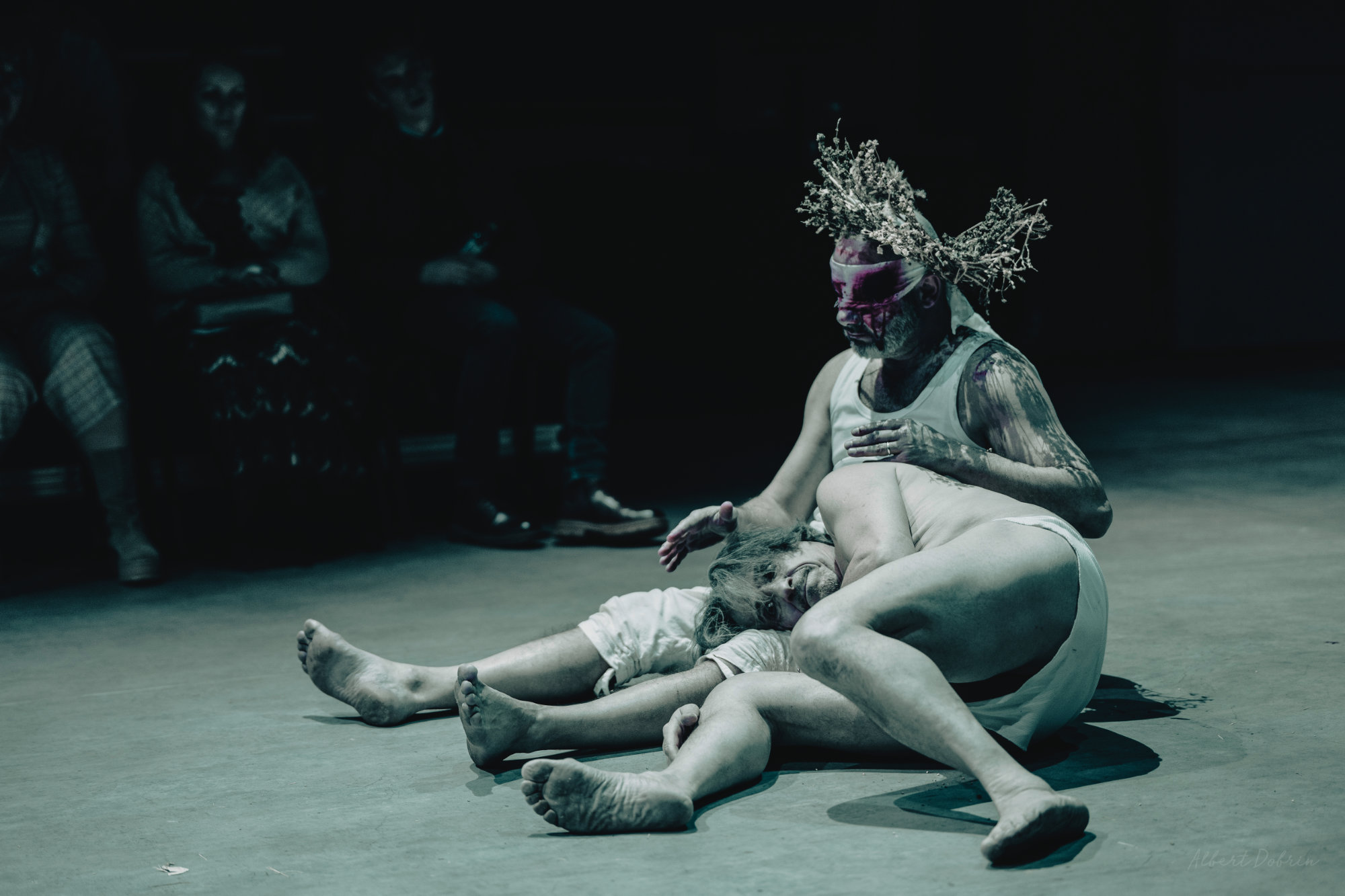
Suffering strips him of his rank. Like Ilie Gheorghe in Caliban, a memorable The Tempest by Purcărete, Bleonț-Lear is a helpless fetus, a regression that could restore the value of innocence. Like Edgar. Another fetus that discovers fatherly love, Gloucester, and how it can be declared and saved. Two "babies" embraced, in an empty space of plagues and vanities. (…)
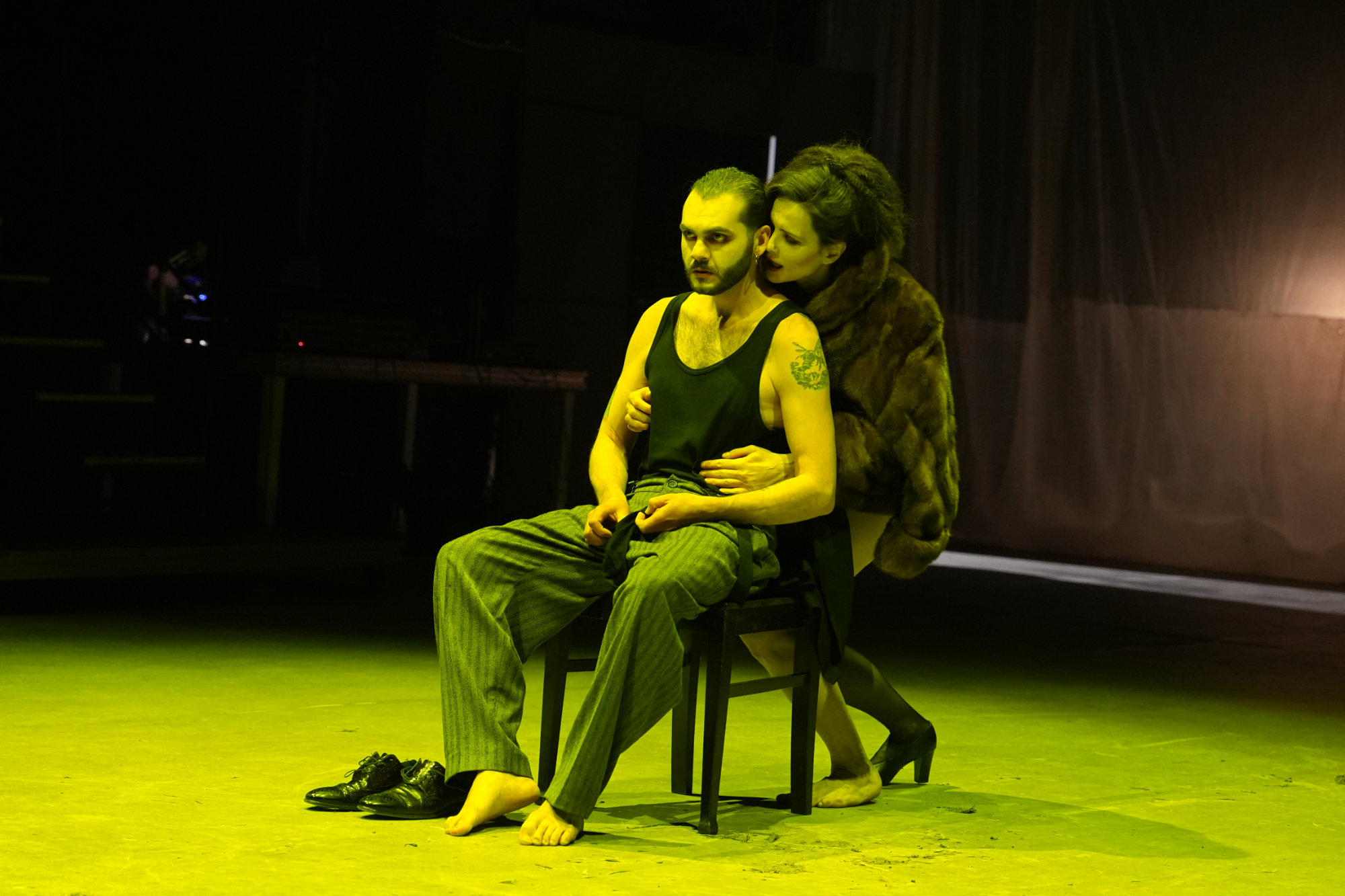
The complexity of the show and its tension raised to an almost unbreathable level comes from the actors' performance, from what and how they discovered themselves working with Purcărete. I also admired the young Ovidiu Cârstea in Edmund. A character turned on all sides by the director. I admired a great actor: Sorin Leoveanu. Finding another register and other, fresh paths, in Angel Rababoc. The exhilarating fragility of Costinela Ungureanu in Cordelia and the coordinates of an acrobatic "gnome" in Bufon, with eyes as big as amazement. Pure dramatism, emptied of cabotinism and charged with a fine, strange metaphysics. A controlled madness. (…)
King Lear by Silviu Purcărete and the National Theatre of Craiova is a lesson in the anatomy of ugliness, taught with the noblest elements of the art of beauty. Of the pure sublime of theatre.”
Marina Constantinescu, A Game and Its Consequences (II), Literary Romania,
11-12/2026
https://romanialiterara.com/2026/03/un-joc-si-consecintele-lui-ii/
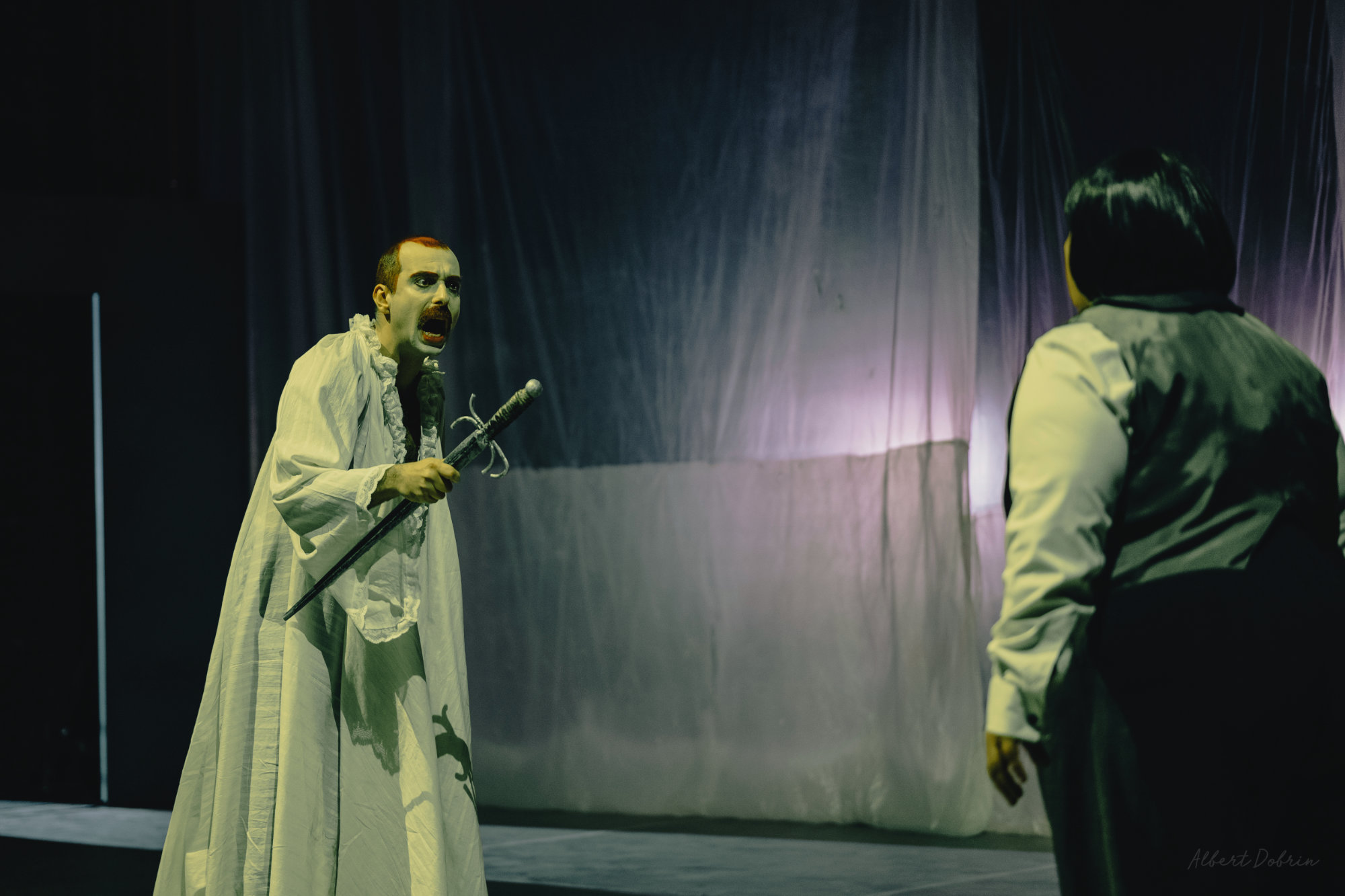
"Shakespeare always violates conventions, reverses ranks, mixes kings with fools and buffoons, amplifies despair, terror, and in this spirit of amazement and trembling, Silviu Purcărete's performance goes to the core of the tragedy, to the heart of the tragedy. (…) Lear is a character of overwhelming force, the scene of Cordelia's expulsion shows aggressive irrationality, and Claudiu Bleonţ plays pride and disappointment with maximum intensity and yet keeps reserves for the next stages of despair. (…)
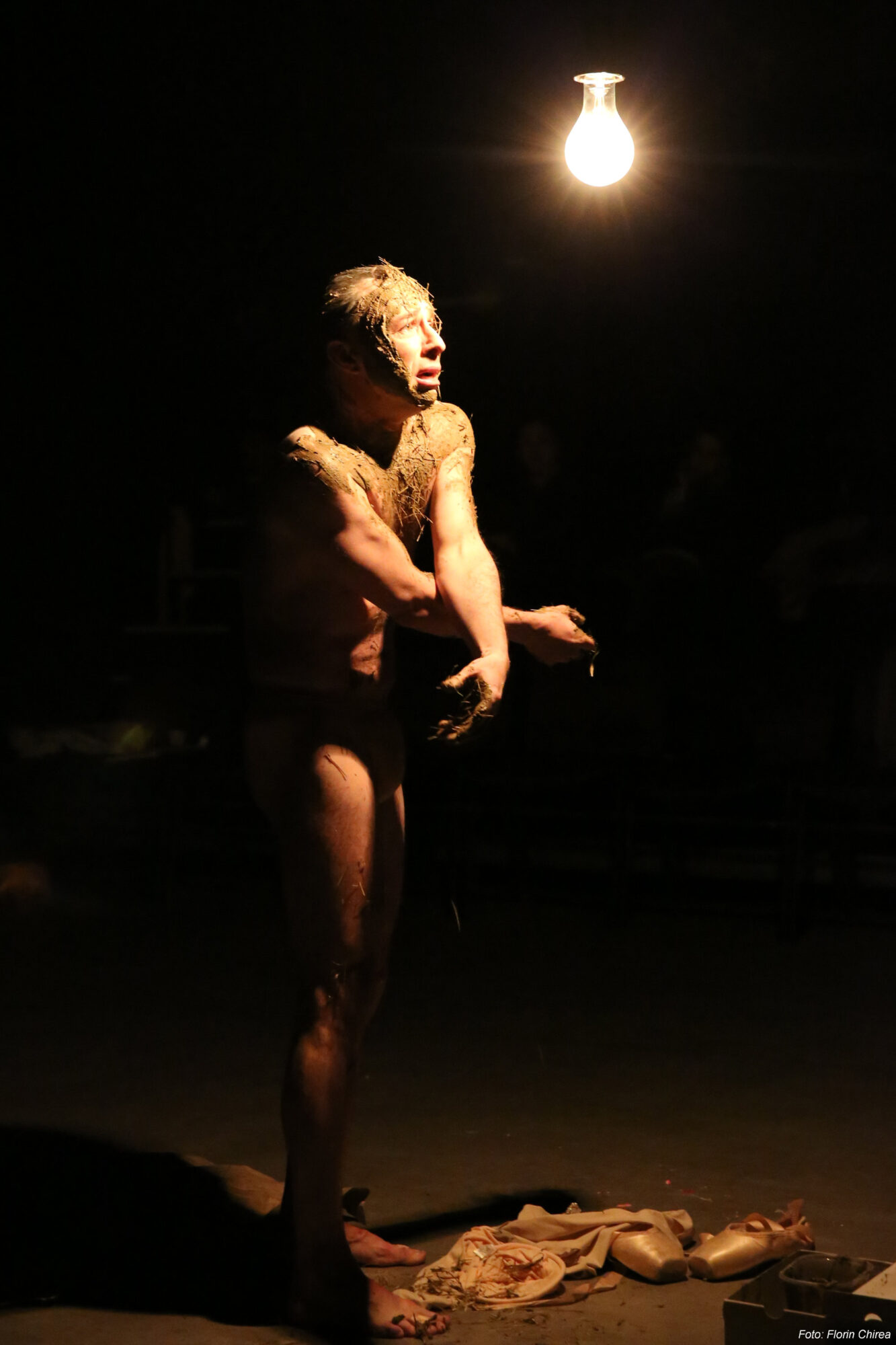
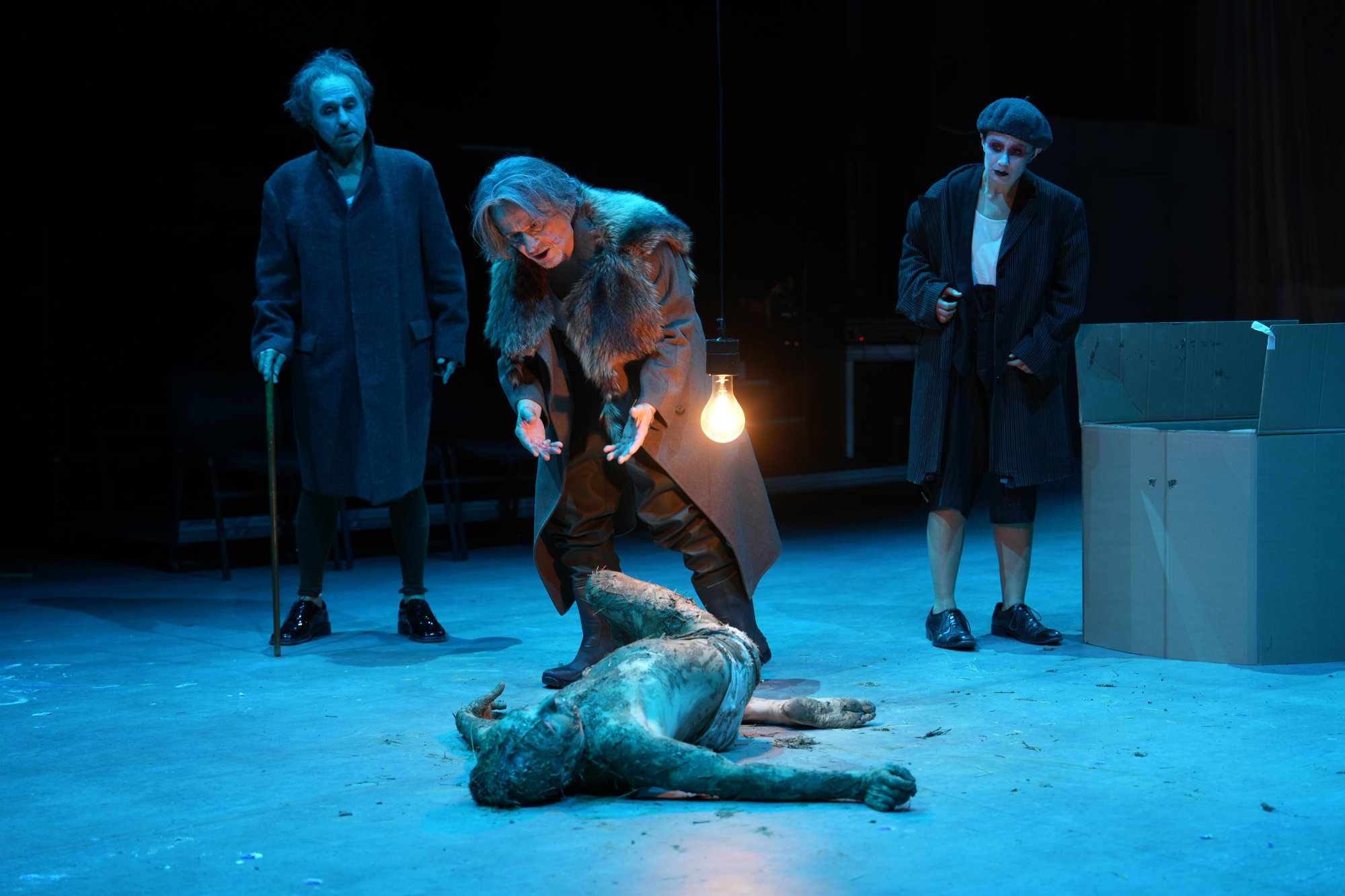
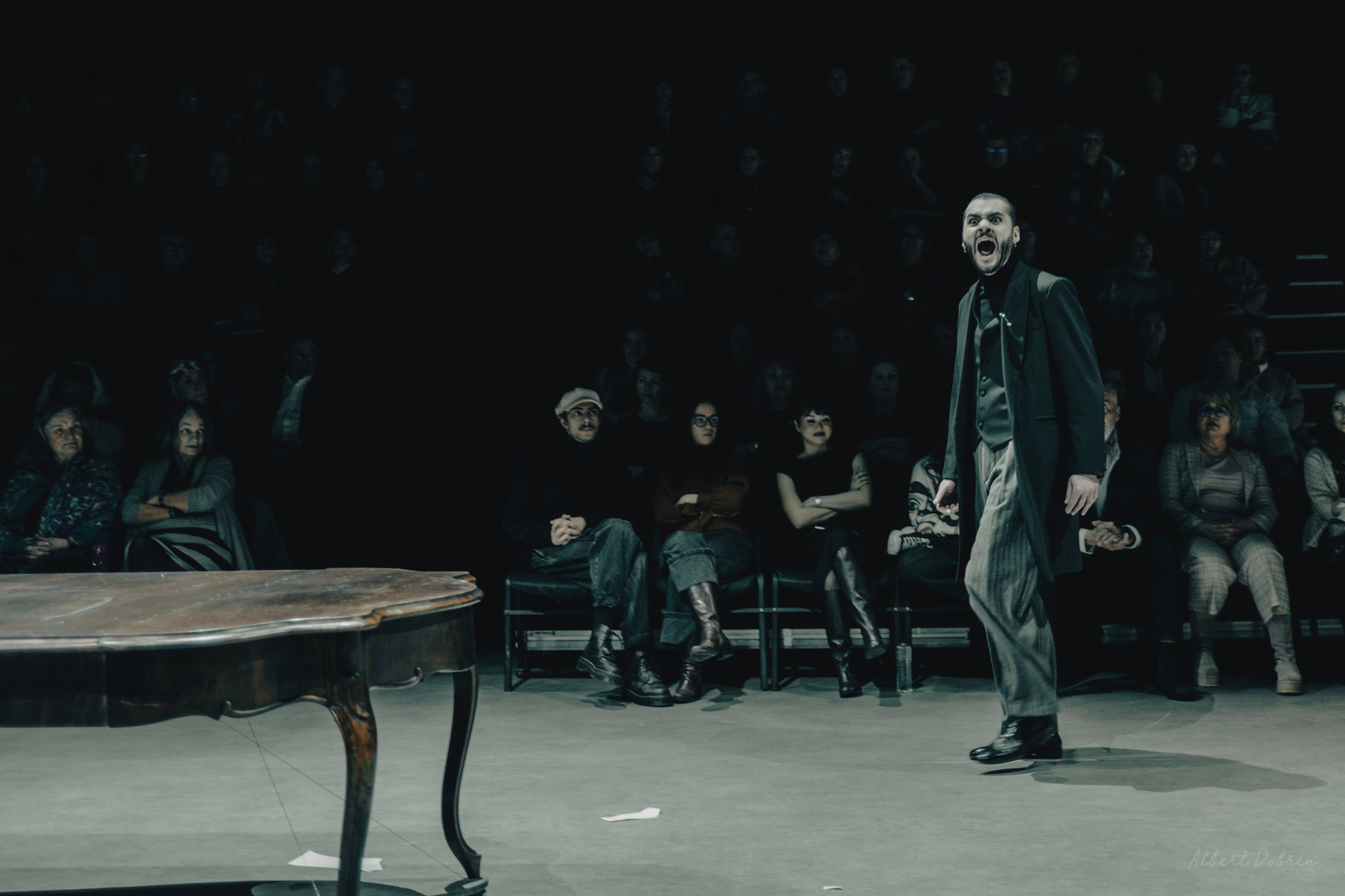
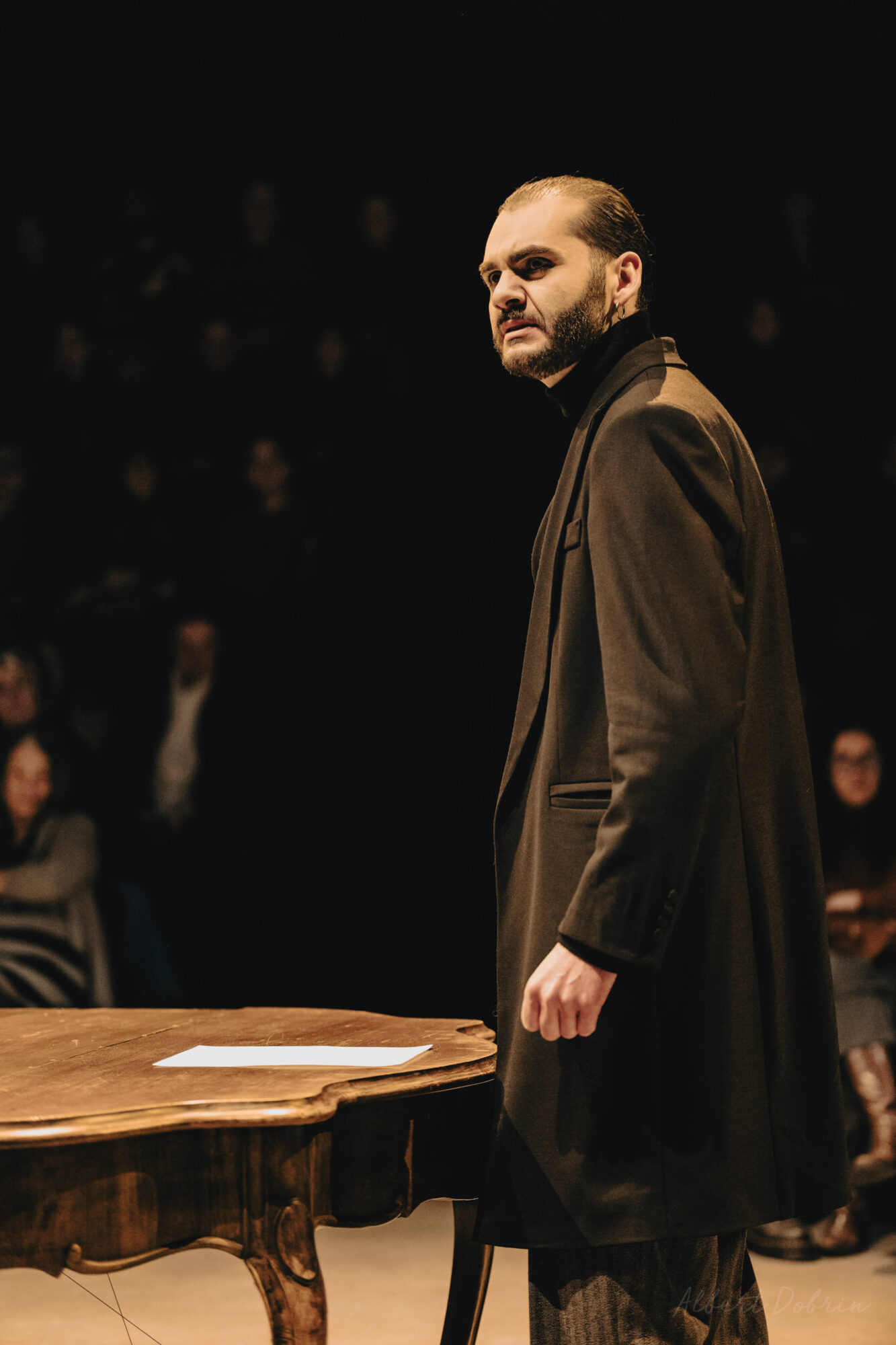
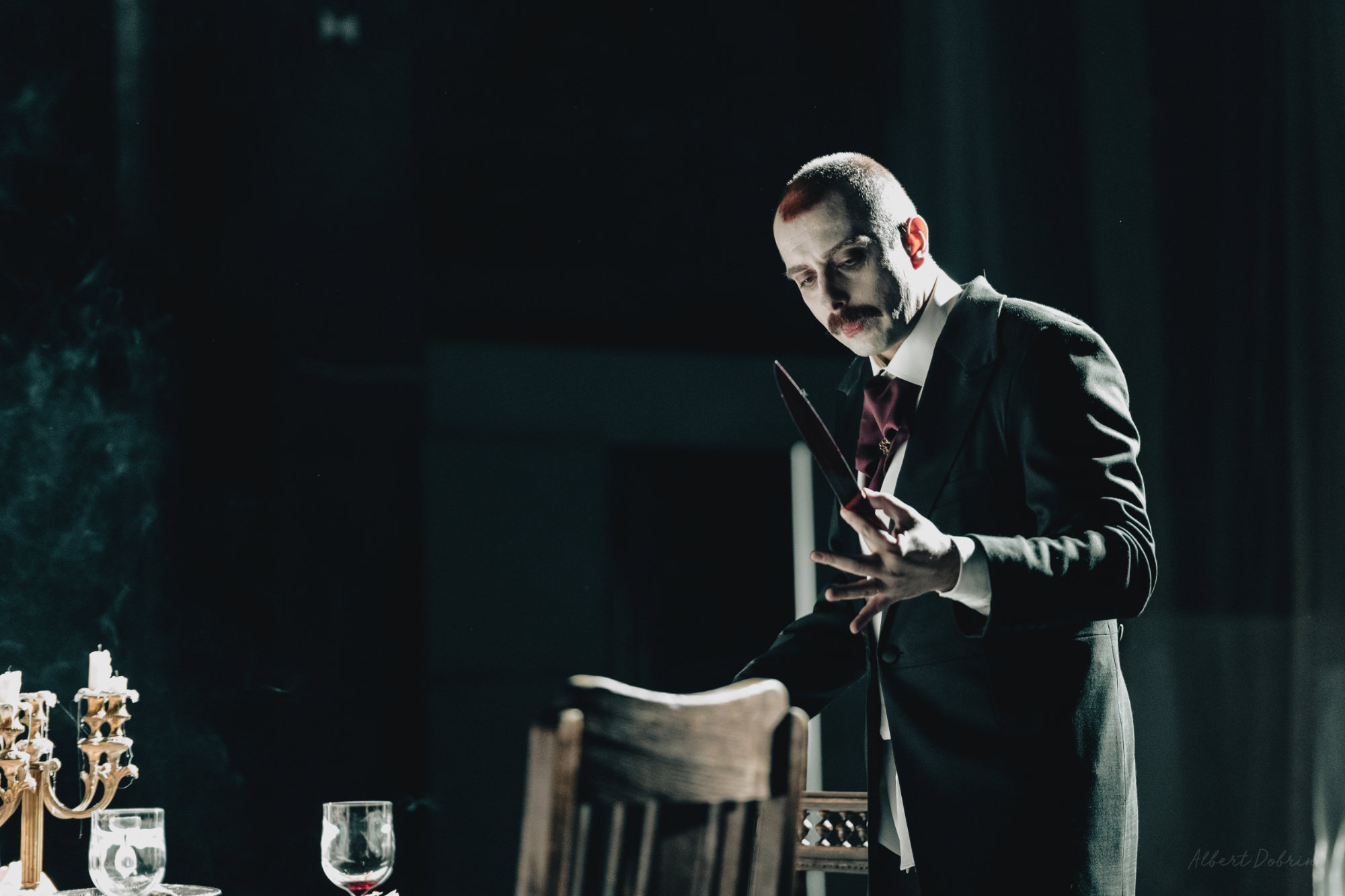
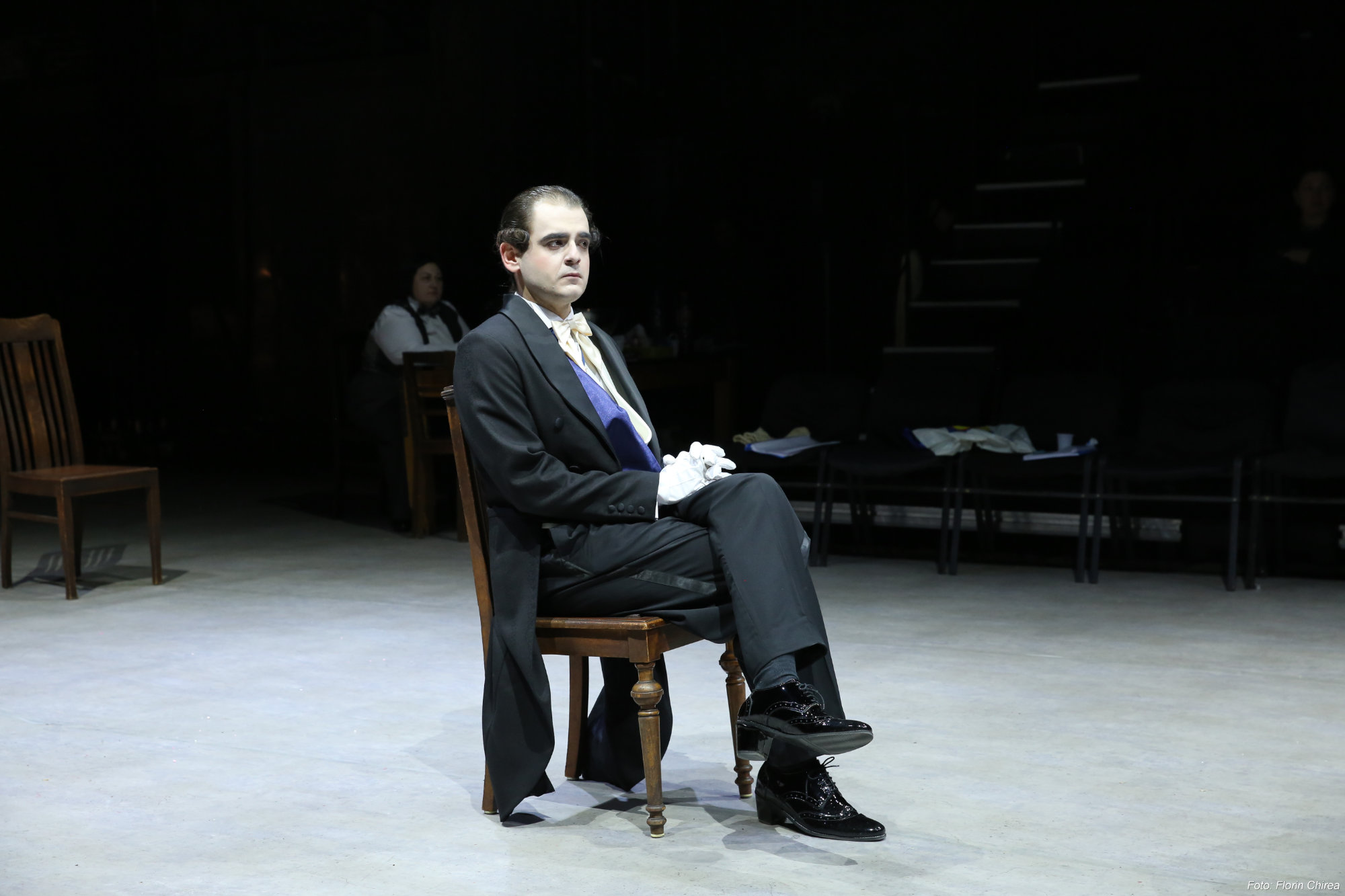
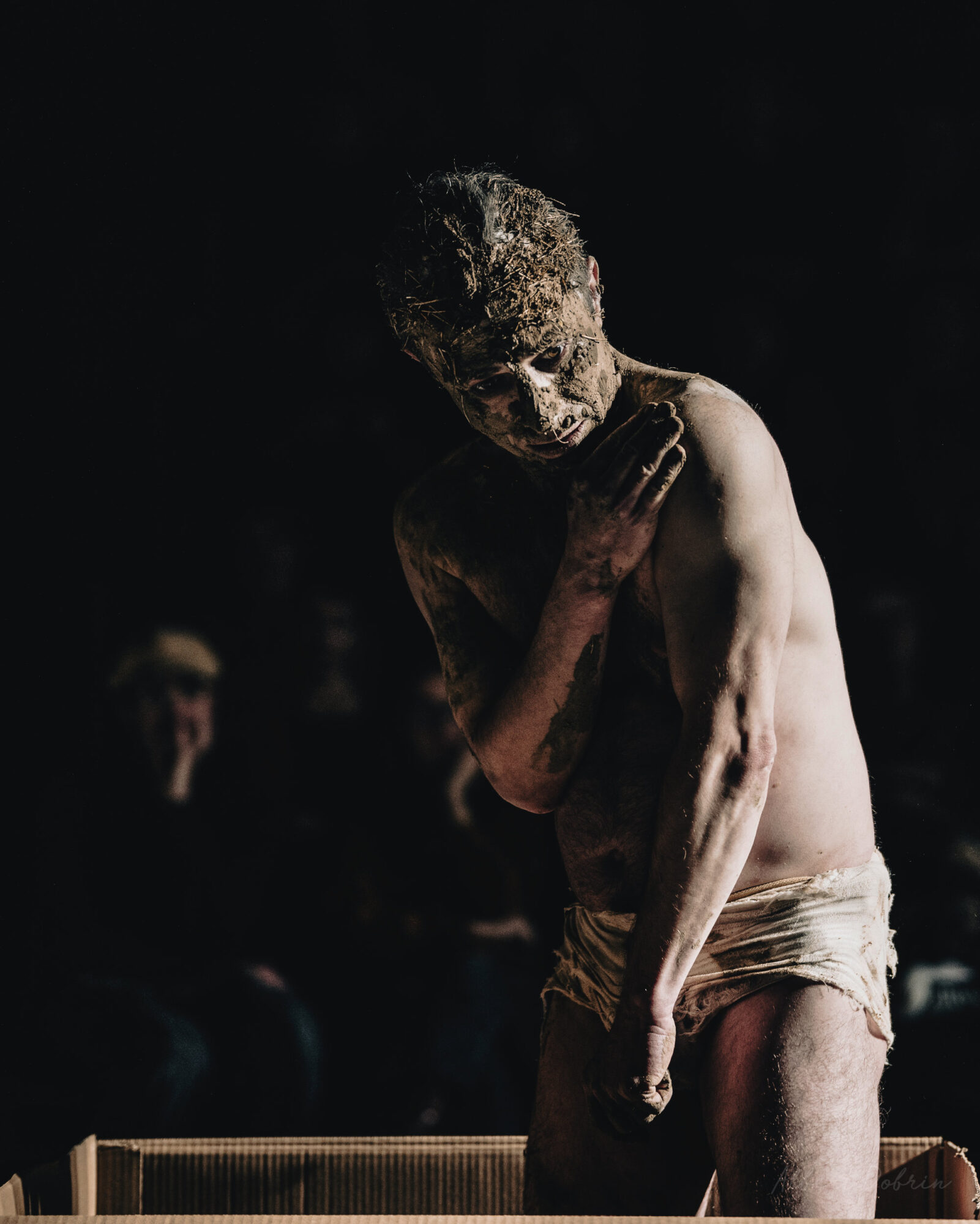
Edmund is a splendid strategist of evil, and Edgar, at the opposite pole, innocent of all accusations. George Albert Costea is a diaphanous appearance, banished, fallen into Edmund's trap, Edgar has a heartbreaking speech. By smearing himself with mud, the scene of disguise as a beggar is more authentic. The transvestite in this assumed / made-up character is something special. (…) Ovidiu Cârstea is the surprise of the show, he encompasses the complexity of Edmund, he is both a dramatic force and a force of persuasion in his interpretation. (…)
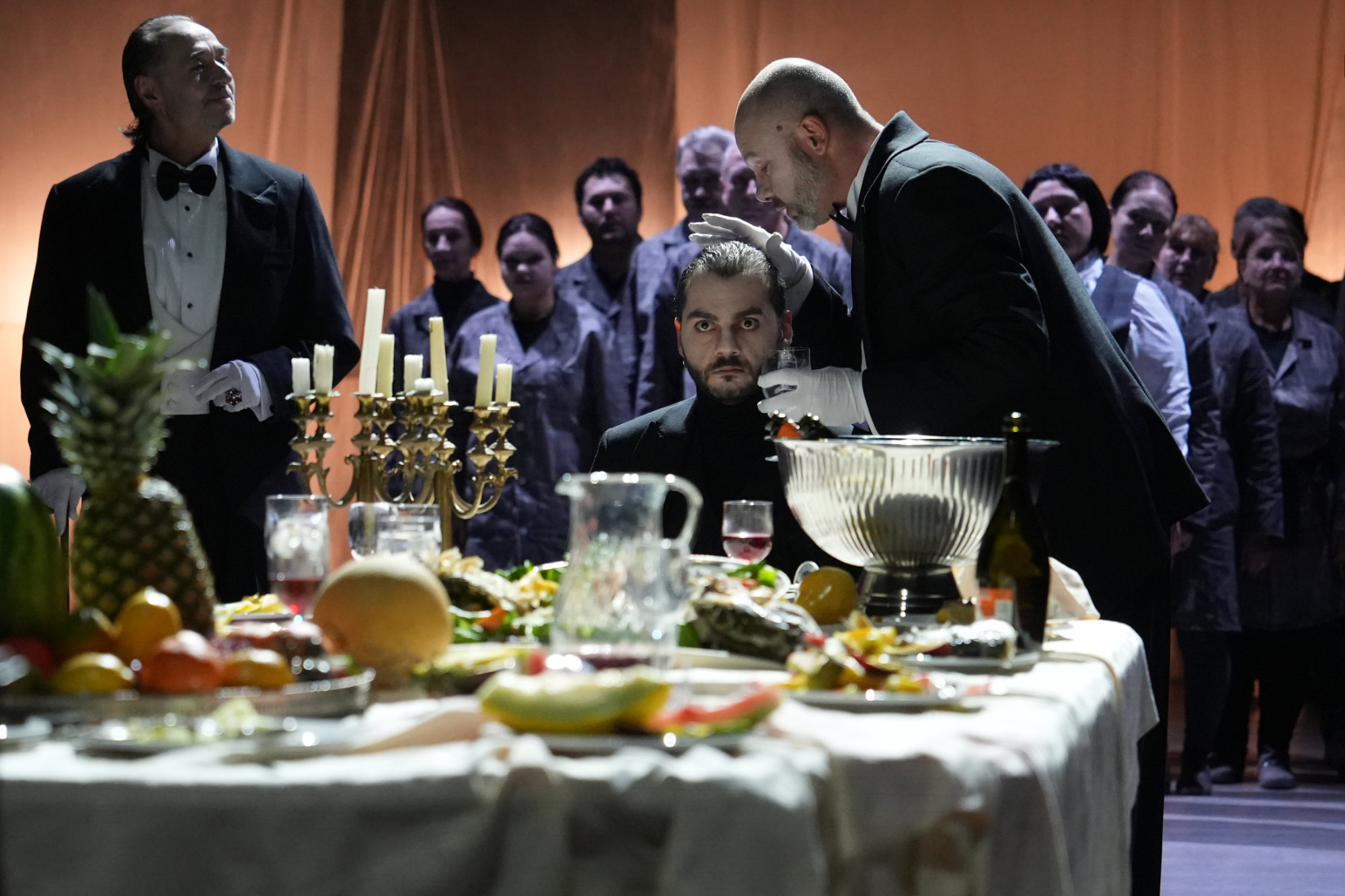
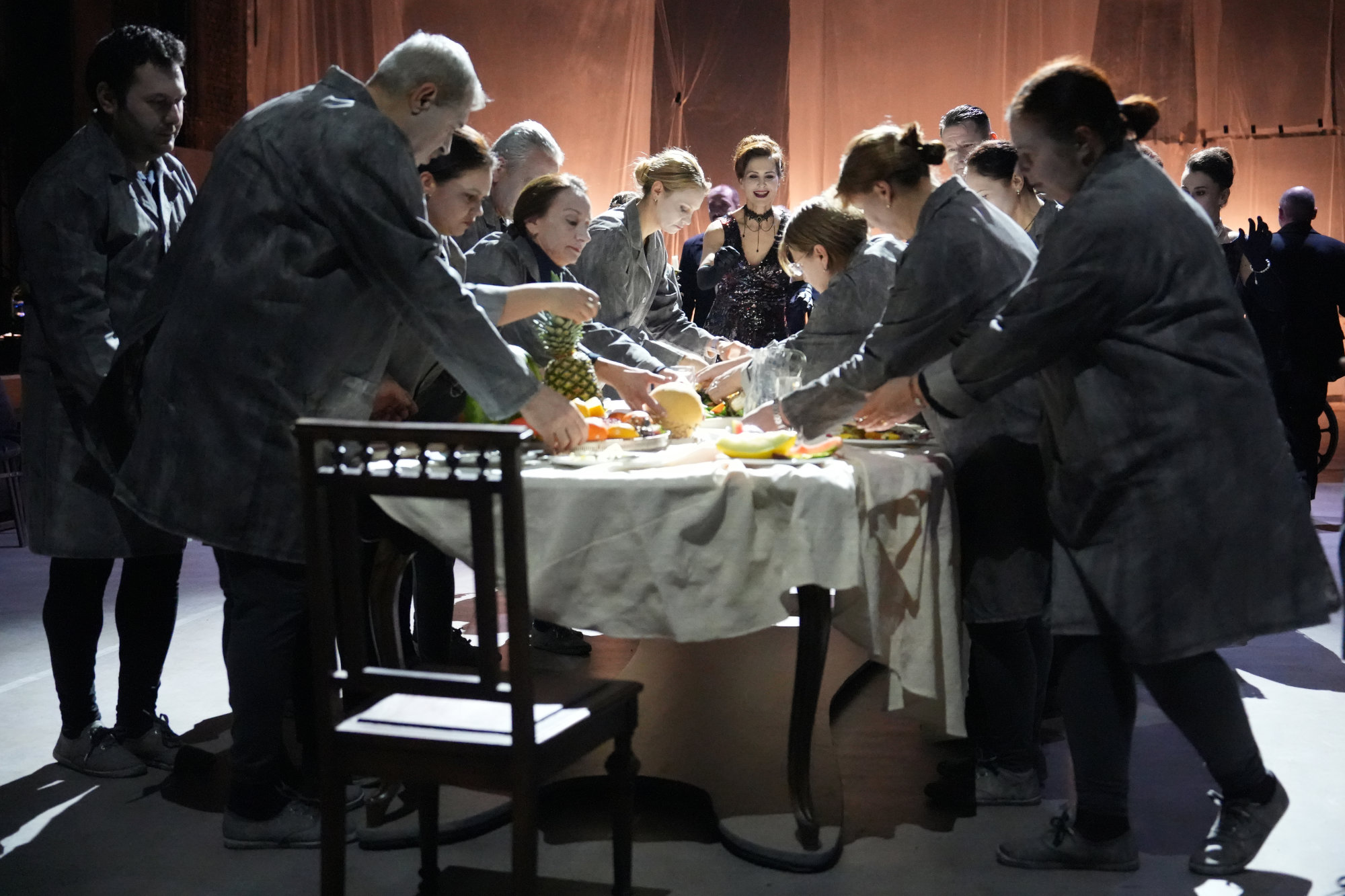
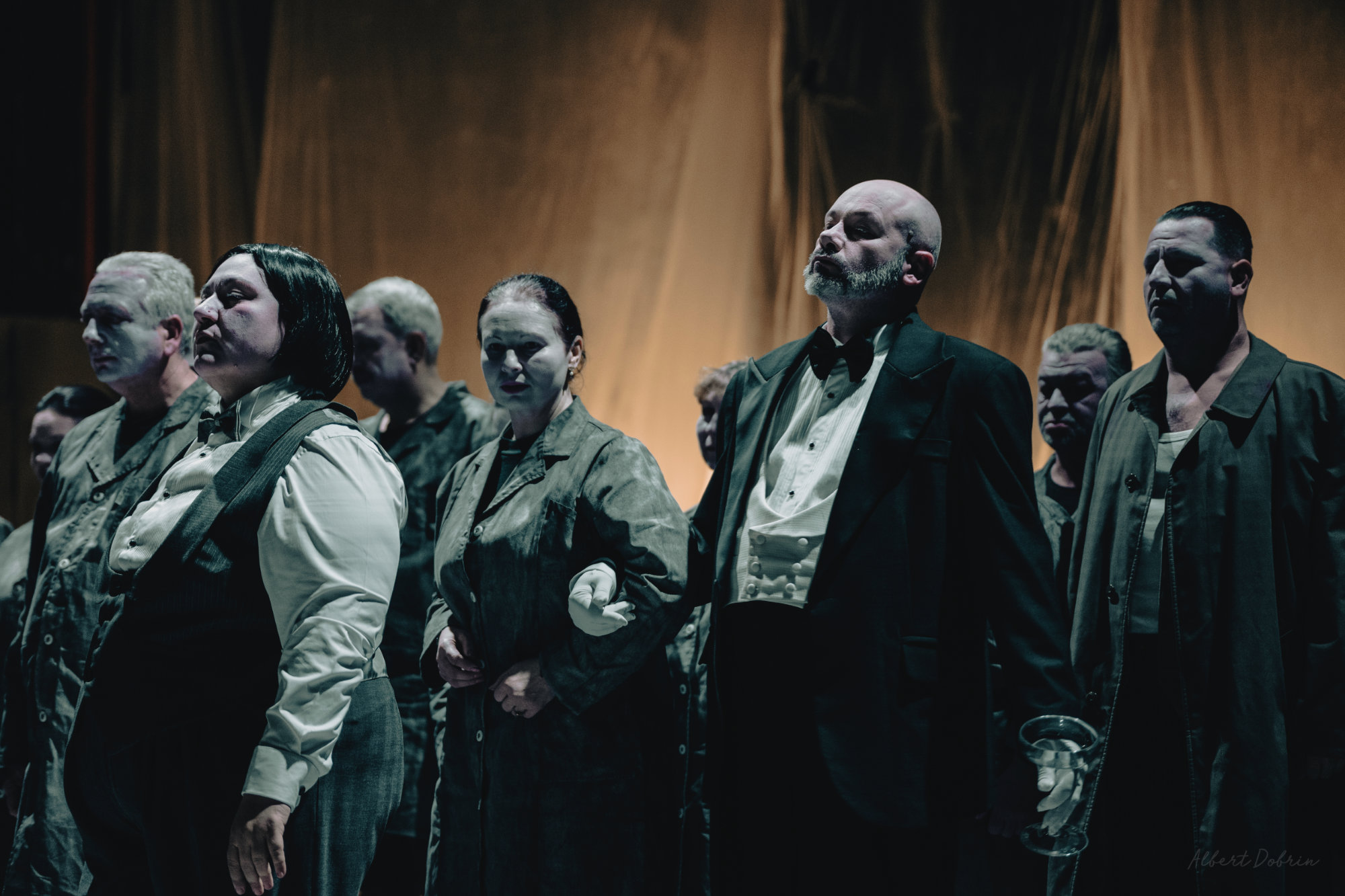
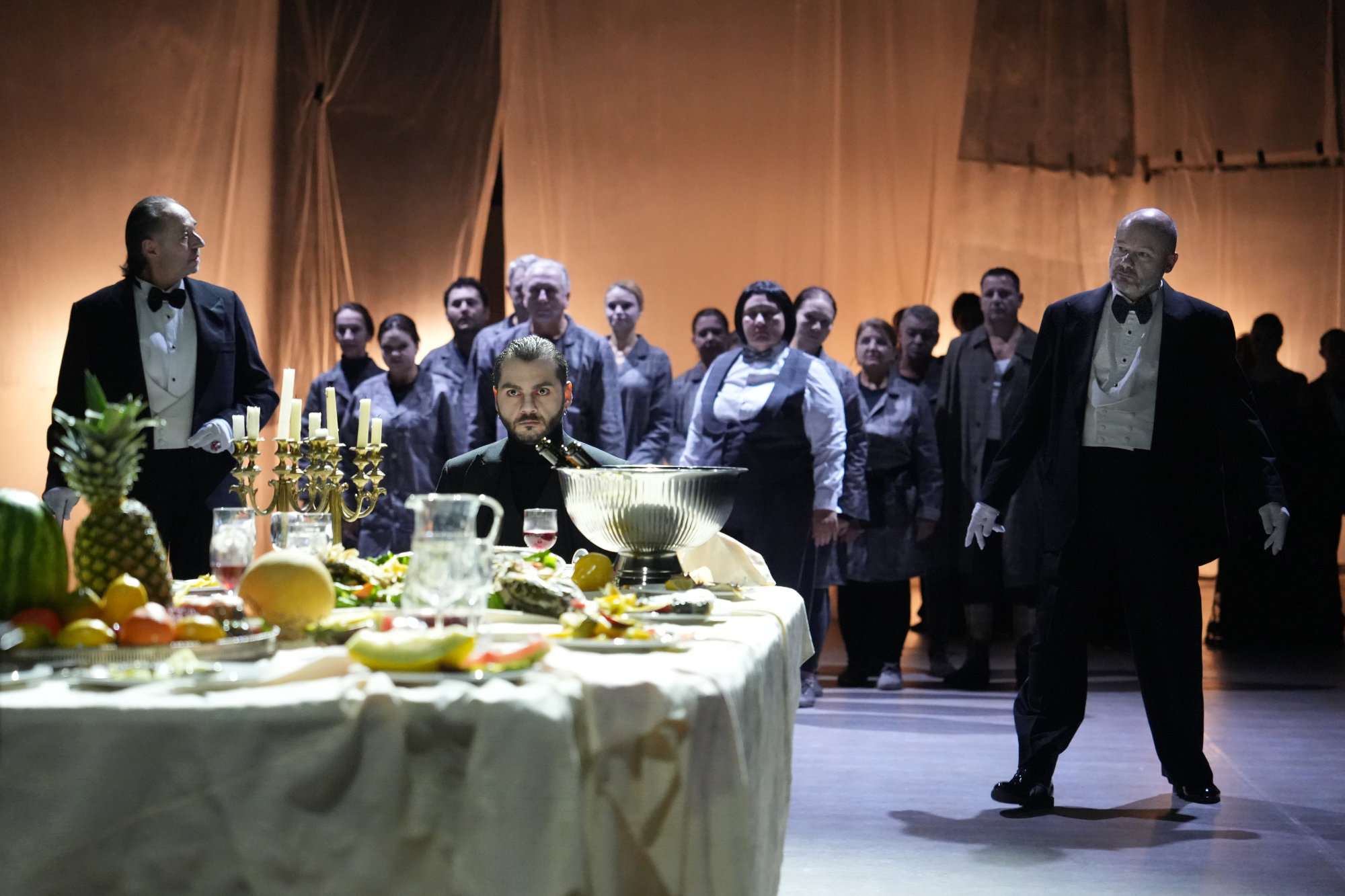
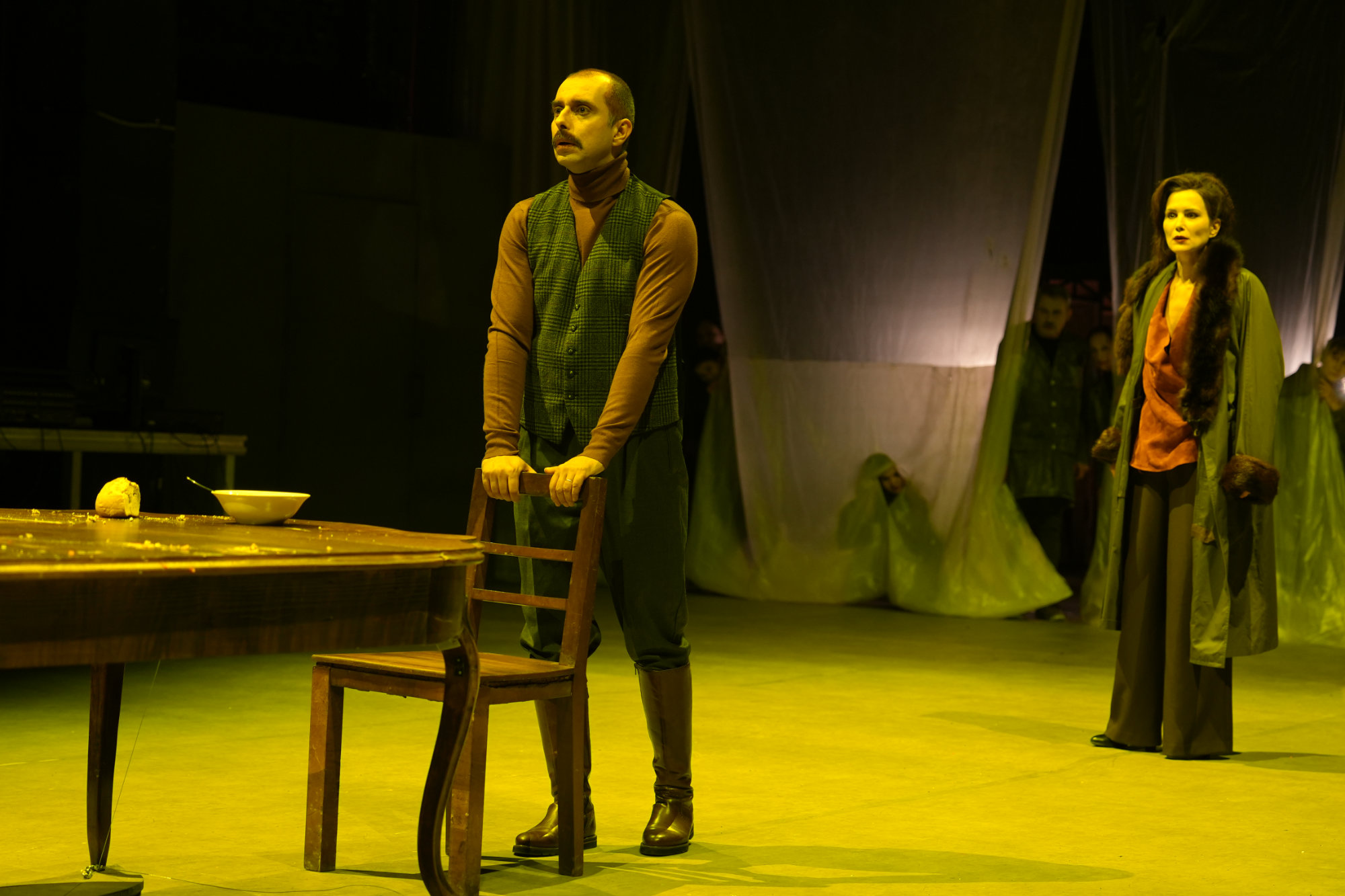
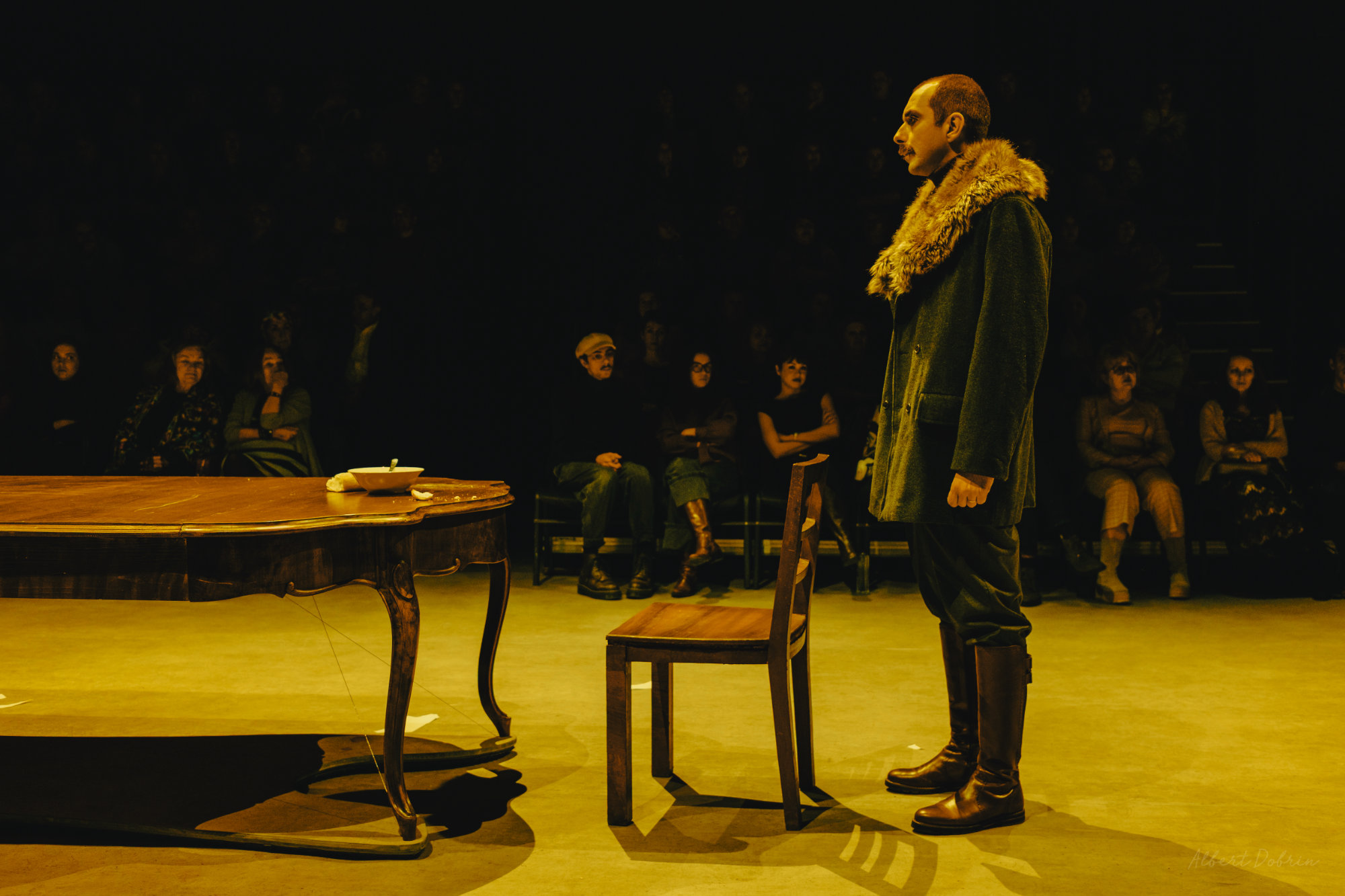
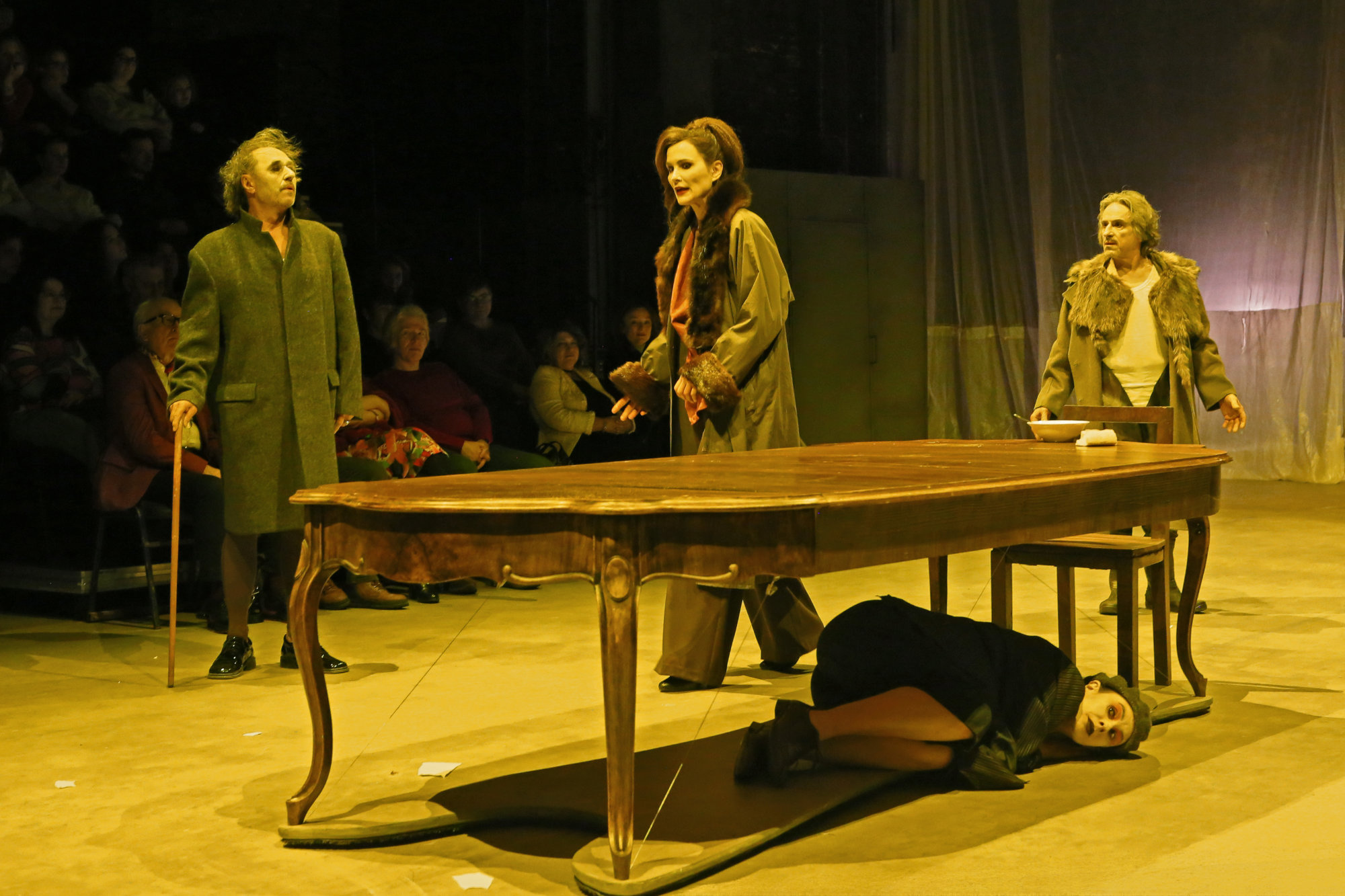
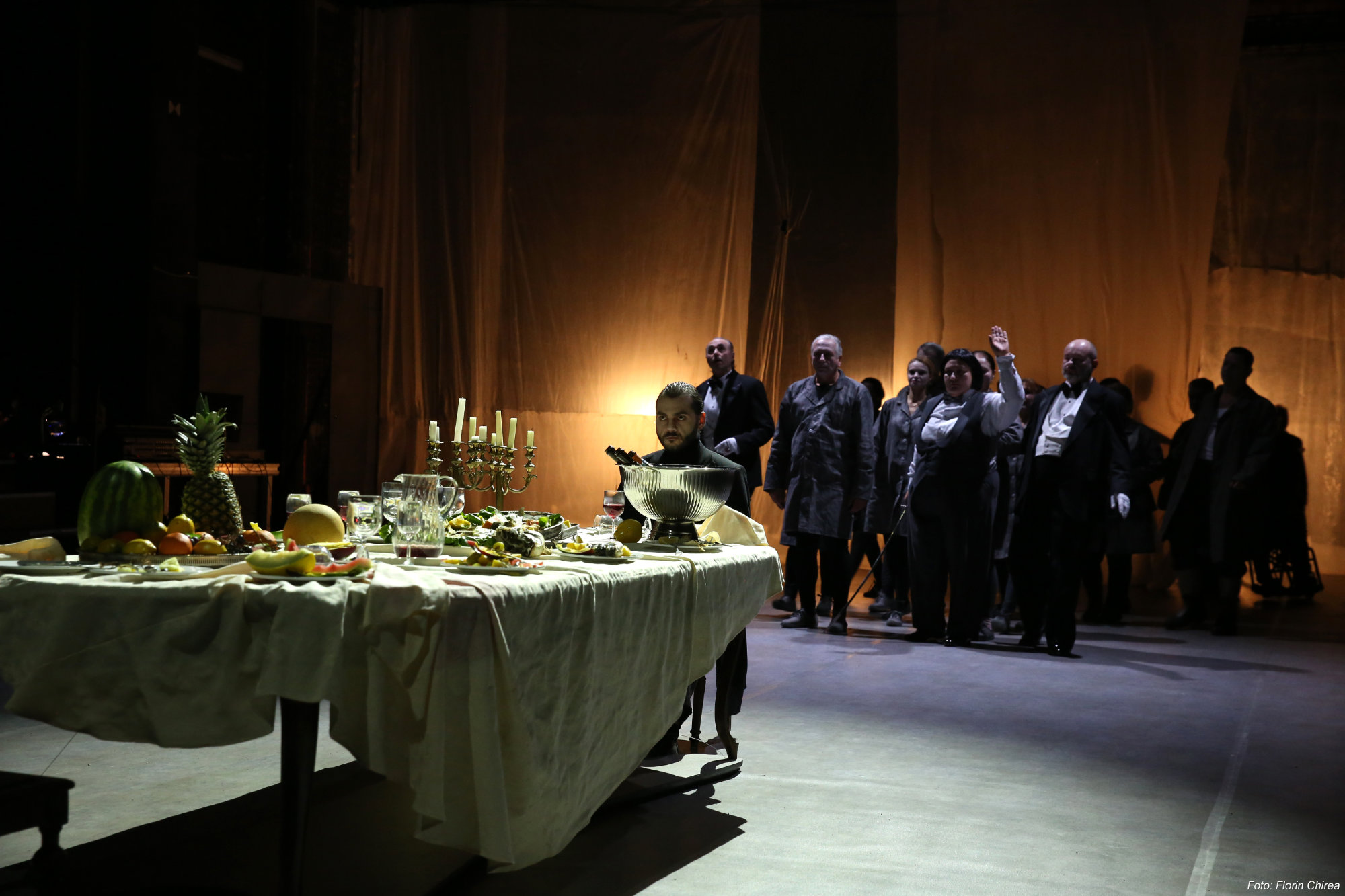
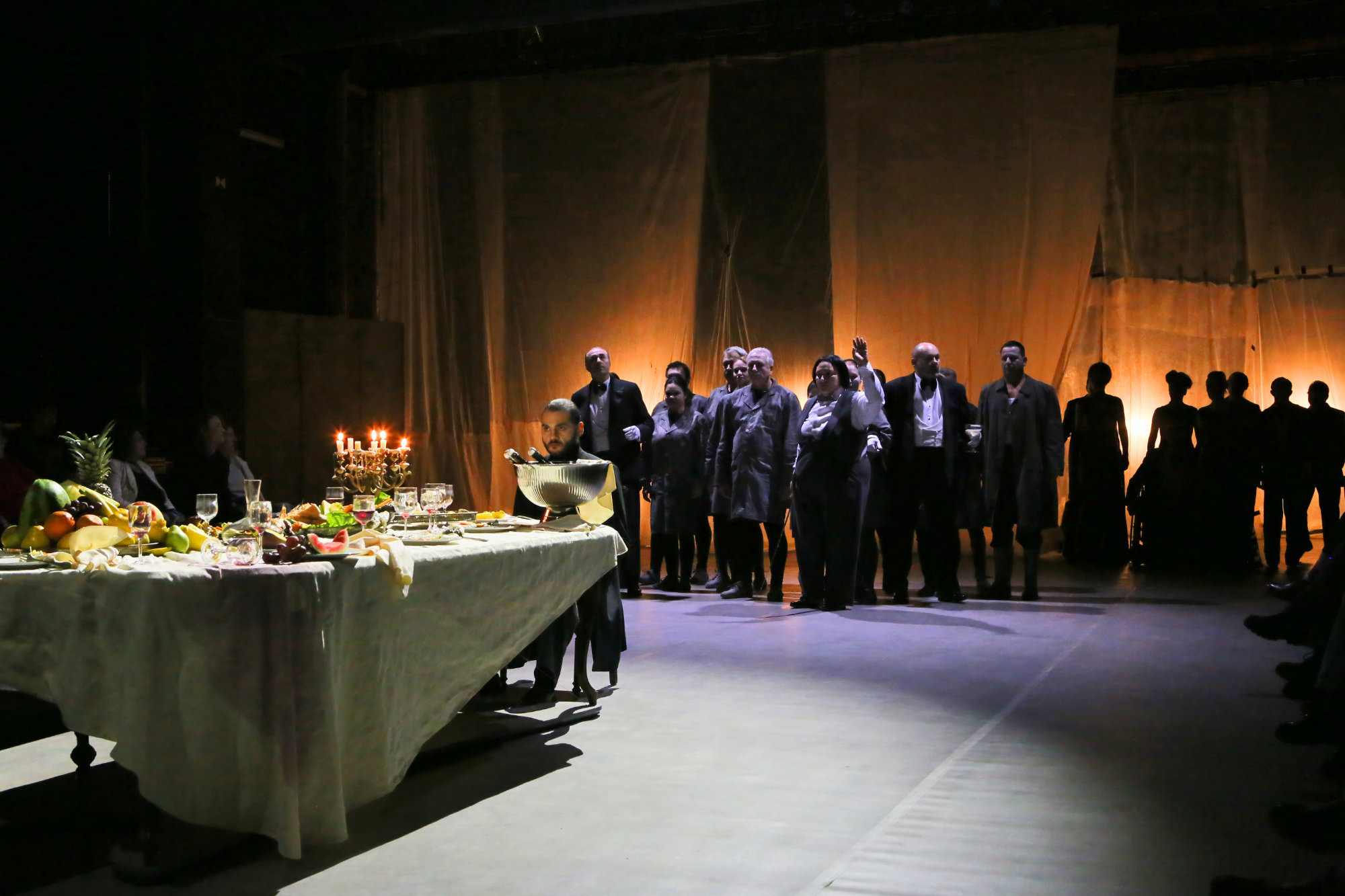
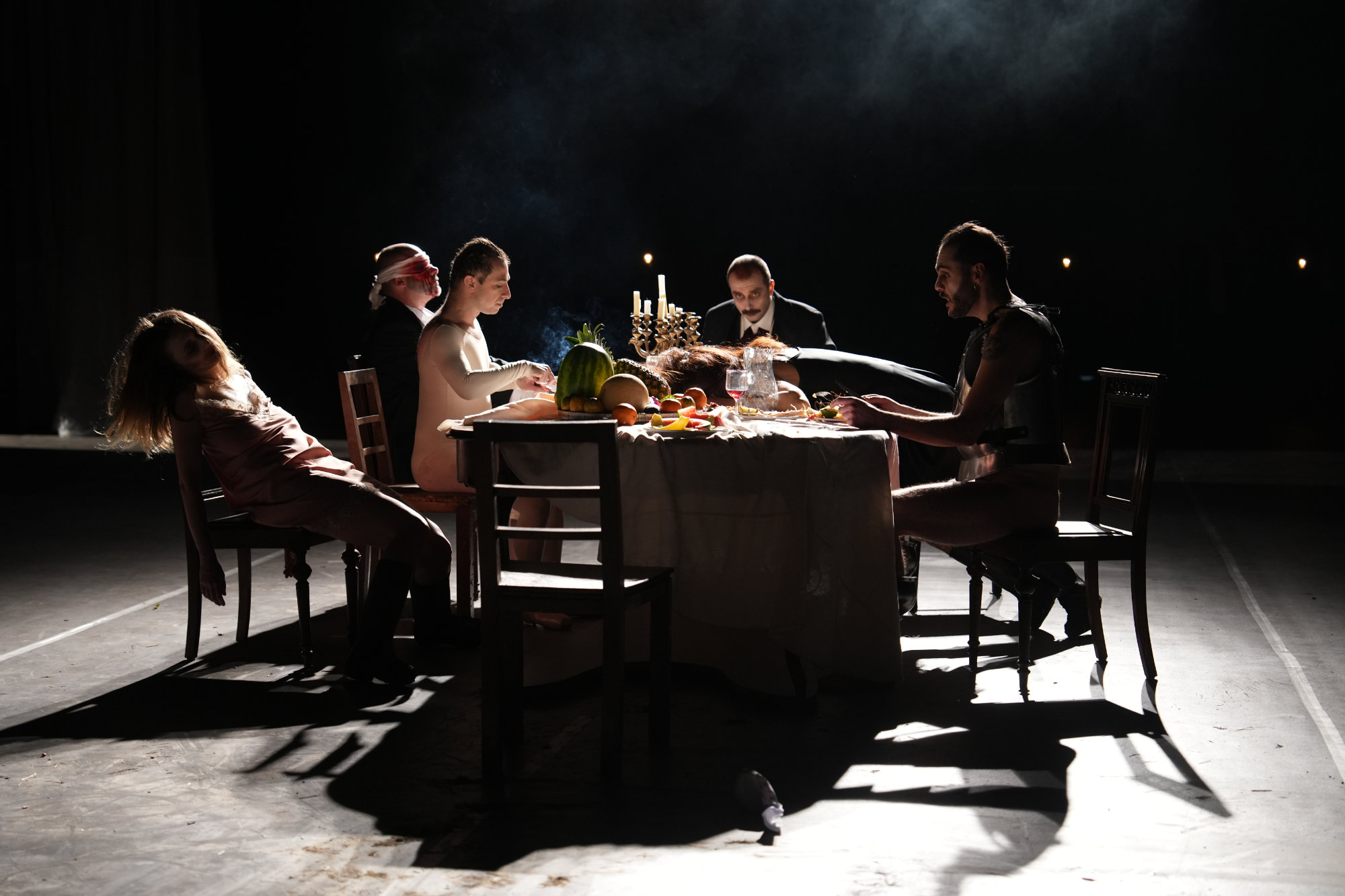
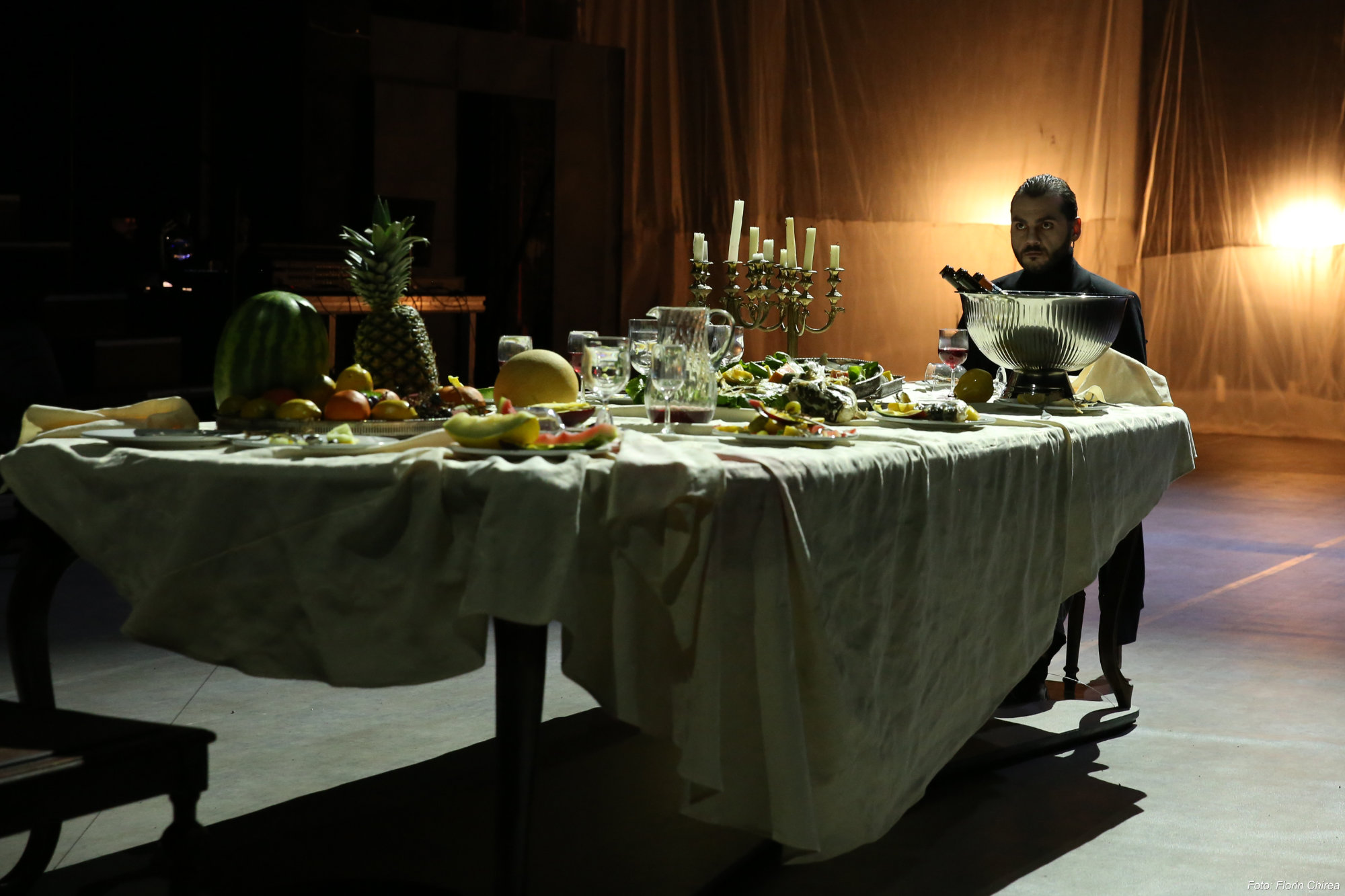
The ending is overwhelmingly sad. Nothing can be saved, Cordelia's resuscitation fails, a caricature-grotesque resolution of the conflict, the living or dead characters gather around the abundant table, eat, cry, eat, a mechanical movement, nothing good can be recovered, saved and Edgar's reply closes all hope: "The old have enough suffering / the young will not live long!". It is a journey-parable of the blind led by the blind, by the mad, by the buffoons, in which Silviu Purcărete guides us."
Daniela Firescu, The disease of time: the mad lead the blind,
Ramuri magazine, no. 4/2026 https://revistaramuri.ro/articol/6729
Niciun rezultat pentru ""
Tastează pentru a începe căutarea...